
War is not merely a clash of armies but a complex interplay of politics, strategy, and human emotion, revealing the harsh realities of human conflict
Read full overviewShow less›
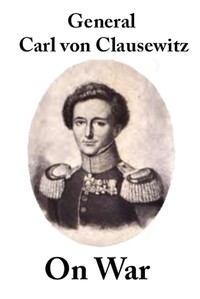
Carl von Clausewitz's 'On War' offers a profound exploration of the nature of war, framing it as an extension of politics by other means. This work delves into the philosophical, strategic, and psychological dimensions of warfare, providing readers with a comprehensive understanding of what drives nations to conflict and how wars are fought. Through a series of logical arguments, Clausewitz challenges conventional wisdom about military engagements, emphasizing that true understanding of war goes beyond mere tactics. By examining the intricate relationship between war and politics, the book illuminates the complexities of human motivations and the unpredictable nature of conflict, making it essential reading for anyone interested in military theory, history, or political science.
Clausewitz's 'On War' is a timeless exploration of the complexities and realities of warfare, presenting it as a multifaceted phenomenon deeply intertwined with political objectives and human psychology. His insights into the nature of war, the importance of strategy, and the unpredictable elements of friction and information remain relevant in understanding contemporary conflicts. By emphasizing the interplay between military action and political aims, Clausewitz challenges readers to think critically about the motivations behind war and the consequences that arise from it. Ultimately, this work serves as a crucial guide for military leaders, policymakers, and anyone seeking to grasp the intricate dynamics of conflict, underscoring that the study of war is as much about understanding humanity as it is about tactics and strategy.
- 1The Nature of War as a Political Act
- 2Ends and Means: The Variable Objectives of War
- 3Friction in War: The Unpredictable Nature of Combat
- 4The Role of Information: Intelligence and Uncertainty
- 5Military Genius: The Qualities of Effective Commanders
Notable quotes
“War is nothing but a duel on an extensive scale.”
“In such dangerous things as War, the errors which proceed from a spirit of benevolence are the worst.”
“Friction is the only conception which in a general way corresponds to that which distinguishes real War from War on paper.”
A glimpse inside

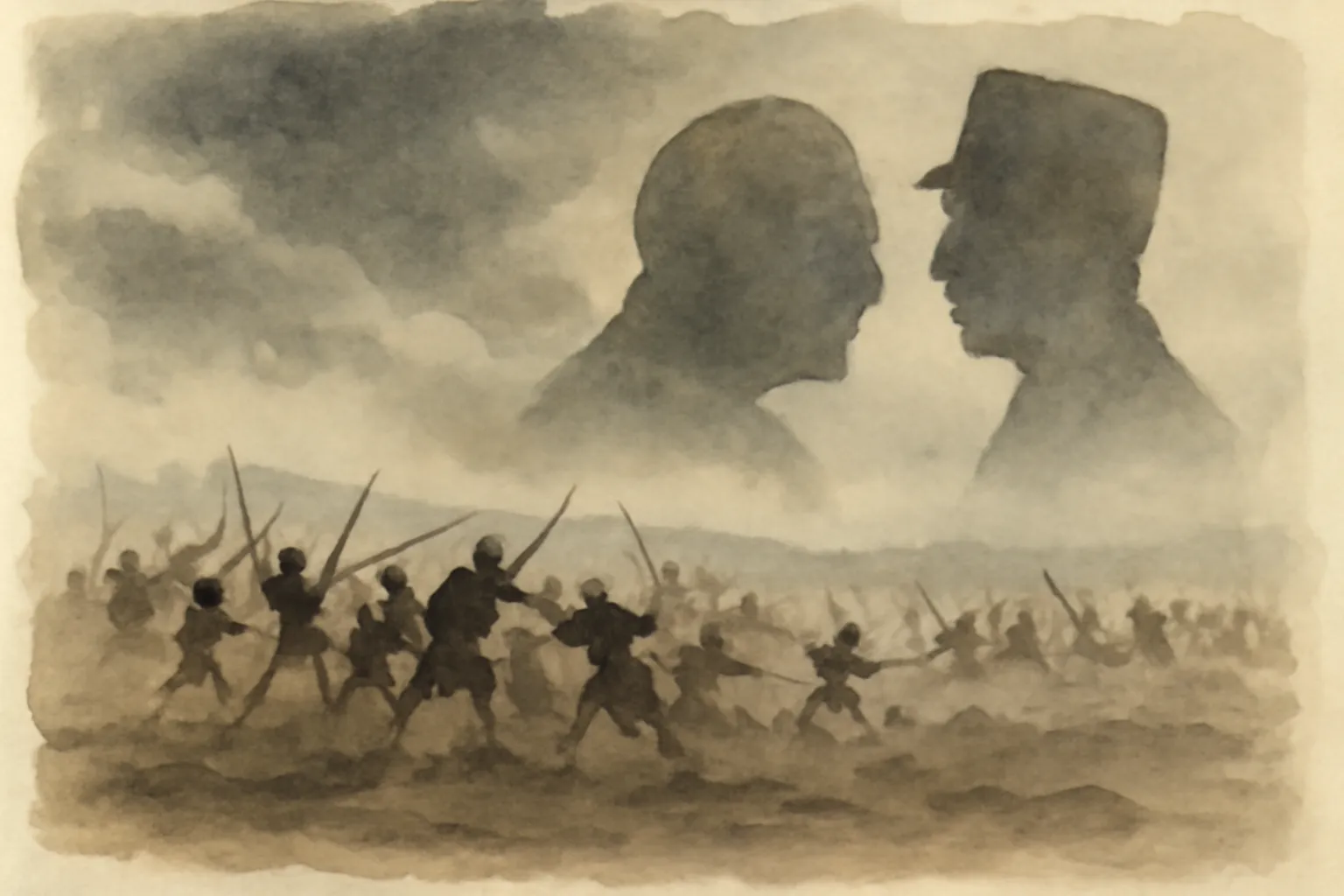
Clausewitz defines war fundamentally as a duel on a grand scale, where the objective is to compel the enemy to submit to one's will. Read moreClausewitz defines war fundamentally as a duel on a grand scale, where the objective is to compel the enemy to submit to one's will. He strips away the romantic notions of battle, presenting war as an exercise of violence aimed at political ends. This perspective challenges the idea that wars are fought solely for glory or honor, instead arguing that they are deeply rooted in practical political objectives. By likening war to a duel, Clausewitz emphasizes the raw human emotions involved, such as fear and aggression, which shape the dynamics of conflict. This definition serves as a foundation for understanding the subsequent complexities of warfare, as it underscores the necessity of recognizing the interplay between military action and political goals. The concept that war is an extension of politics by other means suggests that every military engagement is ultimately a manifestation of political motives, thereby linking the outcomes of war directly to the political landscape and its machinations. Show less
Clausewitz elaborates on the variable nature of war's objectives, asserting that the political aims behind military actions dictate the means employed. Read moreClausewitz elaborates on the variable nature of war's objectives, asserting that the political aims behind military actions dictate the means employed. He distinguishes three primary objectives in war: the destruction of the enemy's military power, the conquest of territory, and the subjugation of the enemy's will. Each objective requires different strategies and resources, and the interplay between these aims can shift as the conflict evolves. For instance, a military campaign may begin with the goal of destroying an enemy's forces but may later shift to securing territory or influencing public opinion. This adaptability is crucial, as it reflects the fluid nature of war where strategies must be continuously reassessed in response to changing circumstances and the actions of the adversary. Clausewitz argues that the clarity of a political objective is vital, noting that without a clear aim, military efforts can become disjointed and ineffective, leading to failures on the battlefield. Show less
Read the full text — free
About the author
Read Carl von Clausewitz's work free on Lumina — the complete text plus an 8-minute summary and key ideas, no account needed