1.The Aims of Nature Study
Nature Study is fundamentally about helping students engage with their environment in a meaningful way. It aims to cultivate a sympathetic and intelligent relationship between children and the natural world, equipping them for the responsibilities of citizenship. The manual stresses that effective nature study should not focus solely on the quantity of information taught but rather on fostering curiosity, observation skills, and a spirit of inquiry. By adapting lessons to suit the child's life circumstances and interests, educators can ignite a passion for understanding the secrets of nature. This approach is crucial for developing independent thinkers who can appreciate the complexities of their surroundings and utilize them wisely in their lives. Nature study encourages lifelong learning and an appreciation for the environment, ensuring that students are not just passive recipients of information but active participants in their learning journey.
2.Concrete Learning Through Observation

The manual emphasizes the importance of concrete materials and real-life observations in nature study. Lessons should be based on tangible experiences that students can relate to, such as observing plants, animals, and weather patterns. By using the commonplace and familiar objects in lessons, teachers can help students draw connections between their studies and the world around them. For example, students might explore the life cycle of a butterfly by observing one in their garden, rather than solely relying on textbooks. This hands-on approach encourages active participation and helps students retain information more effectively, as they are directly involved in the learning process. The act of observing fosters a sense of wonder and curiosity, inspiring students to ask questions and seek answers, which is a cornerstone of scientific inquiry. Teachers are encouraged to create an environment where students feel comfortable to explore, make mistakes, and learn from their experiences.
3.Seasonal Relevance in Lessons
A vital aspect of nature study highlighted in the manual is the need for lessons to be relevant to the current season. By aligning topics with seasonal changes, teachers can enhance engagement and provide students with a more immersive experience. For instance, autumn lessons might focus on seed dispersal and the changing colors of leaves, while spring lessons could explore planting seeds and the growth of new life. This seasonal approach not only makes learning more exciting but also fosters an appreciation for the cyclical nature of life. Students learn to observe and appreciate the changes in their environment, developing a deeper connection to nature. Such engagement with seasonal cycles also promotes mindfulness and patience, as students learn to wait and watch for changes over time. By integrating seasonal themes, educators can create lessons that resonate with students' lived experiences, making the content more relevant and impactful.
4.The Role of the School Garden
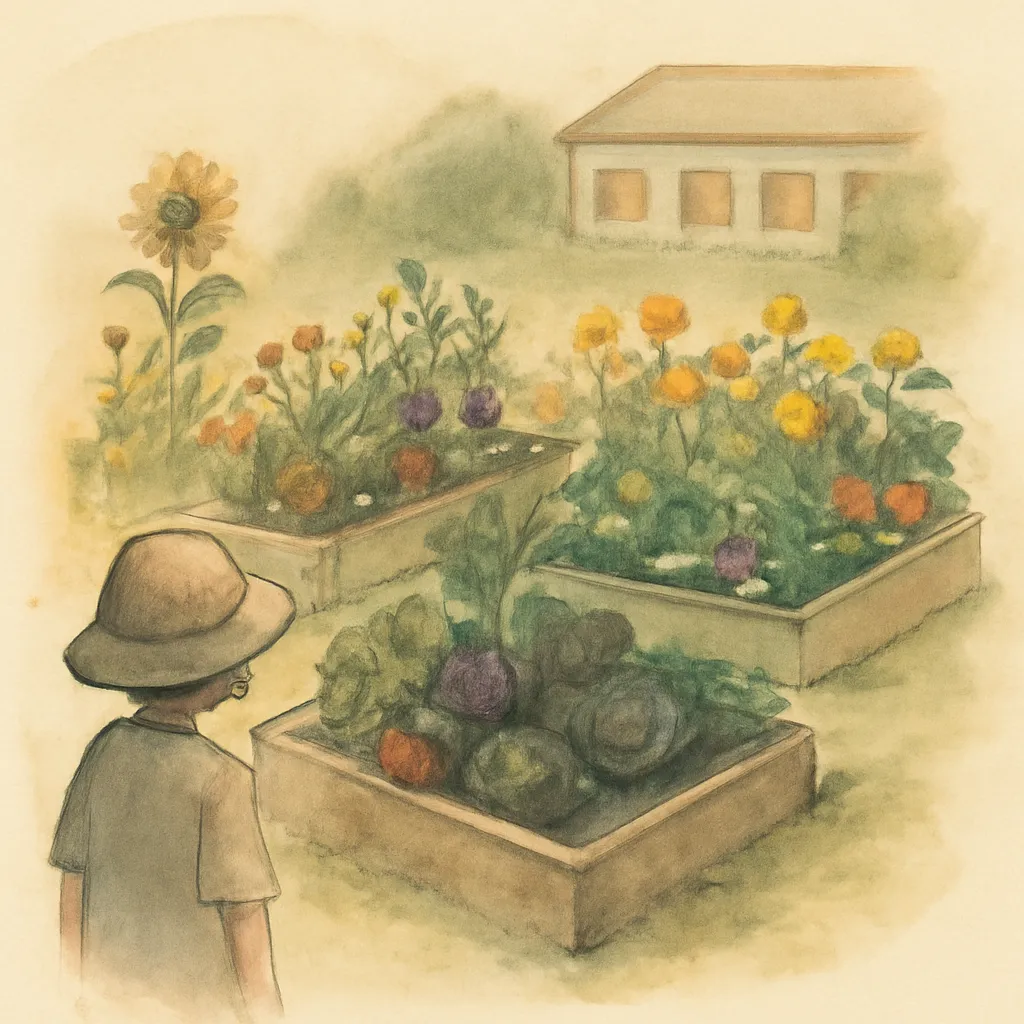
The school garden serves as a living laboratory for students, providing countless opportunities for hands-on learning. The manual outlines practical suggestions for establishing and maintaining a garden, including budgeting for expenses and planning garden layout. Through garden work, students can learn about plant biology, ecology, and nutrition. Activities such as planting, weeding, and harvesting cultivate responsibility and teamwork among students. Additionally, garden work can be easily integrated into other subjects, such as math for measuring plots or art for creating garden designs. This multifaceted approach not only enhances students' academic skills but also instills a sense of pride and ownership in their learning environment. The act of growing and caring for plants teaches students about ecosystems, food sources, and environmental stewardship, reinforcing the connection between humans and nature. This experiential learning encourages students to develop a sense of responsibility for the world around them, promoting a culture of sustainability.
5.Excursions as Learning Experiences
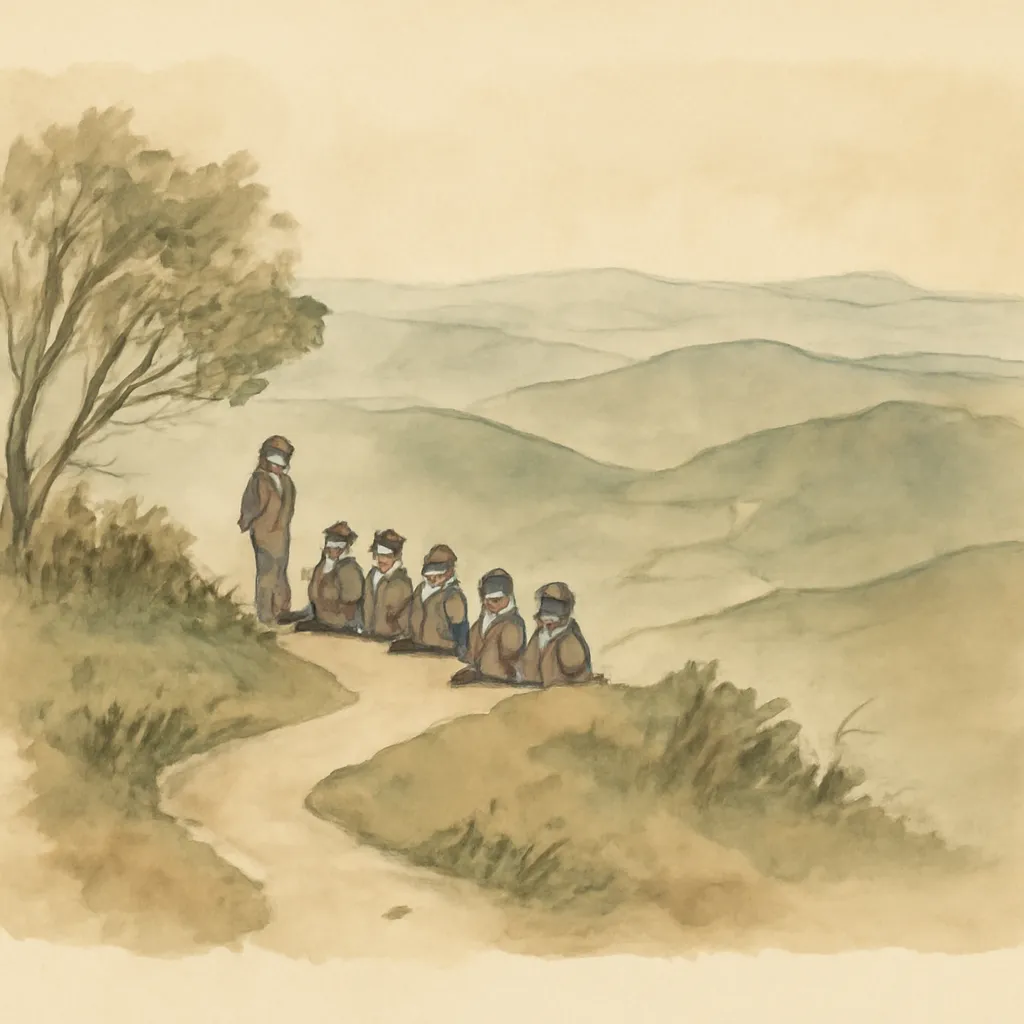
Field trips and excursions are essential components of nature study, as they provide students with firsthand experiences of the natural world. The manual discusses the value of excursions, including opportunities for observation and exploration outside the classroom. Such outings can be both structured, with specific learning objectives, or informal, encouraging spontaneous discoveries. Teachers are guided on how to plan effective excursions, including considerations for safety and accessibility. By stepping outside the classroom, students can engage with their environment in new ways, fostering a sense of adventure and curiosity that is often lost in traditional learning settings. Excursions also allow students to experience different habitats and ecosystems, deepening their understanding of biodiversity. The manual encourages educators to create inclusive and accessible experiences, ensuring that all students can participate in this vital aspect of nature study.
6.Integrating Physical Science into Nature Study
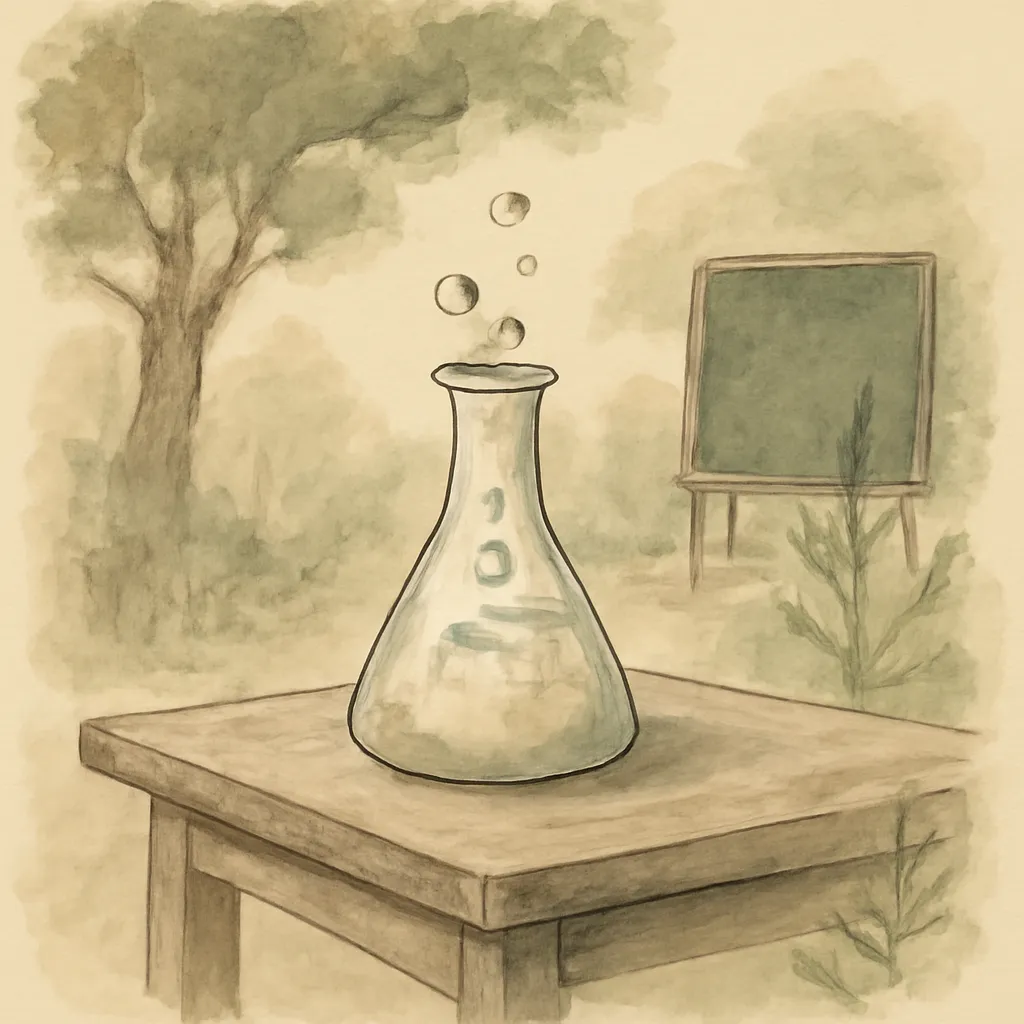
The manual also addresses the intersection of physical sciences with nature study, advocating for a hands-on experimental approach to teaching concepts such as chemistry and physics. While experimental methods may be more suited for older students, the manual provides a framework for introducing these ideas in a way that sparks interest and understanding. For example, students might explore concepts of air pressure and temperature through simple experiments that relate to their observations in the natural world. This integration allows students to see the relevance of scientific principles in their daily lives and encourages critical thinking and problem-solving skills. By linking physical science concepts to real-life contexts, educators can demystify complex ideas and make them more accessible to students. The manual highlights the importance of fostering a scientific mindset, encouraging students not just to accept information but to question, hypothesize, and experiment.
7.Animal Studies and Observational Skills
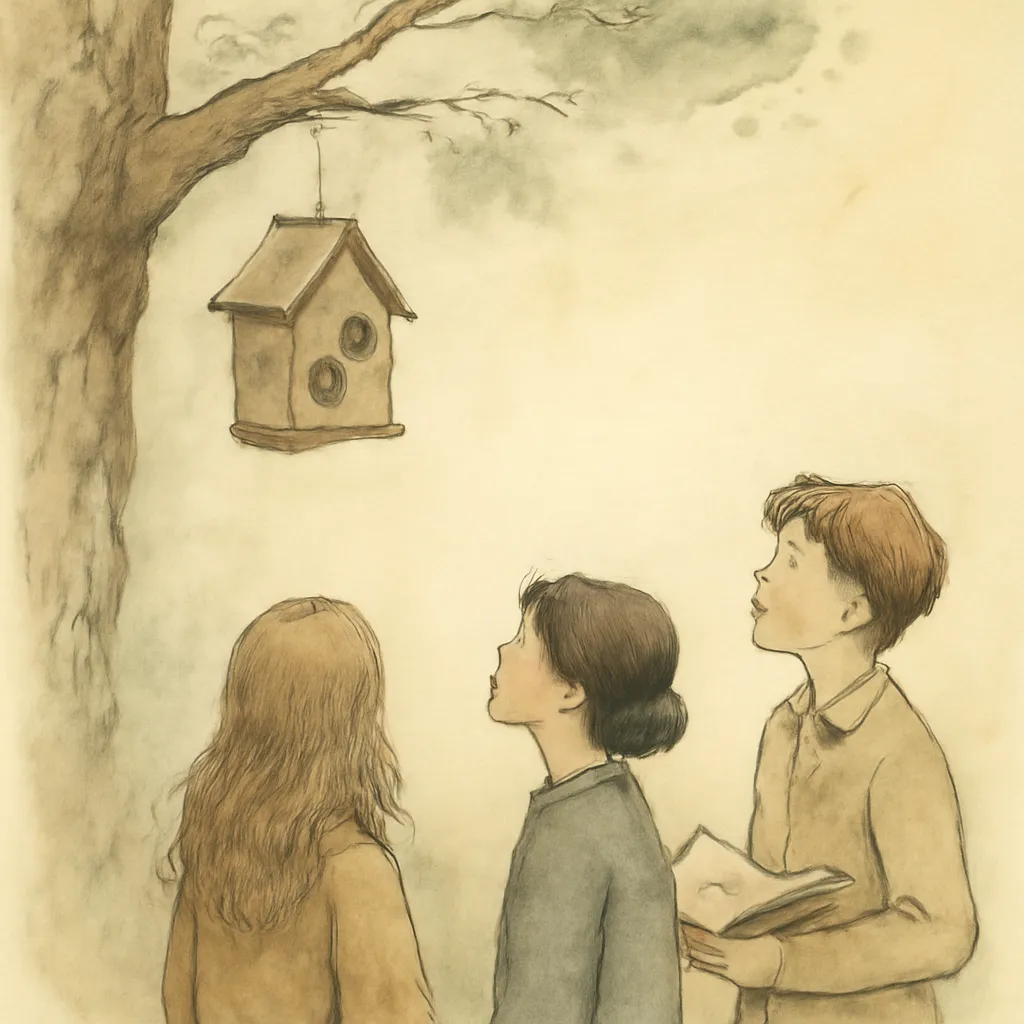
Animal studies are a significant focus of nature study, allowing students to learn about various species through observation and interaction. The manual outlines specific lessons for different animals, such as domestic pets and wildlife, encouraging students to make detailed observations about behavior, habitat, and life cycles. By engaging with animals, students develop empathy and a sense of responsibility for living beings. Additionally, these studies can lead to discussions about ecosystems, conservation, and the importance of biodiversity. Teachers are encouraged to create opportunities for students to share their findings and experiences, fostering a collaborative learning environment. Observational skills gained from animal studies can transfer to other subjects, enhancing overall academic performance. The manual emphasizes the importance of respectful observation and interaction with animals, encouraging students to understand their needs and habitats.
8.The Importance of Record Keeping
Maintaining notebooks and records is emphasized throughout the manual as a critical component of nature study. Students are encouraged to document their observations, experiments, and reflections, which helps reinforce their learning and develop writing skills. This practice not only aids in retention but also allows students to track their progress and growth over time. Through record-keeping, students learn to reflect on their experiences and make connections between different aspects of their studies. Teachers can guide students on how to create effective records, including sketches, written observations, and reflections, making this a valuable tool for both assessment and personal growth. The habit of keeping records fosters a sense of accountability and encourages students to take ownership of their learning journey. This practice also helps in developing critical thinking skills, as students analyze their findings and consider their implications.
9.Collaboration Between Teachers and Students
The manual promotes a collaborative approach to teaching nature study, where teachers and students work together to explore topics and develop lessons. This partnership encourages students to take ownership of their learning, leading to more meaningful engagement. Teachers are encouraged to adapt their methods based on the needs and interests of their students, fostering an environment where curiosity is nurtured. By involving students in the planning and execution of lessons, teachers can create a dynamic learning atmosphere that empowers students to express their ideas and contribute actively to their education. This collaboration not only enhances learning outcomes but also builds a strong classroom community that values diversity and inclusivity. Educators are encouraged to provide opportunities for students to collaborate on projects, share knowledge, and support one another in their learning experiences.
10.Enhancing Community Engagement
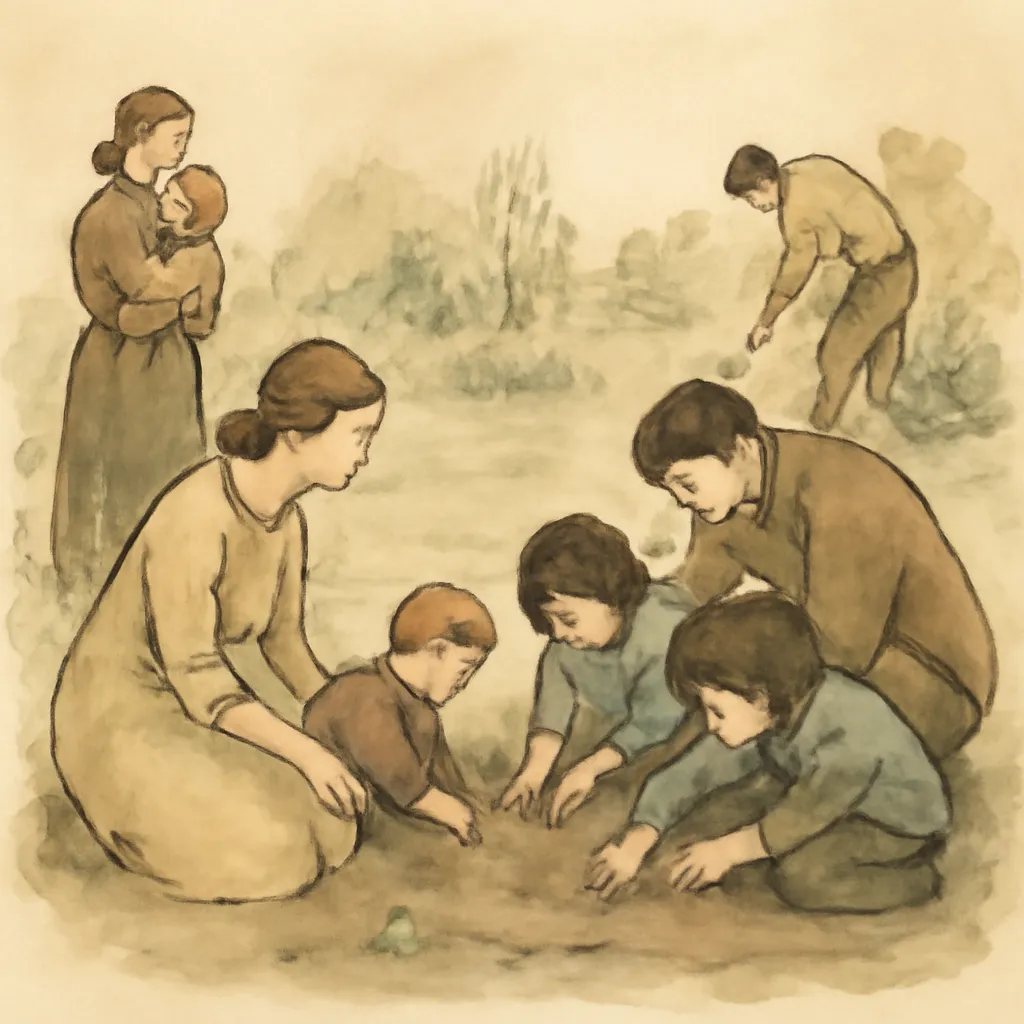
Nature study extends beyond the classroom and into the community, with the manual highlighting the importance of engaging families and local organizations. By involving parents and community members in nature study activities, schools can create a richer learning environment that benefits everyone. For instance, community gardening projects or local conservation efforts can provide students with valuable experiences that connect them to their surroundings. The manual encourages educators to seek partnerships with local experts, organizations, and institutions to enhance the learning experience and provide students with diverse perspectives on nature and science. Community engagement fosters a sense of belonging and reinforces the importance of collaboration, as students see the tangible impact of their work. Schools can organize events that involve the community, such as workshops, nature walks, and environmental clean-up days, further solidifying the connection between students and their environment.