1.Landscape as Character
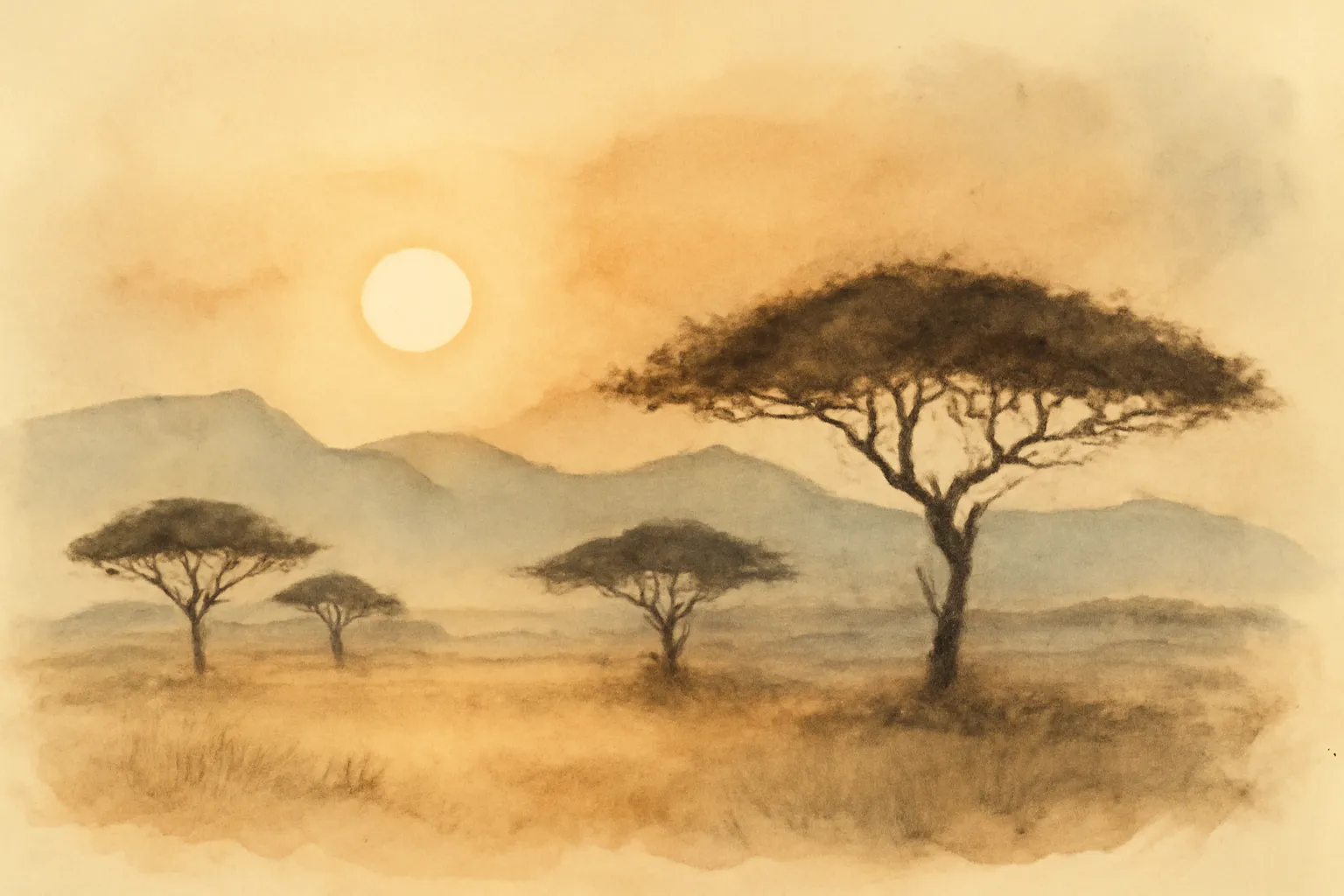
Dinesen transforms the Kenyan landscape into a living presence, describing it with reverence and poetic detail. The land is not just a backdrop but an active force shaping the lives and destinies of all who inhabit it. Her descriptions evoke both the beauty and harshness of Africa, suggesting that the environment itself is a protagonist in her story. This approach invites readers to consider how place can shape identity and memory.
2.Colonial Encounters and Ambivalence
The memoir is set during a time of European colonial rule, and Dinesen’s account is marked by both affection for and distance from the local Kikuyu, Somali, and Maasai people. She often expresses admiration for their customs and resilience, yet her perspective is inevitably shaped by her colonial position. The book is a complex document, revealing both genuine cross-cultural curiosity and the limitations of its era’s attitudes, making it a valuable text for examining colonial dynamics.
3.Elegy for a Lost World
Out of Africa is suffused with nostalgia and a sense of impending loss. Dinesen writes with the awareness that the world she describes—her farm, the colonial society, even the wildlife—is vanishing. This elegiac tone gives the memoir its haunting power, as she mourns not only her personal losses but the transformation of a land and way of life. The book thus becomes a meditation on impermanence and memory.
4.The Complexity of Belonging
Dinesen grapples with questions of home and identity. As an outsider, she forms deep attachments to Kenya, yet remains always a foreigner. Her relationships with the land, her workers, and her European friends are tinged with both intimacy and separation. This tension—between longing to belong and the reality of difference—runs throughout the memoir, prompting readers to reflect on what it means to find or lose a sense of place.
5.Nature, Animals, and the Human Spirit
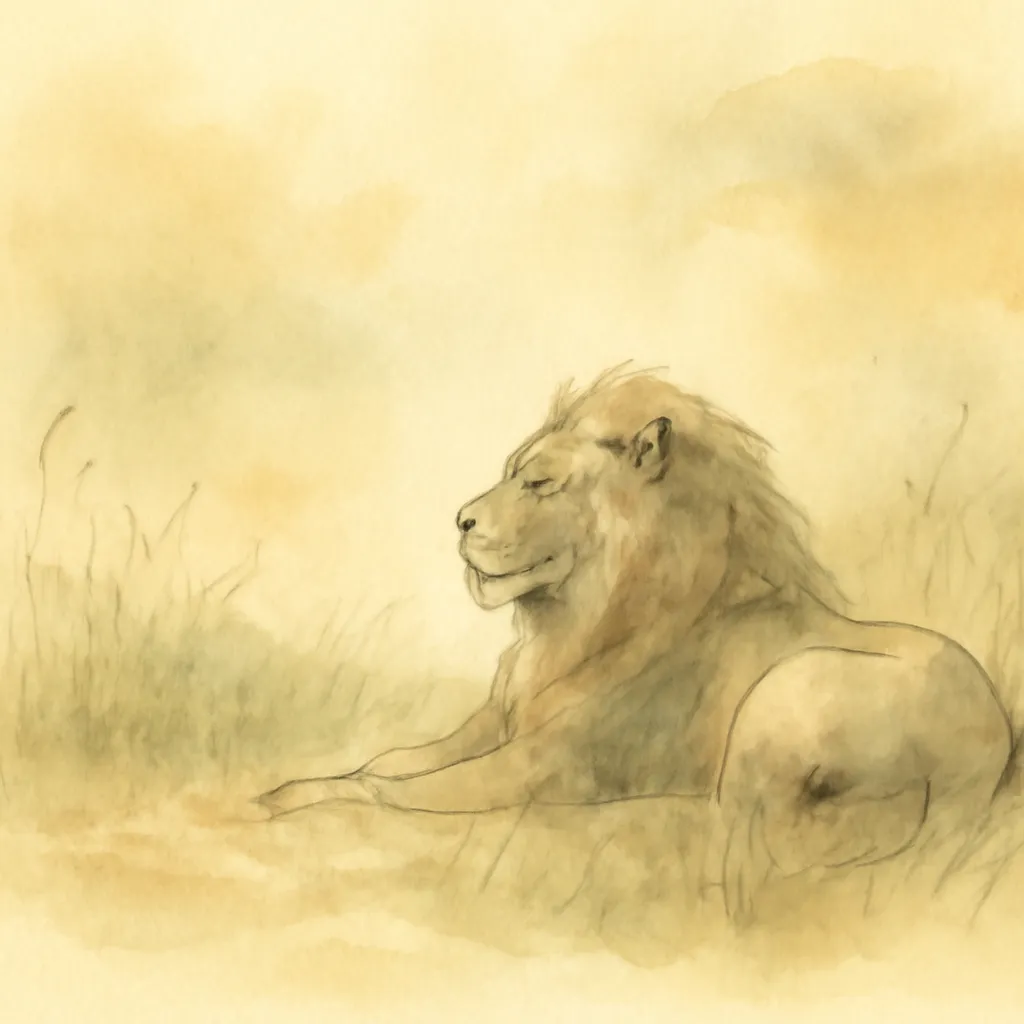
Animals and the rhythms of nature are central to Dinesen’s experience. She describes her interactions with lions, birds, and farm animals with a sense of kinship and wonder. These encounters reveal her belief in the dignity and mystery of the natural world, and her writing often blurs the boundaries between human and animal experience. The memoir encourages readers to see themselves as part of a larger, interconnected web of life.
6.Storytelling as Survival
Dinesen’s narrative style is marked by anecdote, myth, and digression, reflecting her belief in the power of storytelling. Through stories—her own and those of her African neighbors—she preserves memories, imparts wisdom, and finds meaning in loss. The memoir suggests that storytelling is not just a way to remember the past, but a means of enduring and making sense of change.