

Social life and customs · Description and travel · Mœurs et coutumes
Out of Africa by Isak Dinesen — Summary, Key Ideas & Quotes
1937389 pages✦ 3-min Big ideas★ 3.6 (7)
Rate it
The author relates her experience in Kenya, describing not only her own youth but also the country's traditions and people.
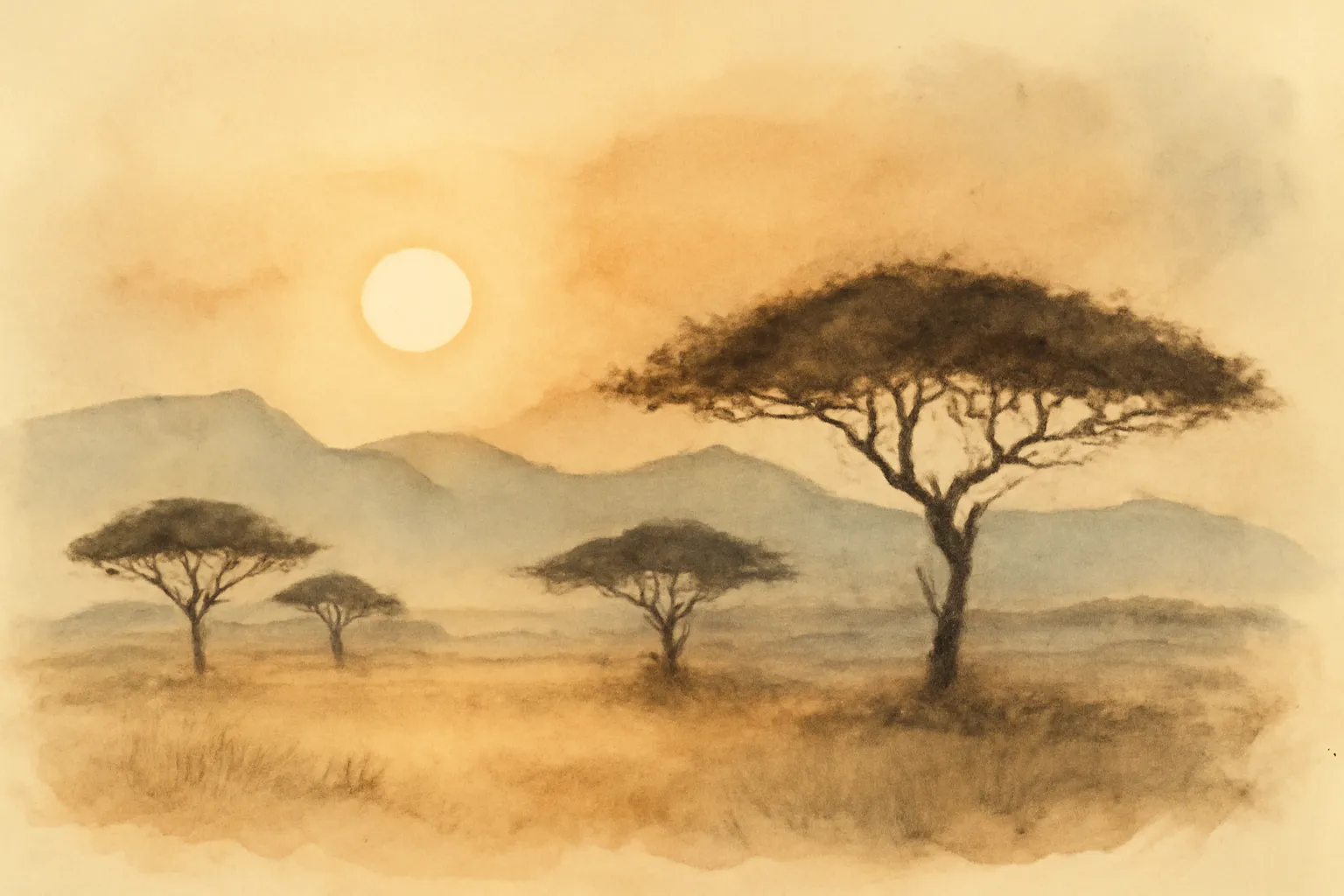
Dinesen transforms the Kenyan landscape into a living presence, describing it with reverence and poetic detail. The land is not just a backdrop but an active force shaping the lives and destinies of all who inhabit it. Her descriptions evoke both the beauty and harshness of Africa, suggesting that the environment itself is a protagonist in her story. This approach invites readers to consider how place can shape identity and memory.
The memoir is set during a time of European colonial rule, and Dinesen’s account is marked by both affection for and distance from the local Kikuyu, Somali, and Maasai people. She often expresses admiration for their customs and resilience, yet her perspective is inevitably shaped by her colonial position. The book is a complex document, revealing both genuine cross-cultural curiosity and the limitations of its era’s attitudes, making it a valuable text for examining colonial dynamics.
“I had a farm in Africa, at the foot of the Ngong Hills.”
“You know you are truly alive when you’re living among lions.”
“If I know a song of Africa, does Africa know a song of me?”