1.The Allure of the Unknown
Bradley's journey begins with a sense of adventure and curiosity, capturing the human desire to explore the unknown. As he and his companions venture away from Fort Dinosaur, they are drawn into the lush and dangerous landscape of Caspak, a land teeming with life yet fraught with peril. The vivid descriptions of the jungle, filled with vibrant colors and exotic flora, create a palpable sense of wonder. However, this allure is quickly tempered by the realization that the environment is as threatening as it is beautiful. Each step taken into the jungle is a step deeper into a world where the laws of nature reign supreme, and survival depends on quick thinking and bravery. Burroughs uses this contrast to illustrate how the pursuit of adventure can lead to profound personal growth, as the characters confront their fears and learn to overcome them in the face of adversity.
2.Camaraderie Amidst Chaos
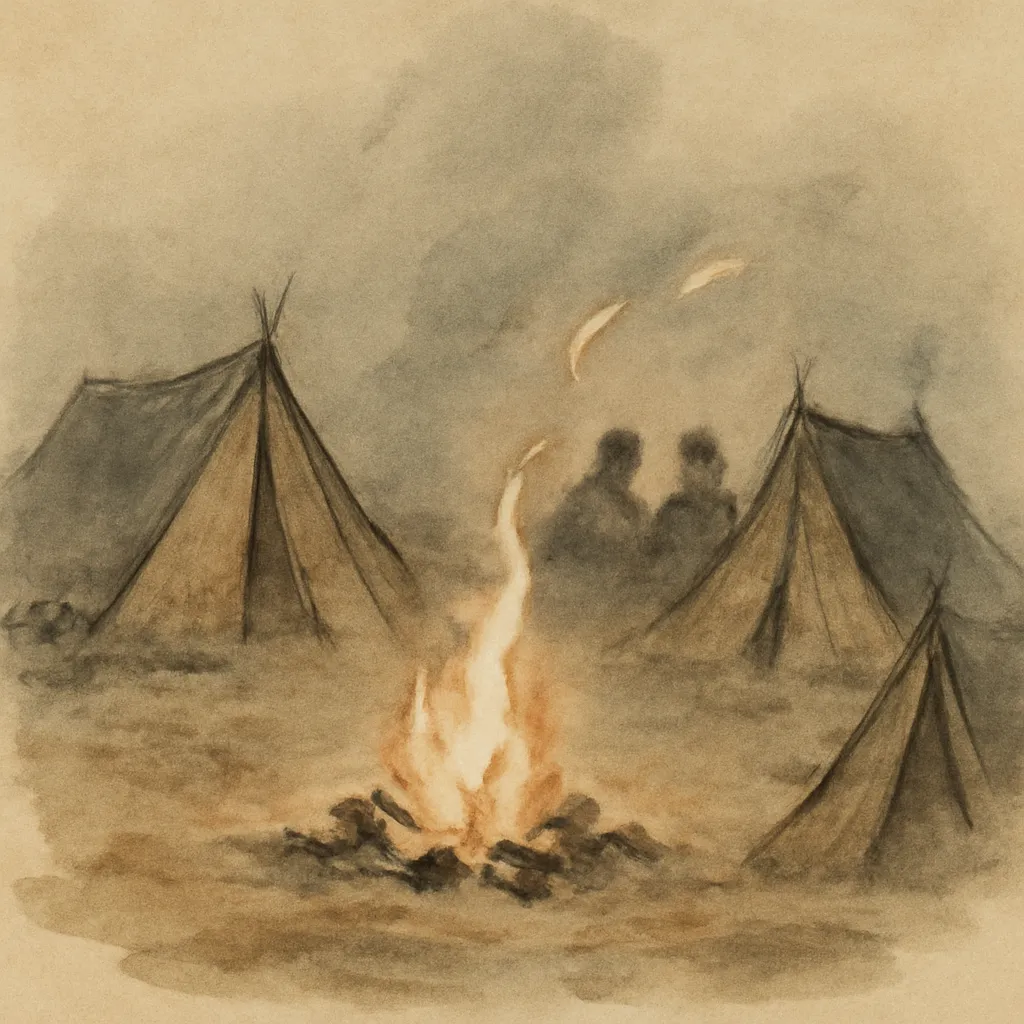
The bond between Bradley and his companions is a vital aspect of their survival. Their camaraderie is tested as they face numerous challenges, from terrifying beasts to the treacherous landscape itself. Moments of humor and lighthearted banter, like Brady's quip about South Clark Street, reveal a shared humanity that sustains them through dire circumstances. This camaraderie is not just a source of comfort; it also reinforces their collective strength in the face of danger. Each member brings unique skills to the group, making their survival a testament to teamwork and mutual support. As they navigate the threats of Caspak, the bonds they forge become as important as their physical capabilities. The story emphasizes that in extreme situations, friendship and loyalty can be as crucial as weapons and tactics.
3.The Nature of Fear
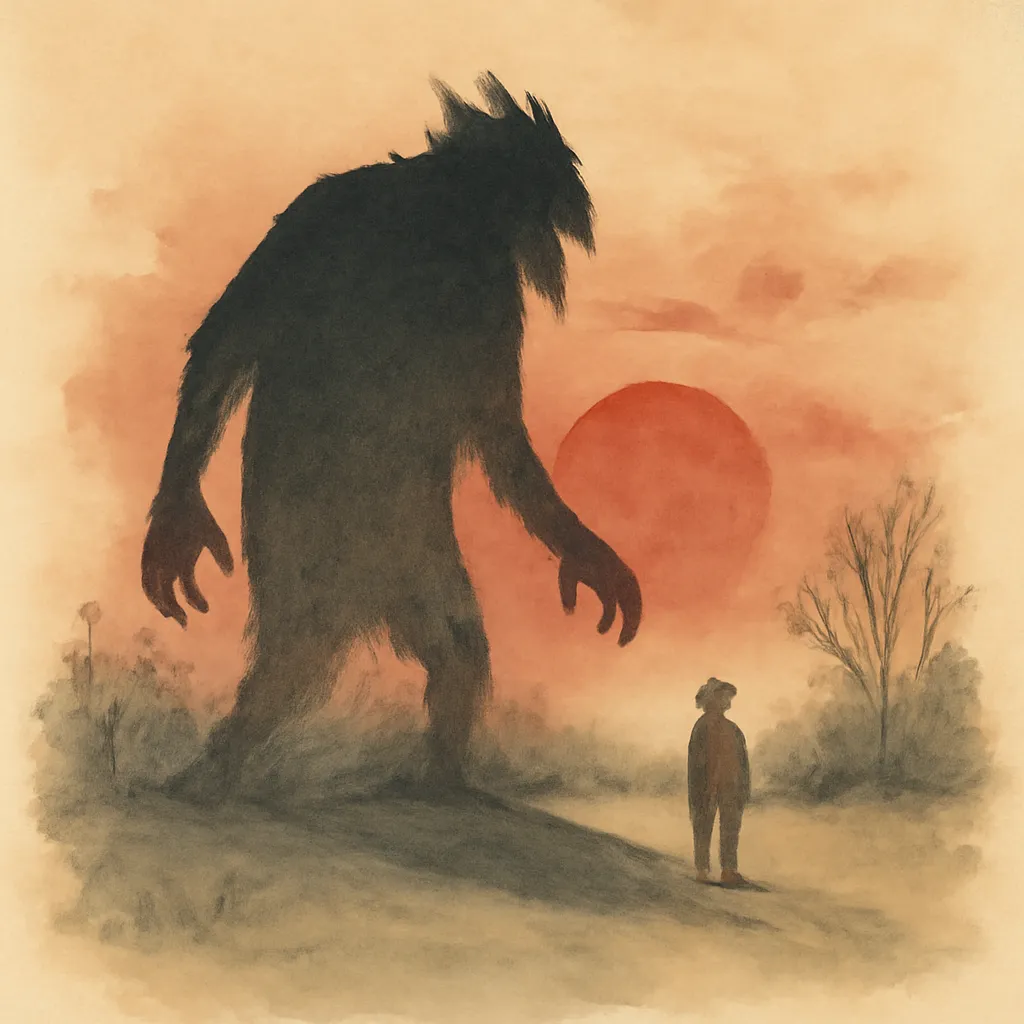
Fear is a constant companion for Bradley and his party, influencing their decisions and actions throughout their journey. Early encounters with monstrous creatures evoke primal dread, yet the men learn to manage their fear rather than succumb to it. For instance, when confronted by a gigantic bear, Bradley's calm demeanor and tactical thinking illustrate how fear can be transformed into a tool for survival. Instead of panicking, he encourages his companions to strategize, demonstrating the importance of maintaining composure in life-threatening situations. This exploration of fear underscores a broader theme: that bravery is not the absence of fear, but the ability to act despite it. Burroughs portrays fear as a natural response that, when harnessed properly, can propel individuals to take decisive actions that might save their lives.
4.The Struggle for Power
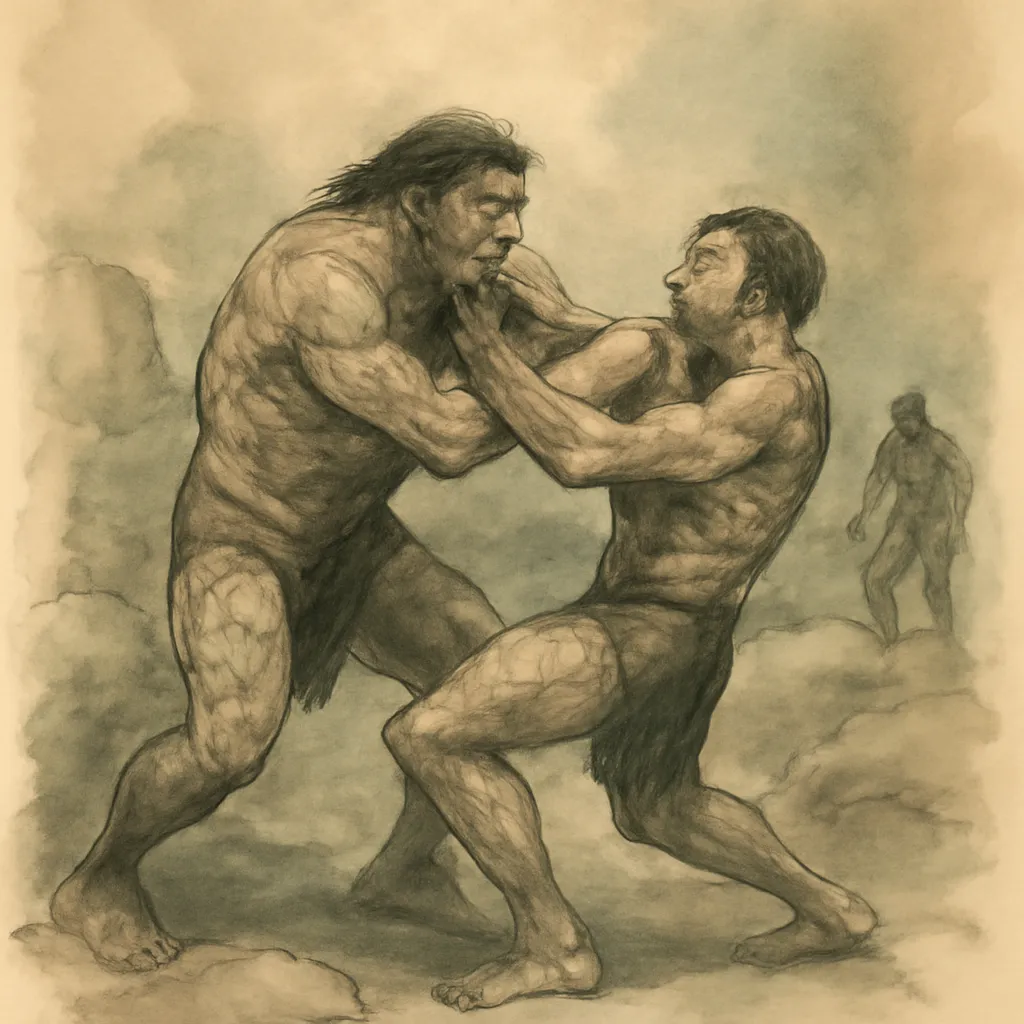
As Bradley and his companions navigate through Caspak, they encounter various factions and power dynamics that reveal the complex social structure of the land. The Wieroos, a group of humanoid creatures, embody a ruthless hierarchy where strength and cunning dictate survival. Their interactions with Bradley highlight the brutal realities of power struggles in a primitive society. The Wieroos' use of decorative skulls and precious stones as symbols of conquest and status further emphasizes this theme. Through their encounters, Burroughs illustrates how power can corrupt and the lengths to which individuals will go to maintain control, making a commentary on the nature of civilization itself. The interactions between Bradley and the Wieroos expose the deep-seated issues of domination and submission, showcasing how easily the balance of power can shift in a world governed by the law of the jungle.
5.Isolation and Desperation
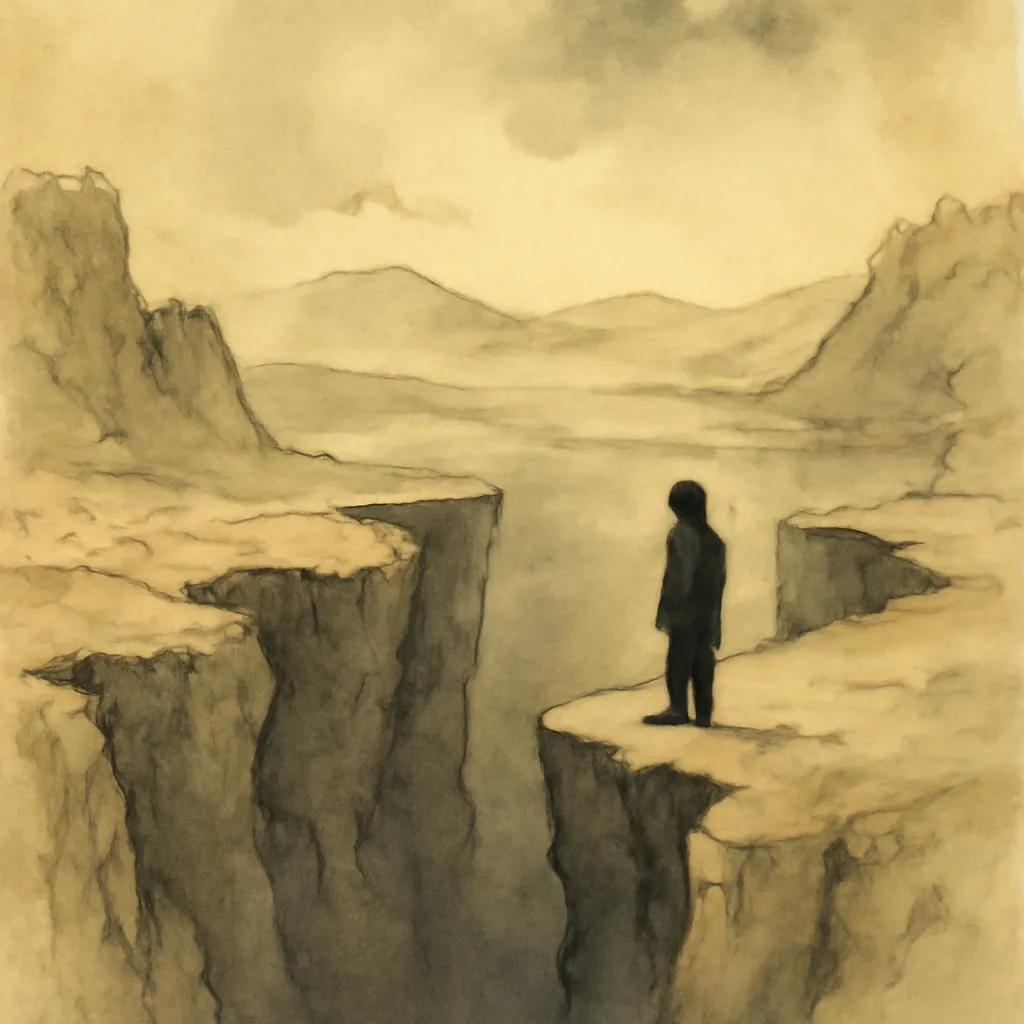
As time passes in Caspak, the sense of isolation grows more pronounced for Bradley and his companions. The initial excitement of adventure gives way to a deeper understanding of their precarious situation. They face not only external threats but also the toll that isolation takes on their spirits. As weeks turn into months, their hopes for rescue diminish, leading to a sense of desperation. This emotional landscape is crucial to understanding the characters' motivations and actions. Their struggle against the elements and the unknown mirrors the internal battles they face, revealing the psychological impact of living in a hostile environment. The narrative poignantly captures how isolation can warp one's perspective, pushing individuals to their limits. Burroughs uses these changes to explore themes of hope and despair, highlighting how the human spirit can endure through even the toughest circumstances.
6.The Role of Intelligence and Resourcefulness
Bradley's resourcefulness becomes a defining trait as he adapts to the challenges posed by Caspak. His ability to innovate and create tools for survival reflects the importance of intelligence in overcoming adversity. For example, he teaches the girl he encounters to swim, illustrating not only a survival skill but also the transfer of knowledge as a means of empowerment. Their shared experiences foster a deeper connection, highlighting the human capacity for adaptation and learning. Burroughs emphasizes that survival is not solely about physical strength but also about ingenuity and the ability to think critically in high-pressure situations. Bradley's creative problem-solving skills, from crafting weapons to devising escape plans, showcase the necessity of intelligence in navigating an unpredictable world where reliance on brute strength alone can lead to disaster.
7.Cultural Encounters and Understanding
The interactions between Bradley and the various inhabitants of Caspak reveal the complexities of cultural exchange. As he encounters the Wieroos and other groups, he grapples with their customs and behaviors, often facing misunderstandings and conflicts. This theme of cultural encounters underscores the importance of empathy and communication in bridging divides. When Bradley is captured by the Wieroos, he must navigate their societal norms to survive. His experiences highlight the challenges of understanding different cultures and the potential for conflict when values clash. Through these encounters, Burroughs prompts readers to reflect on the broader implications of cultural understanding in our own world. The richness of Caspak's diverse cultures serves as a microcosm for the real-world interactions between different societies, emphasizing the necessity of dialogue and openness in overcoming prejudices and fostering coexistence.
8.The Duality of Nature
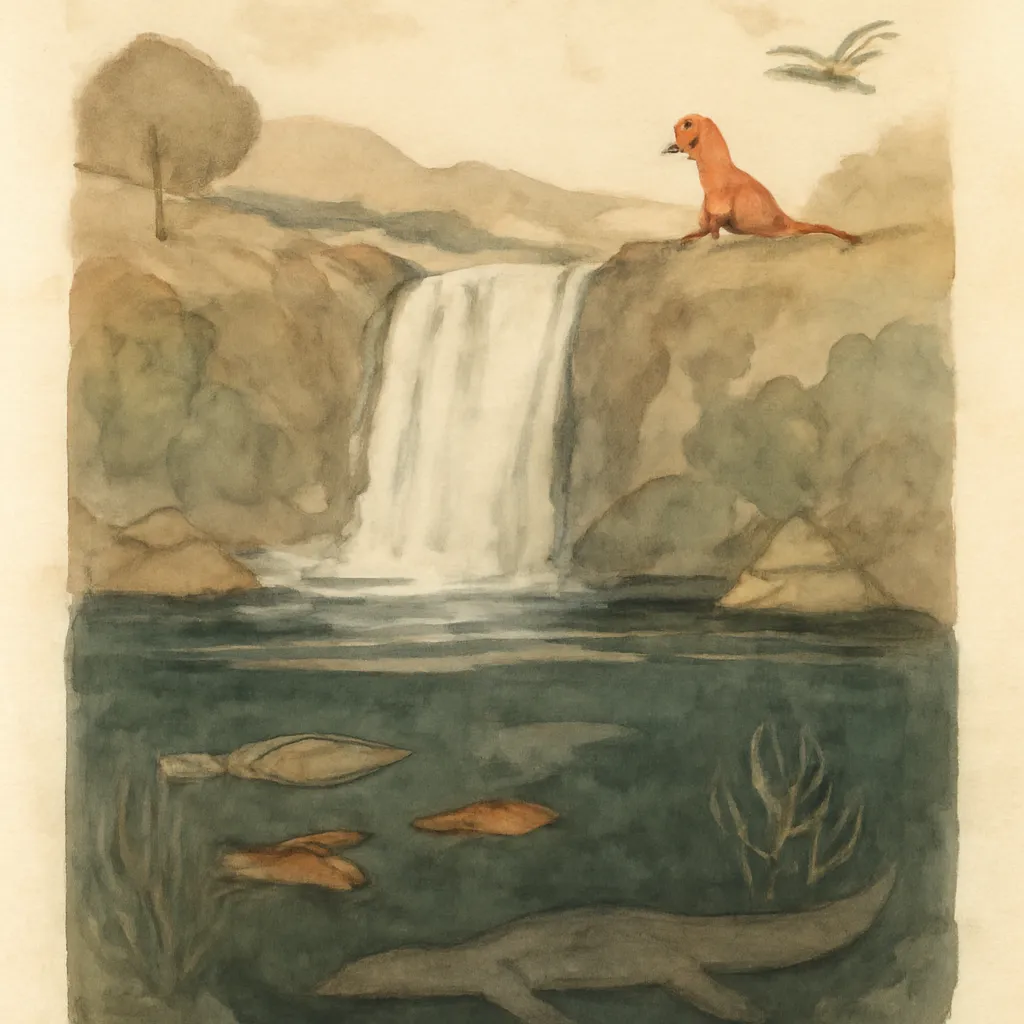
Caspak serves as a character in its own right, embodying both beauty and danger. The lush landscapes and vibrant ecosystems contrast sharply with the lethal creatures that inhabit them, creating a duality that permeates the narrative. This juxtaposition reflects the broader theme of nature's indifference to human struggles. Burroughs paints a vivid picture of the environment, where every breathtaking view is overshadowed by the lurking threats that can emerge at any moment. This complex relationship with nature serves as a reminder of humanity's vulnerability, prompting readers to consider their place within the natural world. The beauty of Caspak is intoxicating, yet it is a beauty fraught with peril. By showcasing this duality, Burroughs encourages readers to appreciate both the serenity and the harsh realities of nature, and to recognize that wilderness often comes hand in hand with danger.
9.Hope and Despair in Extreme Conditions
Throughout their ordeal, Bradley and his companions oscillate between hope and despair, a reflection of the human condition when faced with insurmountable odds. Their initial optimism gradually wanes as they confront the harsh realities of survival in Caspak. Burroughs skillfully captures these emotional highs and lows, making readers empathize with the characters' plight. Moments of hope often arise from small victories, such as successful hunts or the construction of their shelter, while despair creeps in during encounters with the Wieroos or when food supplies dwindle. This emotional rollercoaster underscores the resilience of the human spirit, as Bradley and his companions cling to hope even when the situation seems bleak. The narrative suggests that even in the darkest times, finding small reasons to hope can be pivotal in maintaining one’s will to survive.
10.The Quest for Freedom
The overarching narrative of 'Out of Time's Abyss' revolves around the quest for freedom—freedom from captivity, from fear, and from the constraints of a hostile environment. As Bradley and the girl seek to escape the clutches of the Wieroos, their journey becomes a metaphor for the struggle against oppression. The desire for autonomy drives their actions, influencing their decisions and strategies. This quest for freedom is not just physical; it also represents a longing for self-determination and agency in a world that often feels chaotic and uncontrollable. Burroughs weaves this theme throughout the story, emphasizing that the fight for freedom is a fundamental aspect of the human experience. The characters’ struggles serve as a reminder of the lengths individuals will go to reclaim their rights and assert their humanity in the face of overwhelming odds.