1.The Immigrant Experience and Displacement
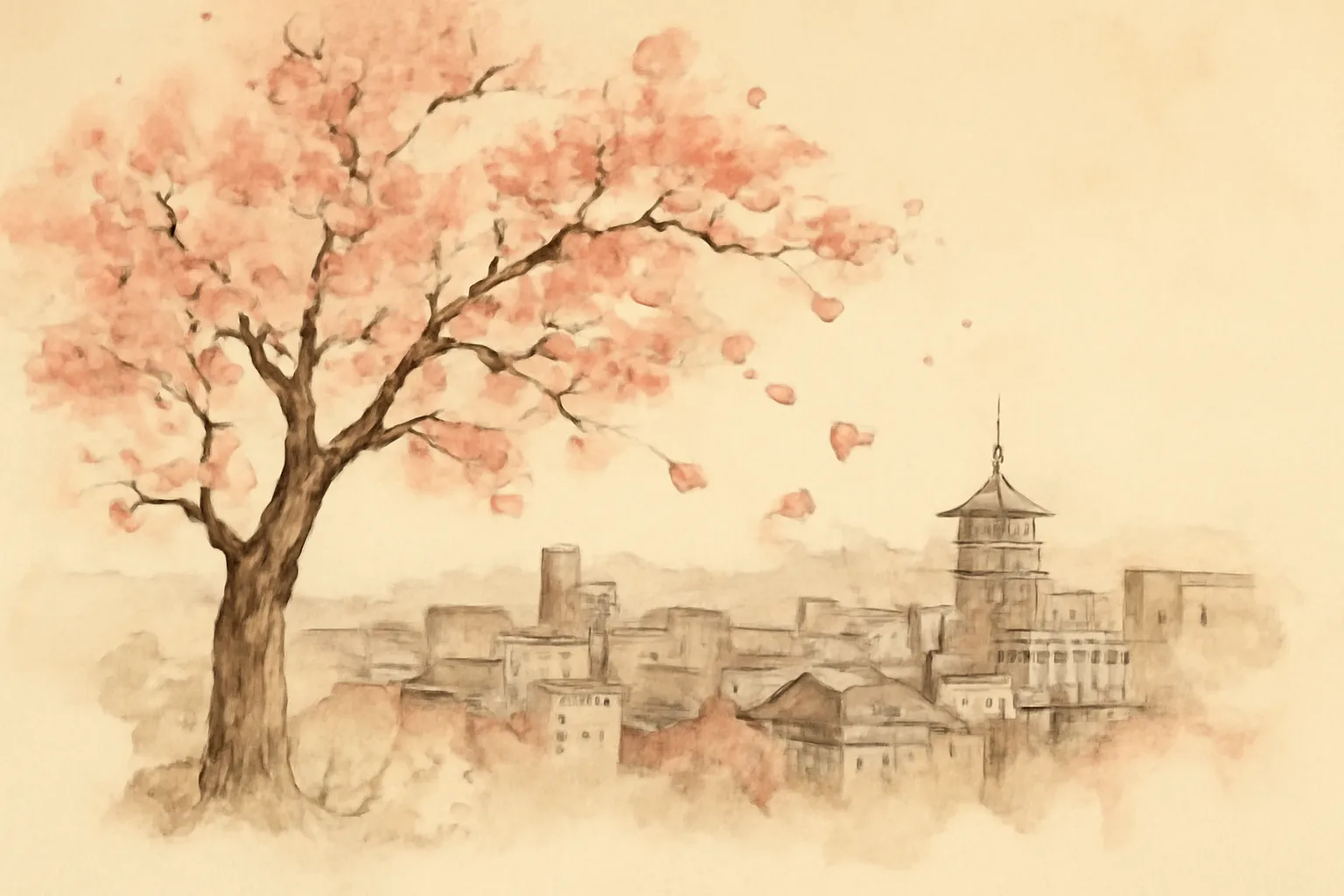
At its heart, Pachinko is about what it means to live as an outsider. Through Sunja and her descendants, Min Jin Lee explores the persistent sense of displacement Koreans faced in Japan, where they were often marginalized regardless of how long they lived there. The novel shows how immigration is not just a physical journey but an ongoing negotiation of identity, belonging, and survival in a society that may never fully accept you.
2.Family as Anchor and Burden
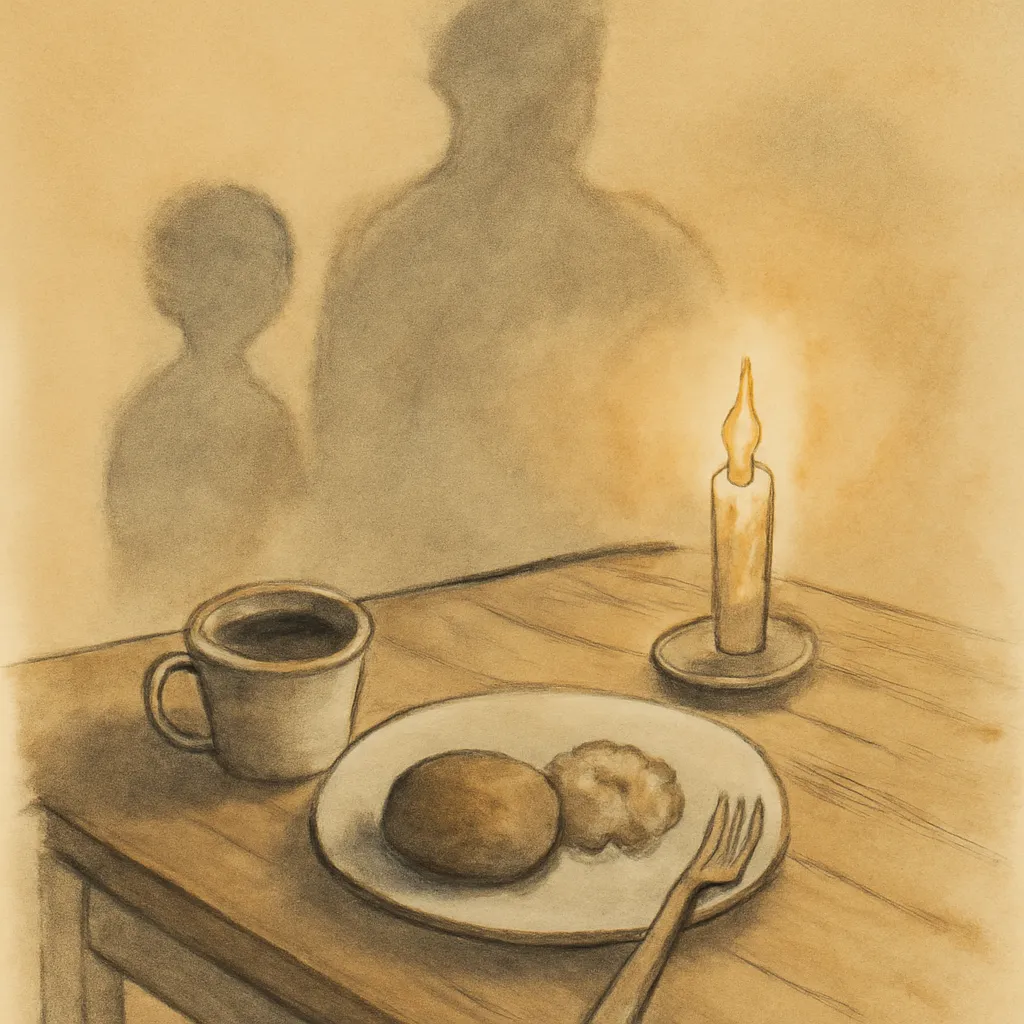
Family loyalty is both a source of strength and a heavy responsibility in Pachinko. The sacrifices made by each generation—especially the women—highlight how familial duty can shape, and sometimes limit, personal ambition. The characters’ choices are rarely just their own; they ripple through the family, binding them together in love, pain, and obligation.
3.Historical Invisibility and Marginalization
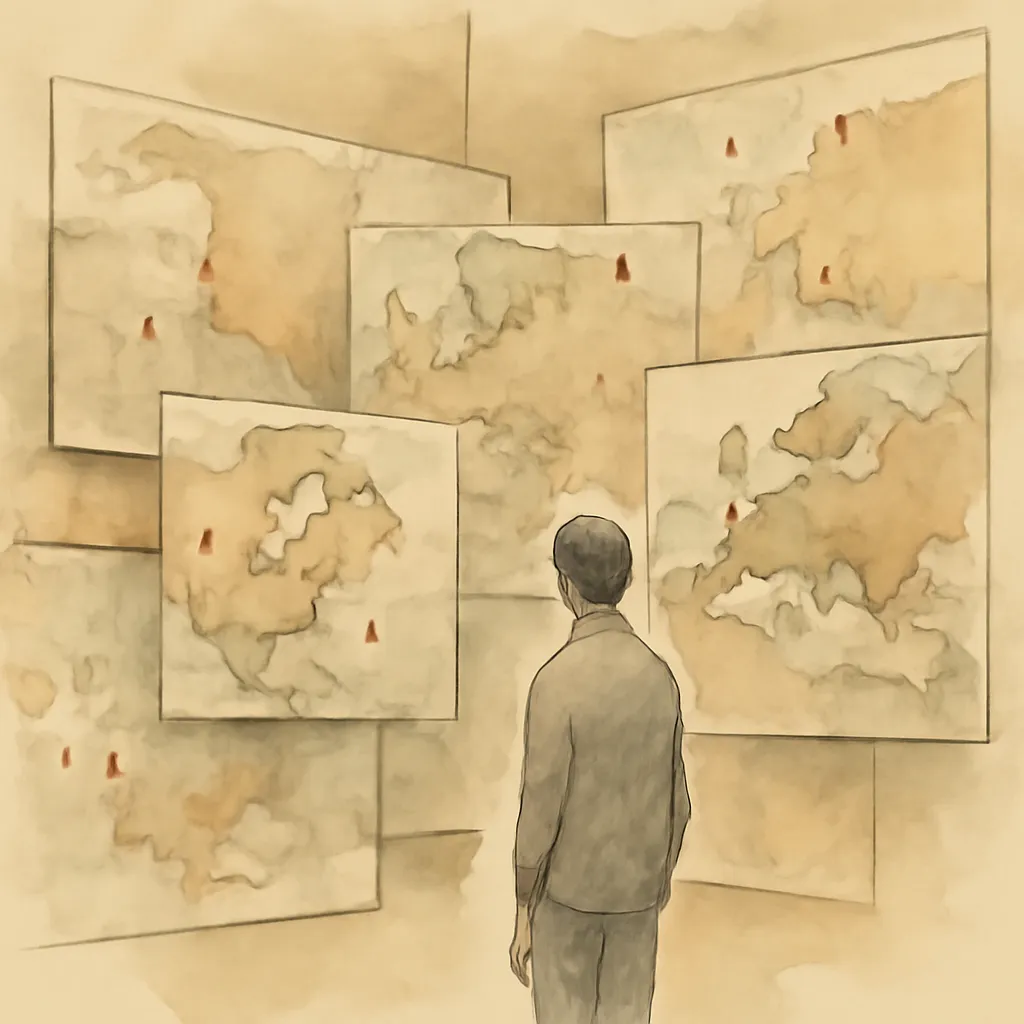
Lee brings to light the often-overlooked history of Koreans in Japan, particularly during the Japanese occupation of Korea and the decades that followed. The novel exposes the institutionalized discrimination and legal barriers faced by Zainichi Koreans, challenging readers to consider whose stories are told and remembered in mainstream history.
4.Resilience in the Face of Indifference
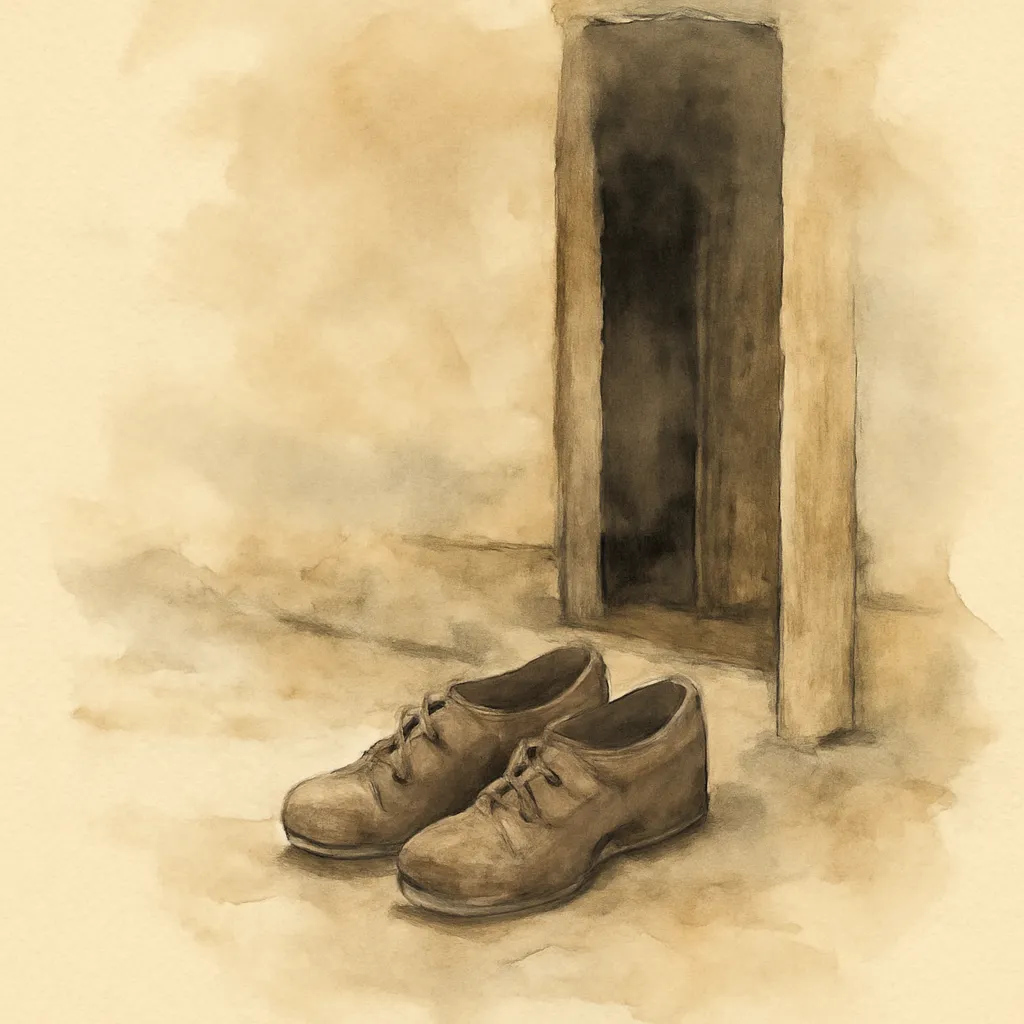
Despite the indifference and sometimes cruelty of the world around them, Sunja’s family perseveres. The pachinko parlor—a recurring motif—symbolizes both chance and persistence, as the family navigates a society that is often rigged against them. Their endurance becomes a quiet form of resistance, a testament to the human capacity to adapt and survive.
5.The Complexity of Identity
Identity in Pachinko is layered and shifting. Characters grapple with questions of nationality, ethnicity, language, and class. The novel resists simple answers, instead portraying identity as something forged in the crucible of history, family, and personal choice, often at great cost.
6.Sacrifice and the Cost of Survival
Survival in Pachinko comes with a price—sometimes pride, sometimes dreams, sometimes love. The novel is unflinching about the compromises its characters must make, yet it also honors their agency and the dignity in their choices, however constrained those choices may be.