1.The Human Body vs. Space
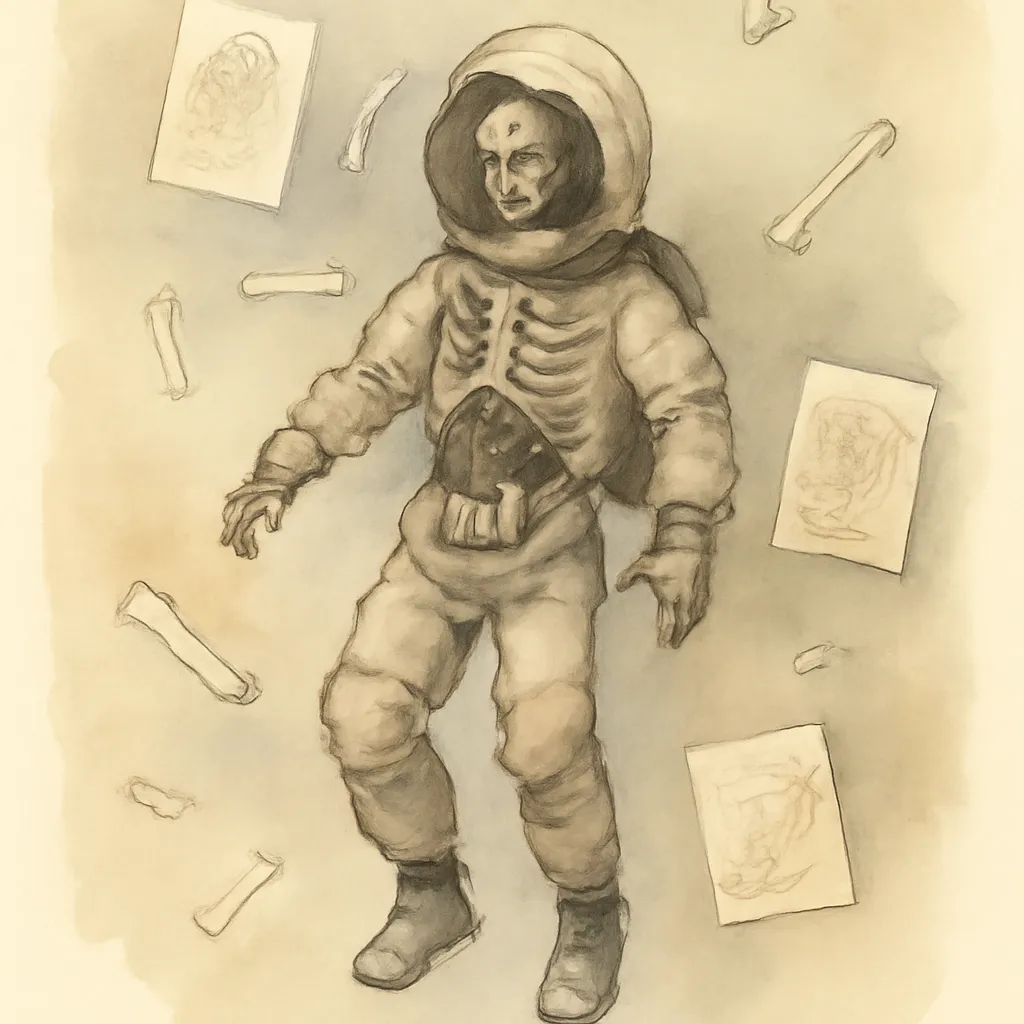
Roach investigates how the human body copes—or fails to cope—with the harsh environment of space. She details the physiological challenges astronauts face: bone loss, muscle atrophy, and the havoc microgravity wreaks on digestion and circulation. The book makes clear that space is fundamentally inhospitable, and every bodily function we take for granted on Earth becomes a complex engineering problem in orbit.
2.The Psychology of Isolation
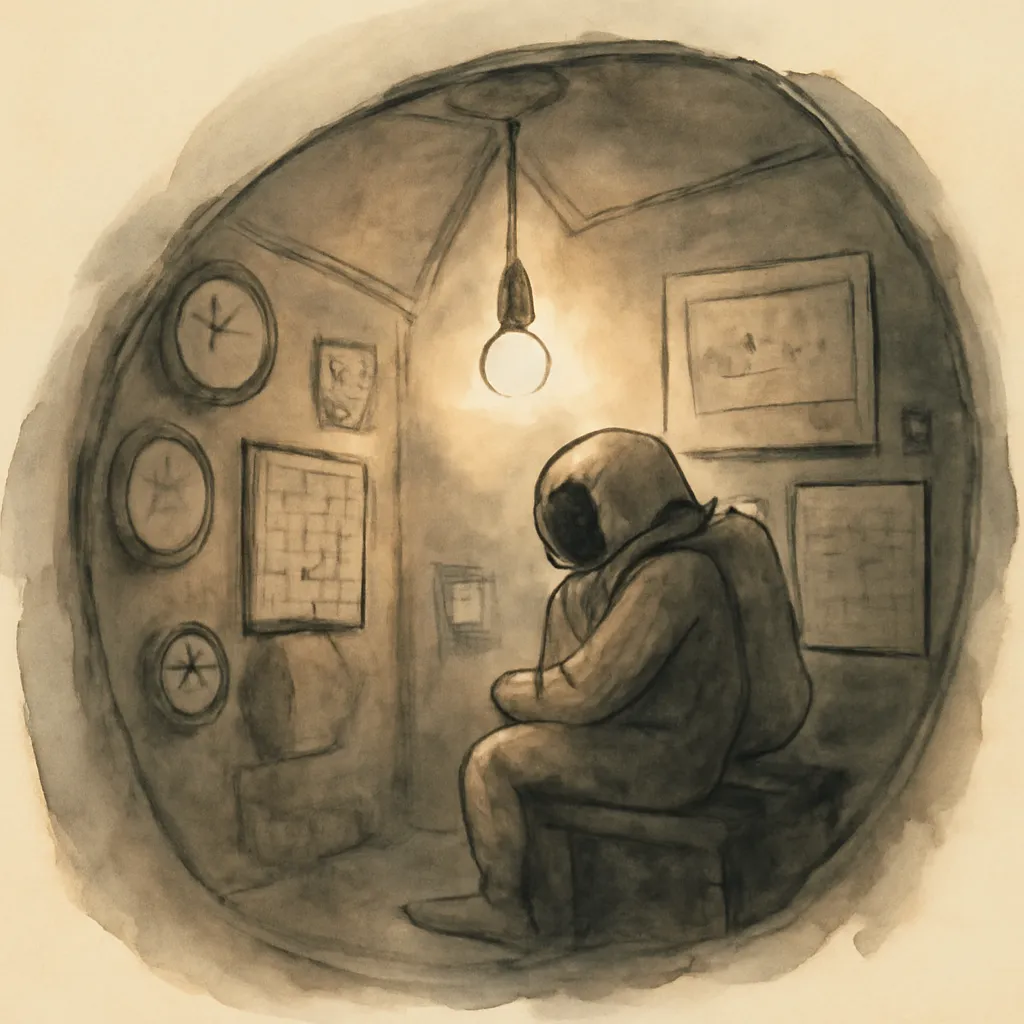
Space missions are as much a psychological challenge as a physical one. Roach delves into the effects of confinement, monotony, and lack of privacy on astronauts, drawing from both real missions and ground-based simulations. She highlights how agencies select and prepare candidates for the mental strains of isolation, and how even the smallest comforts—like a familiar smell or a private moment—can become crucial to sanity.
3.Engineering the Everyday
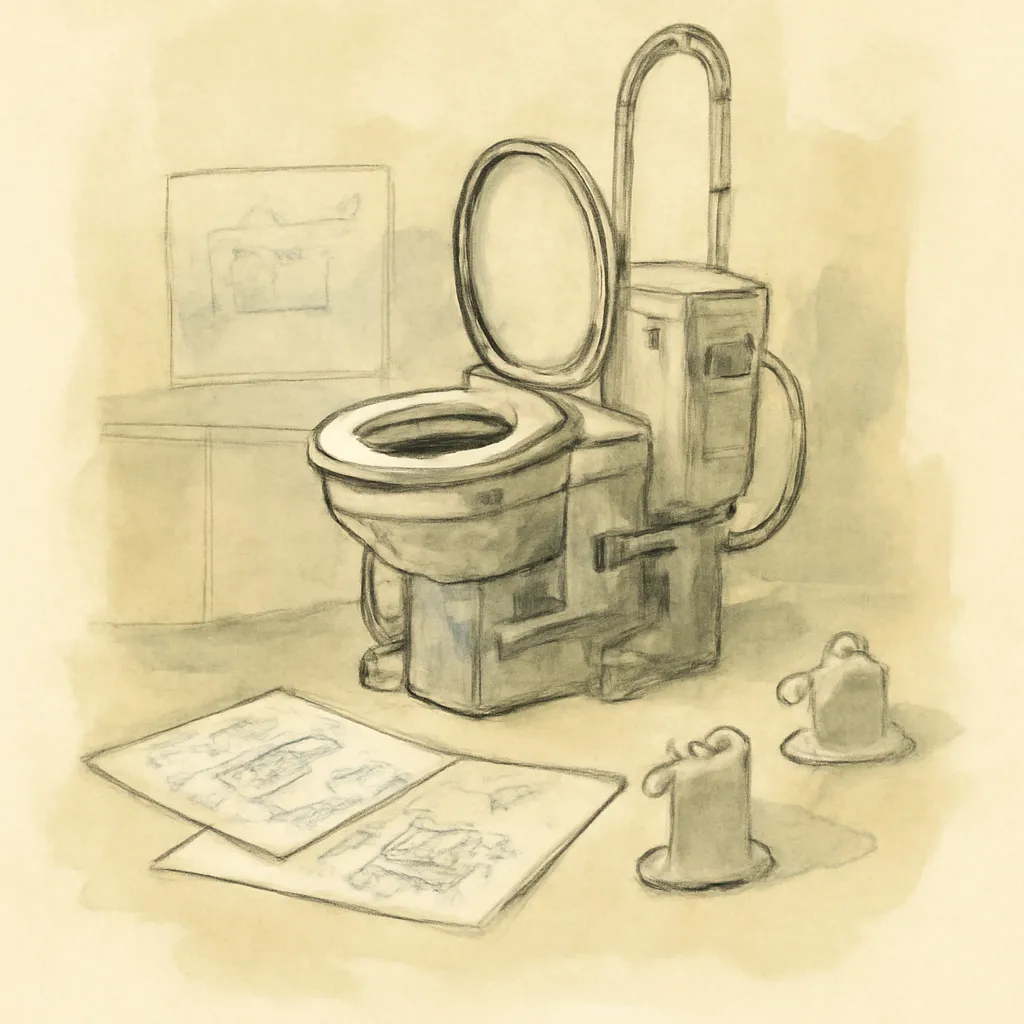
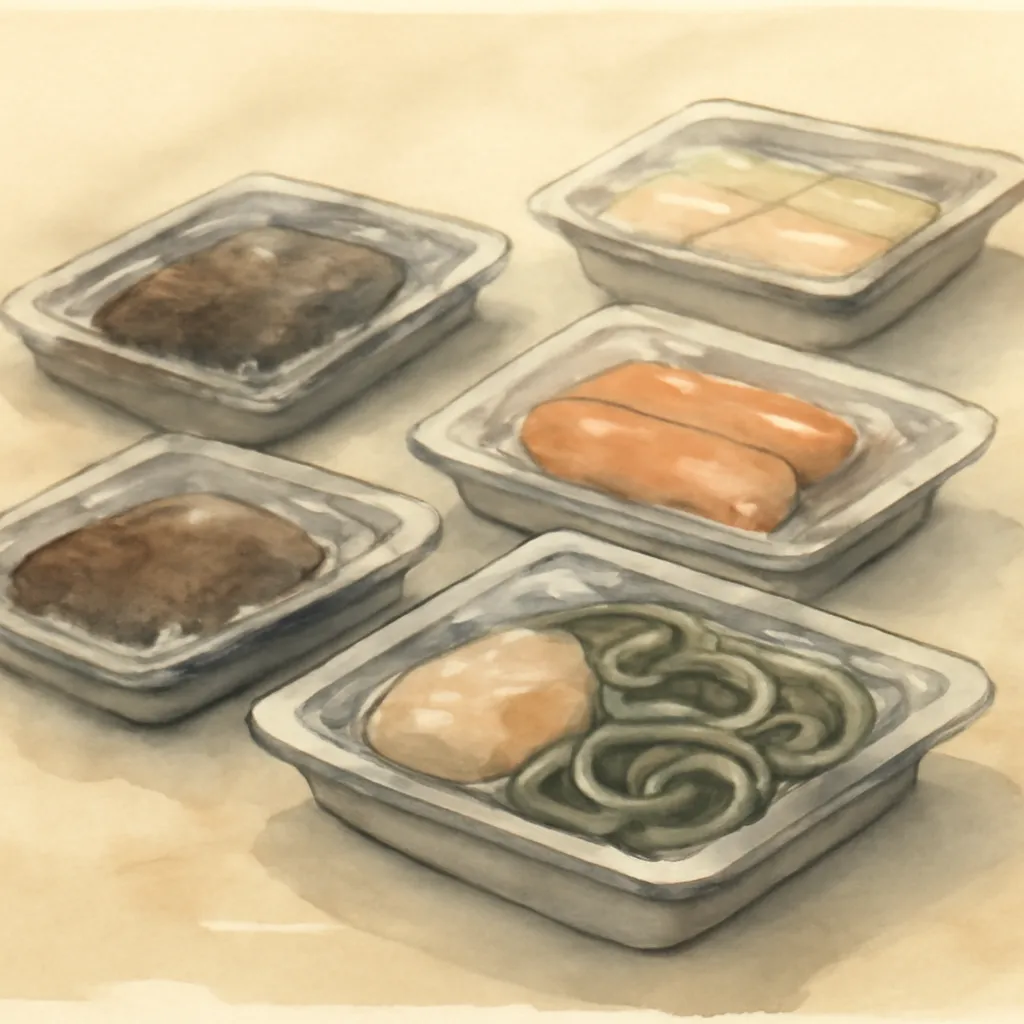
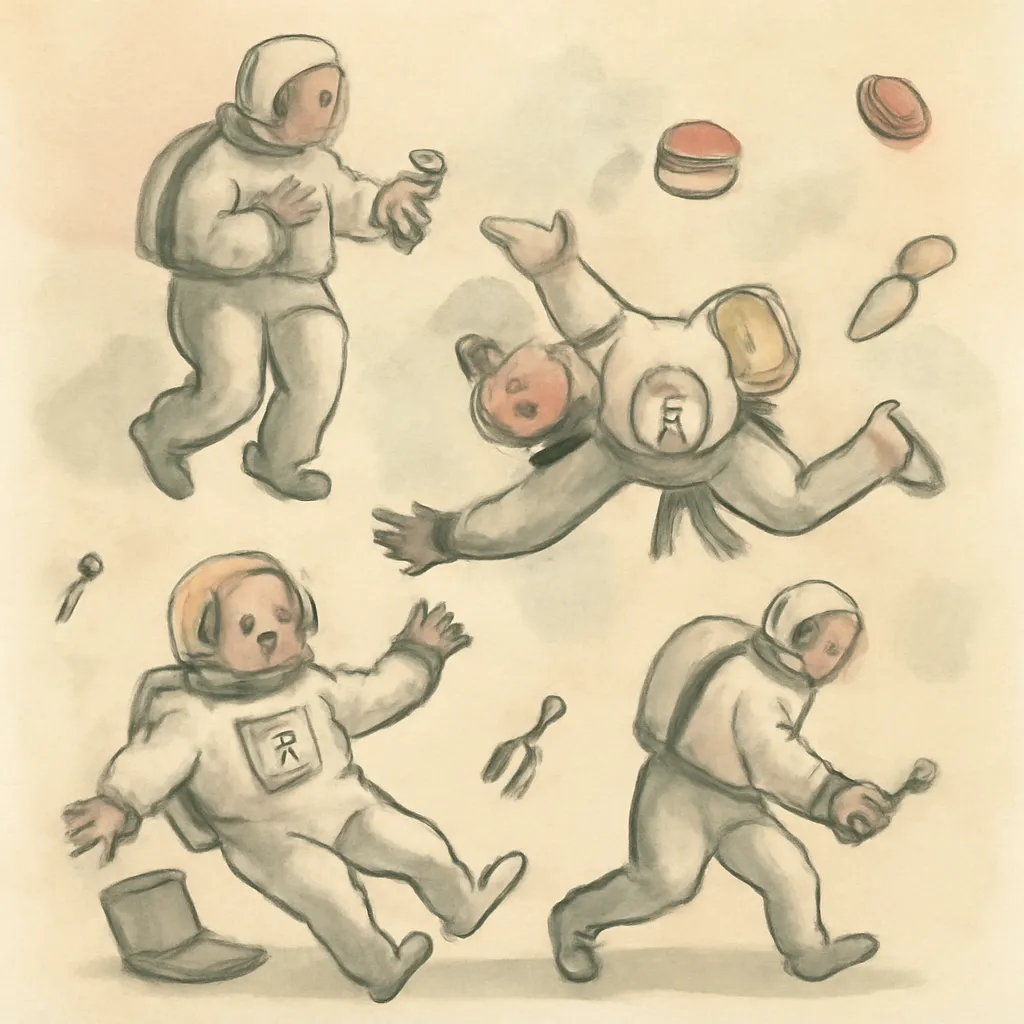
Packing for Mars shines when it explores the extraordinary efforts required to manage the mundane: eating, sleeping, going to the bathroom. Roach describes the trial-and-error behind space toilets, zero-gravity food, and waste management, showing how these 'unsexy' problems are central to mission success. The book reveals that the path to Mars is paved with questions about crumbs, flatulence, and hygiene.
4.Testing Without Leaving Earth
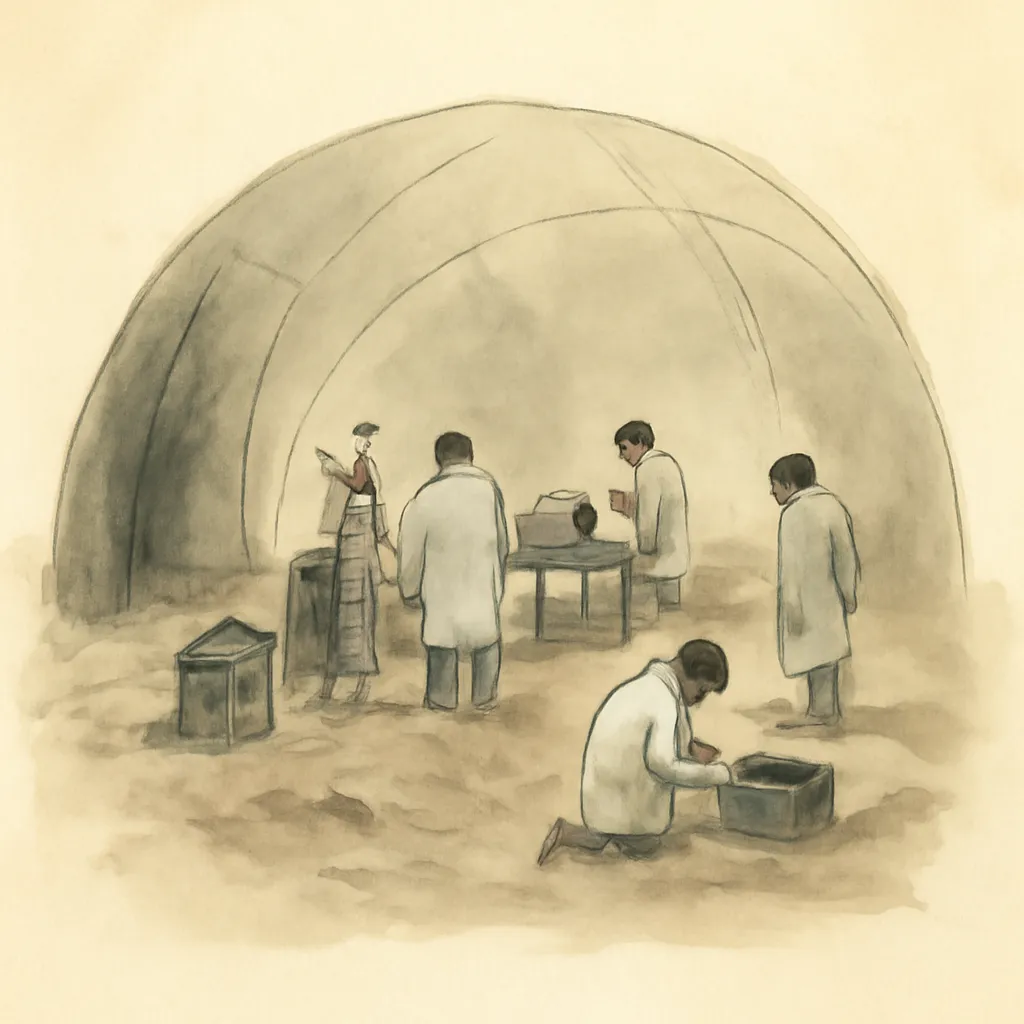
Roach uncovers the elaborate simulations and experiments that stand in for real space travel. From parabolic flights to bed-rest studies and crash tests, she shows how scientists replicate the conditions of space on Earth to anticipate problems and train astronauts. This behind-the-scenes look underscores the creativity and persistence required to prepare for the unknown.
5.The Limits of Adaptation
A recurring theme is the question: how much discomfort, risk, and weirdness can humans endure? Roach examines the boundaries of what people are willing to tolerate for the sake of exploration, from eating unappetizing food to enduring months without privacy. The book suggests that the greatest challenge of space travel may not be technical, but human adaptability.
6.Humor as a Survival Tool
Roach’s irreverent, humorous approach mirrors a key survival strategy in space: the ability to laugh at the absurd. Her interviews with astronauts and scientists reveal that humor helps people cope with stress, embarrassment, and the sheer strangeness of life off-planet. The book itself becomes a testament to the value of levity in confronting daunting challenges.