1.The Class Spectrum of Early Christians
Contrary to the common belief that Christianity only appealed to the lower classes in ancient Rome, evidence suggests that the faith found acceptance among the elite. The Acilii Glabriones family, including consul Manius Acilius, exemplifies this trend, with members facing persecution for their beliefs. The discovery of Manius's tomb highlights the risks taken by nobility in professing their faith openly, revealing a complex social dynamic where public office and Christian devotion coexisted, albeit precariously. The early Church's ability to attract influential figures indicates that Christianity was not merely a refuge for the oppressed but a movement that resonated with various segments of Roman society. This nuanced understanding of early Christian demographics challenges simplistic narratives and underscores the faith's broader appeal during its formative years.
2.Pagan Shrines as Artistic Galleries
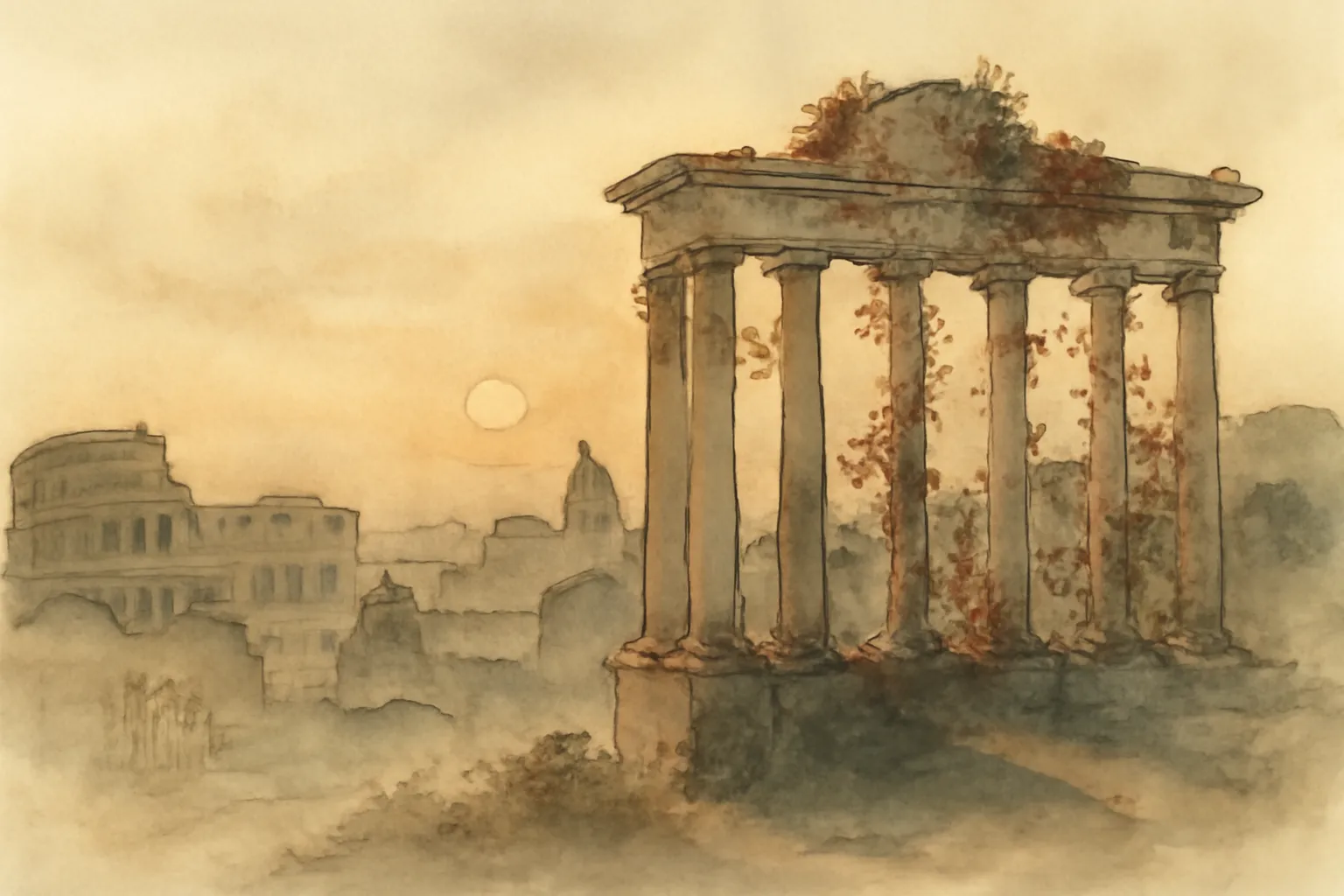
Lanciani emphasizes the role of ancient temples not just as places of worship but as vibrant galleries of art. Temples were adorned with exquisite sculptures, jewelry, and offerings, showcasing the wealth and artistic achievements of Roman culture. The altars and shrines, such as the ara pacis Augustae and the ara maxima Herculis, served as focal points for public devotion and artistic expression. Recent excavations have unearthed vast stores of ex-votos, revealing the deep personal connections Romans had with their deities. This artistic richness was later repurposed by the early Christians, who transformed these pagan spaces into places of Christian worship, blending classical art with new religious meanings. This transition exemplifies how the early Church navigated the cultural landscape of Rome, adopting and adapting existing traditions to establish its own identity.
3.Evolution of Churches from Private Spaces
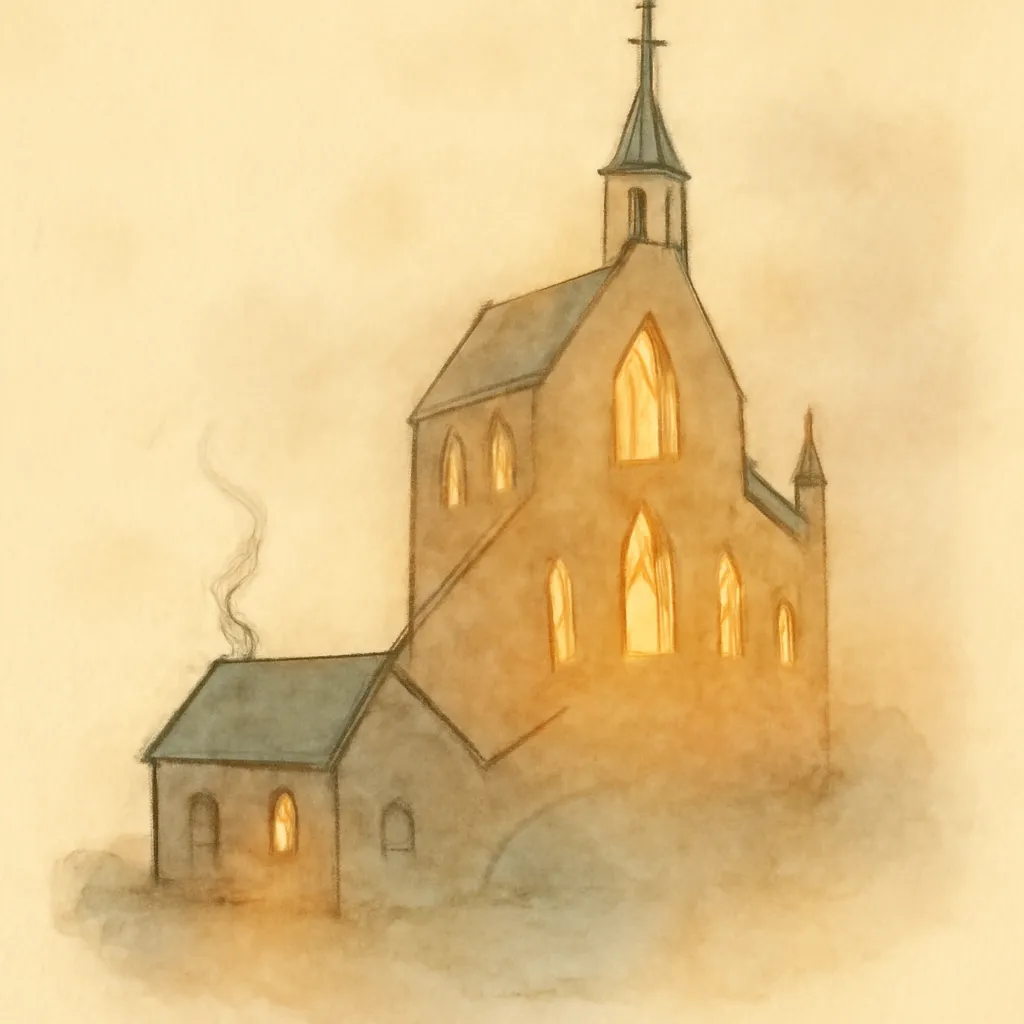
The early Christian church evolved from private oratories and memorial services to grand public spaces, reflecting its growing acceptance and influence. Lanciani categorizes the first churches into six classes, highlighting the gradual transition from private homes to communal worship sites. The houses of Pudens and Prisca illustrate how personal spaces were transformed into sacred sites, paving the way for the construction of larger basilicas over the tombs of martyrs. The origins of St. Peter's Basilica, built over the site of Peter's martyrdom, underscore the significance of martyrdom in early Christian identity. This evolution not only signifies the physical expansion of the Church but also represents a shift in social dynamics, as Christians began to assert their presence in a city long dominated by paganism.
4.Christian Adaptation of Pagan Customs
The early Church's willingness to adopt and adapt pagan customs facilitated its integration into Roman society. Rituals and festivals associated with pagan traditions were reinterpreted within a Christian framework, allowing for a smoother transition for converts. For instance, the transformation of pagan rose-festivals into Christian celebrations illustrates this adaptive strategy. The early Christians' desire to beautify their churches with classical art not only served aesthetic purposes but also aimed to communicate Christian ideals through familiar imagery. This blending of traditions created a unique cultural landscape where pagan and Christian elements coexisted, demonstrating the Church's pragmatic approach to establishing itself in a complex religious environment.
5.The Architecture of Power: Imperial and Papal Tombs
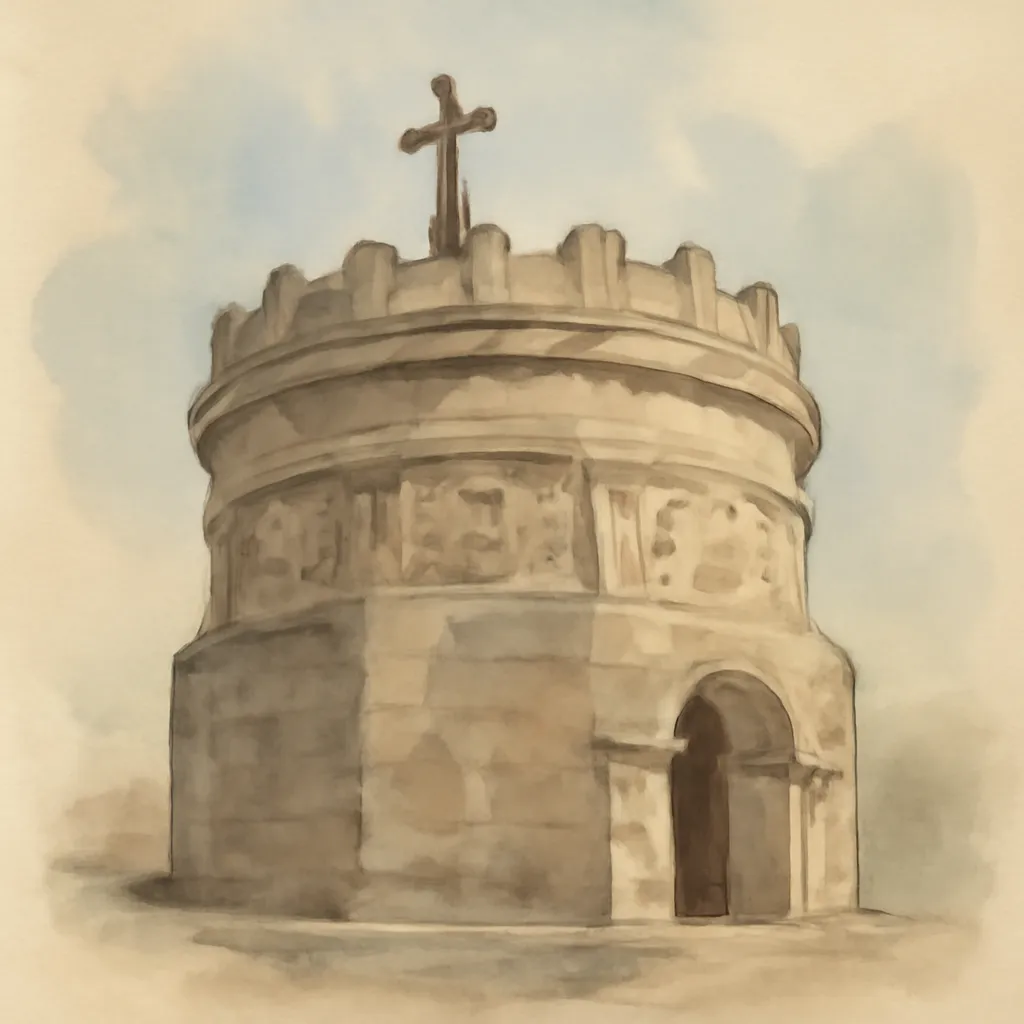
Lanciani delves into the significance of tombs in both pagan and Christian contexts, emphasizing their role as symbols of power and legacy. The mausoleum of Augustus serves as a prime example, showcasing how imperial tombs were designed to convey the grandeur of the emperor's reign. The transition to papal tombs reflects a shift in authority, where the Church began to assert its dominance in a city once ruled by emperors. The tombs of early popes, such as Gregory the Great and Cornelius Martyr, reveal the importance of martyrdom and sanctity in establishing the Church's narrative. The architectural evolution from grand imperial mausoleums to more humble Christian burials illustrates the changing values within Roman society and the emerging significance of spiritual authority over temporal power.
6.The Role of Cemeteries in Cultural Identity
Cemeteries served as vital cultural and religious spaces in ancient Rome, reflecting the evolving attitudes towards death and the afterlife. Lanciani explores the dual burial practices of inhumation and cremation, noting the gradual predominance of cremation in pagan traditions. The columbaria, or burial niches, found in various cemeteries provide insight into the communal aspects of Roman funerary practices. As Christianity emerged, the preference for underground cemeteries signified a shift in beliefs about death and resurrection. The catacombs, with their elaborate frescoes and inscriptions, became sacred spaces that not only honored the dead but also served as sites of worship and pilgrimage. This transformation of burial practices underscores the interplay between cultural identity and religious belief, as the early Christians sought to establish a distinct identity in a city rich with pagan traditions.
7.The Catacombs: A Refuge for Early Christians
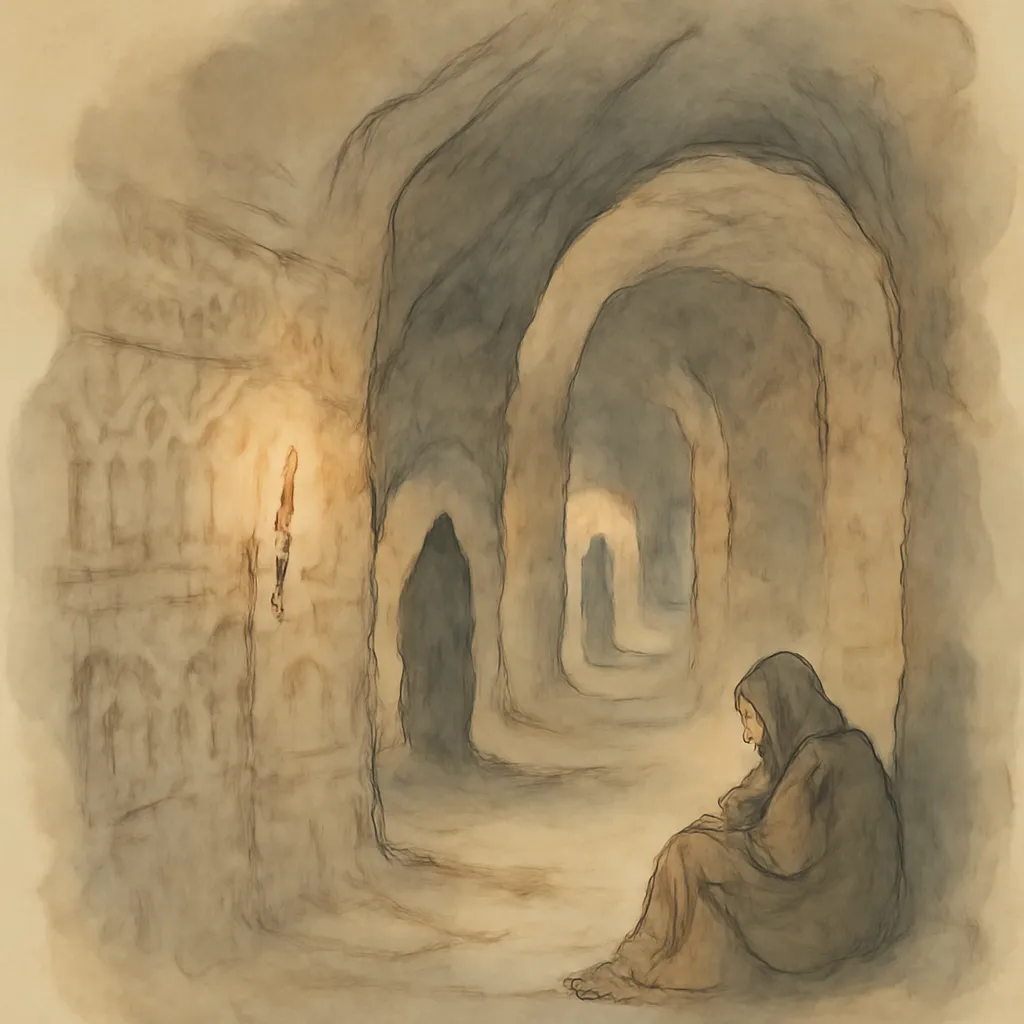
The catacombs of Rome represent a crucial aspect of early Christian life, providing both a burial ground and a sanctuary during periods of persecution. Lanciani details the origins and extent of these underground cemeteries, which were initially created for safety and anonymity. As the Church grew, the catacombs became sites of veneration, where martyrs were buried and pilgrims sought solace. The vastness of the catacombs, with their intricate networks of tunnels and chambers, reveals the early Christians' commitment to preserving their faith amid adversity. The artistic treasures found within these spaces, including frescoes and inscriptions, highlight the rich cultural heritage of early Christianity. The eventual neglect of the catacombs from the ninth to the sixteenth century speaks to the shifting dynamics of power and faith in Rome, as the catacombs were rediscovered and reinterpreted in the Renaissance.
8.The Interplay of Law and Religion in Burial Practices
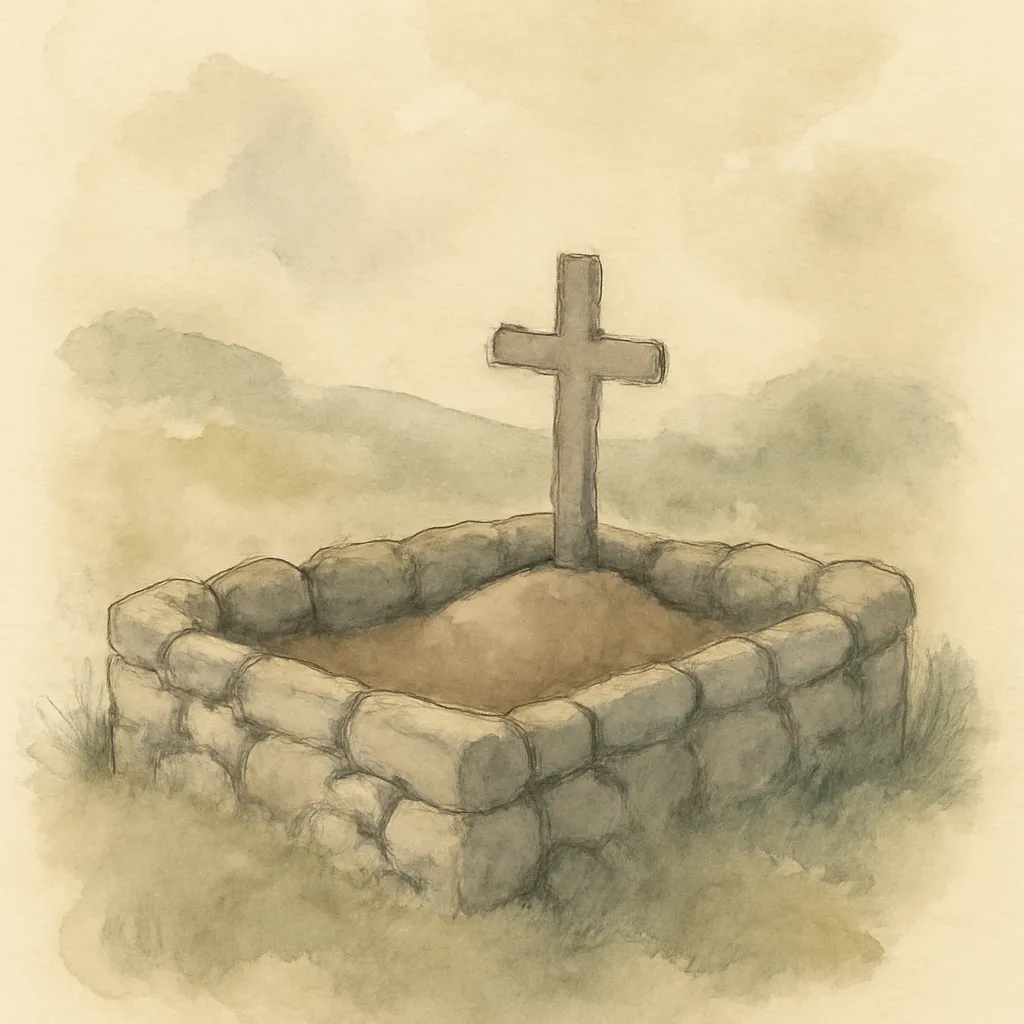
The Roman legal system played a pivotal role in shaping burial practices for both Christians and pagans, establishing the sanctity of tombs across all creeds. Lanciani discusses the legal protections afforded to burial sites, which ensured that tombs remained inviolable regardless of the deceased's beliefs. This legal framework provided a level of security for early Christians, allowing them to establish their cemeteries without fear of desecration. However, the complexities of these legal protections also meant that Christians had to navigate a delicate balance between their faith and the prevailing pagan norms. The eventual acceptance of Christian burial practices within the city walls marked a significant turning point, reflecting the growing influence of Christianity in a once-pagan society. This interplay between law and religion underscores the broader societal changes taking place during the transition from paganism to Christianity.
9.The Artistic Legacy of Pagan and Christian Rome
The artistic legacy of Rome during the transition from paganism to Christianity is marked by a rich synthesis of styles and traditions. Lanciani highlights how early Christians repurposed pagan art forms, imbuing them with new meanings that aligned with Christian theology. This artistic dialogue is evident in the frescoes of the catacombs, which blend classical iconography with Christian themes, creating a unique visual language. The adaptation of classical motifs in church architecture further illustrates this artistic evolution, as basilicas incorporated elements from ancient temples. This blending of styles not only served to attract converts but also established a visual continuity that connected the new faith with the grandeur of Rome's past. The resulting artistic heritage reflects the dynamic interplay between two belief systems, shaping the cultural landscape of Rome for centuries to come.
10.The Transformation of Public Spaces
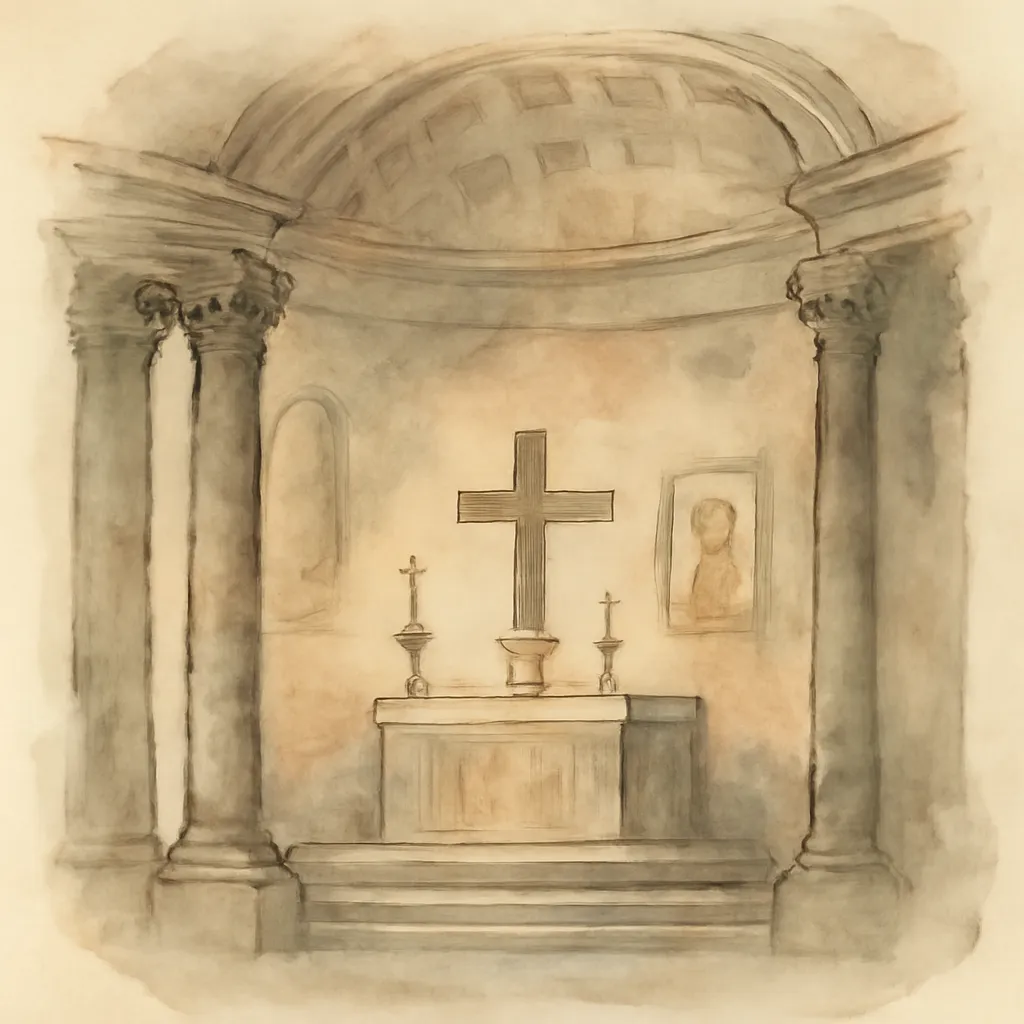
As Christianity took root in Rome, public spaces underwent a significant transformation. Lanciani discusses how pagan temples and monuments were repurposed for Christian worship, reflecting the Church's adaptive strategies. The conversion of pagan altars into Christian shrines allowed for a seamless transition, where familiar sites of devotion became places for Christian rituals. This transformation extended to public festivals and celebrations, where pagan customs were reinterpreted within a Christian context. The establishment of public standards of weights and measures in basilicas further illustrates the Church's integration into the fabric of Roman life. This reimagining of public spaces not only facilitated the Church's acceptance but also reshaped the cultural landscape of Rome, marking a new era where Christian values began to permeate everyday life.