1.The Fall as a Tragic Hero's Journey
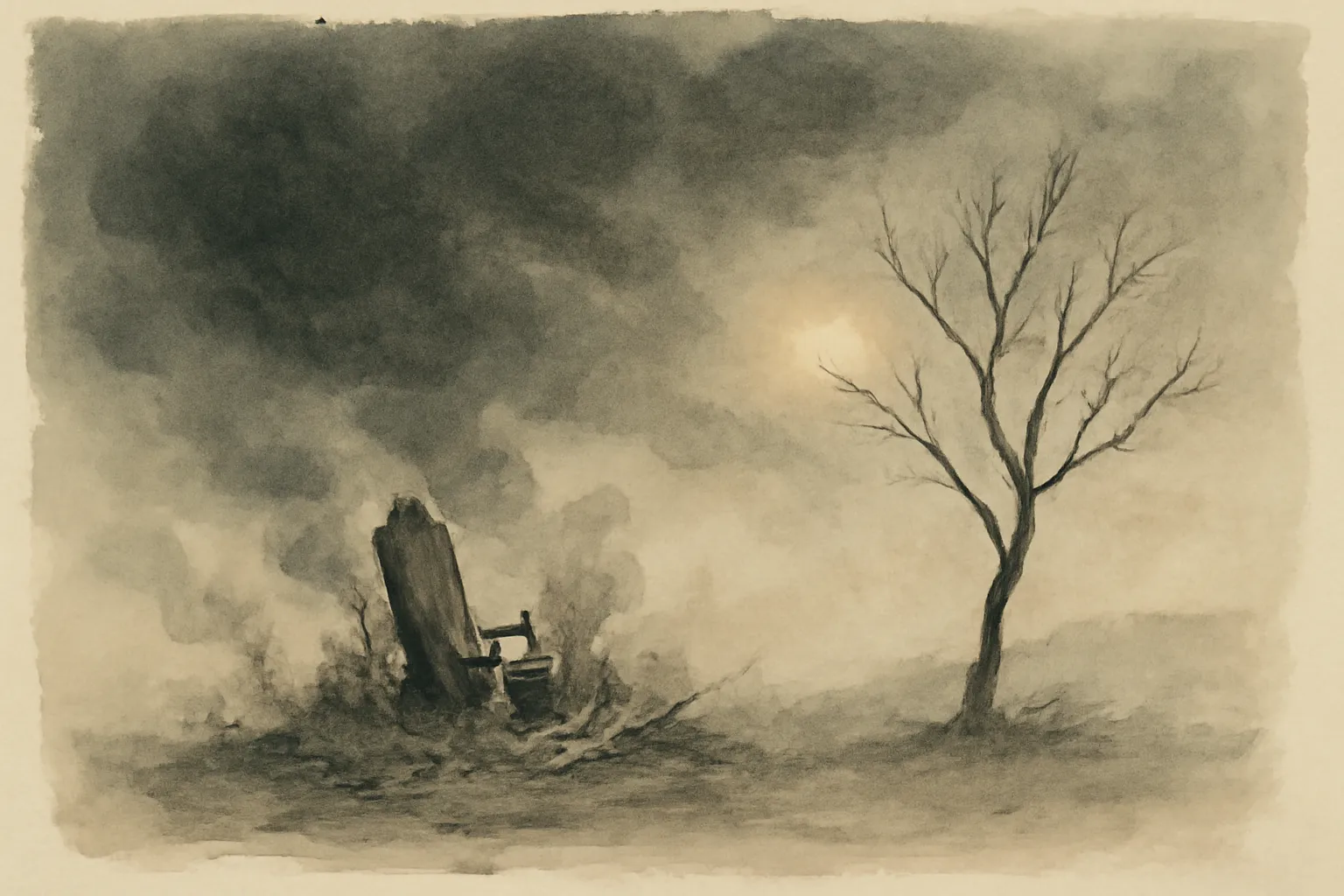
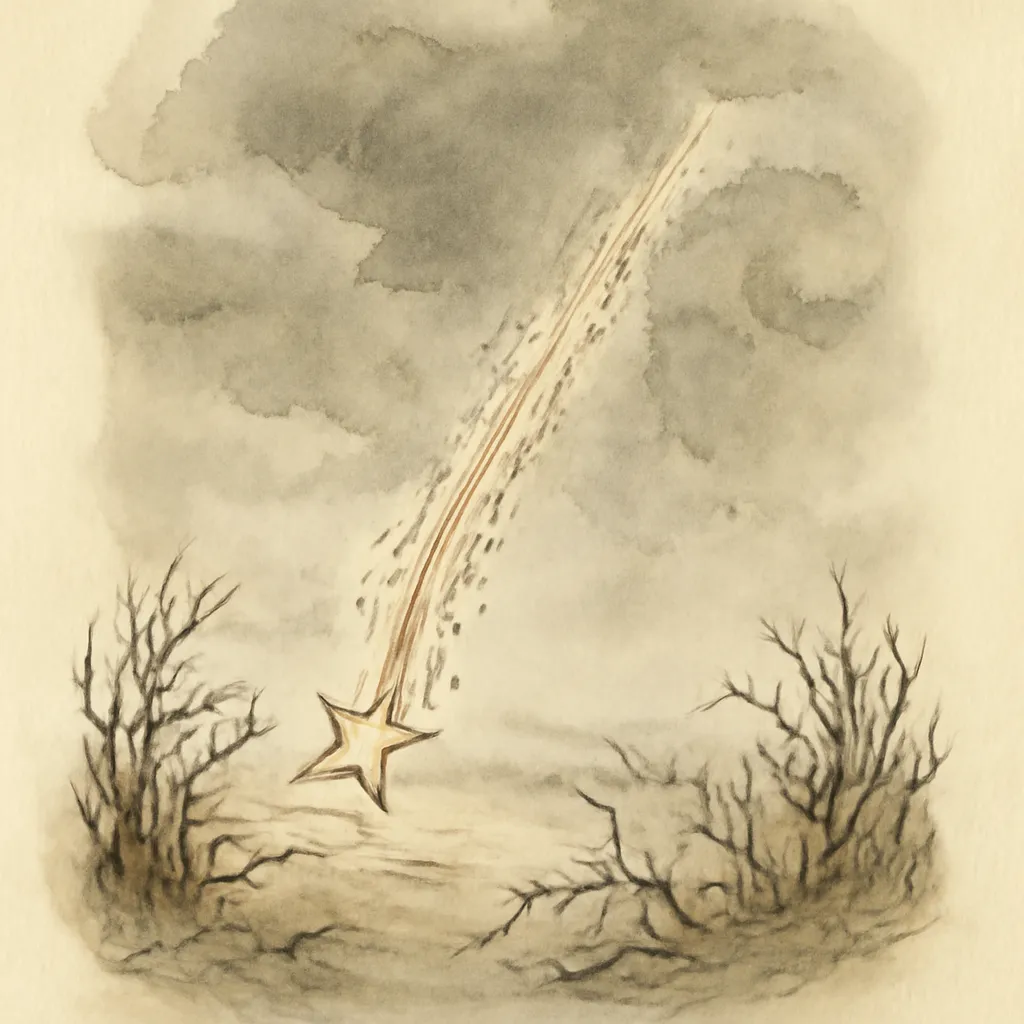
The narrative of 'Paradise Lost' is framed around the concept of the tragic hero, particularly embodied in Satan. Initially a revered angel, Satan's pride and ambition lead to his rebellion against God, resulting in his expulsion from Heaven. This fall from grace serves as a poignant reminder of the dangers of hubris. Milton paints Satan as a complex character, filled with charisma and determination, who becomes a tragic figure as he grapples with his defeat and the consequences of his actions. The poem suggests that the qualities that make Satan compelling—his resolve, intellect, and leadership—also lead to his ultimate downfall. This duality raises questions about the nature of heroism and villainy, inviting readers to contemplate the fine line between ambition and arrogance.
2.The Nature of Free Will
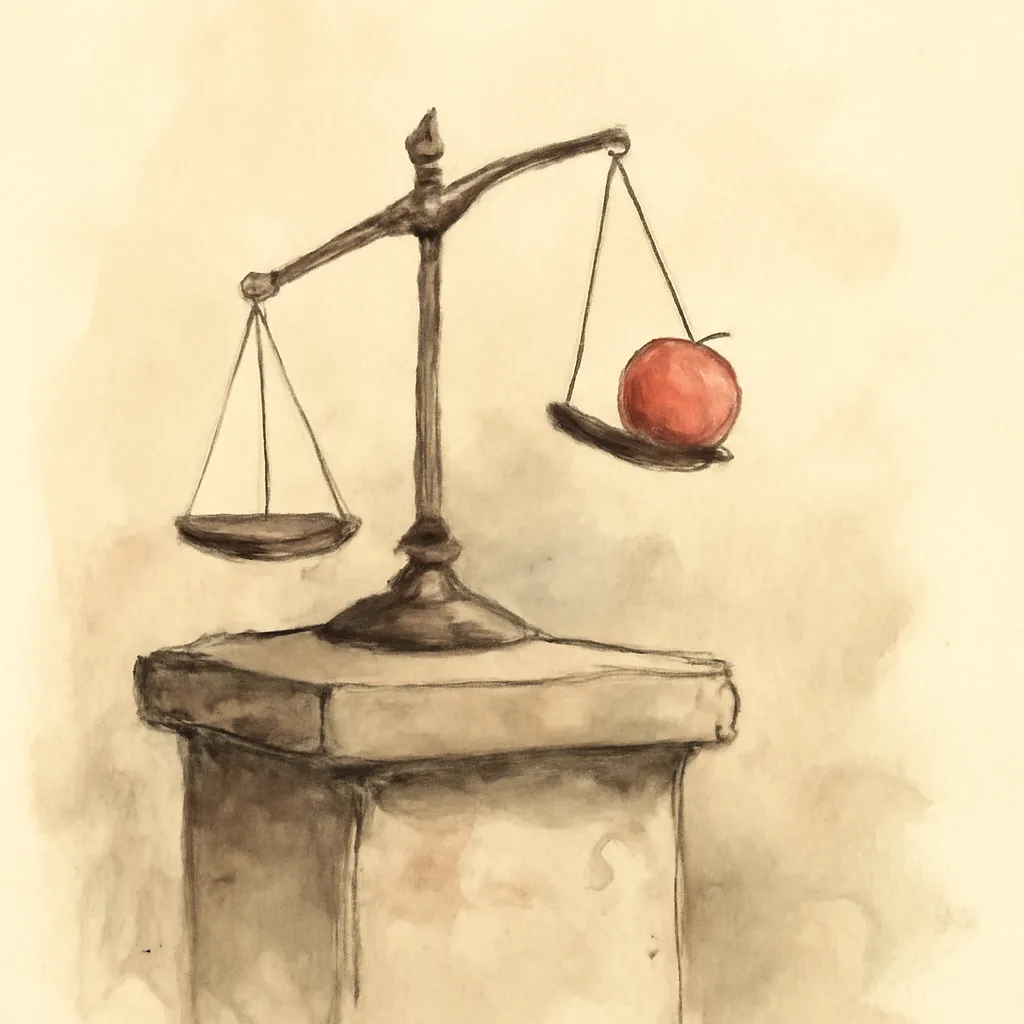
At the core of 'Paradise Lost' lies the exploration of free will and its implications. Milton emphasizes that Adam and Eve were endowed with the ability to choose, which is fundamental to their humanity. This freedom is both a gift and a burden, as it allows for the possibility of disobedience. The pivotal moment comes when Eve, driven by curiosity and temptation, chooses to eat the forbidden fruit, leading to the Fall. Milton presents this act not merely as a failure but as a necessary step in the human experience, highlighting the importance of choice in shaping one's destiny. The poem argues that true obedience stems from the exercise of free will, making the act of disobedience a profound statement about autonomy and the struggle for self-definition.
3.Divine Providence and Human Agency
Milton intricately weaves the themes of divine providence and human agency throughout the poem. While God is portrayed as omnipotent and benevolent, the existence of evil and suffering raises questions about His role in the world. Milton suggests that God allows free will to exist so that humans can genuinely choose to love and obey Him. This perspective presents a paradox: if God is all-knowing, then He must have foreseen the Fall. Yet, Milton argues that this foreknowledge does not negate human responsibility. Instead, it underscores the belief that humans must navigate their moral choices within the framework of divine oversight. This interplay between divine authority and human freedom creates a rich philosophical landscape, prompting readers to reflect on their own beliefs about fate, choice, and morality.
4.The Role of Temptation
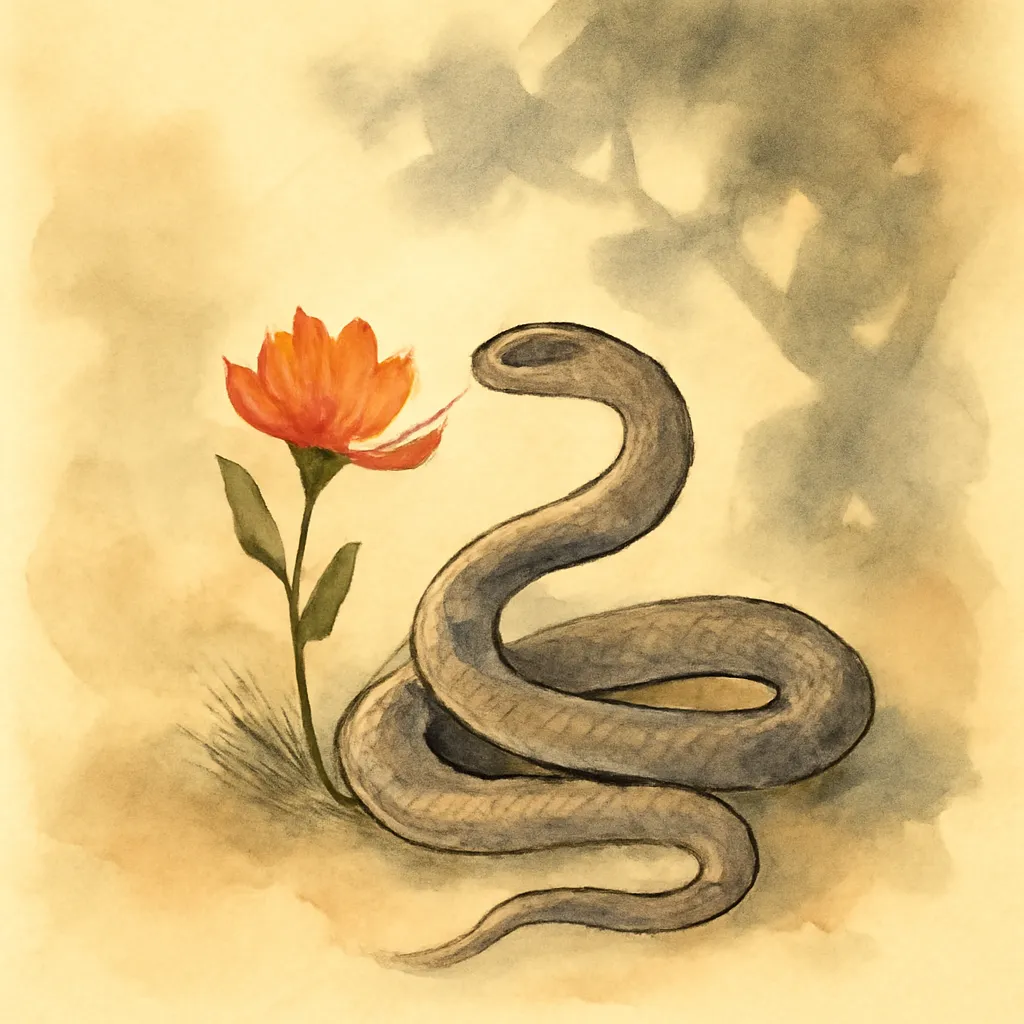
Temptation plays a crucial role in 'Paradise Lost,' particularly through the character of Satan, who embodies the seductive nature of evil. As the serpent, he entices Eve with promises of knowledge and power, manipulating her curiosity and desires. This portrayal of temptation highlights the internal struggles faced by individuals when confronted with moral choices. Milton carefully illustrates how Satan exploits human vulnerabilities, presenting temptation as an insidious force that can lead even the most innocent astray. The consequences of succumbing to temptation are profound, as Eve's choice ultimately results in the loss of Paradise and the introduction of sin into the world. Through this narrative, Milton emphasizes the importance of vigilance against temptation and the need for moral fortitude in the face of alluring but destructive choices.
5.The Complexity of Adam and Eve's Relationship
The relationship between Adam and Eve is central to the narrative of 'Paradise Lost.' Milton portrays them as equal partners, created in God's image, yet their differing responses to temptation reveal deeper complexities. Adam's protective nature and Eve's curiosity create a dynamic interplay that ultimately leads to their downfall. When Eve chooses to eat the fruit first, Adam faces a moral dilemma: to remain loyal to God or to join Eve in her transgression. His decision to partake in her sin reflects the challenges of love, loyalty, and the weight of shared responsibility. Milton's depiction of their relationship serves as an exploration of gender roles, companionship, and the impact of individual choices on collective fate. This complexity invites readers to consider the nuances of human relationships and the ways in which they can influence moral decisions.
6.The Consequences of Sin
The consequences of sin are vividly portrayed in 'Paradise Lost,' where Adam and Eve's disobedience leads to their expulsion from Paradise and the introduction of suffering into the world. Milton explores the notion of original sin, emphasizing that their actions have far-reaching implications for all of humanity. The loss of innocence marks a significant turning point, as the couple must confront the realities of pain, labor, and mortality. This transformation from a state of bliss to one of struggle highlights the gravity of their choices and the concept of inherited sin. Milton's depiction of the aftermath of the Fall serves as a cautionary tale about the nature of disobedience and its inevitable consequences, urging readers to reflect on the moral weight of their actions.
7.Redemption and Hope
Despite the grim consequences of the Fall, 'Paradise Lost' ultimately offers a message of redemption and hope. Milton introduces the figure of Christ as a savior, foreshadowing the possibility of reconciliation between humanity and God. The promise of redemption serves as a counterbalance to the despair of sin, suggesting that even in the face of profound loss, there is a pathway to grace. This theme of hope is reinforced through the characters' journeys, particularly Adam's realization of the need for repentance and divine mercy. Milton's portrayal of redemption emphasizes the importance of acknowledging one's failures and seeking forgiveness, providing a powerful message that resonates across time. The notion that humanity can rise from the ashes of sin to achieve a state of grace underscores the enduring possibility of spiritual renewal.
8.The Power of Language and Poetry
Milton's use of language and poetic form in 'Paradise Lost' is a critical aspect of its impact. The epic employs grand imagery and elevated diction to convey the weight of its themes, creating a sense of majesty befitting its subject matter. Milton's mastery of blank verse allows for a fluid and dynamic narrative, enhancing the emotional depth of the characters’ experiences. The poem's structure, with its rich symbolism and allusions, invites readers to engage with the text on multiple levels. Through language, Milton explores complex ideas about faith, morality, and the human condition, transforming the narrative into a profound philosophical exploration. The power of poetry becomes a vehicle for conveying spiritual truths, demonstrating how language can shape our understanding of the divine and the moral landscape we navigate.
9.The Reflection of Human Nature
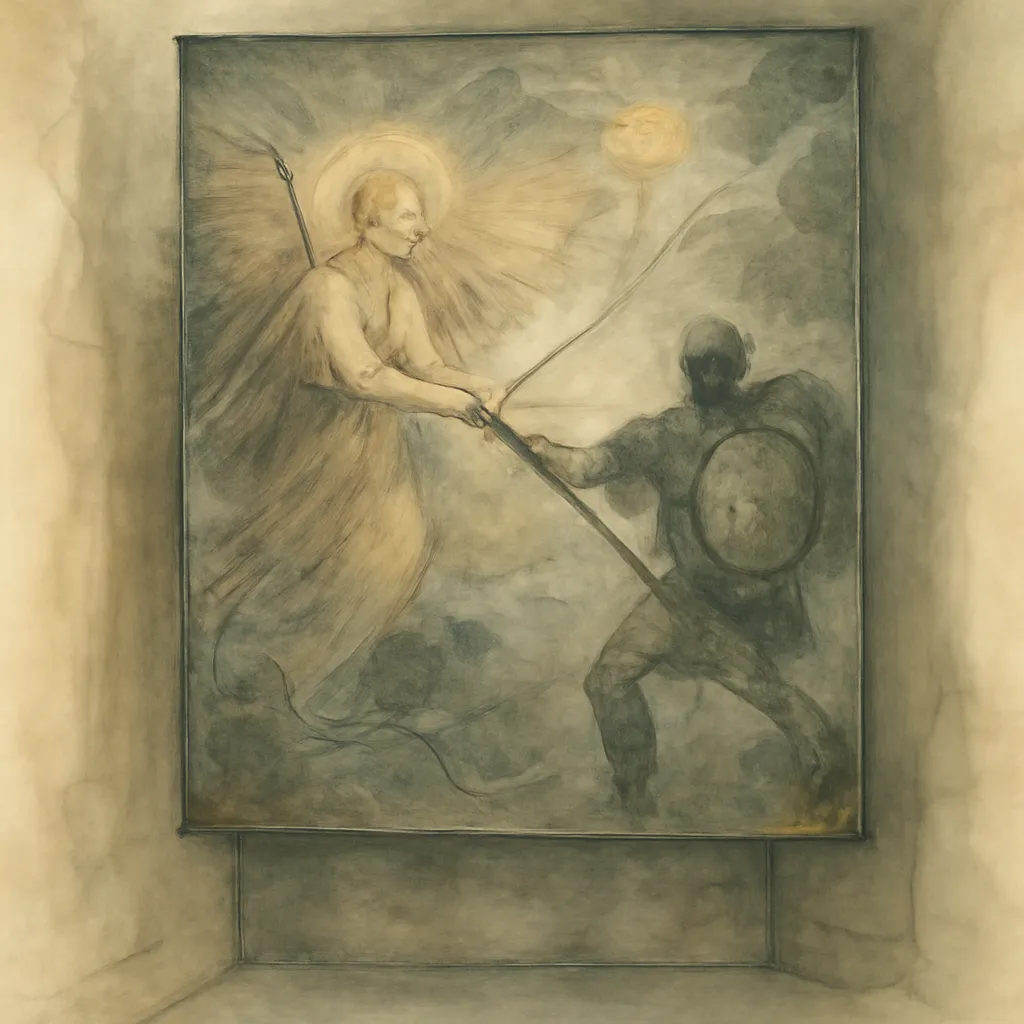
In 'Paradise Lost,' Milton offers a profound reflection on human nature, exploring the dualities of good and evil that exist within each individual. The characters embody various aspects of humanity, from the nobility of Adam to the treachery of Satan. Through their struggles, Milton delves into the complexities of desire, ambition, and the quest for knowledge. The portrayal of human weaknesses and strengths serves as a mirror for readers to examine their own lives. Milton’s exploration of themes such as pride, envy, and love reveals the inherent conflicts that arise from the human condition. This nuanced depiction challenges readers to confront their own moral dilemmas and the choices that define their character, emphasizing that the battle between good and evil is a universal struggle.