1.The Limits of Understanding
Richard Lloyd Parry delves into the unknowability at the heart of true crime: the victim, the perpetrator, and even the city itself remain partially inscrutable. The book resists easy answers, showing how Lucie Blackman’s fate is shaped by forces—personal, cultural, and criminal—that defy simple explanation. Parry’s narrative is marked by humility before the mystery of evil and the impossibility of full comprehension, inviting readers to reflect on the limits of what can be known about others’ motives and suffering.
2.Cultural Dissonance and Alienation
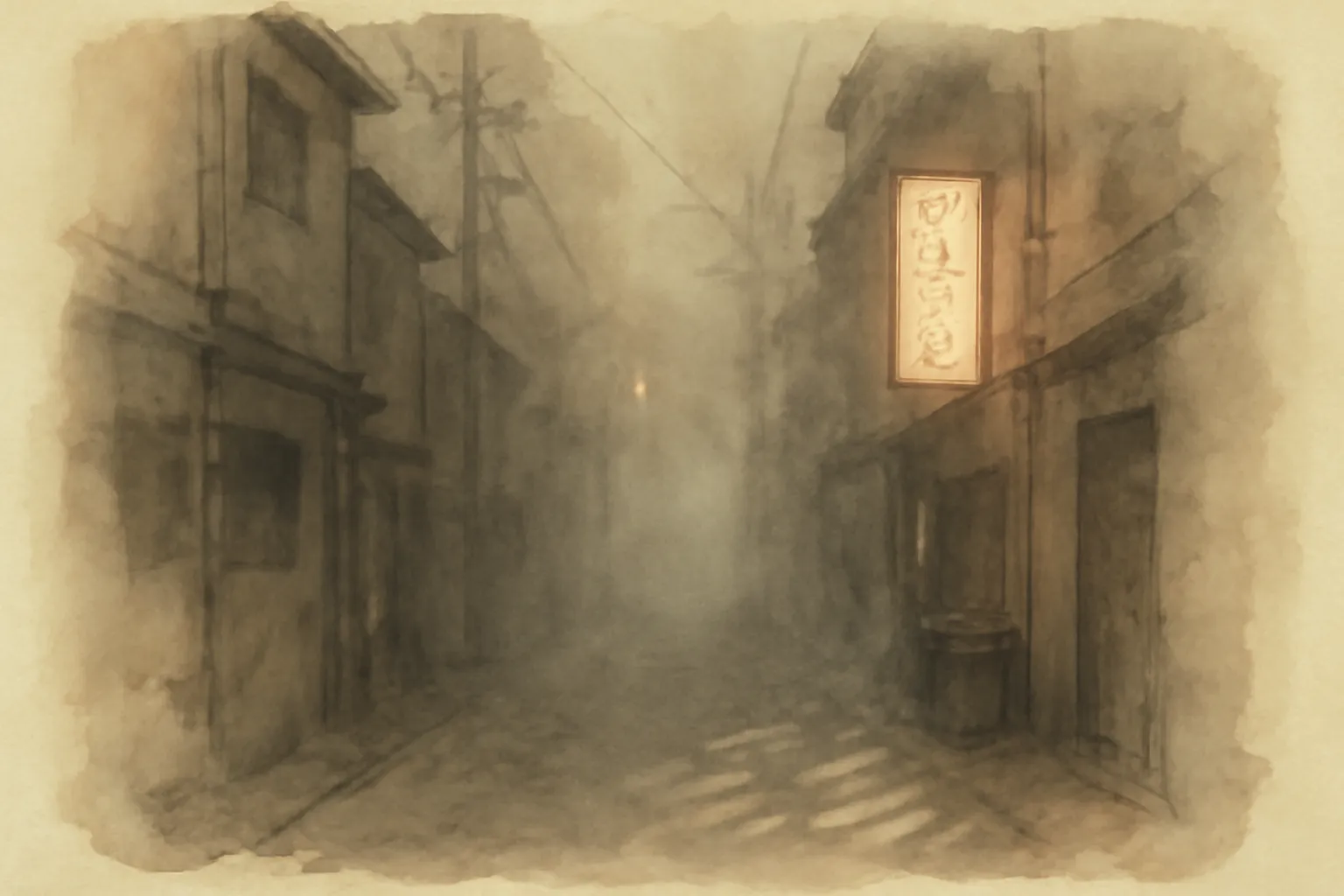
The book is as much about the collision between British and Japanese cultures as it is about the crime itself. Parry meticulously explores how differences in policing, media, and social norms shape the investigation and the families’ experiences. Tokyo, with its glittering surface and hidden underworld, becomes a character in its own right—both alluring and impenetrable. The narrative reveals how foreigners, especially vulnerable young women, can become lost in the gaps between cultures.
3.The Human Cost of Grief and Publicity
At its heart, People Who Eat Darkness is a study of grief—private and public. The Blackman family’s suffering is laid bare, including their internal divisions and the corrosive effects of media attention. Parry shows how the search for Lucie and the subsequent trial become a spectacle, with the family’s pain exposed and sometimes exploited. The book asks what justice and closure really mean for those left behind, and whether they are ever truly attainable.
4.The Nature of Evil and the Banality of Predators
Parry presents Joji Obara, the accused, not as a monstrous aberration but as a chillingly banal figure—wealthy, methodical, and almost invisible. The book examines how predators can thrive in plain sight, shielded by social structures and indifference. Parry’s portrait of Obara is unsettling precisely because of its ordinariness, prompting readers to consider how evil can be both extraordinary in its consequences and mundane in its execution.
5.The Failings of Justice
The investigation and prosecution of Lucie’s case exposes deep flaws in both the Japanese justice system and international cooperation. Parry details bureaucratic inertia, linguistic barriers, and the reluctance of authorities to confront uncomfortable truths. The book critiques the slow, sometimes callous response of institutions meant to protect, and the ways in which justice can be delayed, denied, or distorted by cultural and systemic failures.
6.The Allure and Danger of Tokyo’s Nightlife
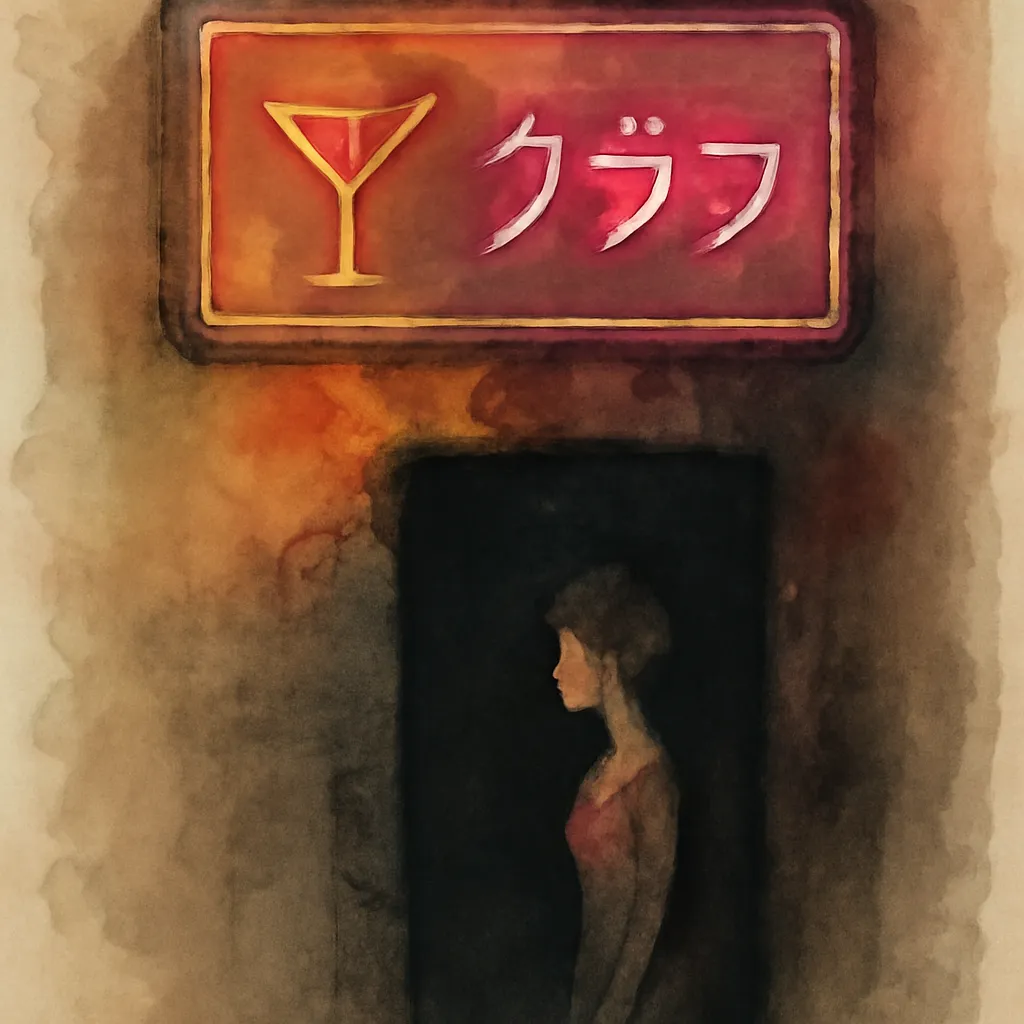
The hostess culture of Tokyo’s Roppongi district is depicted with nuance—both as a site of opportunity for foreign women and as a dangerous liminal space. Parry avoids sensationalism, instead offering a clear-eyed look at the economic and social forces that draw women like Lucie into these worlds, and the risks they face. The book challenges stereotypes while acknowledging the real perils lurking beneath the city’s neon-lit glamour.