

Young women · Trials, litigation · Investigation
People Who Eat Darkness by Richard Lloyd Parry — Summary, Key Ideas & Quotes
2011400 pages✦ 3-min Big ideas★ 3.0 (2)
Rate it
An incisive and compelling account of the case of 21-year-old Lucie Blackman, who stepped out into the vastness of Tokyo in the summer of 2000 and disappeared forever. The following winter, her dismembered remains were found buried in a seaside cave. The seven months in between had seen a massive search for the missing girl, involving Japanese policemen; British private detectives; Australian dowsers; and Lucie's desperate, but bitterly divided, parents. As the case unfolded, it drew the attention of prime ministers and sado-masochists, ambassadors and con-men, and reporters from across the world. Had Lucie been abducted by a religious cult, or snatched by human traffickers? Who was the mysterious man she had gone to meet? And what did her work, as a "hostess" in the notorious Roppongi district of Tokyo, really involve? *People Who Eat Darkness* is, by turns, a non-fiction thriller, a courtroom drama, and the biography of both a victim and a killer. It is the story of a young woman who fell prey to unspeakable evil, and of a loving family torn apart by grief. And it is a fascinating insight into one of the world's most baffling and mysterious societies, a light shone into dark corners of Japan that the rest of the world has never glimpsed before.
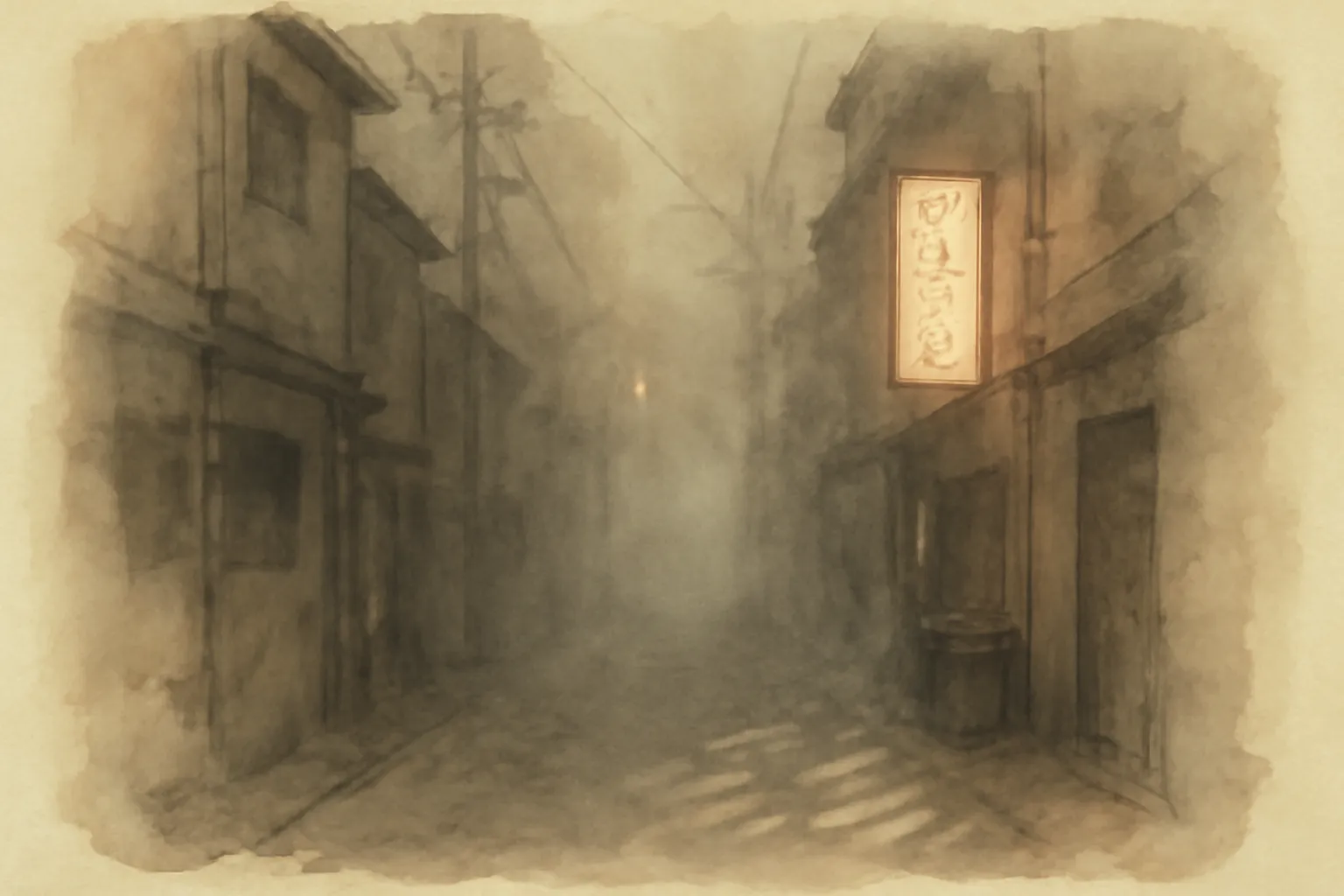
Richard Lloyd Parry delves into the unknowability at the heart of true crime: the victim, the perpetrator, and even the city itself remain partially inscrutable. The book resists easy answers, showing how Lucie Blackman’s fate is shaped by forces—personal, cultural, and criminal—that defy simple explanation. Parry’s narrative is marked by humility before the mystery of evil and the impossibility of full comprehension, inviting readers to reflect on the limits of what can be known about others’ motives and suffering.
The book is as much about the collision between British and Japanese cultures as it is about the crime itself. Parry meticulously explores how differences in policing, media, and social norms shape the investigation and the families’ experiences. Tokyo, with its glittering surface and hidden underworld, becomes a character in its own right—both alluring and impenetrable. The narrative reveals how foreigners, especially vulnerable young women, can become lost in the gaps between cultures.
“The world is not a safe place, and no one is protected from its darkness.”
“We think we know the people we love, but we never really do.”