1.The Catastrophe of the Medusa
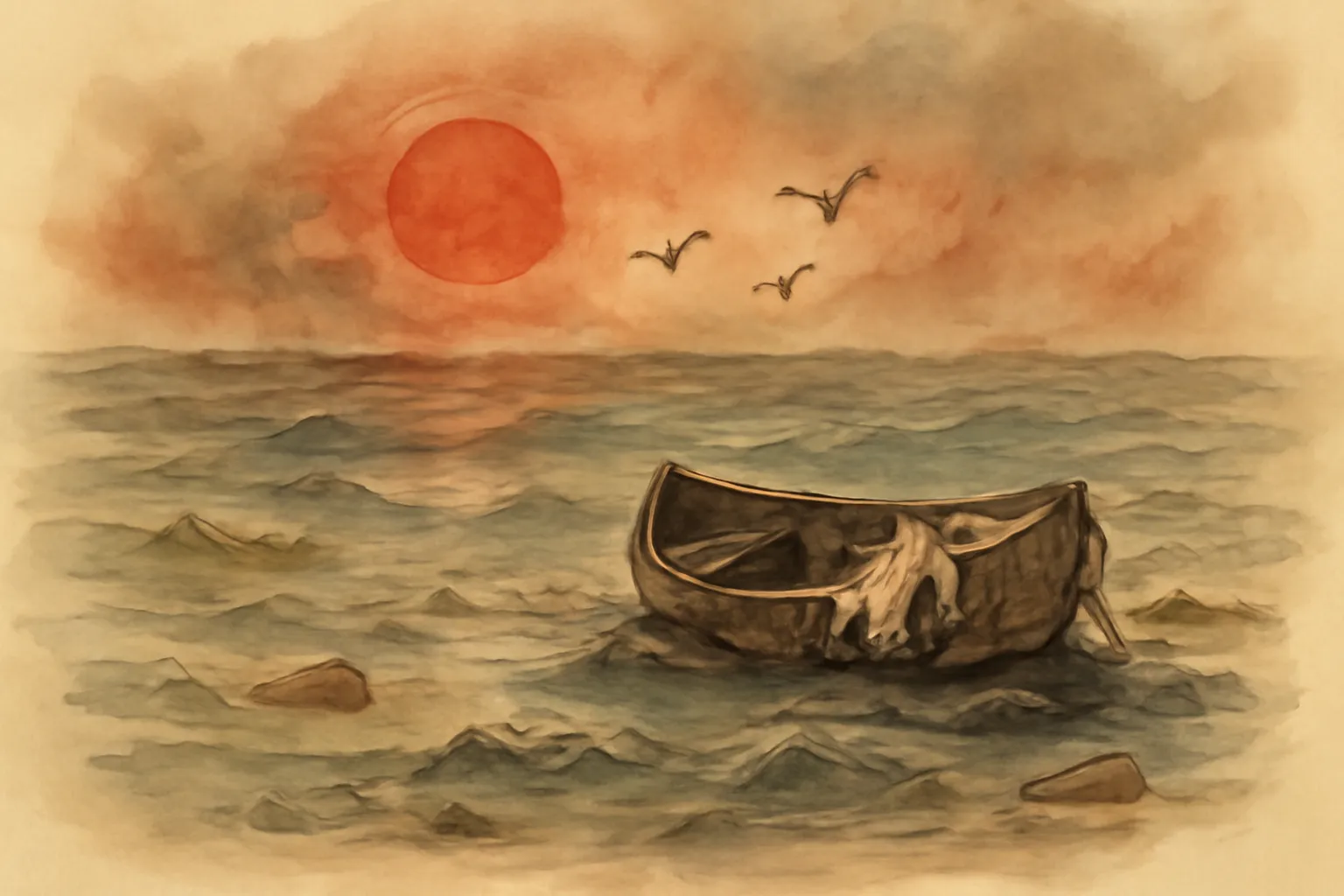
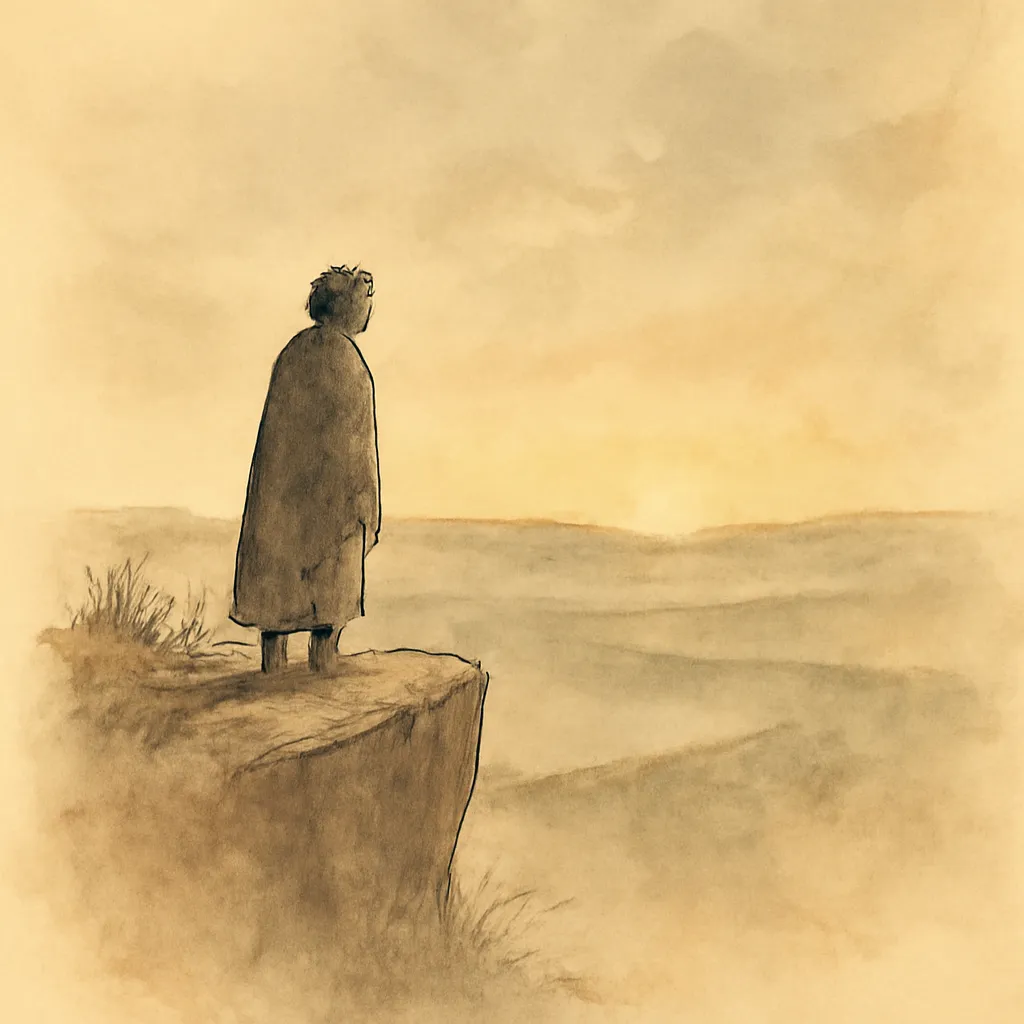
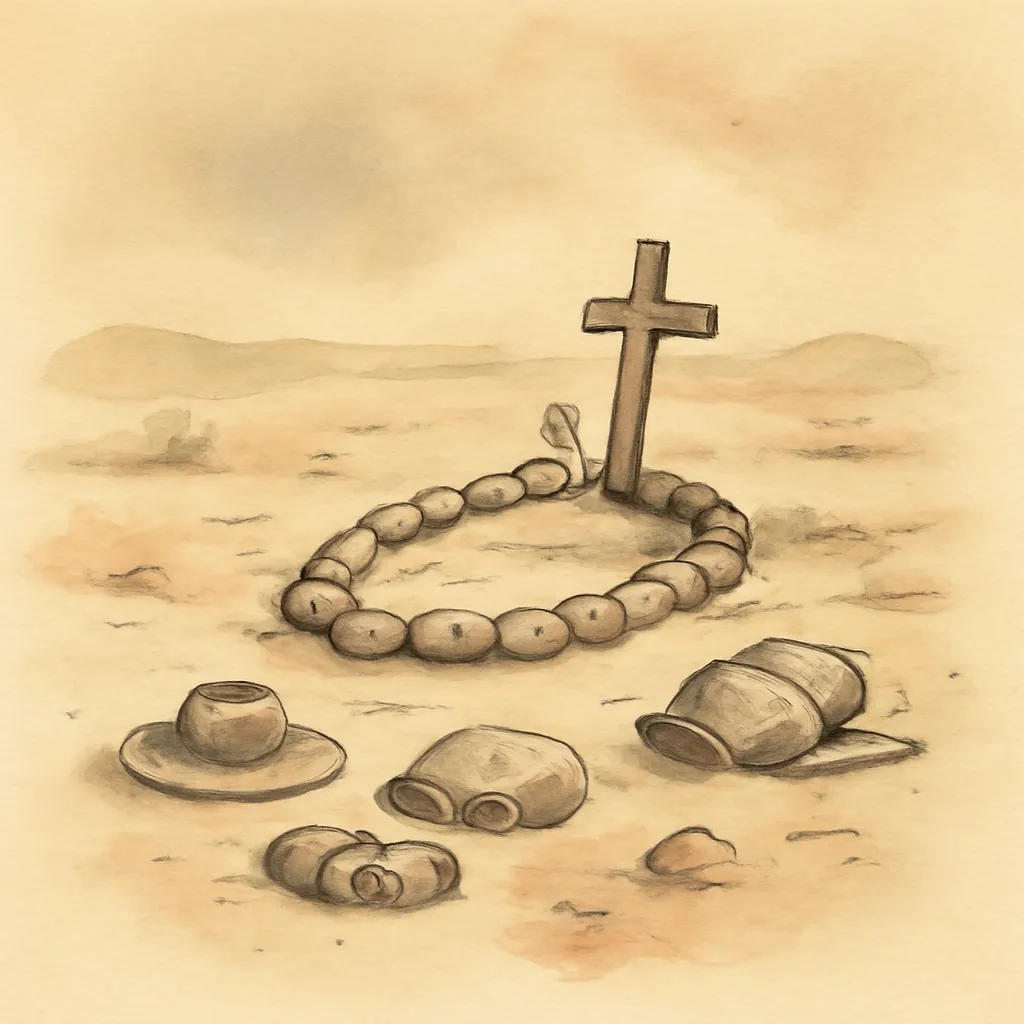
The narrative begins with the catastrophic shipwreck of the Medusa, a French frigate that ran aground on the Arguin Bank off the coast of Africa. This event is not just a backdrop; it serves as the catalyst for the unfolding tragedy. The shipwreck is marked by chaos, as passengers and crew scramble for survival amidst the wreckage. The failure of leadership and the egregious selfishness of the officers aboard the ship lead to a breakdown of order, culminating in the abandonment of many innocent lives. The Picard family's struggle is woven into this larger tale of disaster, emphasizing how collective failures can plunge individuals into perilous situations. This initial calamity sets the tone for the harrowing journey that follows, illustrating how quickly fortunes can shift and how survival often hinges on luck and human character.
2.The Perils of the Desert and the Unknown
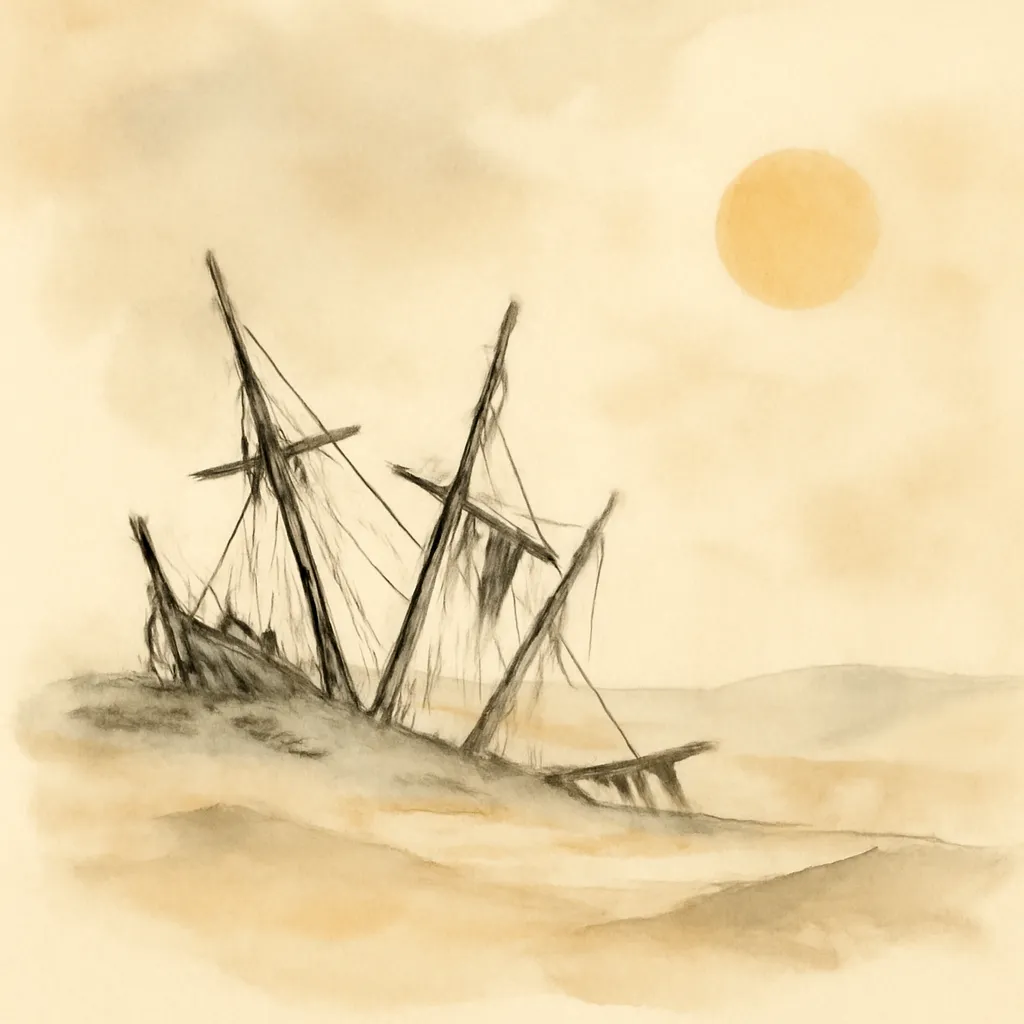
After the shipwreck, the Picard family and other survivors face the daunting task of traversing the Sahara desert in search of safety. The harsh realities of the desert landscape present new dangers—scorching heat, limited water sources, and the constant threat of starvation. The narrative captures the physical and psychological toll of this treacherous journey, illustrating how the environment can become an adversary as formidable as the sea. The family must rely on their ingenuity and resilience to navigate the vast, unforgiving terrain. Along the way, they encounter other groups, including a caravan of Moors, highlighting the complexities of human relationships in times of crisis. This section of the narrative underscores the theme of human endurance against nature's harshest elements, revealing how desperation can drive individuals to both altruism and betrayal.
3.Family Bonds in Crisis
At the heart of the narrative is the Picard family's unbreakable bond, which is tested time and again throughout their ordeal. As they navigate the horrors of shipwreck and desert, their familial love and loyalty become their greatest assets. The emotional depth of their experiences is poignantly captured, from M. Picard's determination to protect his children to the young daughters' efforts to support one another amidst despair. The narrative illustrates that in the face of overwhelming adversity, it is often family ties that provide the strength to persevere. This theme is particularly resonant, as the family's struggles are relatable for anyone who has faced hardships within their own familial relationships. Their journey becomes a testament to the power of love and solidarity in the darkest of times.
4.The Role of Generosity and Selfishness
Brisson's narrative intricately explores the duality of human nature through acts of generosity and selfishness exhibited by various characters. In moments of crisis, some individuals rise to the occasion, offering help and support to the Picard family and others in need. For instance, the actions of M. Espiau, who returns to the wreck to save those left behind, highlight the potential for heroism even amidst chaos. Conversely, the self-serving behavior of certain officers who abandon the raft exemplifies the darker side of humanity when faced with fear and survival instincts. This juxtaposition invites readers to reflect on their own values and the capacity for both altruism and egotism. Brisson does not shy away from depicting the complexities of human behavior, suggesting that both light and darkness coexist within us, especially in the face of life-and-death situations.
5.The Desolation of Captivity
The second part of the book delves into the narrative of M. de Brisson's captivity in the deserts of Africa, presenting another layer of suffering and resilience. His experiences serve as a parallel to the Picard family's journey, emphasizing that captivity—whether physical or emotional—can take many forms. The harshness of life in captivity is vividly depicted, showcasing the brutality of the environment and the mercilessness of captors. De Brisson's account reflects the psychological toll of being stripped of freedom and the fierce desire for survival. The narrative serves as a poignant reminder of the human spirit's capacity to endure suffering and the relentless pursuit of freedom, even when faced with insurmountable odds. This section emphasizes that captivity can lead to profound personal transformation, as individuals confront their limitations and summon their inner strength.
6.The Psychological Toll of Survival
Survival is not just a physical endeavor; it profoundly affects the psyche of those who endure it. Throughout the narrative, Brisson captures the psychological toll that the shipwreck and subsequent struggles impose on the Picard family and other survivors. Fear, despair, and trauma manifest in various ways, influencing decisions and relationships. The emotional landscape of the characters is richly developed, illustrating how the weight of their experiences can lead to moments of hopelessness and despair. Brisson skillfully conveys the internal battles faced by individuals as they grapple with their circumstances, showcasing the complexity of human emotions in extreme situations. This exploration of psychological resilience adds depth to the narrative, reminding readers that survival is as much about mental fortitude as it is about physical endurance.
7.The Impact of Colonialism
The backdrop of colonial ambitions serves as a critical element in understanding the challenges faced by the Picard family and others during their journey. The narrative highlights the tensions between colonial powers and the indigenous populations, reflecting the historical context of the time. The interactions between the Picard family and the Moors, as well as their encounters with other colonial figures, reveal the complexities of power dynamics in a colonial setting. Brisson's portrayal of these interactions invites readers to consider the broader implications of colonialism on individual lives and relationships. The impact of colonial policies becomes evident in the struggles for survival, as the colonizers' ambitions often exacerbate the plight of those caught in their wake. This theme underscores the interconnectedness of personal and historical narratives, revealing how the legacies of colonialism continue to shape human experiences.
8.Nature as an Adversary and Ally
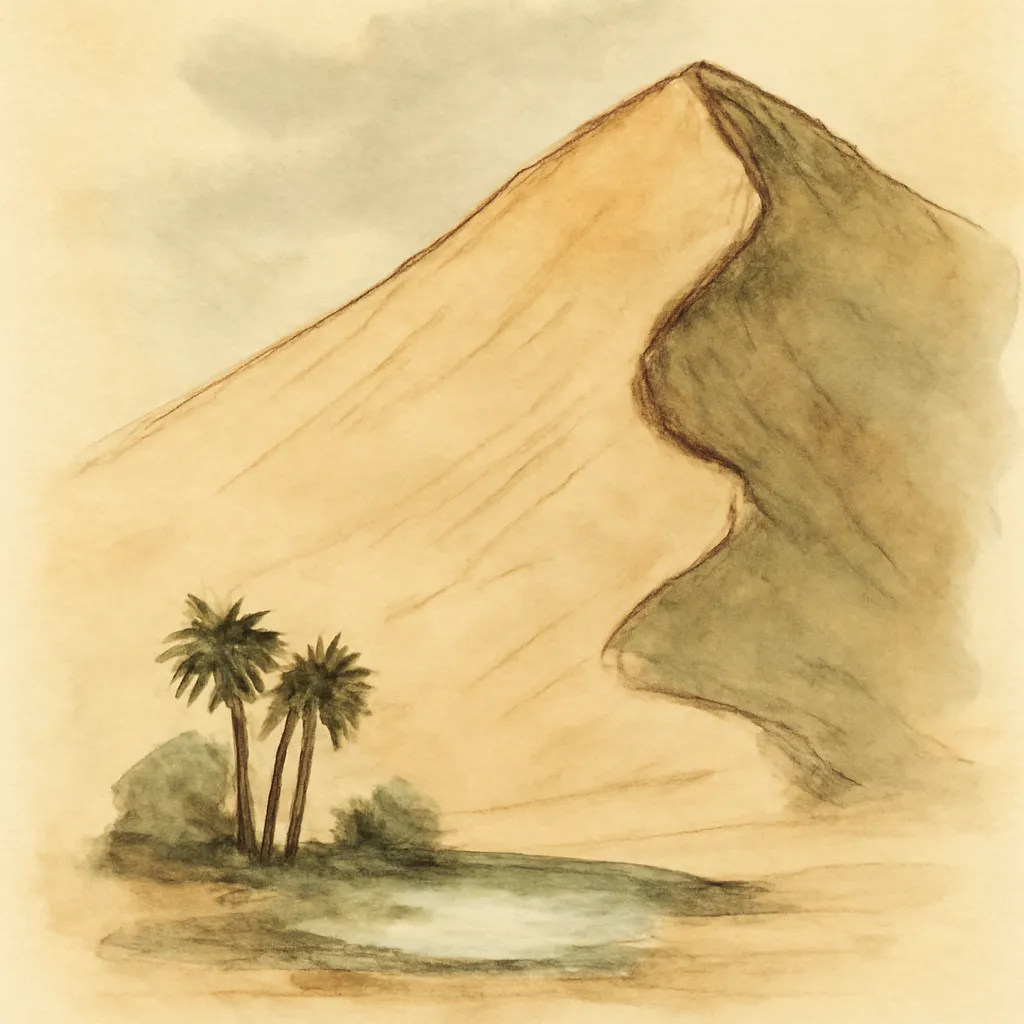
Brisson's narrative paints a vivid picture of nature as both an adversary and an ally in the survival journey of the Picard family. The treacherous conditions of the ocean and desert illustrate nature's capacity for destruction, as the shipwreck and harsh environmental conditions threaten their existence. However, moments of reprieve, such as finding fresh water or discovering an oasis, highlight nature's role as a potential ally in their quest for survival. This duality of nature emphasizes the unpredictability of the environment and the necessity for humans to adapt to their surroundings. Brisson captures the awe-inspiring beauty of the landscapes, juxtaposed with their perilous aspects, reminding readers that nature can evoke both fear and wonder. This relationship with nature serves as a metaphor for the broader human experience, suggesting that navigating life's challenges often requires a delicate balance between acknowledging threats and embracing the gifts of the natural world.
9.Hope Amidst Despair
In the face of relentless adversity, hope emerges as a central theme throughout the narrative. Despite the overwhelming challenges faced by the Picard family, moments of hope punctuate their journey, driving them forward. Whether through acts of kindness from strangers, the resilience of family bonds, or the simple act of survival itself, hope becomes a lifeline for the characters. Brisson emphasizes that hope is not merely a passive feeling; it is an active force that propels individuals to continue striving for a better future. This theme resonates deeply, as it reflects the universal human experience of seeking light in the darkest of times. The narrative ultimately suggests that hope, while fragile, can be a powerful motivator that sustains individuals through even the most harrowing of circumstances.
10.The Cycle of Loss and Resilience
The Picard family's journey is marked by a tragic cycle of loss and resilience that underscores the fragility of life. Throughout their ordeal, they experience profound losses—first the death of Madame Picard, followed by the abandonment and eventual death of family members and companions. Each loss serves as a poignant reminder of the harsh realities of their situation, yet the family's resilience shines through as they continue to support one another in the face of grief. Brisson captures the emotional weight of these losses, illustrating how they shape the characters' identities and resolve. The narrative ultimately conveys that resilience is not the absence of sorrow, but rather the ability to endure and find meaning amidst suffering. This cycle of loss and resilience is a testament to the enduring human spirit, showcasing the capacity to rise above adversity and keep moving forward.