1.The Birth of Pinocchio
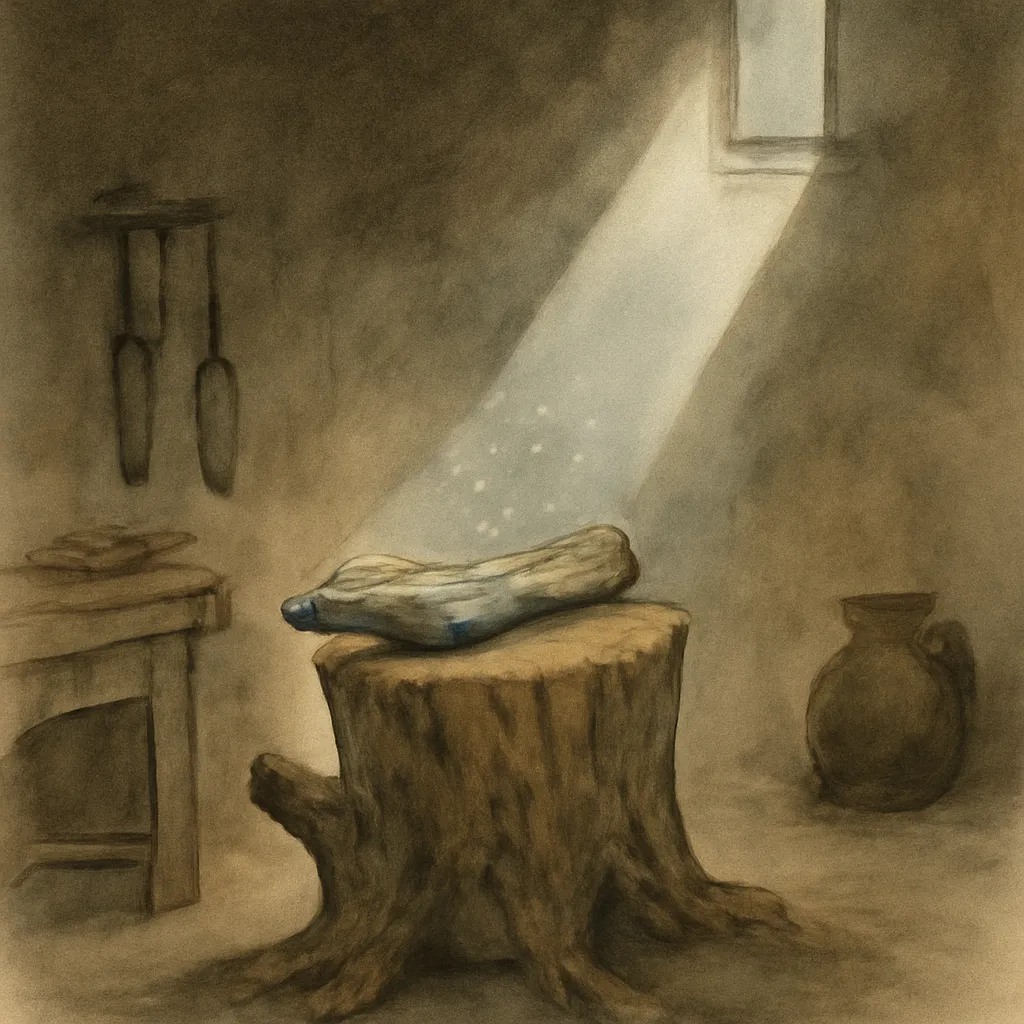
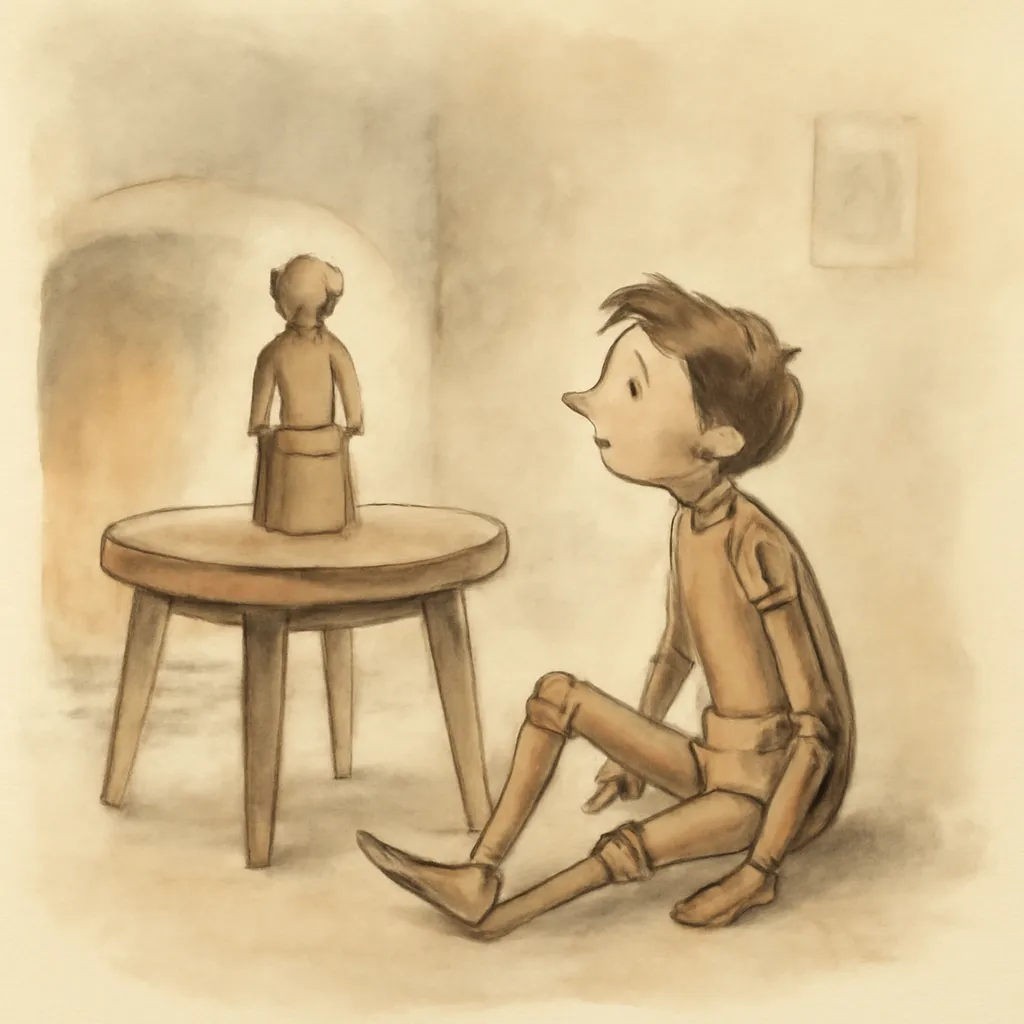
The story begins with Mastro Cherry, a carpenter who discovers a magical piece of wood that can laugh and cry. This wood, upon being carved, becomes Pinocchio, a puppet imbued with life and personality. This initial transformation sets the stage for a narrative rich in themes of creation and potential. Pinocchio's existence challenges the boundaries between the inanimate and the animate, prompting readers to ponder what it means to be truly alive. As Mastro Cherry shapes Pinocchio, he unknowingly shapes a character destined for both joy and hardship, reflecting the complexities of parenthood and the hopes we invest in our children.
2.Geppetto's Love and Sacrifice
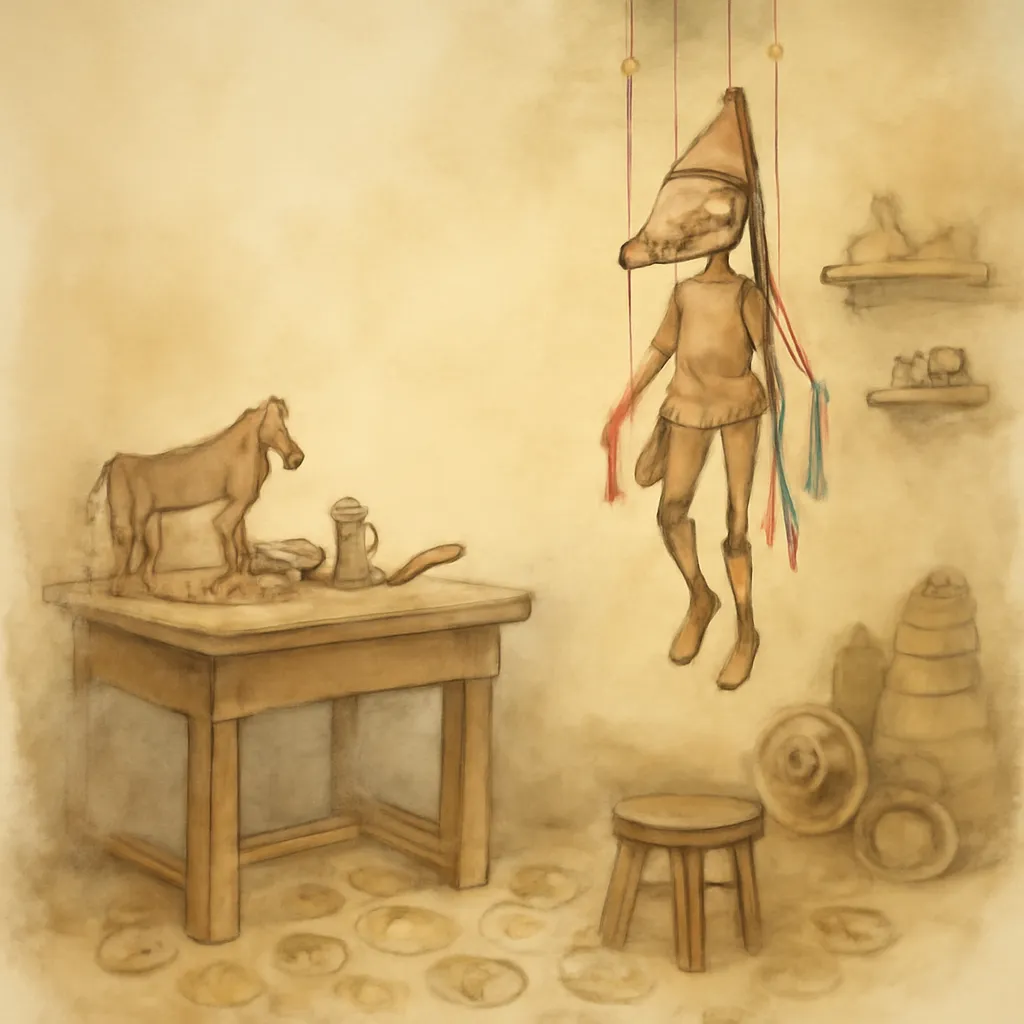
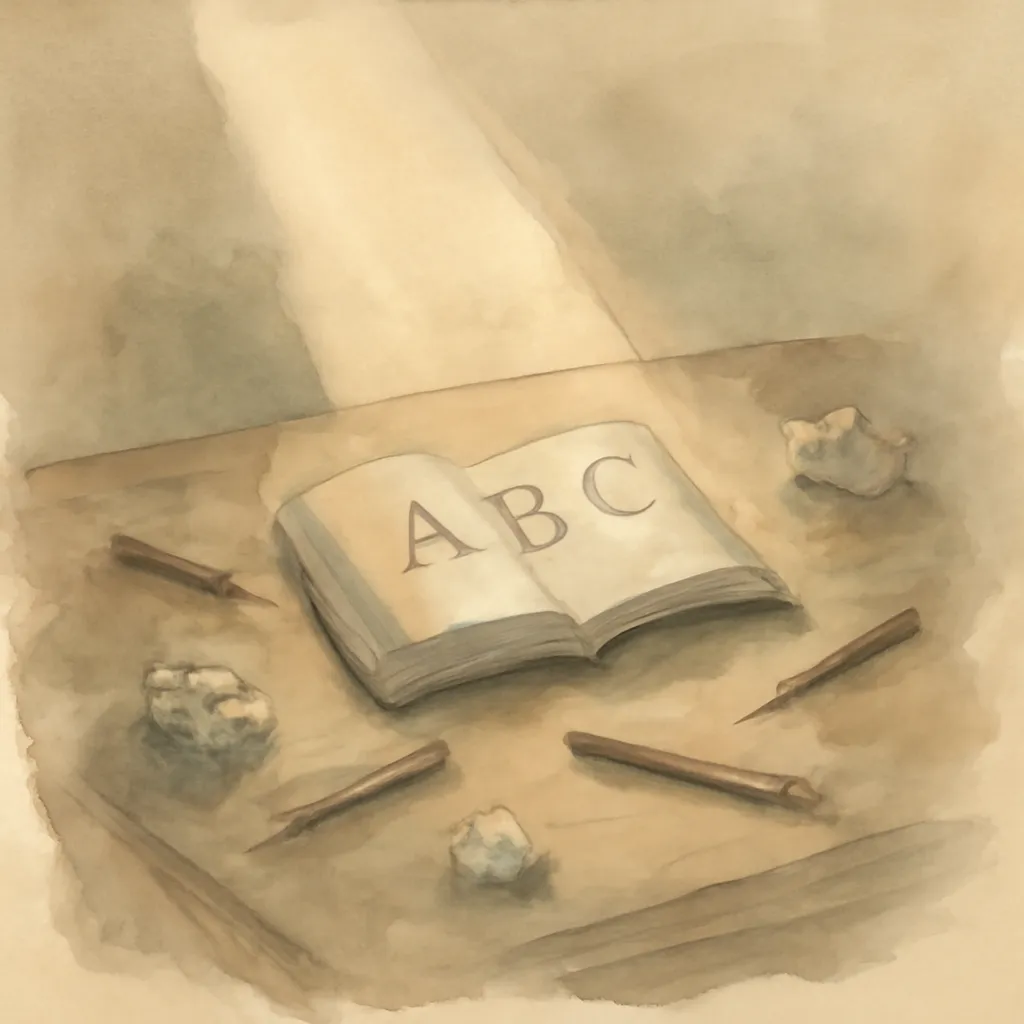
Geppetto, a kind yet poor woodcarver, becomes Pinocchio's father figure, representing unconditional love and sacrifice. He dreams of creating a son and devotes himself to making Pinocchio a marionette that can dance and bring joy. Geppetto's actions embody the archetype of the devoted parent, willing to endure hardship for the sake of his child's happiness. When he sells his own coat to buy Pinocchio an A-B-C book, it highlights the lengths to which parents go to support their children’s education and future. This sacrifice lays the groundwork for the bond between father and son, emphasizing the theme of familial love as a driving force in Pinocchio’s journey.
3.The Consequences of Disobedience
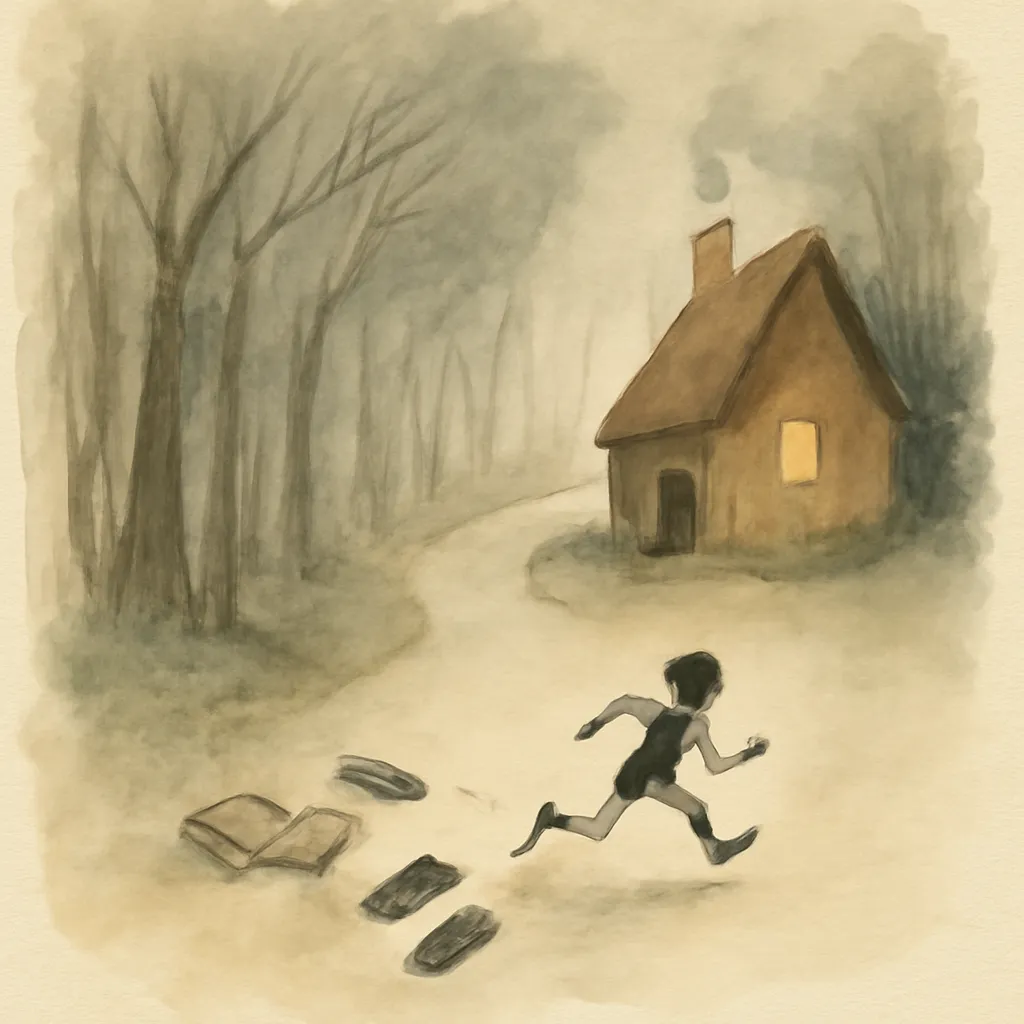
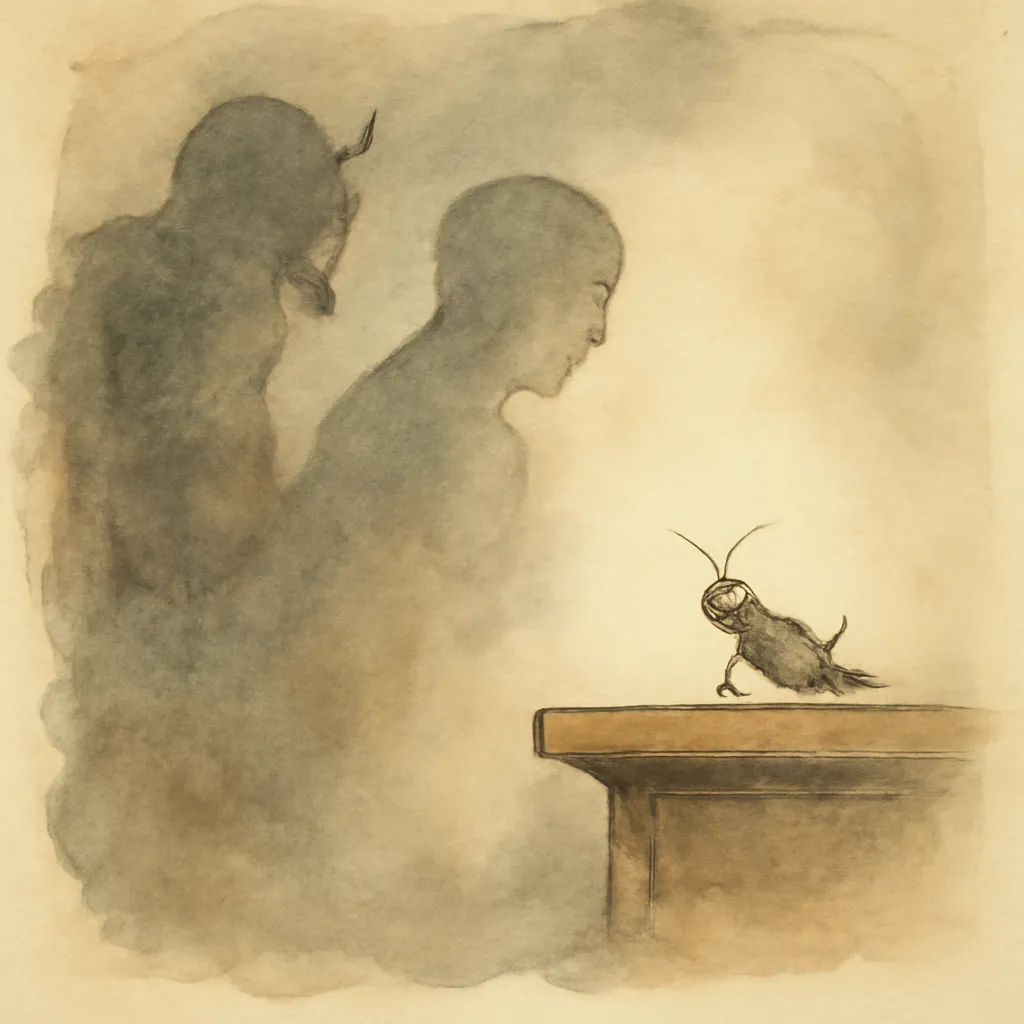
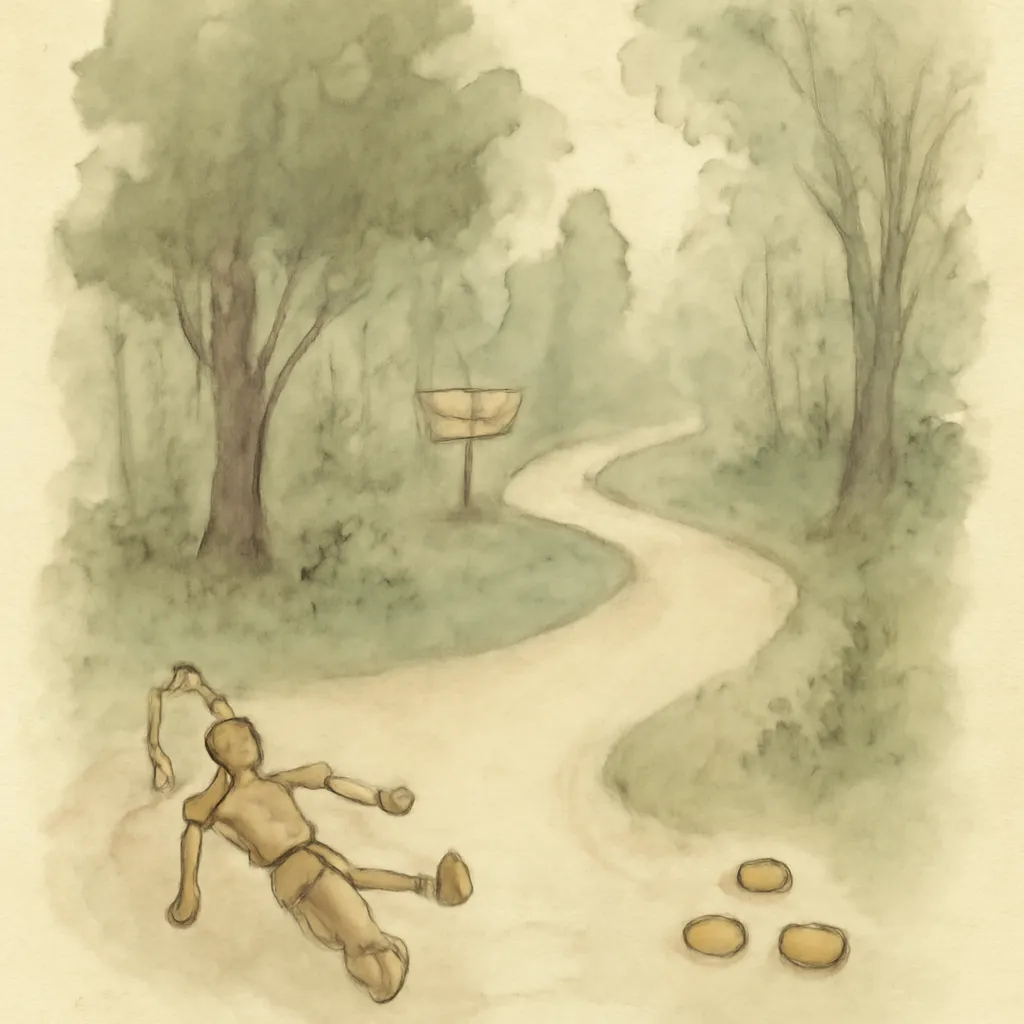
Pinocchio's first major act of disobedience occurs when he chooses to run away from home instead of attending school. This decision leads him into a series of misadventures that serve as cautionary tales about the consequences of ignoring parental guidance. The Talking Cricket, a voice of wisdom and reason, warns Pinocchio about the dangers of straying from the right path, a metaphor for the guidance parents provide. Pinocchio's refusal to listen results in a series of misfortunes, reflecting the idea that disobedience often leads to suffering. This theme resonates with readers, illustrating the importance of listening to those who care for us and the lessons that come from our mistakes.
4.The Temptations of Freedom
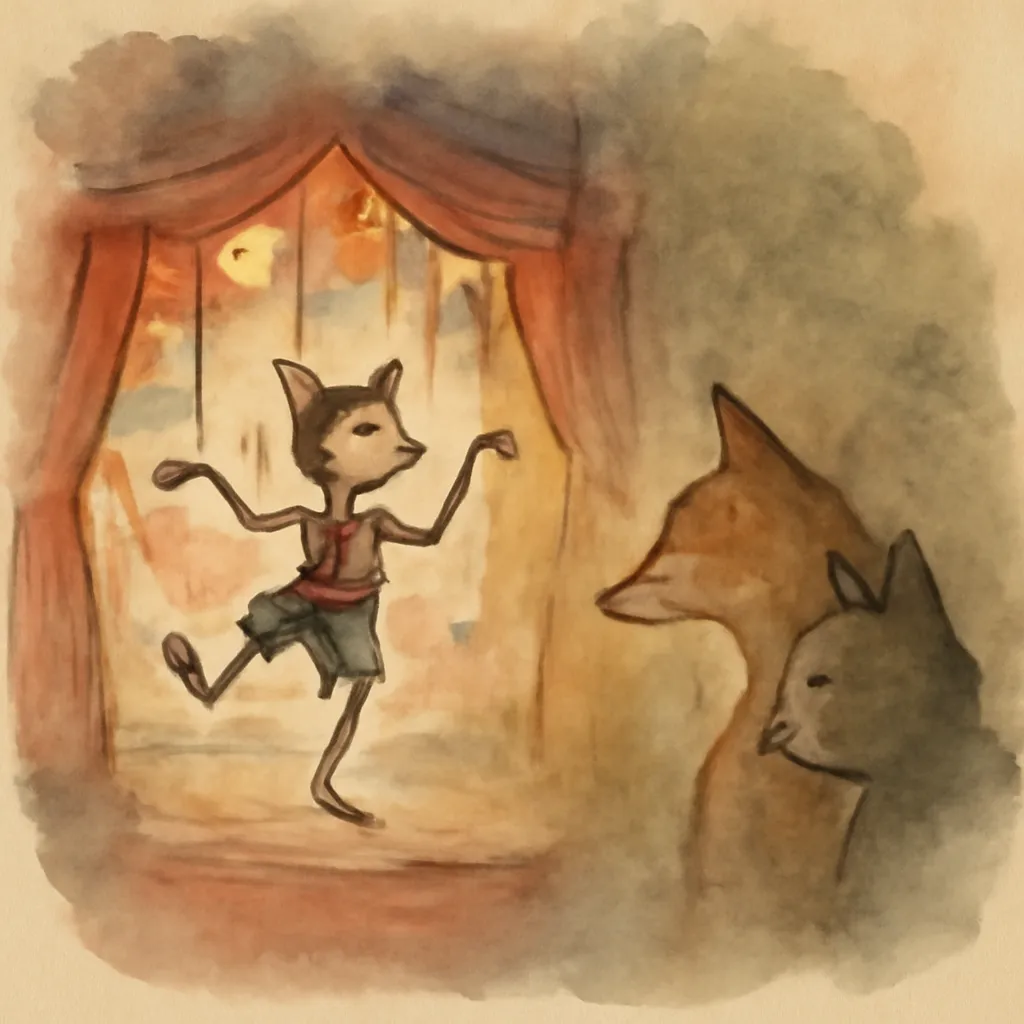
As Pinocchio embarks on his adventures, he encounters various temptations that challenge his character. From the allure of the Marionette Theater to the deceptive promises of the Fox and the Cat, these encounters symbolize the distractions that can lead one astray. Pinocchio's desire for freedom often clouds his judgment, leading him to make choices that prioritize immediate gratification over long-term consequences. This theme of temptation serves as a reminder of the challenges individuals face when navigating their desires and the importance of staying true to one’s values. Through these experiences, Collodi illustrates how easy it is to be lured away from one's responsibilities and the journey toward maturity.
5.The Importance of Education
Education serves as a central theme in Pinocchio's story, representing the pathway to personal growth and fulfillment. Geppetto's sacrifice for Pinocchio's A-B-C book signifies the value placed on learning, while Pinocchio's initial rejection of education highlights the struggles many children face. Pinocchio’s journey ultimately underscores the transformative power of knowledge, as he learns that education is not just about academic achievement, but also about developing wisdom and character. The contrast between his initial reluctance to study and his later commitment to becoming a better person illustrates the profound impact that education can have on one's life choices and future potential.
6.The Role of the Talking Cricket
The Talking Cricket emerges as a moral compass for Pinocchio, embodying wisdom and the voice of conscience. Despite being dismissed by Pinocchio, the Cricket represents the inner voice that guides us toward making the right decisions. His warnings about the consequences of disobedience and the importance of valuing one’s family resonate deeply throughout the narrative. When Pinocchio eventually realizes the truth in the Cricket's words, it signifies a turning point in his character development. This character also illustrates the universal struggle between heeding advice and following one’s impulses, reinforcing the idea that wisdom often comes from listening to those who have our best interests at heart.
7.The Journey of Redemption
Pinocchio's journey is not just one of adventure, but also of redemption and self-discovery. Each misstep and consequence serves as a lesson, leading him closer to understanding the value of honesty and integrity. His encounters with various characters, such as the deceitful Fox and Cat, and the benevolent Fairy, shape his moral compass. As he experiences pain, joy, love, and loss, Pinocchio gradually transforms from a carefree puppet into a more responsible being. This journey underscores the idea that true growth often comes through hardship and the willingness to learn from one’s mistakes. The narrative ultimately suggests that redemption is possible for everyone, regardless of past misdeeds.
8.The Power of Love
Love serves as a driving force in Pinocchio's transformation, particularly the love between him and Geppetto. This bond is tested repeatedly throughout the story, but it remains a constant source of motivation for Pinocchio. His longing to become a real boy is deeply intertwined with his desire to be worthy of his father's love and approval. The sacrifices made by Geppetto for Pinocchio highlight the depth of parental love, while Pinocchio's eventual realization of this love leads him toward redemption. Collodi illustrates that love can inspire change, encourage growth, and ultimately lead to a more meaningful existence. This theme resonates universally, emphasizing that love is a vital component of the human experience.
9.The Consequences of Lies
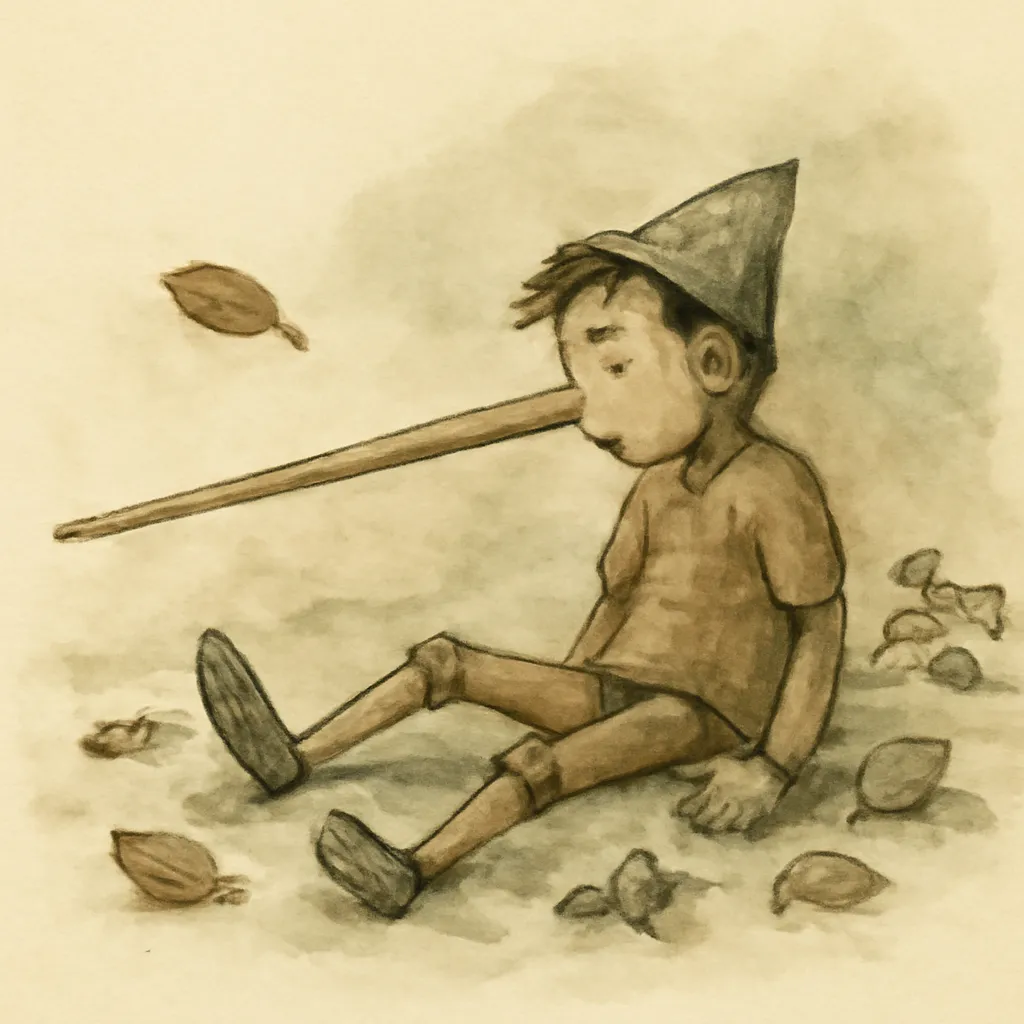
Pinocchio's nose, which grows whenever he lies, serves as a powerful symbol of the consequences of dishonesty. This physical manifestation of his deceit illustrates the idea that lies can lead to a loss of trust and credibility, both in oneself and in the eyes of others. As Pinocchio grapples with the repercussions of his fabrications, he learns that honesty is essential for building relationships and gaining respect. The transformation of his nose serves as a humorous yet poignant reminder that dishonesty often leads to more significant problems. Through this motif, Collodi reinforces the value of truthfulness and the importance of taking responsibility for one’s words and actions.
10.The Journey to Becoming Human
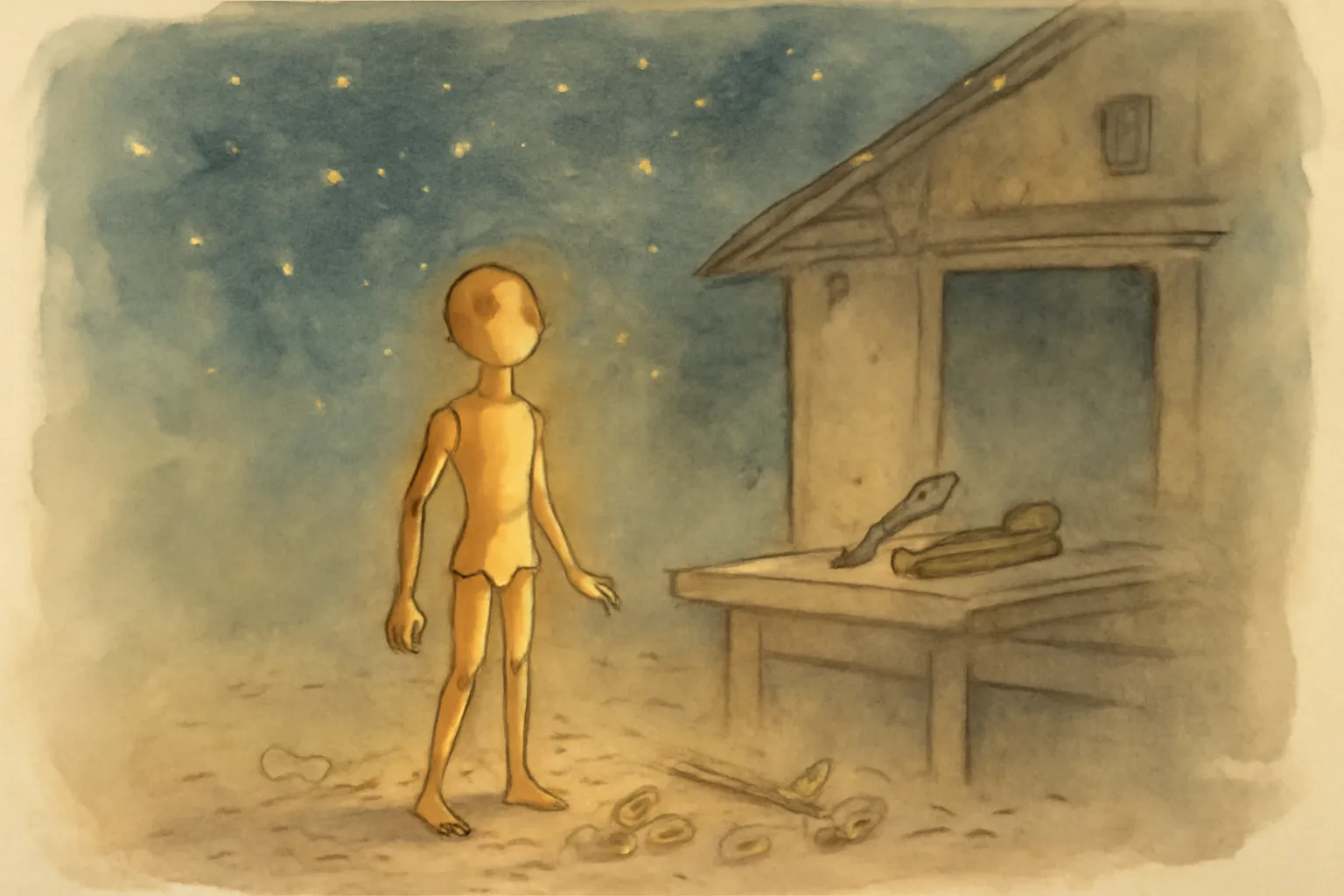
Ultimately, Pinocchio's quest to become a real boy represents the universal desire for acceptance and identity. His journey is marked by trials that test his character and resolve, leading to a deeper understanding of what it means to be human. The narrative suggests that becoming 'real' is not merely about physical transformation but involves cultivating virtues such as kindness, honesty, and responsibility. Pinocchio's evolution reflects the struggles many face in their quest for identity and belonging. By the end of the story, his transformation into a human signifies that true humanity is achieved through love, sacrifice, and the willingness to learn from one’s experiences.