1.The Roots of Genius
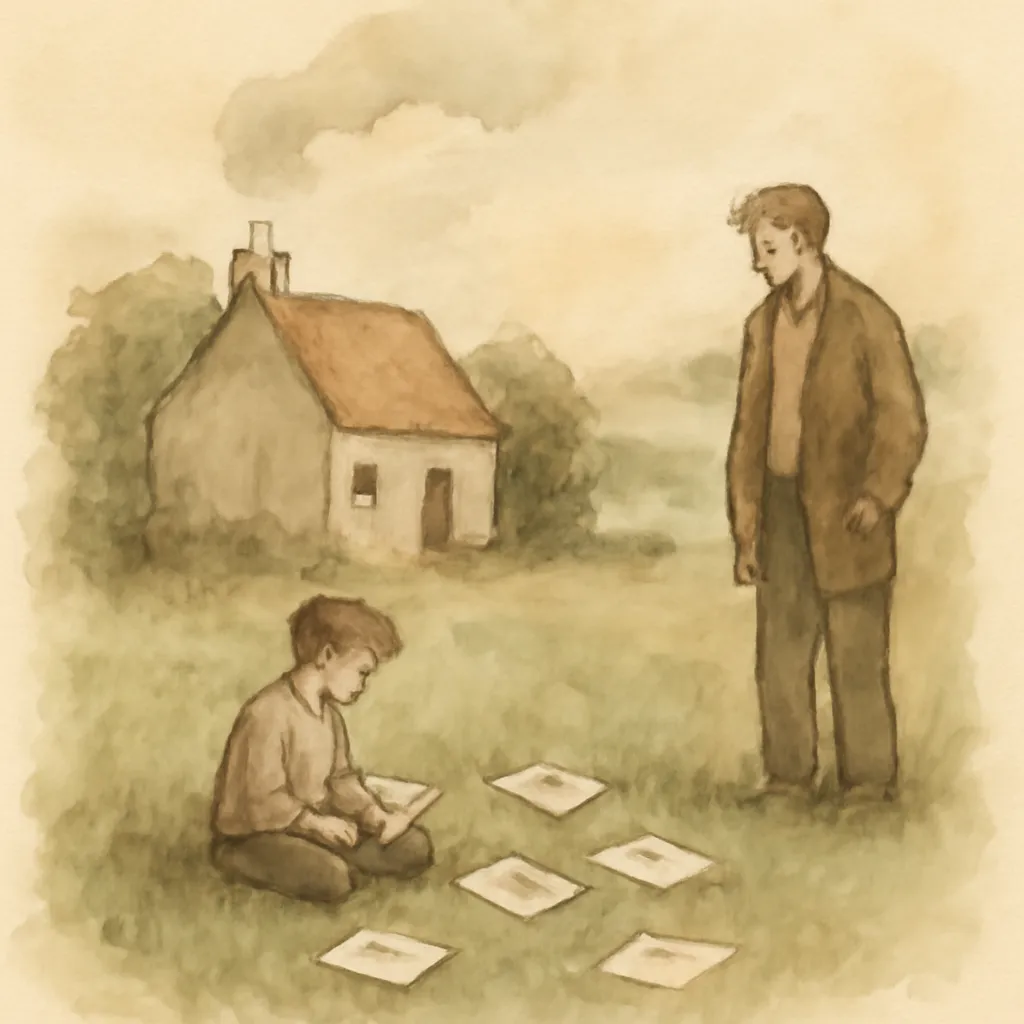
Robert Burns was born into a humble family in Ayrshire, Scotland, on January 25, 1759. His father, a nurseryman, prioritized education despite their poverty, leading young Burns to develop a love for literature. Though he attended school only briefly, it was his father's guidance and his own voracious reading that shaped his literary prowess. By the time he reached adulthood, Burns had a solid grasp of English and a reading knowledge of French, allowing him to appreciate the literary masterpieces of his time. His early experiences on the farm instilled in him a profound connection to the land, which later became a central theme in his poetry. The struggles faced by his family due to agricultural misfortune also influenced his understanding of hardship, shaping his empathy towards those who toiled under similar circumstances.
2.Love's Complexities
Burns’ poetry often explores the intricacies of love, as seen in his affectionate verses dedicated to Jean Armour. Their tumultuous relationship, marked by social scrutiny and familial opposition, reflects the societal norms of 18th-century Scotland. In works such as 'Bonie Peggy Alison,' he expresses passionate devotion and the exhilaration of romantic connection, reminding us that love can be both a source of joy and deep heartache. Burns navigates the emotional landscape of love with sensitivity and insight, portraying it as a dual experience of ecstasy and vulnerability. He portrays the conflicts that arise from societal expectations versus personal desires, encapsulating the tension many face in their pursuit of love. Moreover, his exploration of love is not limited to romantic relationships; it extends to friendships and familial bonds, showcasing the multifaceted nature of human connections and the deep emotional currents that flow through them.
3.Nature as a Muse
Nature plays a pivotal role in Burns' work, serving as both a backdrop and a source of inspiration. His poems often celebrate the beauty of the Scottish landscape, from the rolling hills to the tranquil streams. In 'Corn Rigs are Bonie,' he paints a vivid picture of a Lammas night, where moonlight dances on the barley fields, creating a romantic setting for love. This connection to nature is not merely aesthetic; it reflects Burns' belief in the harmony between humanity and the natural world. He invites readers to appreciate the simple pleasures of life, reminding us that beauty can be found in the everyday. Burns uses nature as a metaphor for human emotions, illustrating how the changing seasons mirror the ups and downs of love and life. This interplay between the natural world and human experience is a recurring theme, emphasizing the profound relationship between people and their environments.
4.The Struggles of Humanity
Burns was acutely aware of the struggles faced by the common man, often addressing themes of poverty and injustice in his poetry. In 'Man Was Made to Mourn,' he highlights the plight of the oppressed, lamenting the harsh realities of life. Through poignant imagery, he portrays the suffering of those who toil under the weight of societal expectations and economic hardship. This empathetic perspective on human suffering sets Burns apart, as he champions the cause of the downtrodden. Not only does he express sorrow for the afflicted, but he also calls for a greater understanding and compassion among those more fortunate. His work serves as a reminder that while some may enjoy privilege, many others endure hardship, a message that remains relevant today. Through Burns' lens, we are encouraged to reflect on our own societal structures and the impact they have on the vulnerable, fostering a sense of responsibility toward social justice.
5.The Power of Folklore and Tradition
Burns’ work is steeped in Scottish folklore and tradition, which he adeptly incorporates into his poetry and songs. By drawing on the rich oral traditions of Scotland, he preserves the cultural heritage of his homeland while infusing it with contemporary themes. His use of Scots language adds authenticity and depth, allowing readers to connect with the cultural nuances of his time. In 'The Twa Herds,' he employs humor and wit to critique religious hypocrisy, showcasing his ability to blend satire with social commentary. This interplay between tradition and innovation is a hallmark of Burns' genius. He takes familiar tales and folk motifs and reinterprets them through his unique perspective, making them resonate with both his contemporaries and modern readers. By celebrating the oral tradition, Burns not only honors his cultural roots but also elevates the voices of those often overlooked in literature.
6.The Celebration of Everyday Life
Burns finds beauty in the mundane, celebrating the everyday experiences that shape our lives. In 'Merry hae I been teethin a heckle,' he reflects on the simple joys of working and the warmth of domestic life. This focus on the ordinary allows readers to appreciate the richness of their own lives, no matter how unremarkable they may seem. Burns' portrayal of rural life is infused with warmth and authenticity, encouraging us to find happiness in our daily routines. His ability to capture the essence of human experience in relatable terms makes his work timeless and universally appealing. By highlighting the significance of common activities and relationships, Burns invites us to recognize the extraordinary within the ordinary, suggesting that fulfillment can be found in the simple act of living.
7.The Quest for Freedom
Burns’ poetry often reflects a yearning for freedom, both personal and political. In 'A fig for those by law protected,' he challenges the constraints imposed by society and celebrates the spirit of independence. His work resonates with the ideals of the Enlightenment, advocating for personal liberty and social justice. This quest for freedom is not only about political rights but also about the freedom to express one's emotions and desires. Burns’ passionate verses inspire readers to seek their own freedom, whether in love, creativity, or social standing, making his work a rallying cry for those yearning for liberation. His exploration of the human spirit’s desire for autonomy is profound, encouraging individuals to resist oppression and assert their own identities. This theme of freedom is particularly poignant in the context of Burns’ own struggles with societal norms and expectations, highlighting his role as a voice for the marginalized.
8.The Intersection of Humor and Tragedy
Burns skillfully navigates the delicate balance between humor and tragedy, often using wit to address serious subjects. In 'Address to the Unco Guid,' he critiques the self-righteousness of those who judge others while ignoring their own flaws. This blend of humor and social commentary invites readers to reflect on their own judgments and prejudices. By employing a lighthearted tone, Burns makes poignant observations about human nature, showcasing his ability to tackle complex themes with grace and levity. This juxtaposition of humor and sorrow enriches his poetry, making it both entertaining and thought-provoking. His ability to find comedy in life's struggles allows readers to confront difficult truths while still enjoying the beauty of the language and imagery. This technique not only engages readers but also encourages a more nuanced understanding of the human experience.
9.The Legacy of a Scottish Bard
Burns' legacy extends far beyond his lifetime, influencing generations of poets and writers. His ability to capture the essence of the human experience in lyrical form has secured his place as one of Scotland's greatest literary figures. His works continue to be celebrated and studied, with many being set to music, ensuring that his voice remains vibrant in contemporary culture. Burns' commitment to authenticity, social justice, and the celebration of love and nature resonates with readers across the globe, making his poetry timeless. His legacy is a testament to the power of words to inspire, provoke thought, and evoke emotion. Burns has been embraced by various movements and artistic expressions, from folk music to modern poetry, illustrating the enduring relevance of his insights into love, life, and humanity. Each generation finds new meanings in his words, proving that the spirit of Burns transcends time and place.