1.The Power of Dialect
William Barnes masterfully employs the Dorset dialect to breathe life into his poetry, creating an authentic voice that resonates deeply with the rural experience. The use of local language not only enhances the cultural richness of the poems but also establishes a strong sense of place. For instance, phrases like 'come otit; vor when the zetten zun' evoke the warmth and familiarity of community gatherings. This dialectal choice serves a dual purpose: it preserves the linguistic heritage of Dorset while making the emotions and experiences portrayed in the poems feel immediate and relatable. Additionally, the dialect allows readers to hear the rhythm and musicality of the language, engaging them on a sensory level that standard English may not achieve. By immersing readers in this unique linguistic landscape, Barnes connects them with the heart and soul of rural life, allowing them to experience the joys and sorrows as if they were part of the community.
2.Celebration of the Seasons
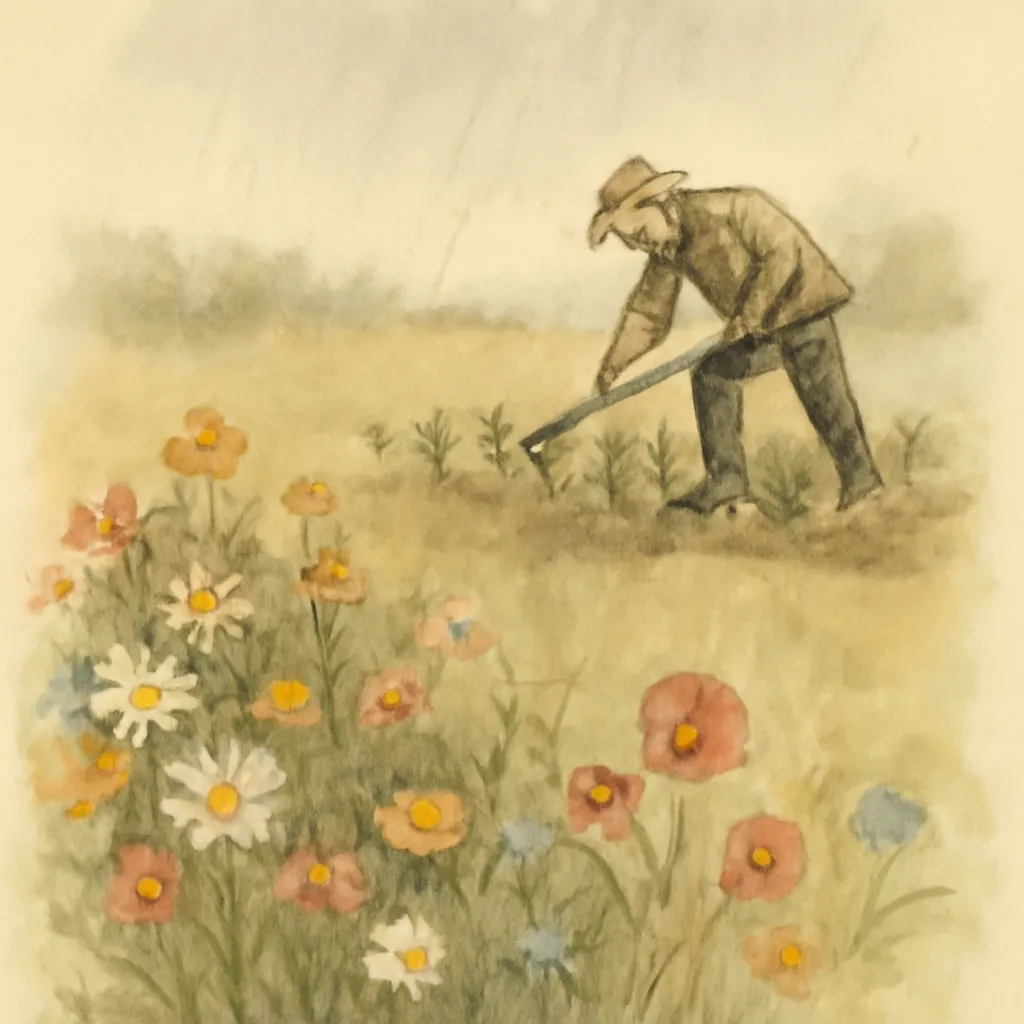
The changing seasons serve as a central theme throughout Barnes' poetry, reflecting the cyclical nature of rural life and its deep connection to the environment. Each collection dedicated to Spring, Summer, Fall, and Winter encapsulates the distinct characteristics and activities associated with these times of year. For example, in the Spring collection, the blossoming of flowers and the return of warmth symbolize renewal and hope, as seen in the poem 'Hope in Spring.' The imagery of new life sprouting and the joy of Easter celebrations capture the essence of rejuvenation. Conversely, the Fall collection captures the labor and harvest, reflecting themes of gratitude and fulfillment, particularly in 'Harvest Hwome:—The vu'st Peaert,' where the fruits of labor are celebrated. Through these seasonal snapshots, Barnes illustrates how each season brings its own joys and challenges, anchoring the lives of the rural folk in a rhythm dictated by nature. This celebration of the seasons not only enriches the thematic depth of the poems but also resonates with readers who recognize the universal cycles of life.
3.Life's Simple Pleasures
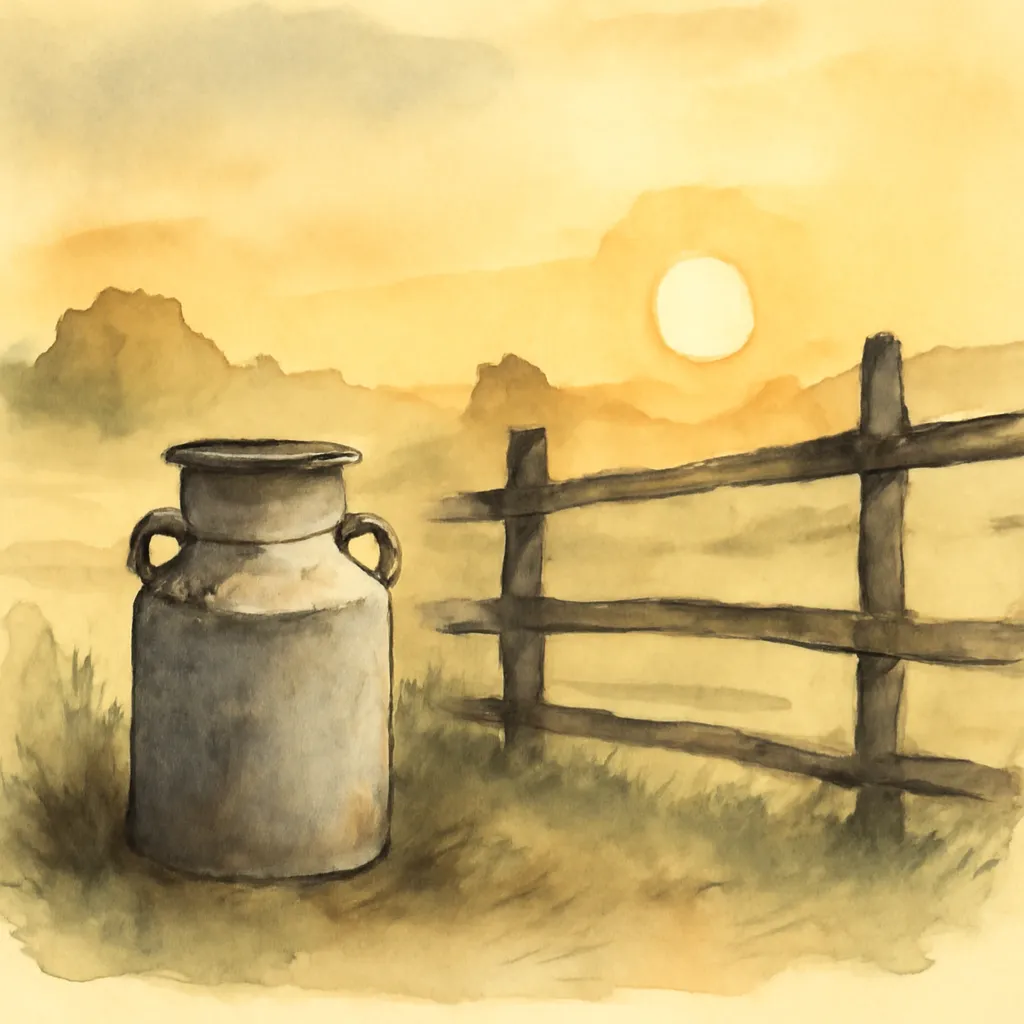
Barnes paints a vivid picture of the simple joys that permeate rural life, emphasizing the beauty found in everyday moments. In poems like 'The Milk-Maid o' the Farm,' he captures the happiness of Poll, the milkmaid, as she carries out her daily tasks with contentment. The imagery of her cheerful demeanor and the pastoral setting create a sense of peace and satisfaction that resonates with readers. Barnes suggests that happiness can often be found in the mundane—whether it's tending to livestock, harvesting crops, or enjoying a dance at the local fair, as depicted in 'Woodcom' Feaest.' This focus on simplicity encourages readers to appreciate the small pleasures in their own lives, fostering a sense of gratitude and mindfulness. By celebrating the ordinary, Barnes elevates the rural experience, reminding us that joy often resides in the simplest of acts. His portrayal of Poll's unwavering happiness becomes a metaphor for the fulfillment that can be found in commitment to one's work and community.
4.Community and Connection
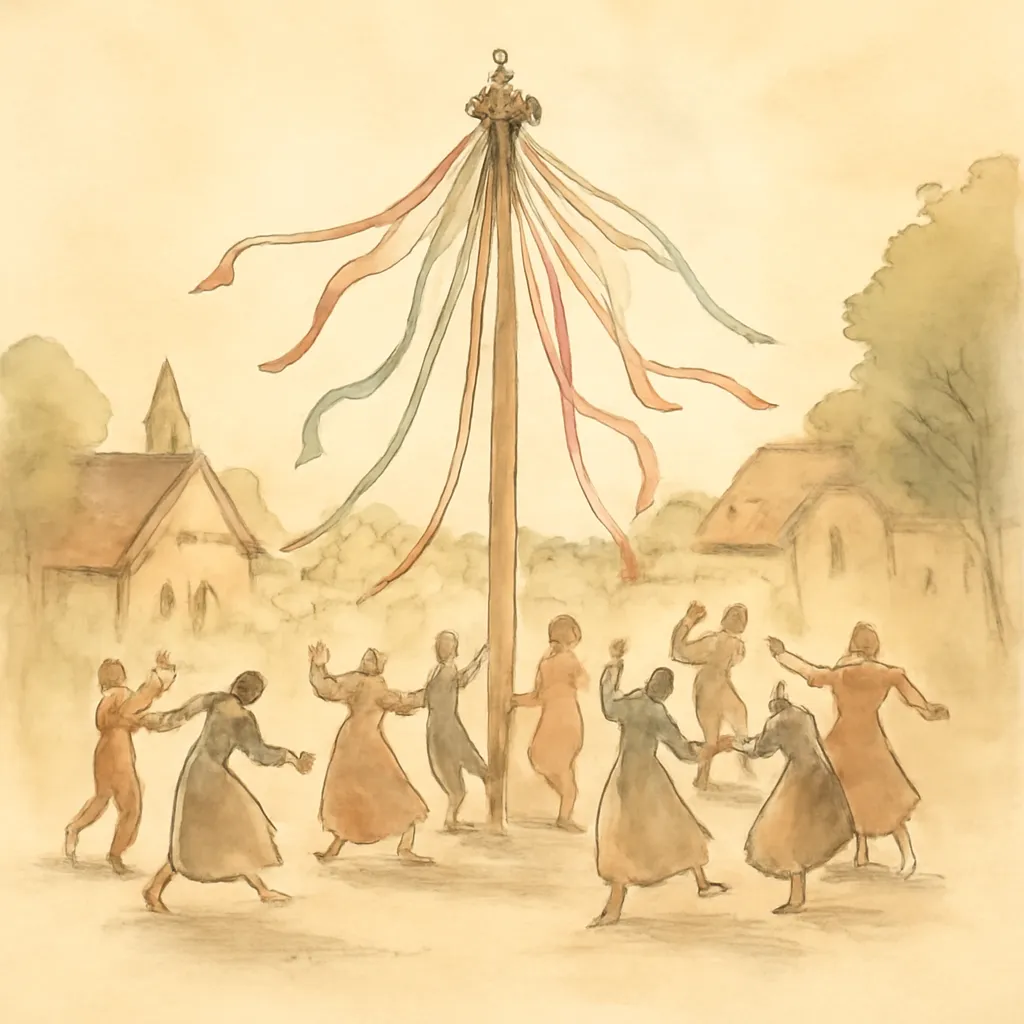
The importance of community is a recurring motif in Barnes' poetry, where interactions among villagers highlight the bonds that tie them together. In 'Woodcom' Feaest,' the joy of gathering for a dance exemplifies the communal spirit that characterizes rural life. The poem captures the excitement and energy of the event, illustrating how such gatherings serve as vital expressions of identity and belonging. These events are opportunities for socialization, celebration, and the maintenance of traditions. Barnes illustrates how shared experiences, laughter, and camaraderie create a sense of unity among the villagers, reinforcing the idea that life is richer when lived together. The poet’s emphasis on community serves as a poignant reminder of the value of human connection, particularly in a world that often prioritizes individualism. Through his portrayal of communal activities, Barnes captures the essence of togetherness, celebrating the strength and resilience that arise from shared experiences. His work suggests that it is in these connections that individuals find support, joy, and a sense of purpose.
5.The Interplay of Nature and Humanity
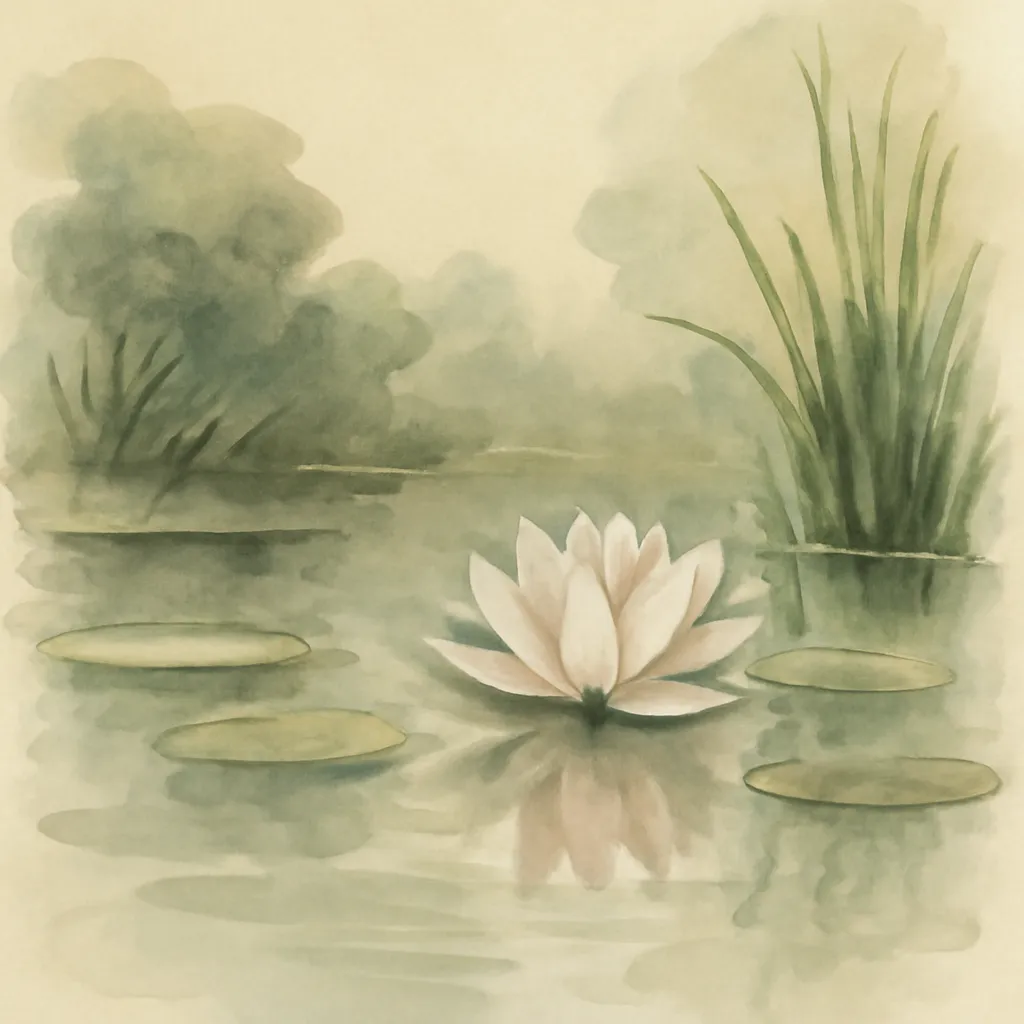
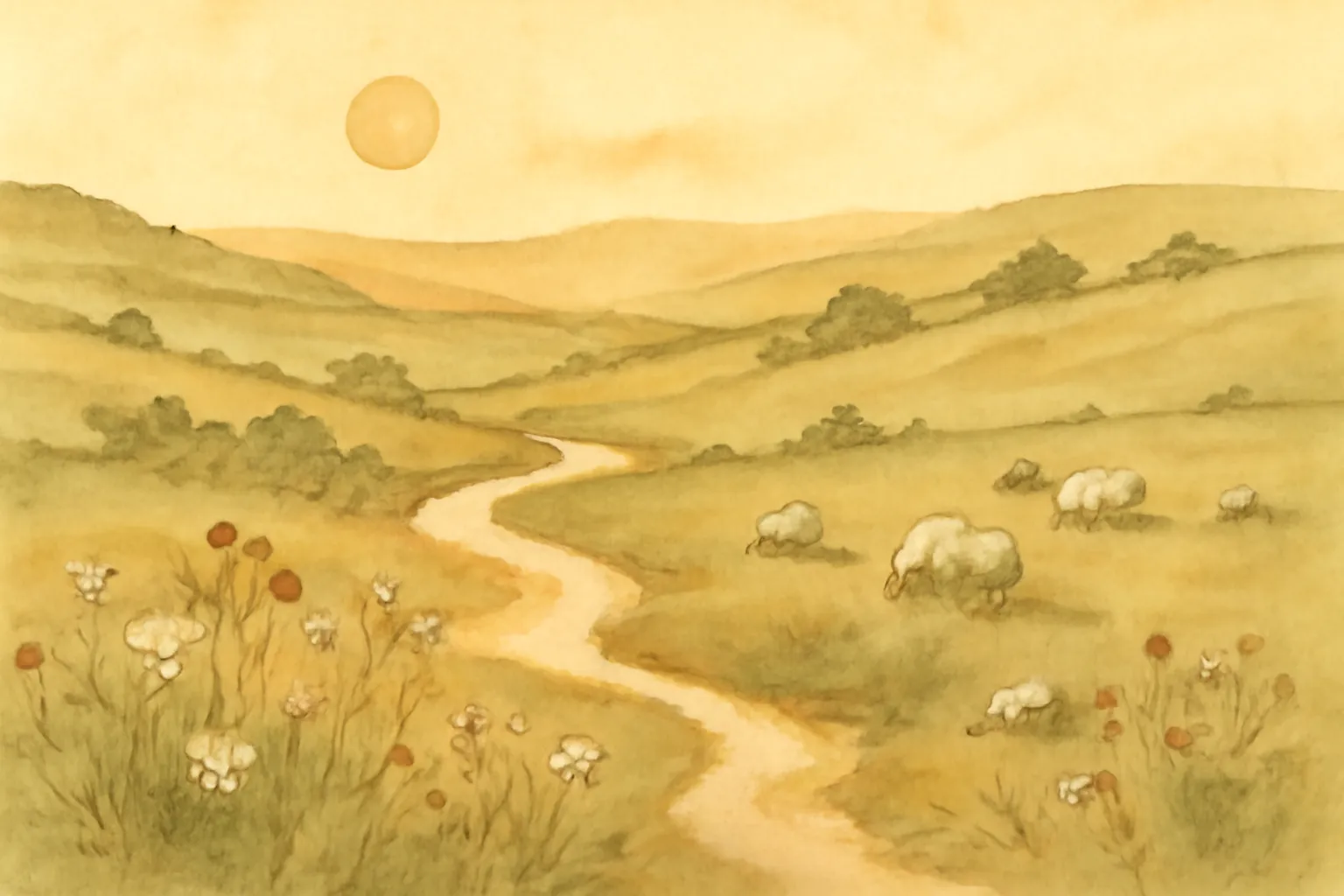
Barnes' poetry often reflects a profound reverence for nature, portraying it as an integral part of rural life that shapes the experiences of its inhabitants. In 'The Clote,' he personifies the water-lily, celebrating its beauty and the tranquility of the stream it inhabits. This interplay between nature and humanity is a recurring theme, as Barnes illustrates how the natural world influences the rhythms of daily life, from agricultural practices to social gatherings. The poet's deep appreciation for the landscape imbues his work with a sense of nostalgia and longing, as he captures fleeting moments of beauty that resonate with readers. For instance, the depiction of fields, hedgerows, and the changing sky creates a vivid backdrop against which the lives of the characters unfold. By intertwining the lives of rural people with the environment, Barnes invites readers to reflect on their own relationship with nature, encouraging a deeper awareness of the interconnectedness of all living things. This connection between humanity and the natural world emphasizes the need for harmony and respect for the environment as a source of inspiration and sustenance.
6.Nostalgia and Memory
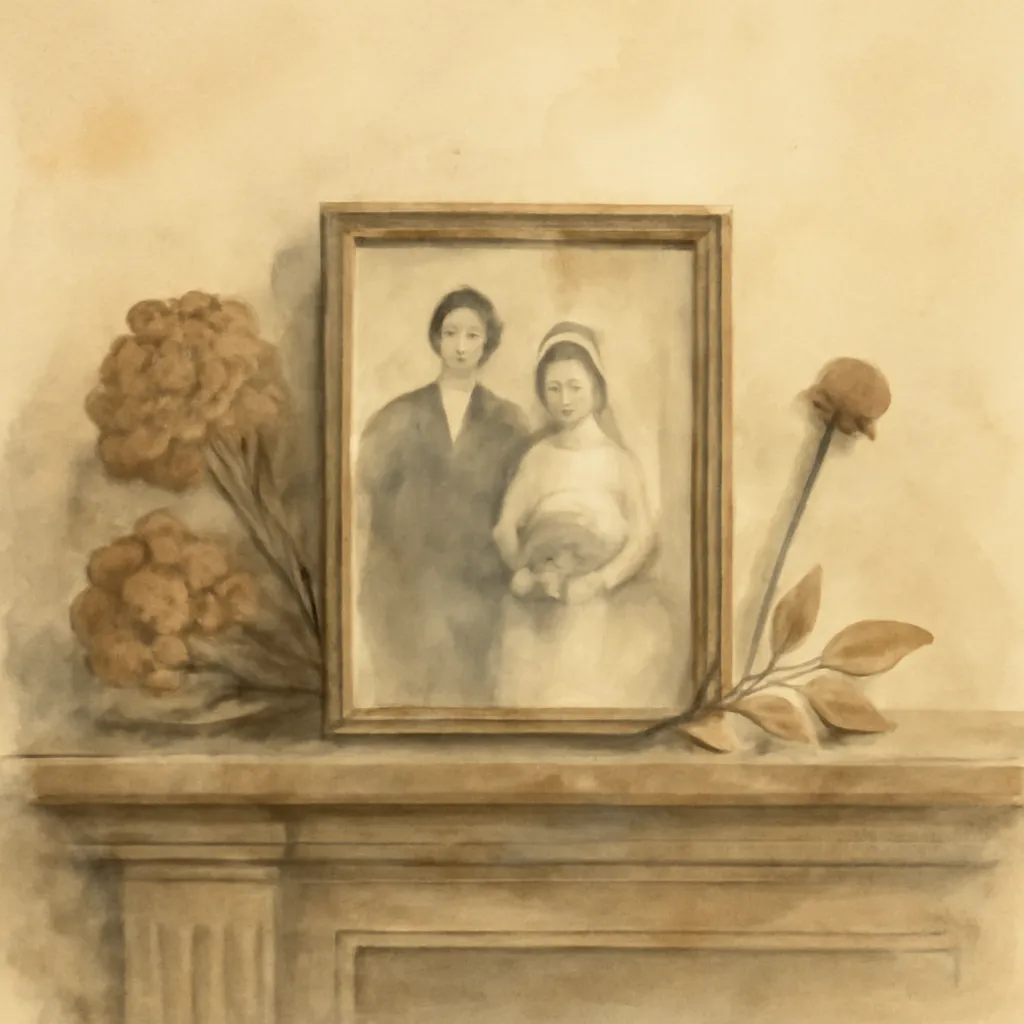
The themes of nostalgia and memory run deeply through Barnes' poetry, as he often reflects on the past with a sense of longing and reverence. In poems like 'Jeaene's Wedden Day in Mornen,' he captures the bittersweet moments of transition, such as a young woman's wedding day, highlighting the inevitability of change. This nostalgic lens invites readers to consider their own memories and the passage of time, fostering a sense of connection to their own pasts. The use of rich imagery allows readers to visualize the scenes being described, evoking their own experiences and emotions. Barnes' ability to evoke strong emotions through vivid imagery and poignant language allows readers to relive their own experiences alongside the characters in his poems. This exploration of memory not only enriches the emotional depth of the work but also emphasizes the importance of cherishing the moments that shape our identities. The poet’s reflections serve as a reminder that memories, both joyful and sorrowful, are integral to the human experience.
7.Humor and Lightheartedness
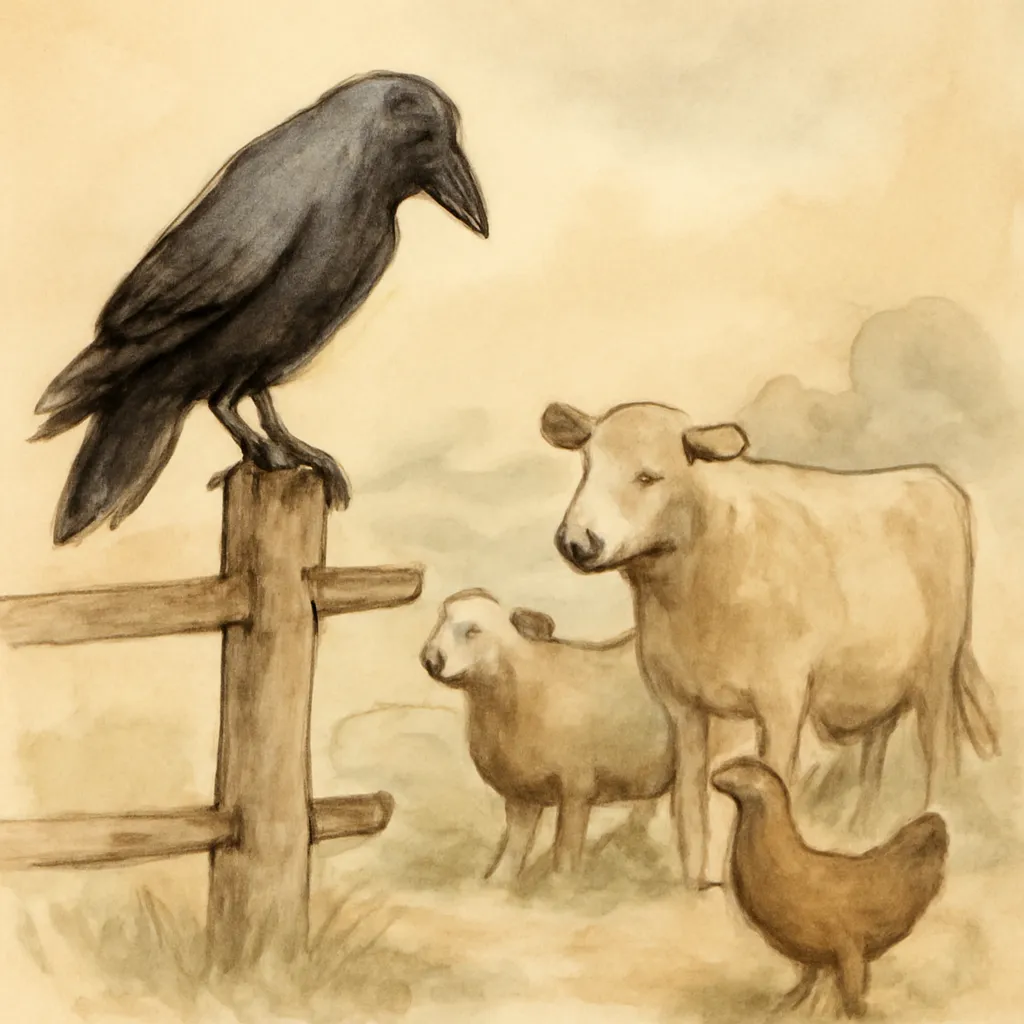
Barnes skillfully infuses humor and lightheartedness into his poetry, providing a refreshing contrast to the more serious themes of life and loss. In poems like 'Poll's Jack-Daw,' he captures the playful antics of a mischievous bird and the humorous exchanges between characters, creating a delightful atmosphere that invites laughter. This use of humor serves to humanize the rural folk, presenting them as relatable individuals who experience both joy and mischief in their daily lives. The clever wordplay and amusing scenarios draw readers in and create a sense of familiarity with the characters. By incorporating wit and levity, Barnes balances the emotional weight of his work, reminding readers that laughter is an essential part of the human experience. This playful tone encourages readers to find joy in their own lives, even amidst the challenges they may face, reinforcing the idea that humor can be a healing force.
8.Spirituality and Reflection
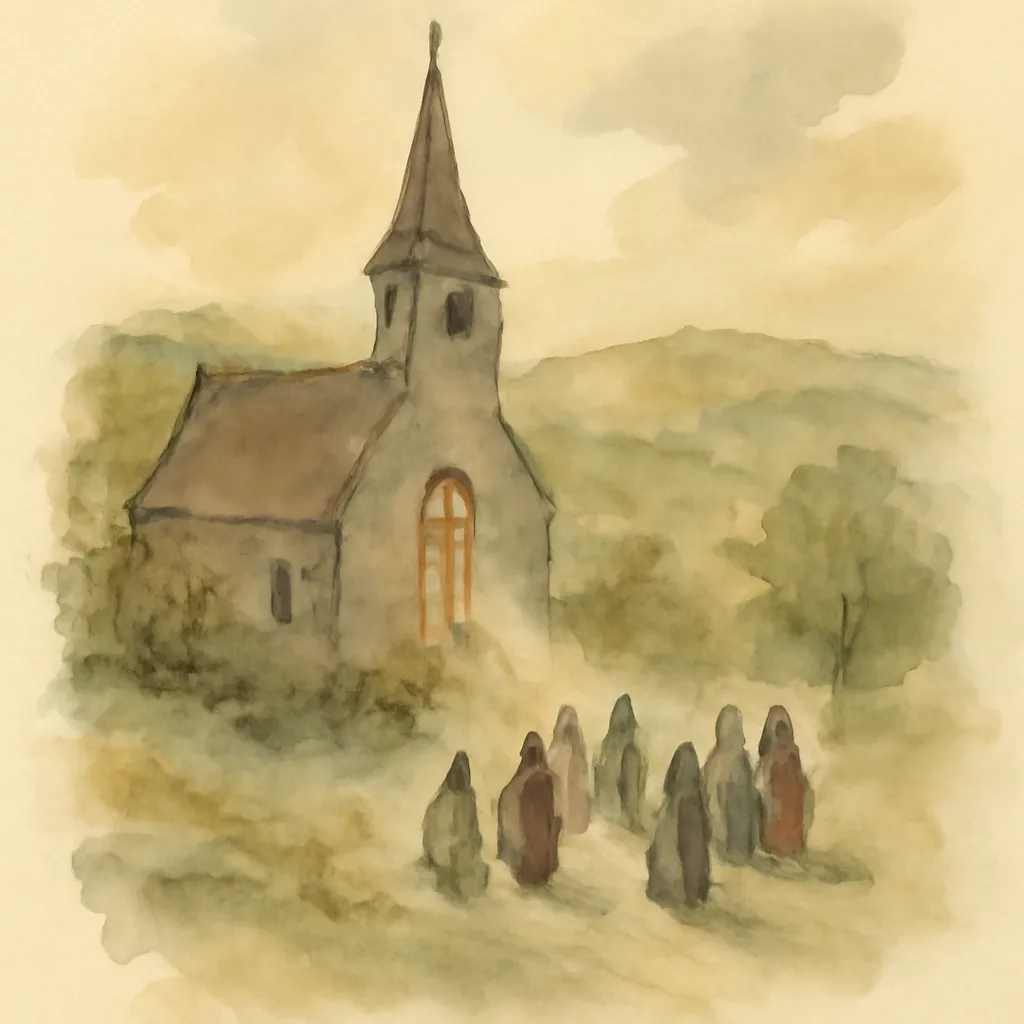
Barnes often weaves spiritual themes into his poetry, reflecting the deep connection between the rural community and their faith. In poems that depict church gatherings, such as 'The Beam in Grenley Church,' he illustrates the role of spirituality in shaping the lives of the villagers. The church serves as a central gathering place, a symbol of community and shared beliefs. These moments of reflection provide a sense of solace and guidance, reinforcing the idea that faith can be a source of strength in difficult times. The poet's exploration of spirituality encourages readers to consider their own beliefs and the role they play in their lives. By grounding his work in themes of faith and reflection, Barnes invites readers to engage in a deeper exploration of their own spiritual journeys, fostering a sense of connection to something greater than themselves. His portrayal of spiritual life emphasizes the comfort that can be found in faith, community, and shared values.
9.The Cycle of Life and Death
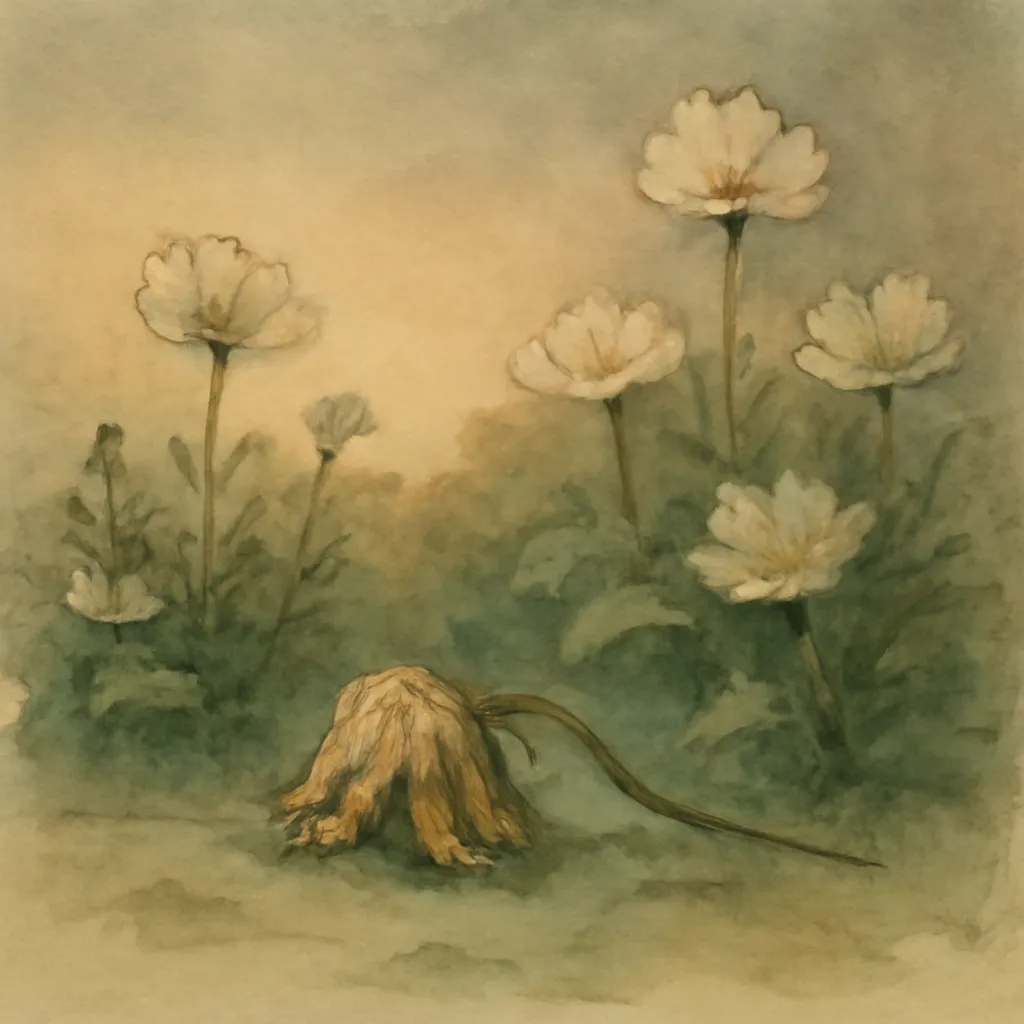
Barnes addresses the cycle of life and death with a tender poignancy that resonates throughout his poetry. In poems like 'The Young That Died in Beauty,' he reflects on the fragility of life and the deep sorrow experienced by those left behind. This exploration of mortality serves to remind readers of the preciousness of each moment, encouraging them to cherish their loved ones and the experiences they share. Through heartfelt observations, Barnes highlights the inevitability of death while celebrating the lives of those who have passed. The poet does not shy away from the harsh realities of loss; instead, he embraces them, offering a compassionate perspective that underscores the interconnectedness of all life. Each poem becomes a meditation on the impact of loss and the importance of honoring memories, inviting readers to reflect on their own lives and the legacies they wish to leave behind. By confronting the inevitability of death, the poet encourages a deeper appreciation for life’s fleeting moments.
10.The Importance of Labor
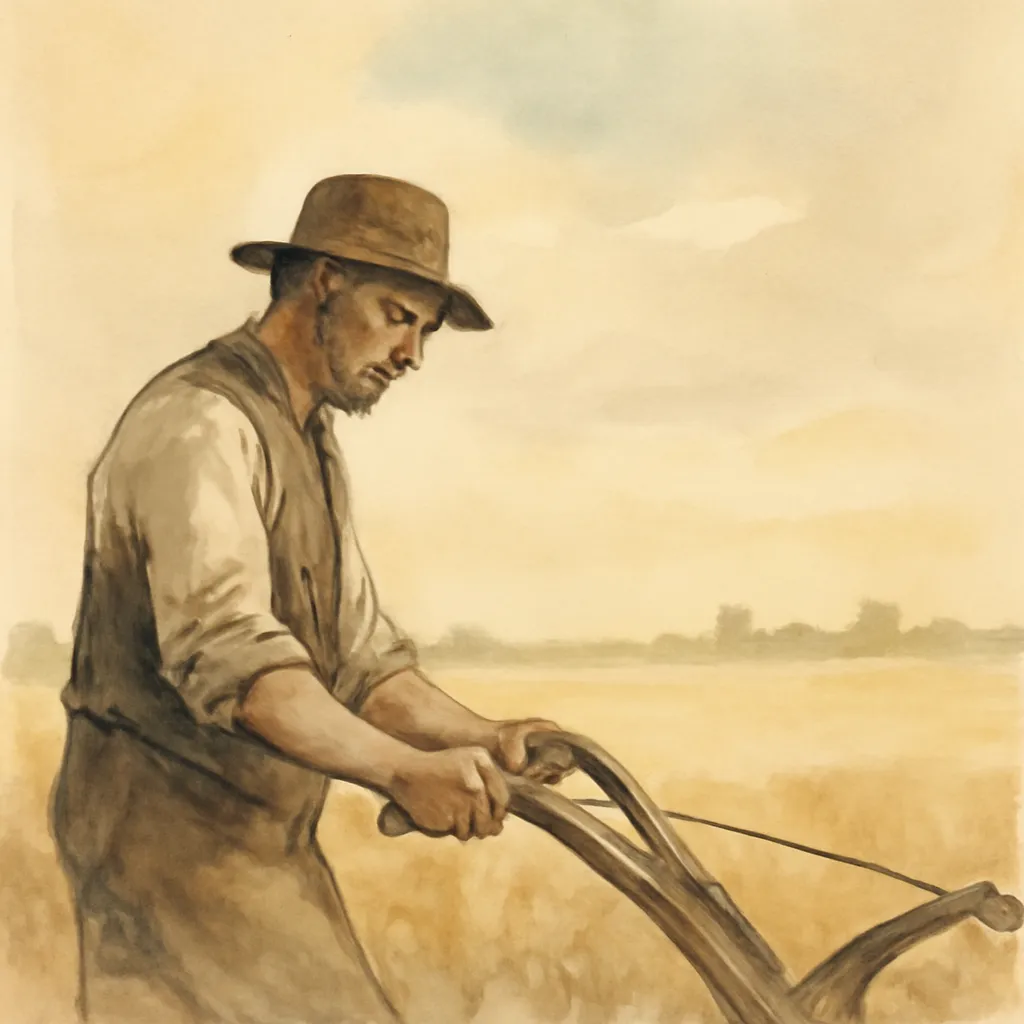
Barnes underscores the significance of labor in rural life, portraying it as a source of pride and fulfillment. In various poems, he discusses the hard work associated with farming and other rural activities, such as in 'A-Haulen o' the Corn.' He emphasizes the dignity of labor and the satisfaction that comes from working the land. The imagery of sweat, toil, and the fruits of labor serves as a tribute to the dedication of the rural folk. By highlighting the connection between hard work and community sustenance, Barnes illustrates how labor is not merely a means of survival but also an integral part of identity and cultural heritage. This focus on labor fosters respect for the contributions of rural workers and their relationship to the land, reinforcing the idea that meaningful work can lead to a deeper connection with both the community and the environment.