1.The Birth of the Mounted Police
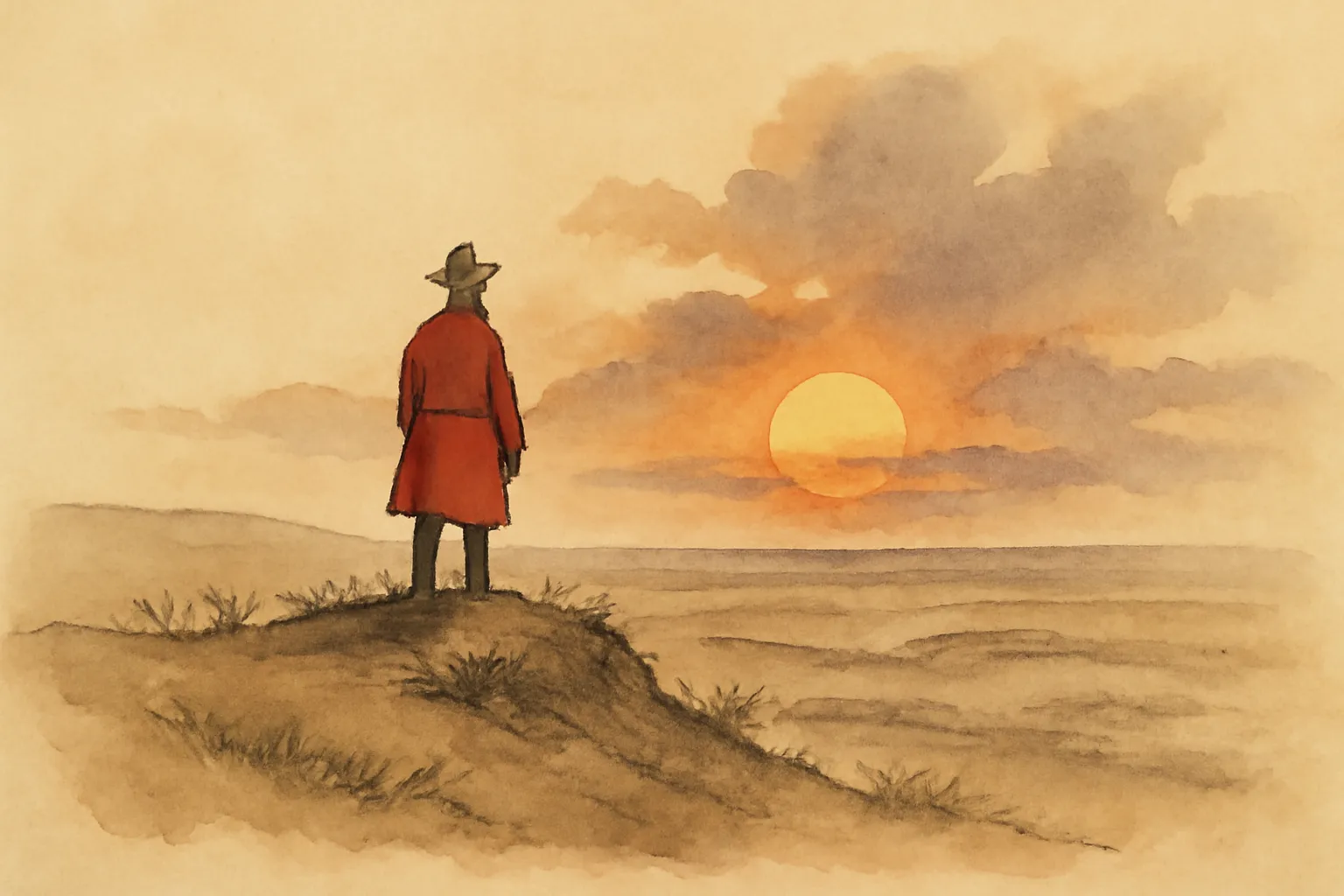
The formation of the Royal North-West Mounted Police in 1873 was a response to the growing need for law and order in the vast, unsettled territories of Canada. The government, under John A. Macdonald, recognized that with the influx of settlers and the looming threat of American whiskey traders, a dedicated police force was essential. Colonel French, the first Commissioner, was tasked with creating an organized and disciplined force to patrol the plains, asserting Canadian sovereignty and maintaining peace among diverse groups. This initiative was not merely about law enforcement; it was a strategic move to solidify Canada's claim over the western territories during a time of expansion and potential conflict with neighboring nations. The Mounted Police's distinctive red uniforms became a symbol of authority and order, establishing a presence that would soon be respected by settlers and Indigenous peoples alike.
2.Facing the Challenges of the Frontier
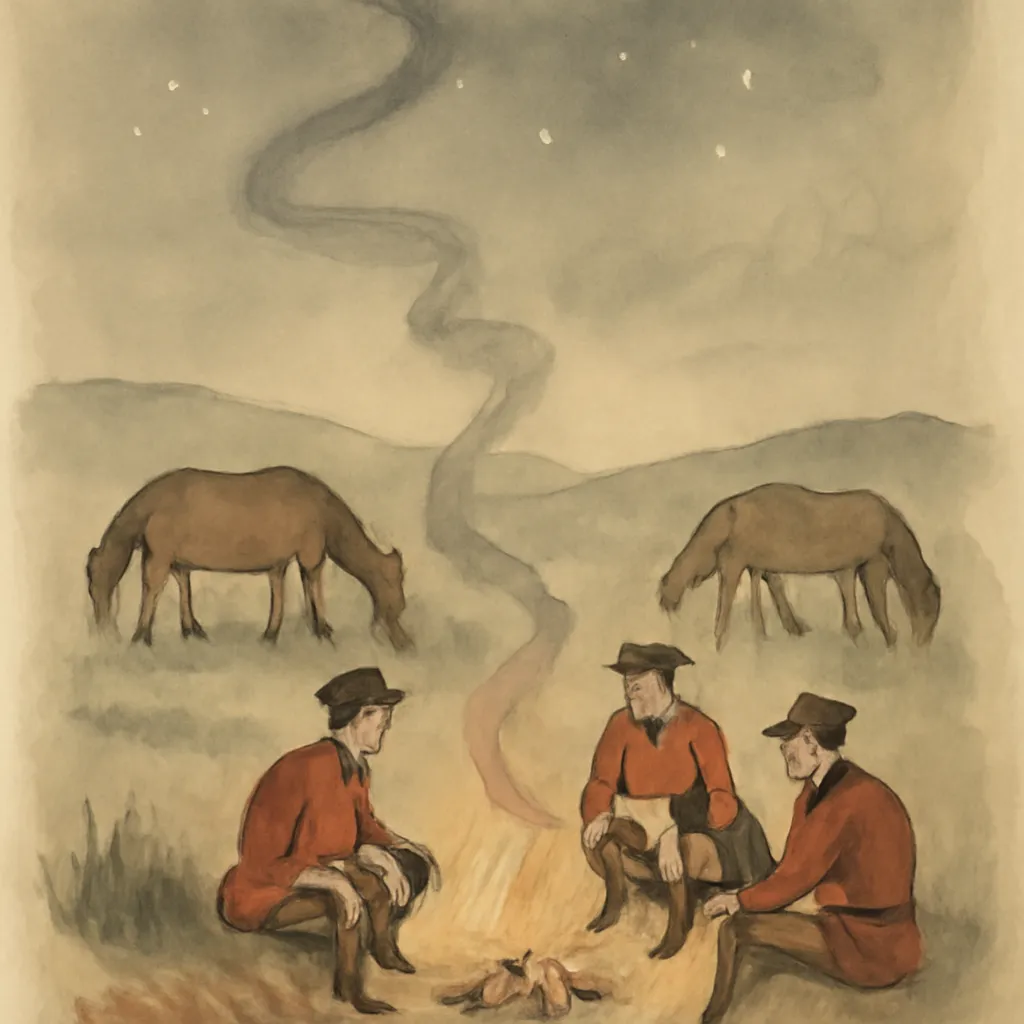
The early years of the Mounted Police were fraught with challenges, as officers faced harsh environmental conditions and a populace often resistant to authority. MacBeth details the grueling conditions endured by the force, from extreme weather to limited supplies, which tested their resilience. The Cypress Hills Massacre, a pivotal event in 1873, highlighted the urgent need for a law enforcement presence to curb violence between Indigenous tribes and American traders. Such incidents underscored the precarious balance the Mounted Police had to maintain between asserting control and fostering relationships with Indigenous groups. The officers often found themselves in dangerous situations, navigating not only the physical landscape but also the complex social dynamics of a rapidly changing frontier. Their ability to adapt and maintain order amidst chaos was crucial in establishing the rule of law.
3.The Importance of Uniformity and Symbolism
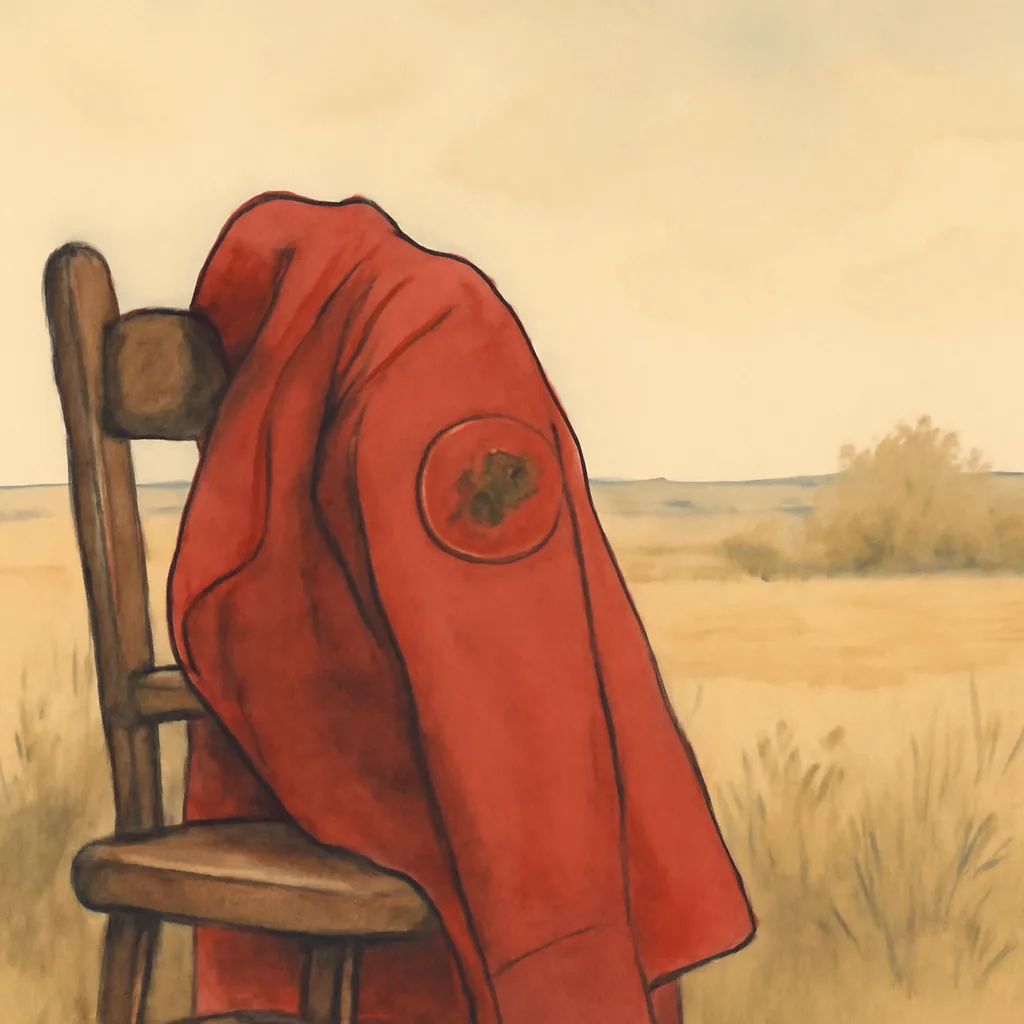
The visual impact of the RNWMP's red uniforms played a significant role in their authority on the plains. The color red was not just a matter of aesthetics; it carried historical significance, resonating with Indigenous peoples who associated it with the British military. MacBeth notes that the bright uniforms instilled a sense of order and respect, often disarming potential conflicts before they escalated. The uniforms became a powerful symbol of British authority and law, influencing perceptions of the Mounted Police among settlers and Indigenous communities alike. This strategic use of color and uniformity was a deliberate choice, reinforcing the idea that these officers were not merely enforcers of the law but also representatives of a larger governmental presence in a time of uncertainty. Such symbolism contributed to the RNWMP's effectiveness in maintaining peace and order in a diverse and often volatile environment.
4.Engaging with Indigenous Peoples
The relationship between the Mounted Police and Indigenous communities was complex, marked by both conflict and cooperation. MacBeth emphasizes that the officers were often faced with the task of mediating disputes and negotiating peace between various tribes, as well as between settlers and Indigenous peoples. The influx of whiskey traders exacerbated tensions, leading to violence that the Mounted Police were called to quell. However, the officers also recognized the importance of building trust and understanding with Indigenous communities. By engaging in dialogue and respecting cultural practices, they were able to foster a degree of cooperation that was essential for maintaining order. This nuanced approach not only helped to prevent violence but also established the Mounted Police as a legitimate authority in the eyes of Indigenous peoples, who often viewed them as allies against the encroachment of less scrupulous traders and settlers.
5.The Role of the Mounted Police in Nation-Building
The RNWMP was not just a police force; it was a vital component of Canada's nation-building efforts. MacBeth illustrates how the Mounted Police helped to establish a sense of security that allowed settlers to thrive and communities to develop. Their presence facilitated the construction of the Canadian Pacific Railway, a project that was crucial for connecting the east and west of Canada. The assurance of law and order provided by the Mounted Police encouraged immigration and investment, transforming the western territories into viable regions for settlement and agriculture. The officers' commitment to maintaining peace allowed for the establishment of schools, churches, and other institutions that contributed to the social fabric of the new communities. In this way, the Mounted Police played a foundational role in shaping the identity of Western Canada, embodying the values of justice and order that would define the nation.
6.Handling Domestic and International Tensions
The RNWMP also had to navigate the complexities of international relations, particularly with the United States. MacBeth discusses the influx of battle-scarred American Indians into Canada, which posed a unique challenge for the Mounted Police. These groups were often seeking refuge from conflict, but their presence raised concerns about potential cross-border tensions. The officers had to manage these situations delicately, ensuring that the rights of Indigenous peoples were respected while also maintaining order. This required a combination of firmness and diplomacy, as the Mounted Police worked to prevent any actions that could lead to international incidents. Their ability to handle such tensions without escalating conflicts is a testament to their training and commitment to peacekeeping. MacBeth highlights specific instances where the Mounted Police successfully mediated disputes, illustrating their crucial role in maintaining stability in a region marked by diversity and potential for conflict.
7.The Impact of the Gold Rush
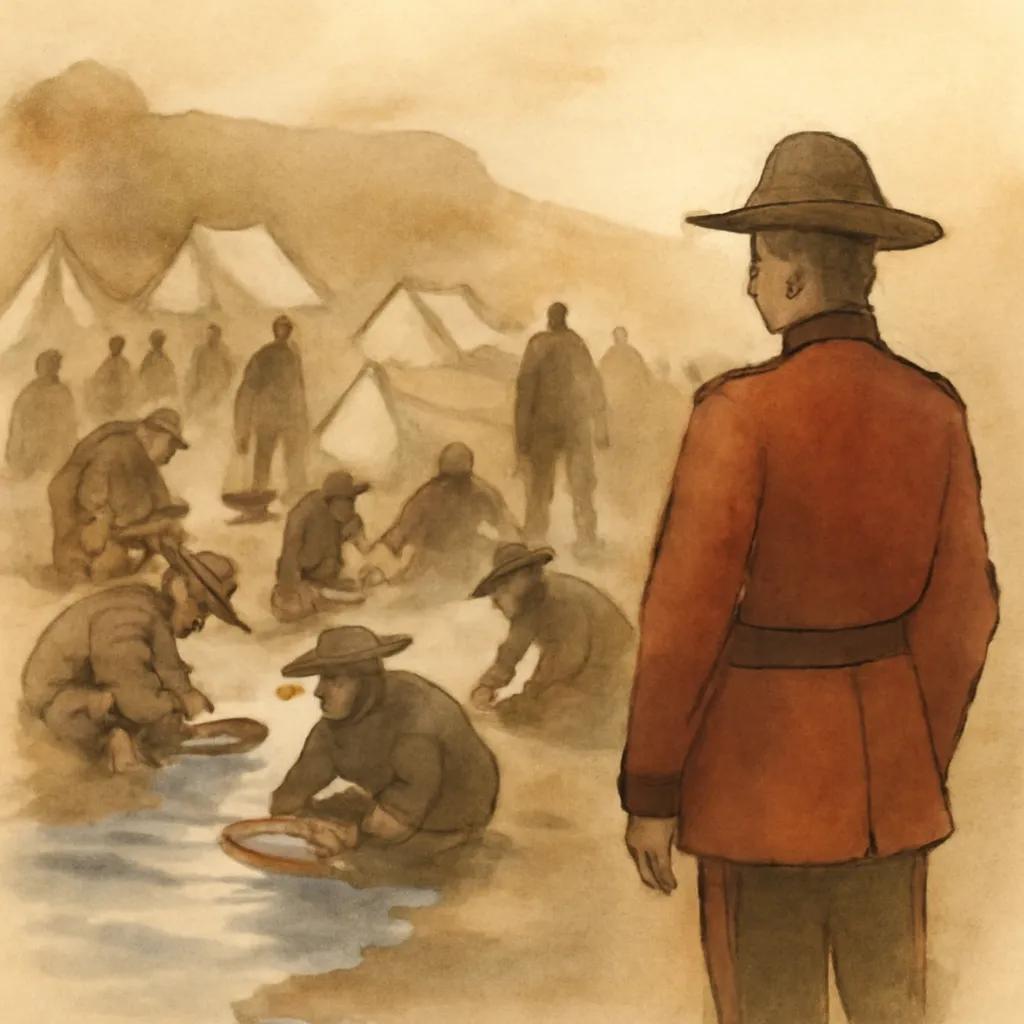
The gold rushes in the late 19th century brought a surge of prospectors and settlers to the western territories, further complicating the Mounted Police's mission. MacBeth details how the influx of fortune-seekers led to increased lawlessness, as individuals often disregarded legal boundaries in pursuit of wealth. The Mounted Police were tasked with enforcing order in these chaotic conditions, which included managing disputes over land claims and dealing with the influx of crime related to gambling and alcohol. The officers had to adapt their strategies to address the unique challenges posed by this new wave of settlers, often finding themselves in confrontations with those who believed they were above the law. Despite these challenges, the Mounted Police maintained their authority and worked to establish a legal framework that would allow for the orderly development of the region. Their efforts during this tumultuous period were critical in shaping the governance of the territories.
8.The Legacy of the Mounted Police
The legacy of the Royal North-West Mounted Police extends far beyond their initial establishment and early challenges. MacBeth illustrates how the principles of law enforcement, community engagement, and respect for diverse cultures that the Mounted Police embodied set a precedent for modern policing in Canada. Their commitment to justice and order laid the groundwork for the rule of law in the western provinces, influencing how law enforcement operates today. The Mounted Police's ability to adapt to changing circumstances and their focus on building relationships with communities have become hallmarks of effective policing. Moreover, the RNWMP's historical significance is recognized in contemporary discussions about law enforcement, Indigenous rights, and community relations. By examining the successes and failures of the Mounted Police, MacBeth invites readers to reflect on the ongoing evolution of justice and authority in Canada.
9.The Human Element in Law Enforcement
Throughout 'Policing the Plains,' MacBeth emphasizes the human element of the Mounted Police, showcasing the individual stories of officers who served with bravery and dedication. These personal narratives provide a glimpse into the motivations and sacrifices of the men behind the uniforms. From their rigorous training to the harrowing experiences they faced on the frontier, the officers of the RNWMP were not just enforcers of the law but also individuals driven by a sense of duty and adventure. MacBeth recounts specific incidents that highlight the courage and resourcefulness of these men, illustrating how their actions had lasting impacts on the communities they served. By sharing these stories, the book humanizes the institution of the Mounted Police, allowing readers to appreciate the complexities of their roles beyond mere law enforcement. This focus on individual experiences adds depth to the historical narrative, making it relatable and engaging.
10.The Evolution of Policing in Canada
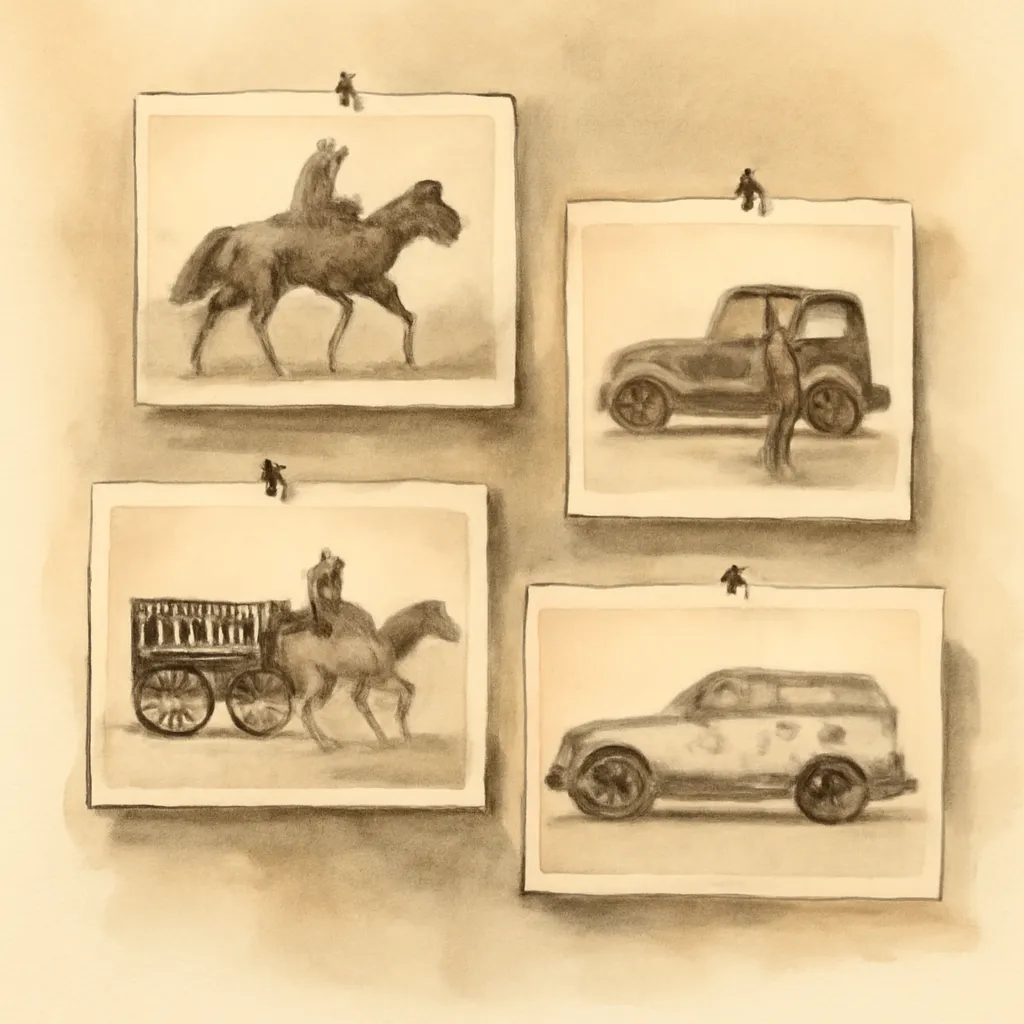
The establishment of the Royal North-West Mounted Police marked a significant turning point in the evolution of policing in Canada. MacBeth explores how the principles and practices developed by the RNWMP laid the foundation for modern law enforcement agencies across the country. The early emphasis on community engagement, respect for diverse populations, and the need for officers to act with integrity and fairness became central tenets of policing in Canada. Over the years, as the country expanded and evolved, so too did the role of the Mounted Police, adapting to new challenges such as urbanization and changes in societal expectations. MacBeth's narrative demonstrates that the legacy of the RNWMP is not static; rather, it continues to influence contemporary discussions about the role of police in society, accountability, and the importance of building trust with communities. By reflecting on this evolution, readers can better understand the complexities of policing today and the ongoing efforts to ensure justice and equity in law enforcement.