1.The Arrival of Pollyanna
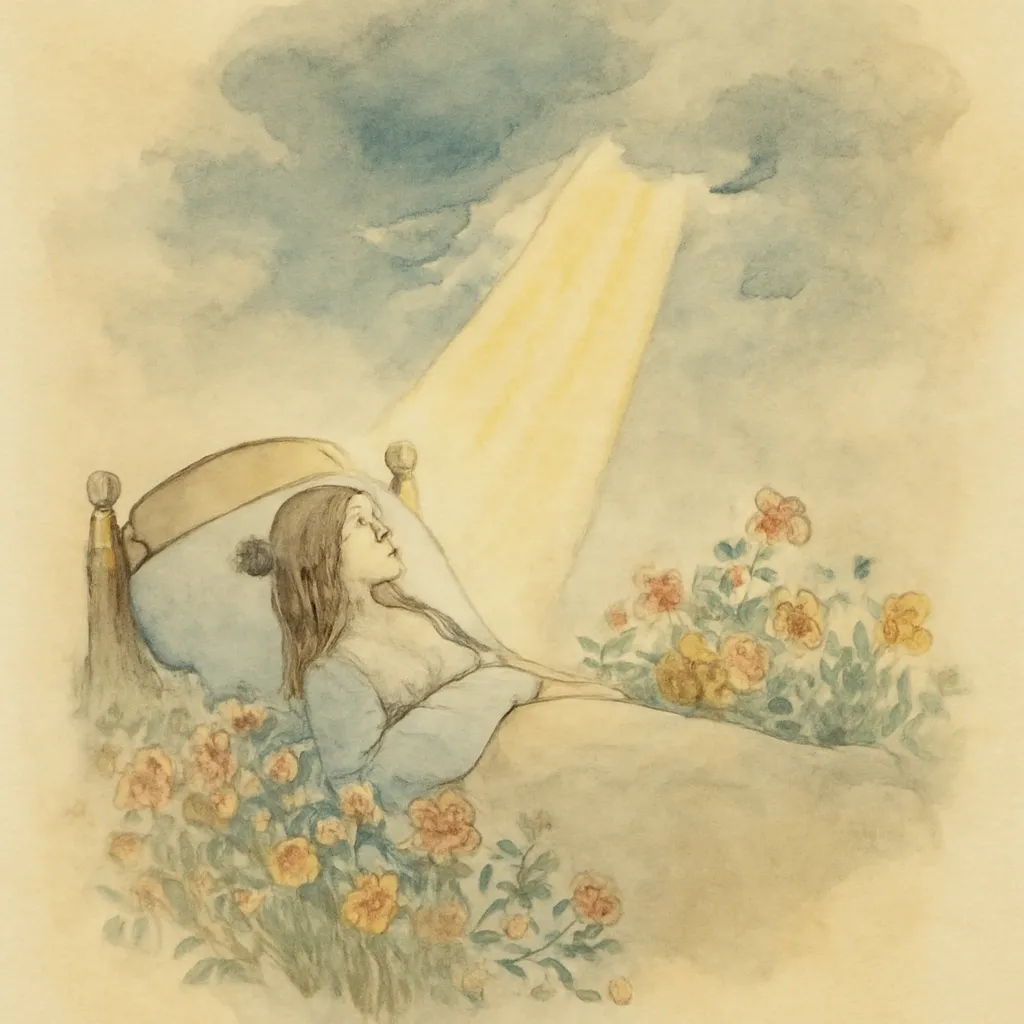
Miss Polly Harrington's life is turned upside down with the arrival of her niece, Pollyanna. Initially, Miss Polly is a strict, no-nonsense woman who prides herself on maintaining control and order in her life. However, Pollyanna's exuberant spirit and infectious enthusiasm challenge the rigidity of her aunt's world. As Pollyanna arrives, she is overwhelmed with gratitude for her new home, expressing joy even when Miss Polly's demeanor is cold and unwelcoming. This contrast sets the stage for the transformation of both characters, as Pollyanna's optimistic outlook begins to chip away at Miss Polly's stern exterior. The juxtaposition of their personalities highlights the profound impact that a single optimistic individual can have on a more pessimistic environment.
2.Playing the Glad Game
Pollyanna introduces her 'glad game' as a tool to cope with life's challenges. The premise is simple: find something to be glad about in every situation, no matter how bleak it seems. For example, when faced with the disappointment of receiving crutches instead of a doll, Pollyanna chooses to be glad that she can learn to walk again. This game becomes a cornerstone of her character and serves as a means of not just self-soothing but also uplifting those around her. As she shares this philosophy with others, including her aunt, friends, and townspeople, the ripple effect of her positivity becomes evident. Pollyanna’s game encourages not just a shift in perspective but also fosters resilience and hope, making it a powerful narrative device that illustrates the book’s central theme.
3.Transforming Relationships
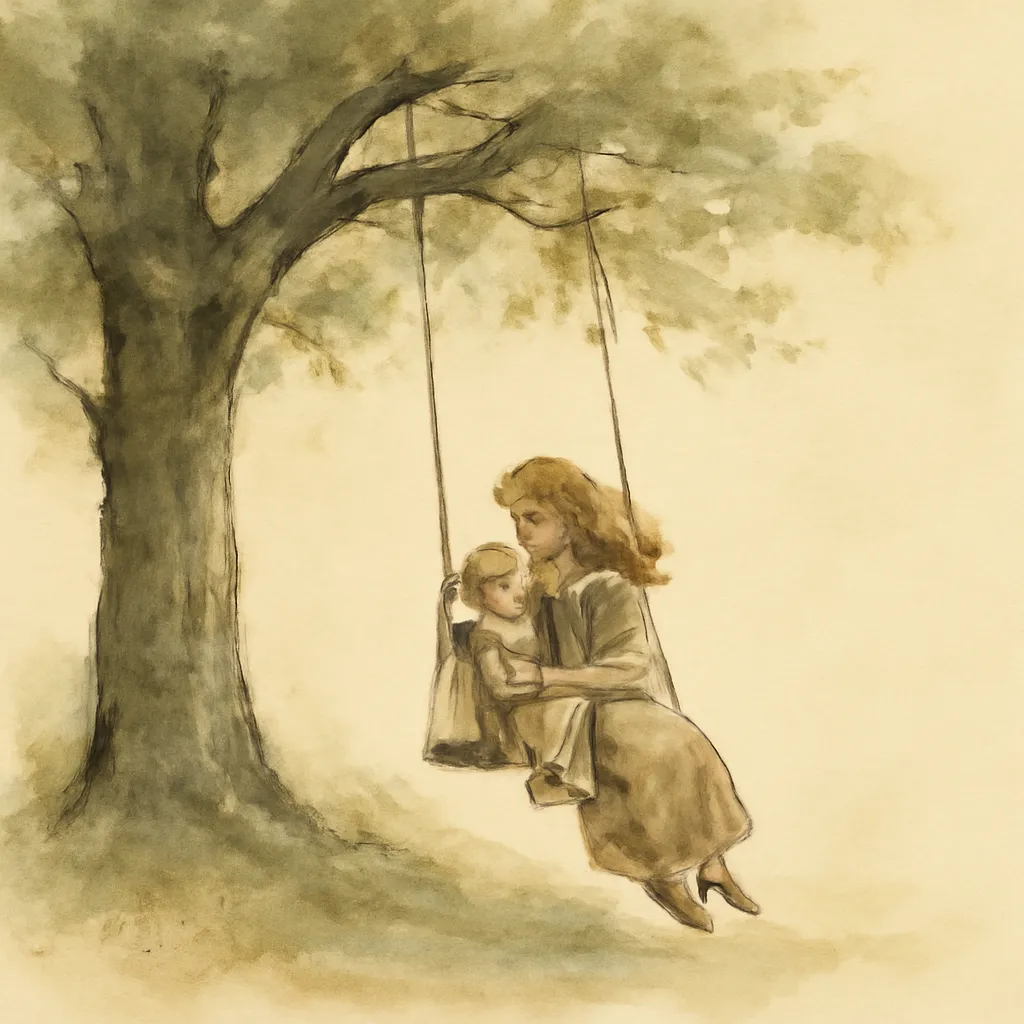
Pollyanna’s presence begins to transform the relationships around her, particularly with her aunt, Miss Polly. Initially, Miss Polly is dismissive and critical, but as Pollyanna expresses her gratitude and affection, the hardened walls of her aunt's heart start to crack. Miss Polly begins to recognize the joy that Pollyanna brings, leading her to reconsider her own attitudes toward life and family. Their evolving relationship serves as a microcosm for the broader theme of connection and community. As Pollyanna interacts with other characters, including Nancy, Old Tom, and Mr. Pendleton, she teaches them the value of kindness, empathy, and understanding. This transformation showcases how positivity can mend broken relationships and foster a supportive community.
4.The Power of Gratitude
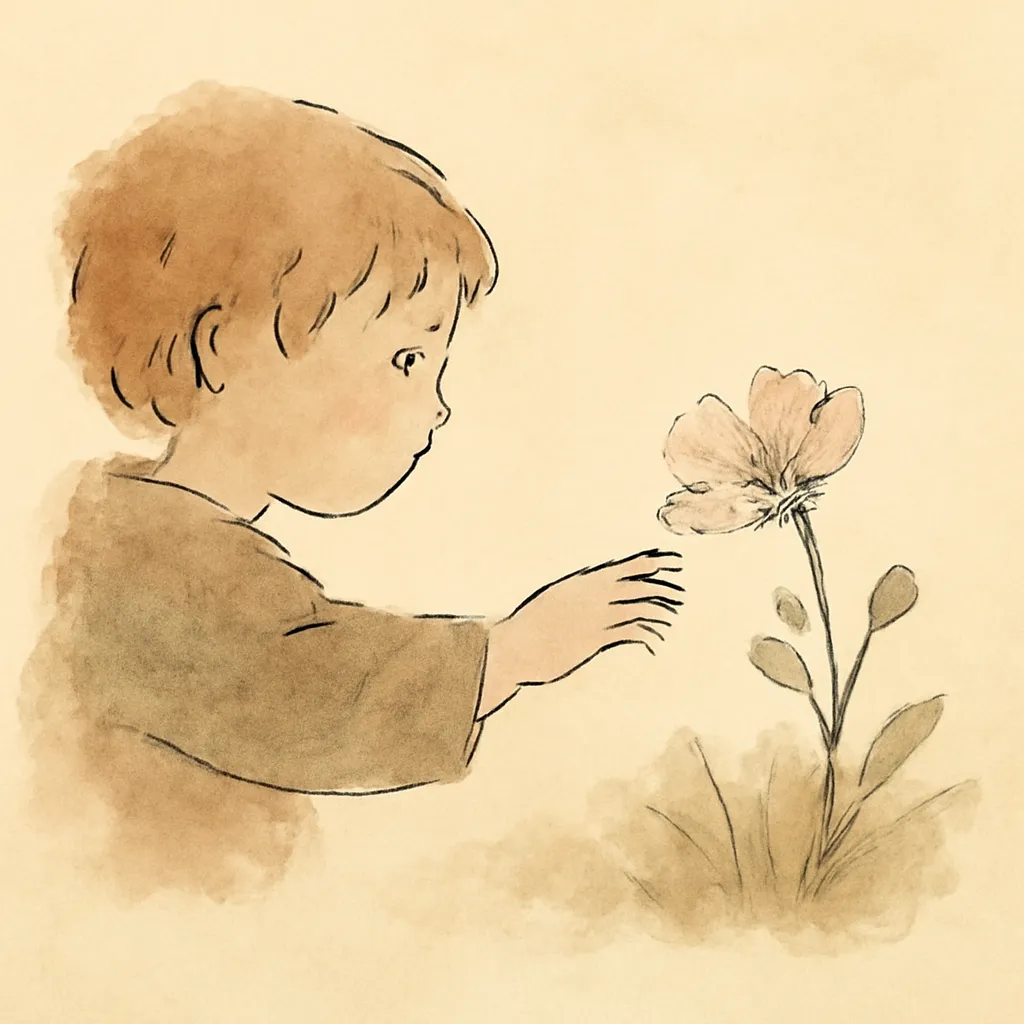
Gratitude emerges as a powerful theme throughout 'Pollyanna.' The little girl’s ability to find joy in the smallest things—like the beauty of a flower or the warmth of the sun—demonstrates how a grateful heart can change one's outlook on life. Pollyanna’s gratitude is not merely a reaction but an active choice she makes daily. This practice not only uplifts her spirit but also influences those around her, encouraging them to adopt a similar mindset. For instance, when she helps Mrs. Snow, a sickly woman who has lost her joy, Pollyanna's gratitude for life and her ability to find joy even in hardship serve as a catalyst for change. This theme encourages readers to cultivate a habit of gratitude in their own lives, reinforcing the idea that happiness often stems from appreciating what we have rather than focusing on what we lack.
5.Facing Adversity with a Smile
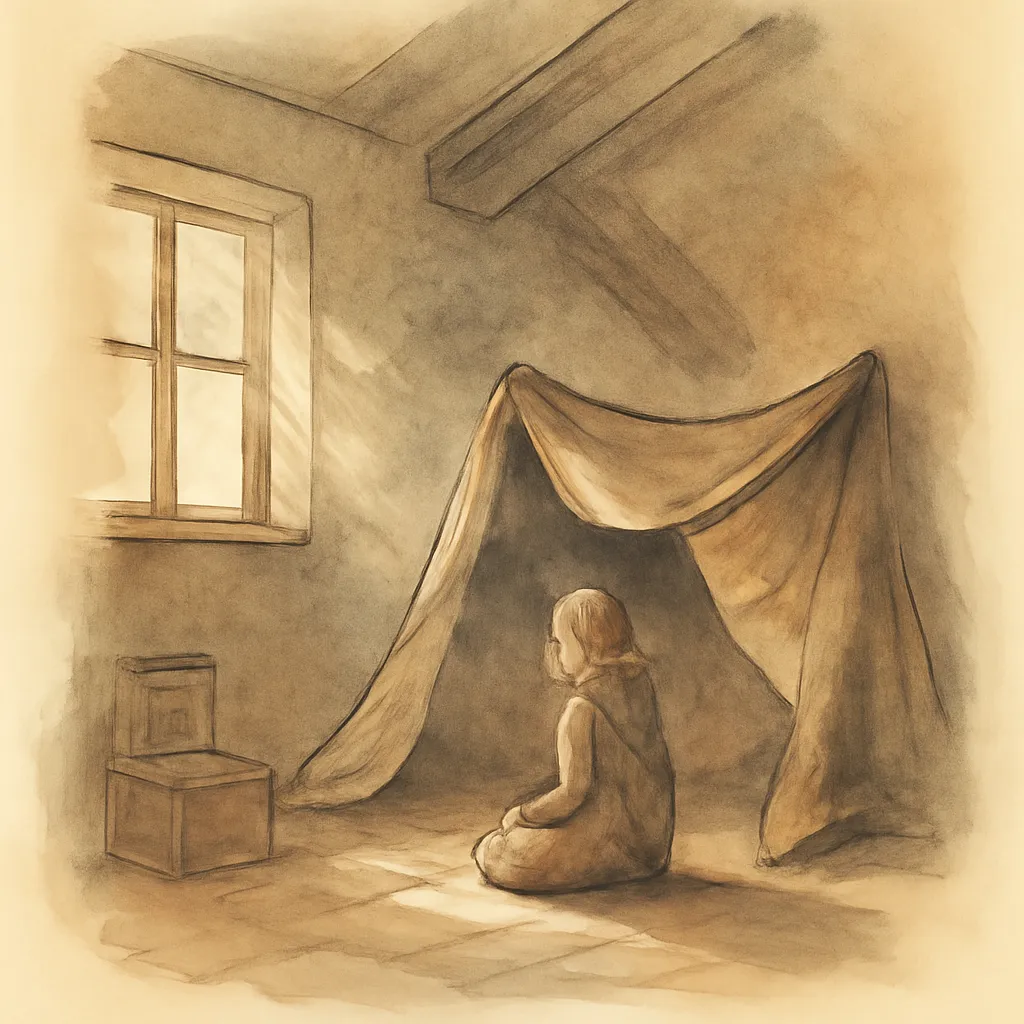
Pollyanna’s life is not devoid of adversity; rather, it is her response to these challenges that defines her character. When she faces the reality of being placed in a small attic room, she chooses to see it as an adventure rather than a punishment. This resilience is a key aspect of her personality and serves as an important lesson for readers about the power of perspective. Pollyanna’s ability to maintain her optimism in the face of difficulties, such as her injuries and the struggles of those around her, illustrates that while we cannot always control our circumstances, we can control our reactions to them. This lesson is particularly poignant in a world that often feels overwhelming, reminding readers that a positive attitude can be a powerful tool for navigating life’s challenges.
6.The Impact of Community
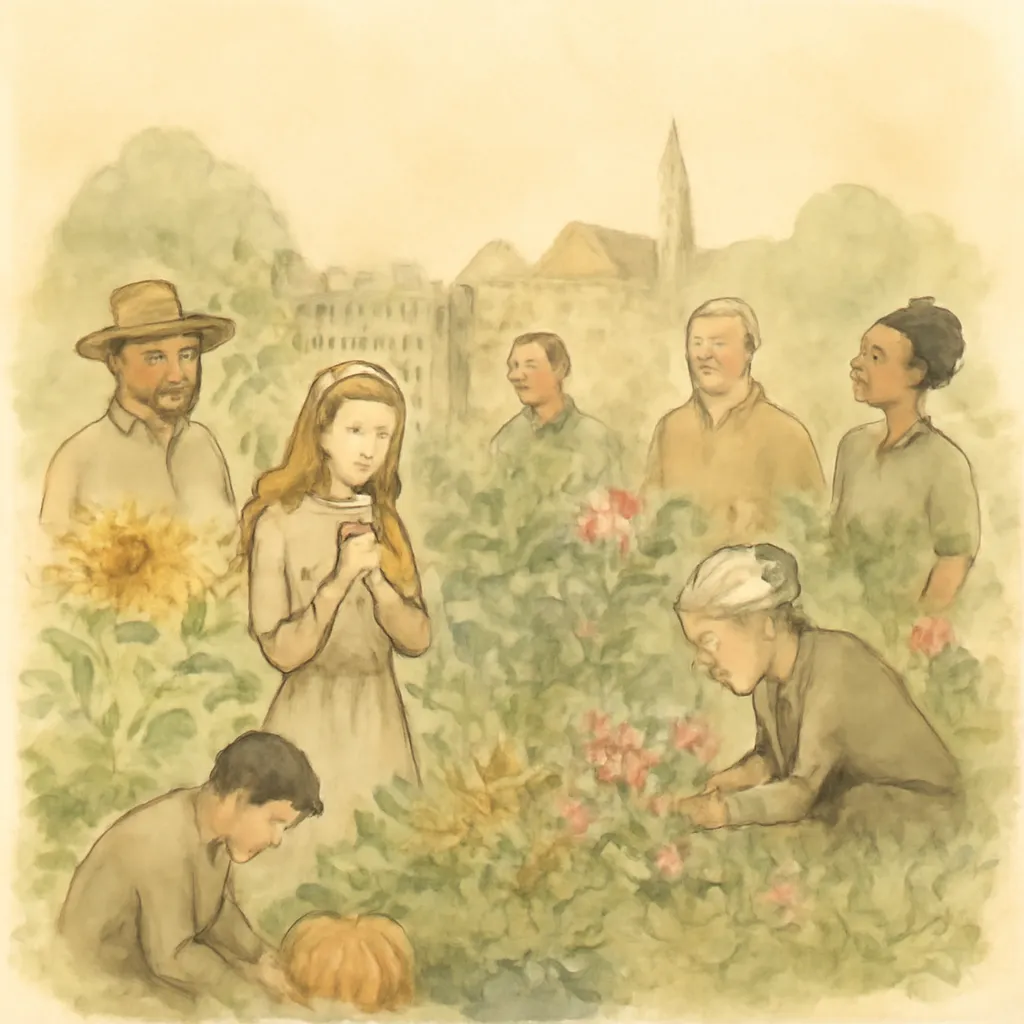
The story emphasizes the significance of community and the interconnectedness of individuals. Pollyanna's optimistic spirit does not just affect her personal relationships; it spreads throughout the town of Beldingsville. As she interacts with various townsfolk, her positivity begins to transform their lives as well. Characters like Mrs. Snow, who initially embodies despair, find renewed hope and joy through Pollyanna’s visits. The book illustrates how one person’s light can illuminate the lives of many, creating a ripple effect of kindness and connection. This theme reinforces the idea that we are all part of a larger community, and our actions can have far-reaching consequences, encouraging readers to consider how they can contribute positively to the lives of others.
7.The Role of Humor
Humor plays a vital role in 'Pollyanna,' serving as a mechanism for coping with life’s hardships. Pollyanna’s innocent remarks and joyful demeanor often bring laughter to those around her, even in serious situations. For instance, her playful interactions with Nancy and Old Tom lighten the mood and create bonds of friendship. Humor becomes a way for Pollyanna to navigate her world, diffusing tension and fostering a sense of camaraderie among characters. This use of humor not only enhances the narrative but also reinforces the idea that laughter can be a powerful antidote to sorrow, helping individuals cope with difficulties while creating a more joyful environment.
8.Aunt Polly's Transformation
Miss Polly Harrington’s character arc is one of the most compelling in the story, reflecting the transformative power of love and positivity. Initially a strict and unyielding figure, Miss Polly experiences a slow but profound change as she interacts with Pollyanna. The warmth and joy that Pollyanna brings into her life challenge Miss Polly’s long-held beliefs about happiness and duty. As she learns to embrace joy and express affection, Miss Polly becomes a more relatable and human character. Her transformation underscores the idea that it is never too late to change and that love can soften even the hardest hearts. This evolution not only highlights the core message of the book but also serves as an inspiring reminder for readers about the potential for personal growth.
9.The Connection Between Joy and Health
The narrative draws intriguing connections between joy and health, particularly through the experiences of characters like Mrs. Snow. Pollyanna’s visits to Mrs. Snow help to illustrate how positivity can impact physical well-being. Initially, Mrs. Snow is bedridden and embittered by her circumstances, but Pollyanna’s cheerful disposition and the joy she brings begin to uplift her spirits. The story suggests that emotional health can significantly influence physical health, advocating for the idea that cultivating joy can lead to better overall well-being. This theme resonates with readers, inviting them to consider the holistic nature of health and the importance of nurturing a positive mindset.
10.Finding Family in Unlikely Places
Pollyanna’s journey also emphasizes the importance of finding family and belonging in unexpected places. After losing her parents, Pollyanna is placed in the care of Aunt Polly, who is initially unwelcoming. However, through her optimistic nature, Pollyanna fosters connections not only with her aunt but also with others in the community, creating a sense of family beyond blood ties. Characters like Nancy and Mr. Pendleton become integral parts of her support system, showcasing the idea that family can be defined by love and connection rather than mere genetics. This theme encourages readers to embrace the relationships they form throughout their lives, recognizing that true family is often built on mutual care and support.