1.The Body as a Self-Repairing Mechanism
The human body, while not perfect, possesses a remarkable ability to adapt and heal. This adaptability is crucial for survival, allowing the body to maintain functionality under various conditions. Hutchinson emphasizes that the body is equipped with an inherent healing force, known as the 'vis medicatrix naturae,' which acts as a self-repairing mechanism. This concept suggests that rather than solely relying on external treatments, we should focus on activating and supporting our body’s natural healing processes. For example, many remedies we utilize in medicine serve to stimulate this internal force, helping the body regain its balance when faced with illness. Understanding this natural resilience can shift our approach to health, encouraging preventive measures rather than reactive treatments. Hutchinson illustrates this point by discussing how the body's immune response can often neutralize infections before they manifest as full-blown diseases, underscoring the importance of bolstering our innate defenses.
2.The Power of Heredity in Health
Heredity plays a pivotal role in our health and ability to resist disease, yet it is often overshadowed by a focus on hereditary diseases and defects. Hutchinson argues that we tend to emphasize the negative aspects of heredity, such as inherited illnesses, while neglecting the inherited strengths and vigor that contribute to our overall health. The reality is that the majority of individuals inherit traits that promote health and resilience, such as robust immune systems and a predisposition to recover from illness. By acknowledging the positive legacy of heredity, we can foster a more optimistic outlook on health. The book encourages readers to appreciate their genetic advantages and understand that most people possess a strong hereditary foundation for health, which should be celebrated and utilized in preventive health strategies. Hutchinson notes that recognizing the role of heredity in our health can lead to more effective public health policies that focus on nurturing and enhancing these inherited strengths.
3.The Art of Diagnosis: More Than Just Tools
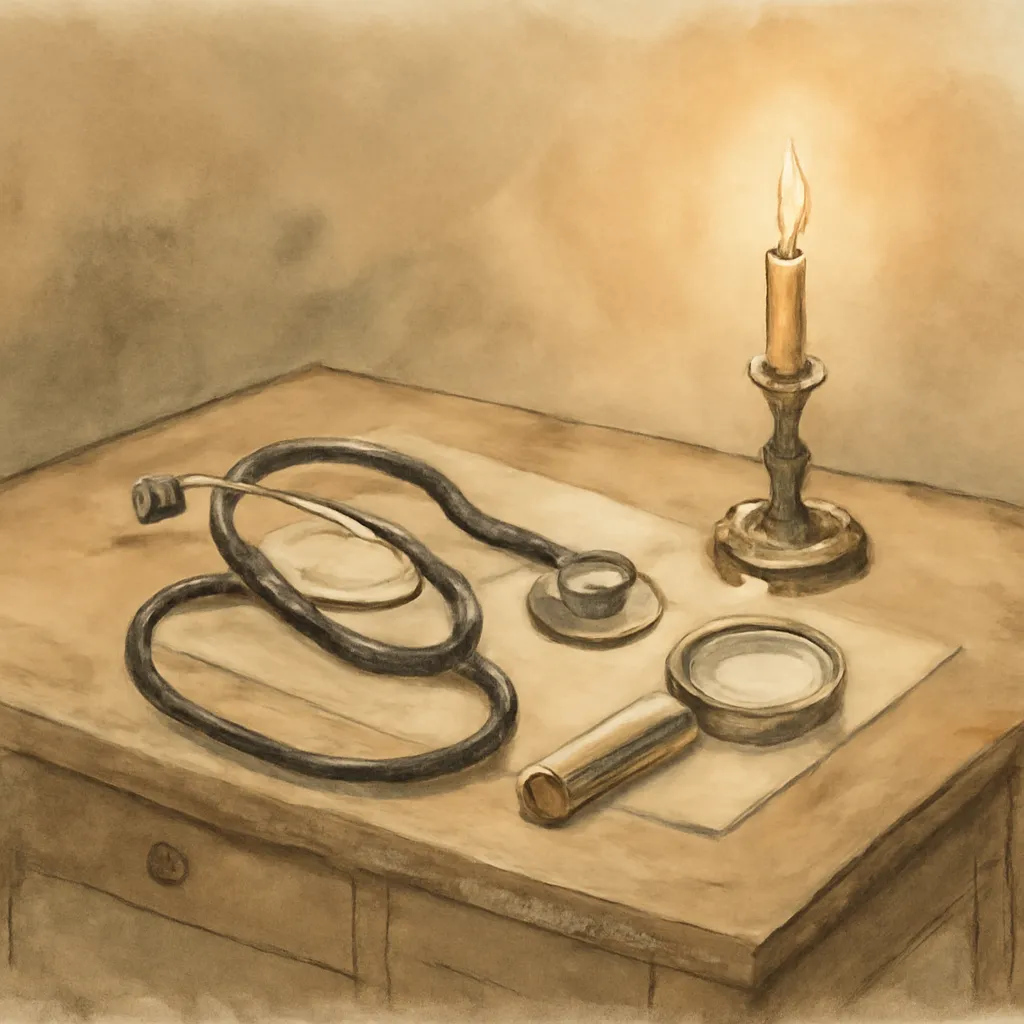
As medicine evolves, there is a growing reliance on sophisticated instruments for diagnosis, such as microscopes and thermometers. However, Hutchinson warns against neglecting the value of traditional diagnostic skills that rely on the physician's senses. The ability to observe and interpret physical signs through sight, touch, and hearing is an art that should not be overlooked. He notes that many younger practitioners are losing this skill in favor of laboratory results, leading to a lack of comprehensive understanding of a patient’s condition. By combining both modern technology and sensory observations, doctors can achieve a more accurate diagnosis, ultimately leading to better patient care and outcomes. Hutchinson shares anecdotes of skilled physicians from earlier eras who could diagnose conditions through careful observation and a deep understanding of human physiology, highlighting that while technology is invaluable, it should complement—not replace—the foundational skills of medicine.
4.Cold and Its Misunderstood Impact

Cold weather has long been feared as a cause of various illnesses, yet Hutchinson argues that our understanding of this relationship is overly simplistic. While cold can indeed affect the body, the notion that it directly causes diseases like tuberculosis or pneumonia is often misguided. Instead, Hutchinson points out that proper nutrition, clothing, and living conditions can help individuals withstand cold temperatures without succumbing to illness. He discusses how ancient cultures recognized the importance of keeping warm and staying nourished during winter months, practices that inadvertently supported immune health. This perspective encourages a more nuanced understanding of how environmental factors interact with our health. By focusing on maintaining a robust immune system and understanding the true triggers of illness, we can better protect ourselves against the perceived dangers of cold, shifting the narrative from fear to empowerment in managing our well-being.
5.Tuberculosis: A Sign of Recovery
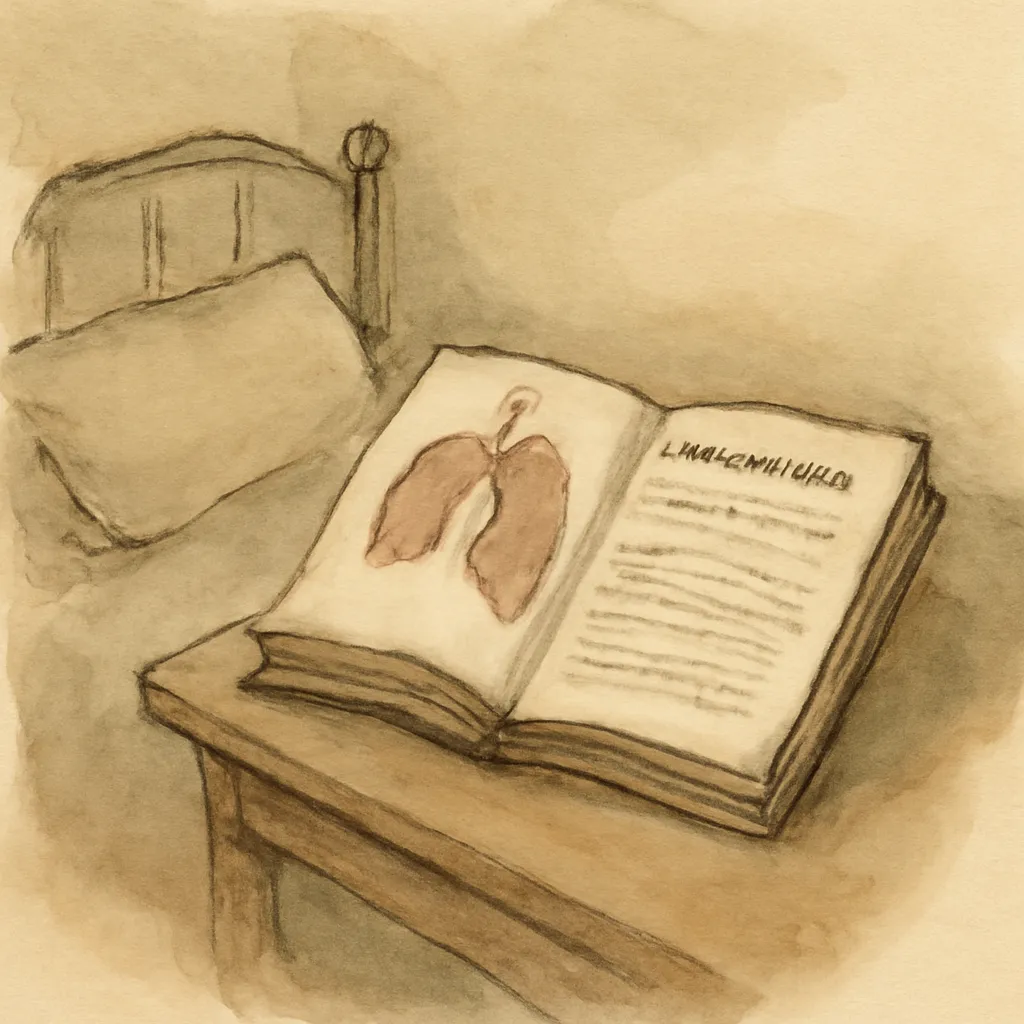
Tuberculosis, once a leading cause of death, has been viewed through a lens of fear and crisis. Hutchinson reframes this perspective by suggesting that the awareness of tuberculosis and its impact signifies a cultural awakening to health issues. The realization that the disease was linked to the very conditions of civilization that bred it indicates a shift towards understanding disease as a reflection of societal health. He illustrates how public awareness and reforms in living conditions, nutrition, and hygiene have contributed to decreasing tuberculosis rates. This awareness has prompted significant advances in public health and hygiene, emphasizing the importance of clean living conditions. Hutchinson highlights that understanding tuberculosis as a self-limiting disease, which can often be managed with proper care and hygiene, allows for a more hopeful outlook on its prevention and treatment. By recognizing the role of societal factors in health, we can develop comprehensive strategies to combat diseases effectively.
6.The Nature of Disease: A Life Cycle

Hutchinson proposes that diseases have a natural history akin to living organisms, with identifiable stages of development, duration, and resolution. Recognizing this pattern demystifies many illnesses, allowing us to approach them with a rational mindset. Most diseases, he asserts, follow a predictable course, which can guide treatment and expectations for recovery. This understanding helps combat the fear of the unknown that often accompanies illness. By framing disease as a process rather than a sudden affliction, we empower individuals to engage actively in their health management. Hutchinson explains that many infectious diseases, such as typhoid and diphtheria, tend to resolve naturally if left to themselves, reinforcing the idea that not all ailments demand immediate medical intervention. This perspective encourages a balanced approach to health, where individuals can trust their body's ability to recover while remaining vigilant and informed.
7.The Role of Cleanliness in Disease Prevention

One of the key themes in Hutchinson's work is the critical importance of sanitation and cleanliness in preventing disease. He argues that many infectious diseases can be traced back to unsanitary conditions and a lack of hygiene. For example, tuberculosis bacteria are not inherently dangerous but become a threat in dirty environments. Hutchinson emphasizes that maintaining clean living spaces, proper waste disposal, and good personal hygiene practices are essential in mitigating the spread of diseases. He provides historical examples of how outbreaks, such as cholera, were linked to contaminated water sources and how public health campaigns addressing sanitation led to significant declines in mortality rates. Hutchinson’s emphasis on cleanliness underscores the broader public health implication that collective efforts towards sanitation can lead to dramatic decreases in disease prevalence, especially in densely populated areas. He advocates for community involvement and education in promoting hygiene as a fundamental aspect of health.
8.Childhood Diseases: Underestimated Threats
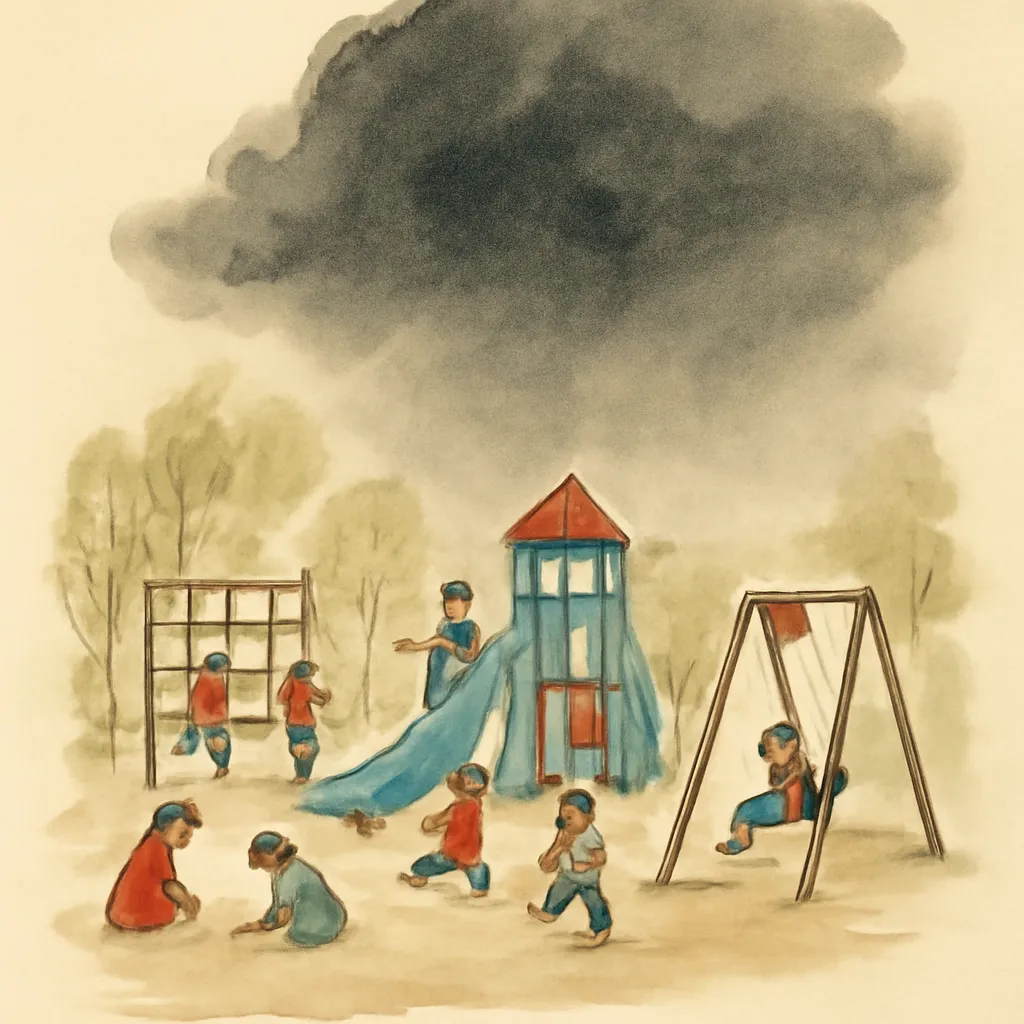
Hutchinson highlights that many diseases considered trivial, particularly those affecting children, pose significant risks and should not be dismissed lightly. Conditions like measles, scarlet fever, and whooping cough, while often perceived as benign, result in thousands of childhood deaths annually. This stark reality urges a reevaluation of how society views these diseases and the importance of vaccination and preventive measures. He points out that the mortality rates associated with these childhood diseases are comparable to more notorious illnesses and that their impact is felt not only in fatalities but also in long-term health complications. By addressing these childhood diseases with the seriousness they deserve, we can work towards reducing their incidence and improving child health outcomes. Hutchinson advocates for a proactive approach to childhood illnesses, emphasizing that prevention is not just about protecting individual children but about safeguarding public health. He encourages parents and communities to prioritize vaccinations and education about these diseases to protect future generations.
9.The Misconceptions of Rheumatism
Hutchinson delves into the term 'rheumatism,' which is often used to describe a wide array of ailments, leading to confusion and misdiagnosis. He points out that this catch-all term covers many different conditions, obscuring the true nature of the patient's suffering. By clarifying the distinctions between acute rheumatism and other forms of joint pain, Hutchinson stresses the need for more precise language and understanding in medicine. This approach not only aids in proper diagnosis and treatment but also empowers patients to advocate for their health more effectively. He emphasizes that rheumatic diseases can vary widely in their causes, symptoms, and treatments, and a nuanced understanding is essential for effective management. Hutchinson’s examination of rheumatism stresses the importance of listening to patients and considering their individual experiences, which can lead to more tailored and successful treatment plans.
10.Mental Influence on Physical Health
Hutchinson explores the complex relationship between the mind and body, emphasizing that while the mind can influence physical health, this influence is often limited. Traditional beliefs that the mind can entirely control bodily functions are being challenged as we discover that many physical ailments stem from biological processes rather than mental states. For instance, treating mental health issues requires addressing physical health and vice versa. This interdependence suggests that holistic approaches to treatment—incorporating both mental and physical health strategies—are essential for effective care. Hutchinson advocates for treating the whole person, which includes considering emotional and psychological factors in health management. He cites examples where improving a patient’s physical health can lead to significant improvements in mental well-being, highlighting the interconnectedness of our bodily systems. This understanding encourages a shift in how healthcare providers approach treatment, fostering a more integrated view of health.