1.The Birth of Two Worlds
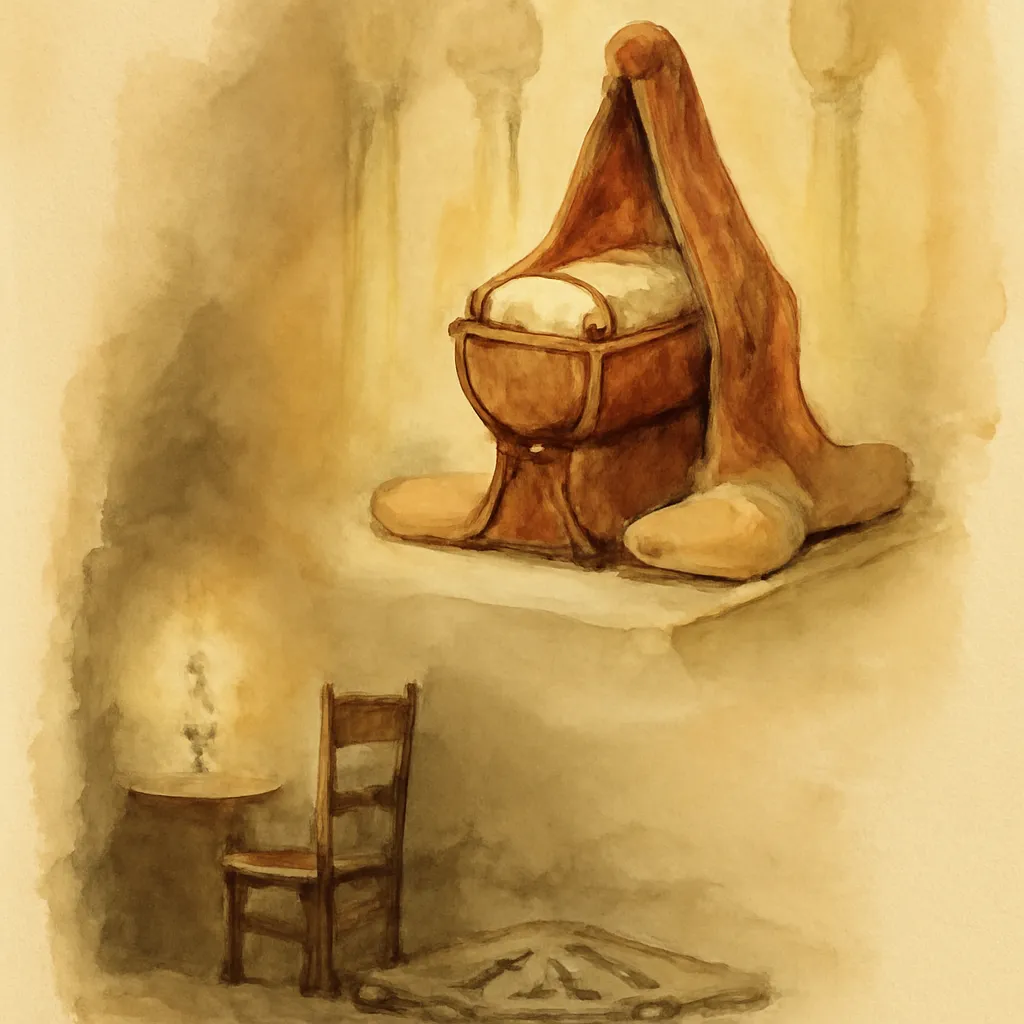
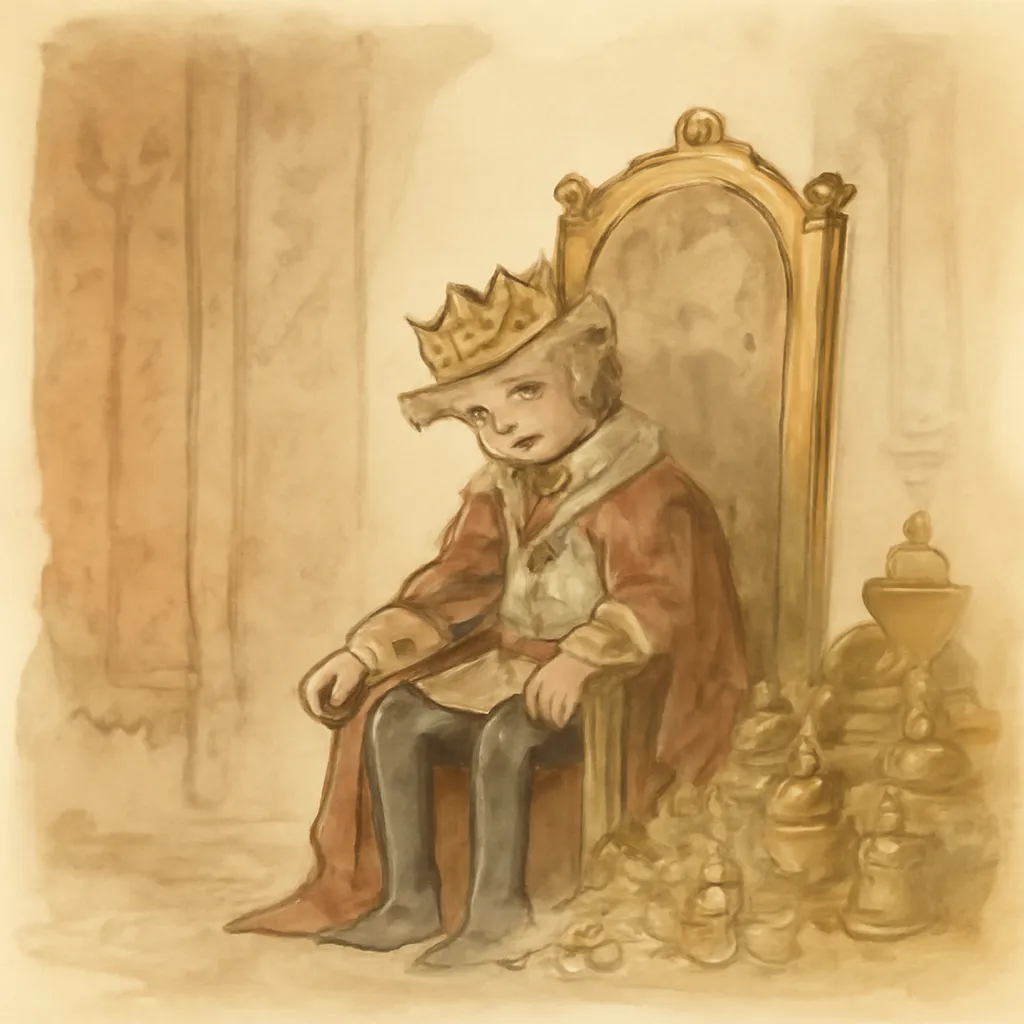
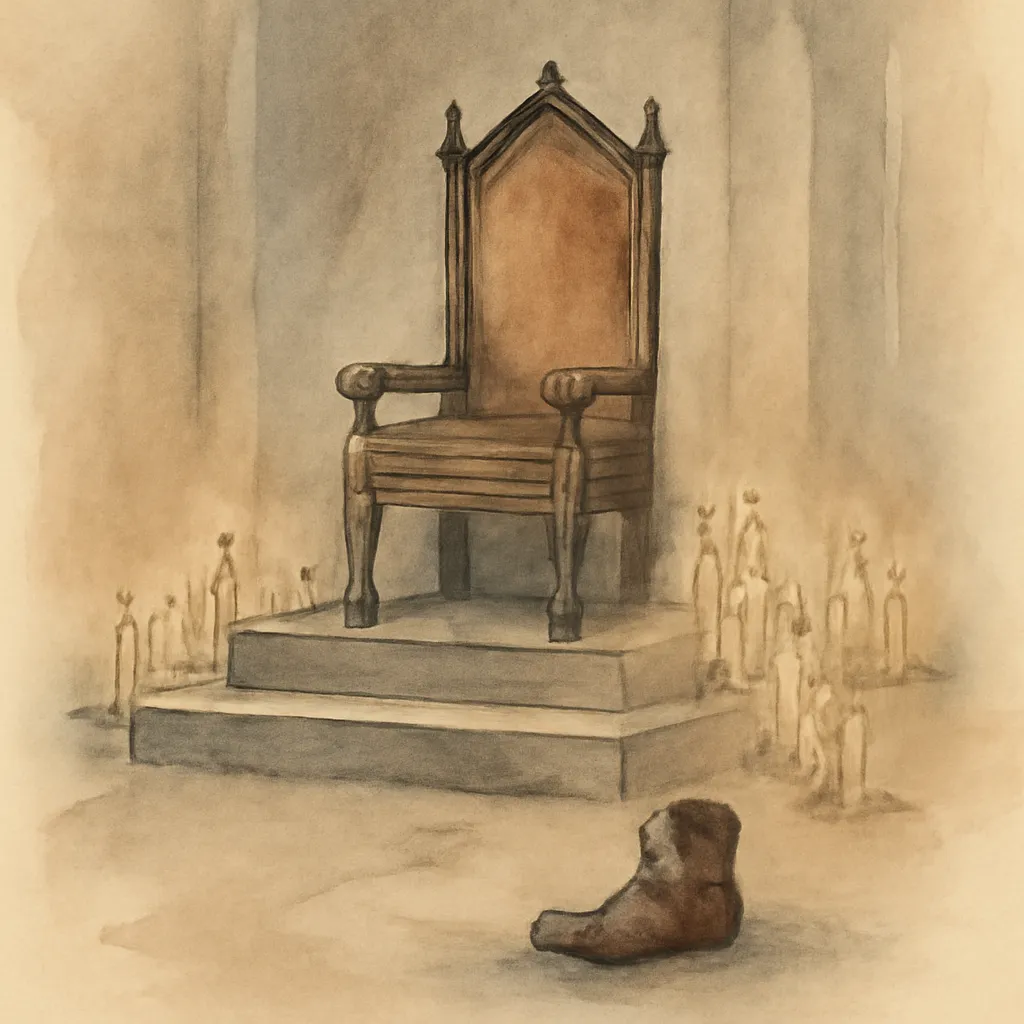
The story begins with the birth of two boys on the same day in London, representing the stark contrast between privilege and poverty. Edward Tudor is born into wealth and is celebrated by the entire nation, while Tom Canty arrives to a family that wishes he hadn't. This juxtaposition sets the stage for a profound exploration of class and the arbitrary nature of social status. The celebrations for Edward are grand and joyous, illustrating how society reveres lineage and wealth, while Tom’s existence is marked by neglect and hardship. This initial setup not only emphasizes the wealth gap but also foreshadows the transformative journey both boys will undergo as they step into each other’s lives.
2.Tom's Struggles and Dreams
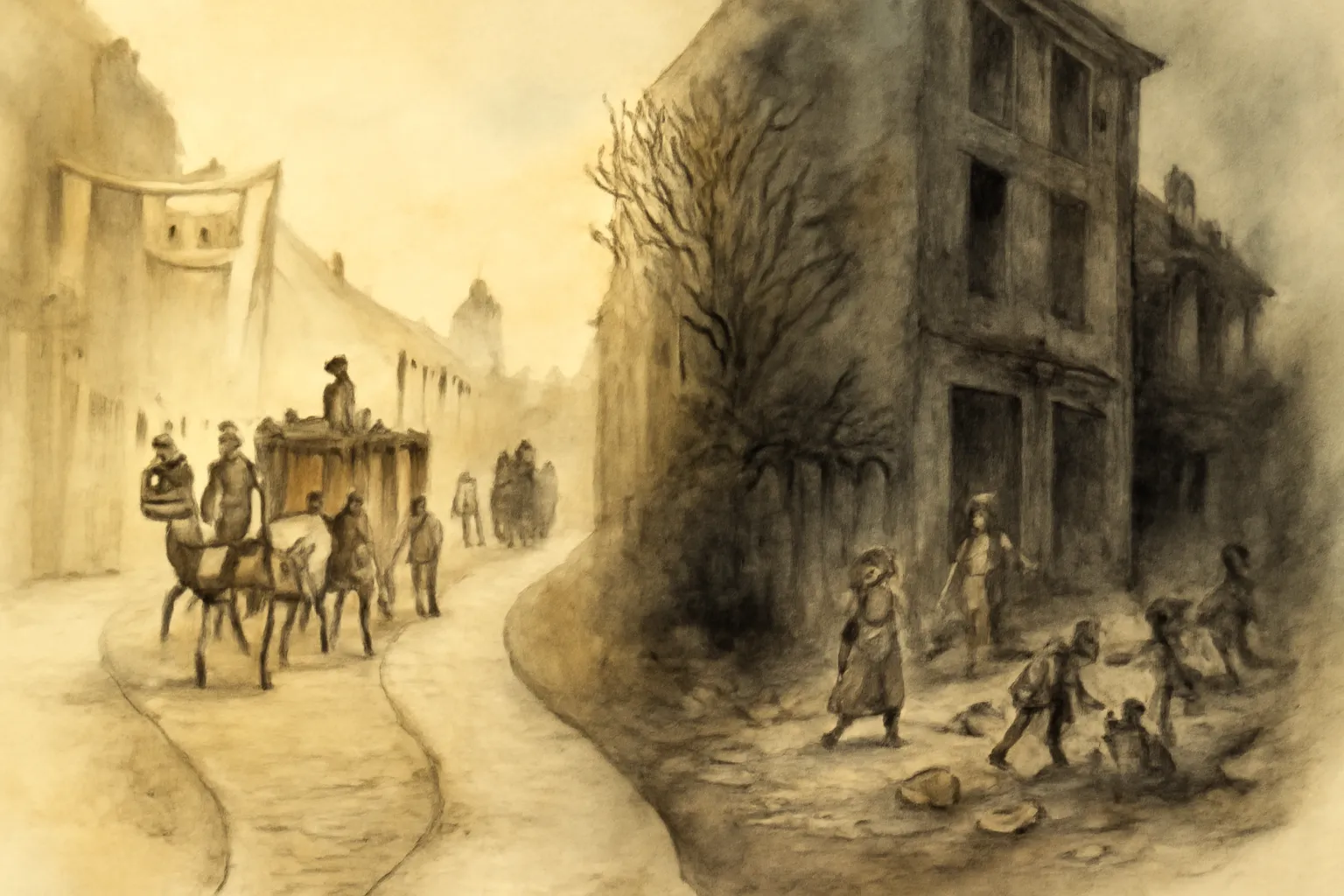
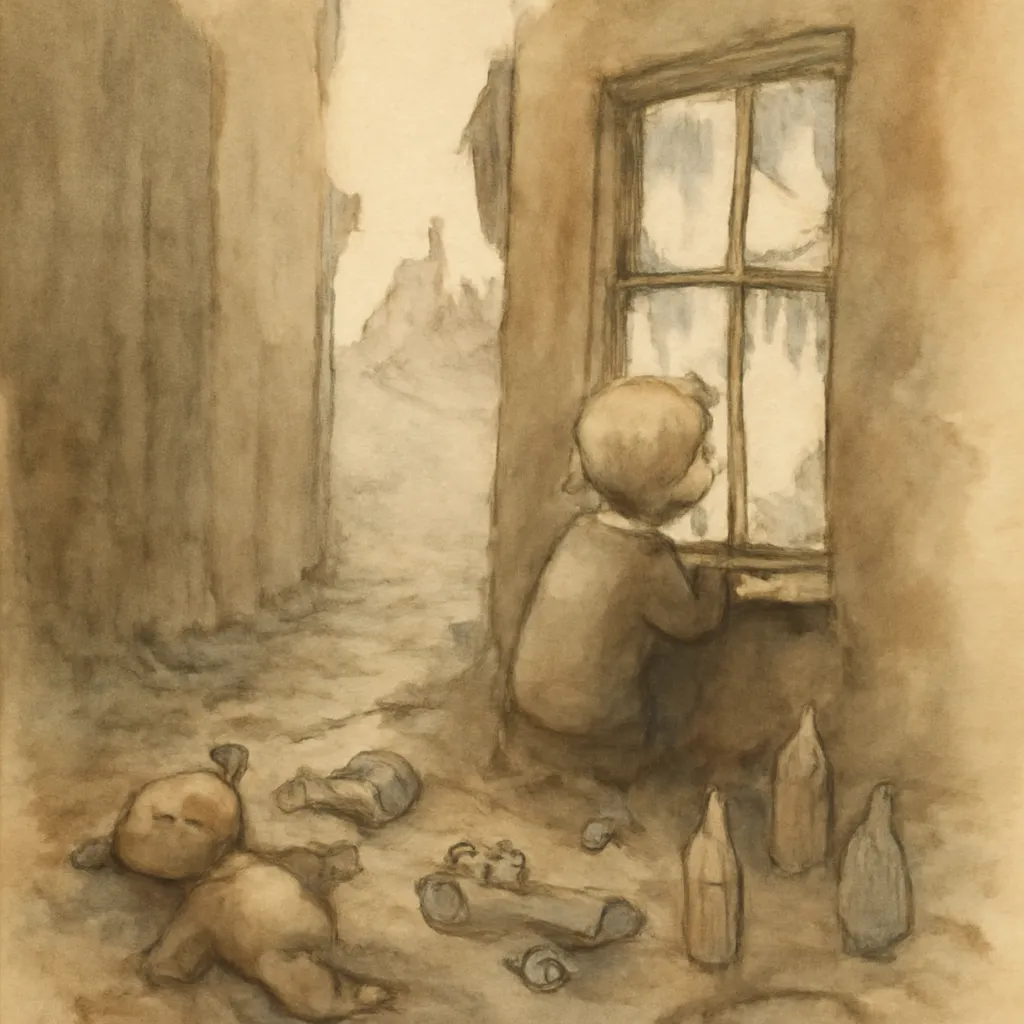
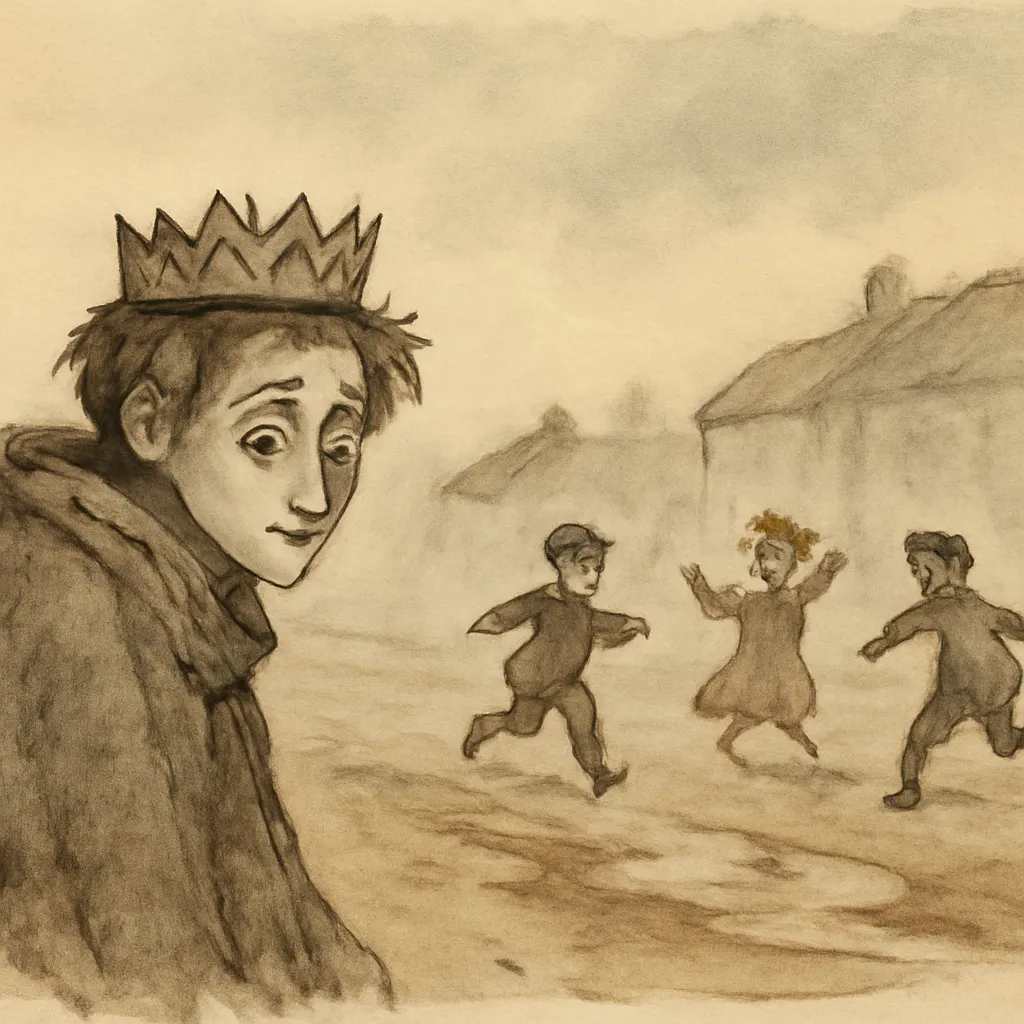
Tom Canty grows up in a squalid neighborhood, enduring the hardships of poverty and the abuse of his family. His home life is chaotic, dominated by drunken parents and a lack of basic comforts. Despite these challenges, Tom possesses a vivid imagination and dreams of a life beyond the confines of Offal Court. He often fantasizes about the royal life, longing for the beauty and luxury he observes from afar. This longing is intensified by the teachings of Father Andrew, a kind priest who offers Tom glimpses of a better world through his education. Tom's dreams serve as a powerful reminder of the human spirit's resilience and the innate desire for something greater, even in the face of overwhelming adversity.
3.The Fateful Encounter
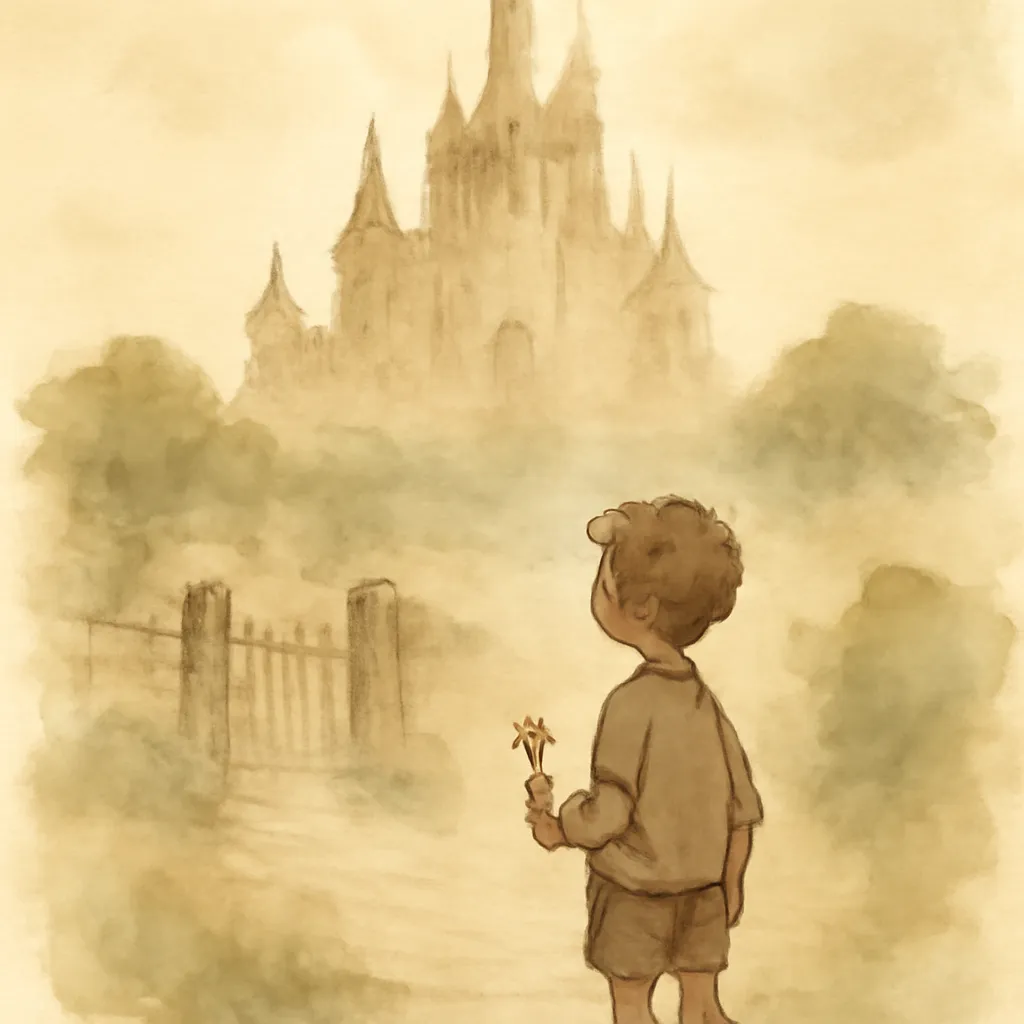
Tom's life takes a dramatic turn when he ventures beyond his familiar surroundings and finds himself at Westminster Palace. Here, he witnesses the grandeur of the royal court and the majesty of the prince. This encounter ignites Tom's desire to experience the life he has only dreamt of. The moment Tom meets Edward Tudor, the two boys are drawn together by their shared curiosity and innocence. This meeting is pivotal, as it not only sets the stage for their eventual switch but also highlights the innocence of childhood, which transcends social barriers. Their friendship, albeit brief, symbolizes the potential for understanding and empathy between individuals from vastly different backgrounds.
4.The Switch: A Lesson in Perspective
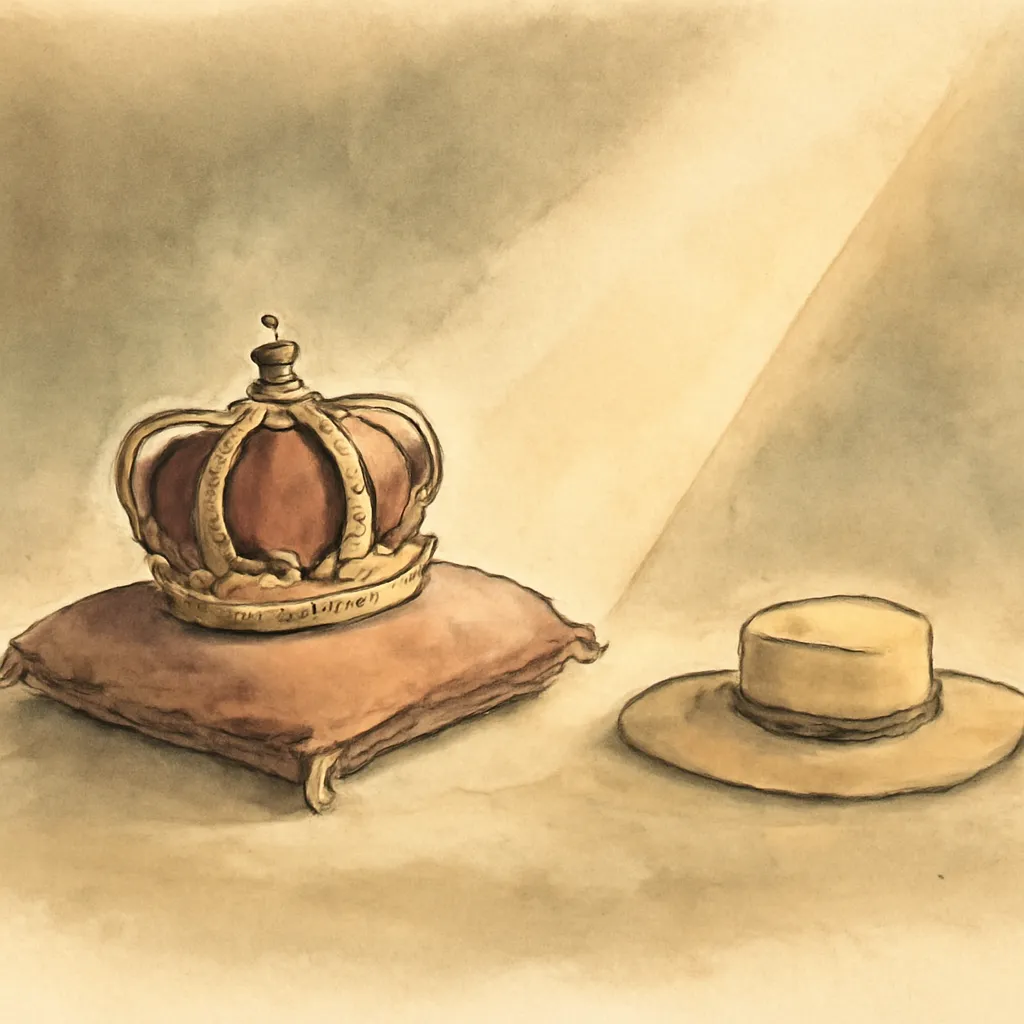
The accidental switch of identities is a central plot twist that propels the narrative forward. As Tom assumes the role of the prince, he is thrust into a world of opulence and authority, yet he quickly realizes that being a royal comes with its own set of challenges. Meanwhile, Edward experiences the harsh realities of life as a pauper, facing hunger, violence, and the cruelty of the streets. This role reversal forces both boys to confront the stark realities of their respective lives, challenging their preconceived notions about wealth and power. Through their experiences, Twain powerfully illustrates that status is a mere construct, and true character is revealed through adversity.
5.Empathy Through Experience
As Edward navigates the dangers of being a commoner, he learns to empathize with the struggles of the poor. His encounters with the downtrodden reveal the depths of human suffering, and he begins to question the justice of a system that allows such disparities to exist. Edward's journey through the streets of London not only teaches him about the resilience of the human spirit but also inspires a desire to enact change upon his return to the throne. Conversely, Tom, while enjoying the luxuries of royalty, grapples with the expectations and constraints that come with his newfound status. His experiences highlight the isolation that can accompany power, as he longs for the simple joys of camaraderie and freedom found in his previous life.
6.The Nature of Authority
The story delves into the nature of authority and governance through Edward’s perspective as a prince. Initially, he revels in the power that comes with his title, yet he quickly learns that ruling is fraught with complexities and moral dilemmas. The expectations placed upon him by nobles and advisors reveal the burdens of leadership, contrasting with Tom's carefree existence as a pauper. Edward's realization that true leadership requires compassion and understanding serves as a critique of the often self-serving nature of those in power. Twain uses this exploration to challenge the notion that authority is synonymous with wisdom, suggesting instead that empathy and moral integrity are the true hallmarks of a great leader.
7.The Role of Society
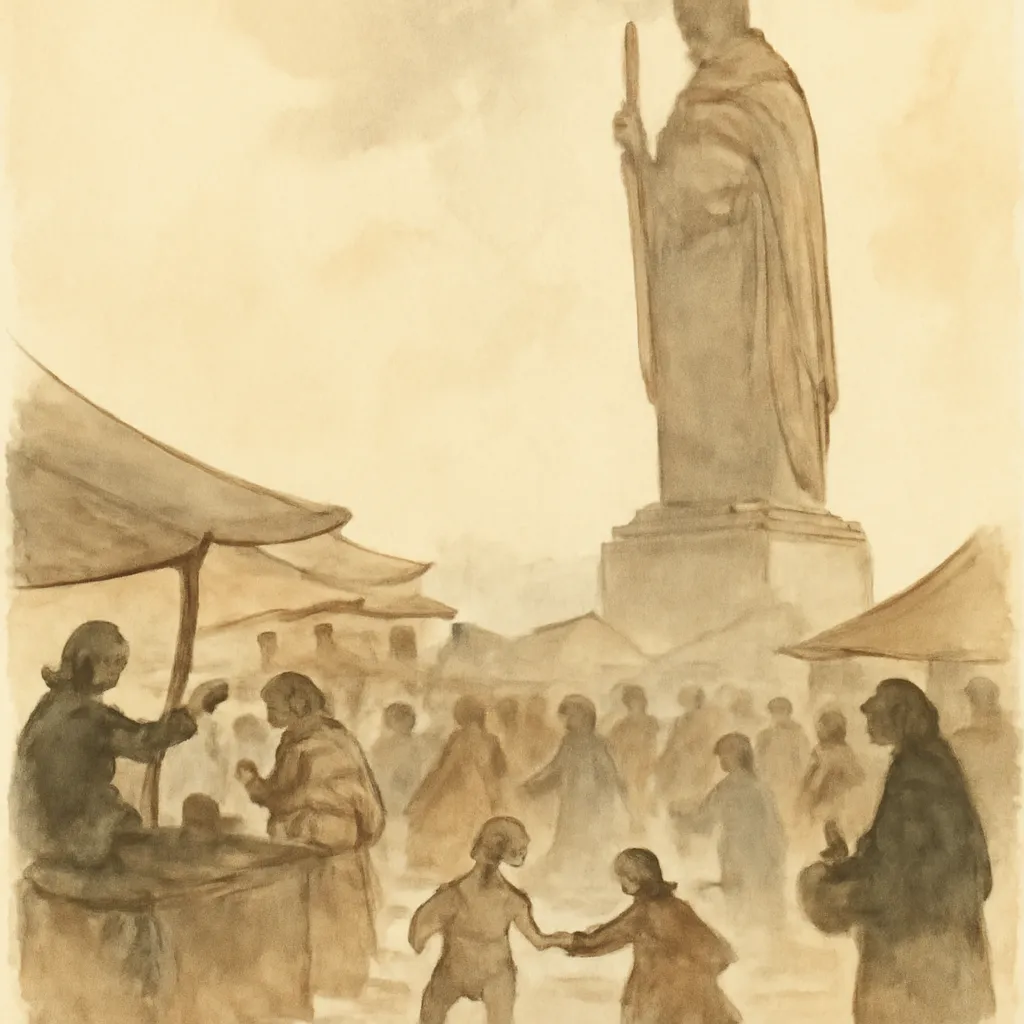
Twain critiques the rigid social hierarchy of 16th century England, depicting how it shapes individuals' lives and identities. The stark differences between the lives of the prince and the pauper illustrate how society often defines worth based on wealth and status rather than character. The novel exposes the absurdities of this class system, as both boys struggle to adapt to roles that are not inherently theirs. By highlighting the arbitrary nature of social class, Twain invites readers to question the validity of such divisions and to recognize the shared humanity that transcends economic and social barriers. This theme resonates strongly in contemporary discussions about class and privilege.
8.Friendship and Loyalty
The bond between Edward and Tom is central to the narrative, symbolizing the power of friendship to transcend social divides. Despite their vastly different backgrounds, the boys share a deep understanding and loyalty to one another. Their relationship evolves as they navigate the trials of their new lives, with each boy supporting the other in moments of vulnerability. This friendship serves as a beacon of hope, illustrating that empathy and kindness can flourish even in the most unlikely of circumstances. Twain emphasizes that true camaraderie is built on shared experiences and mutual respect, reinforcing the idea that genuine connections can bridge the gaps created by societal structures.
9.The Return to Identity
As the story progresses, both boys yearn to return to their rightful places. Edward, having gained a deeper understanding of the struggles faced by his subjects, is determined to rule justly and compassionately. Tom, having tasted the privileges of royalty, is eager to return to his family and share the wealth of knowledge he has gained. Their respective journeys culminate in a powerful resolution that underscores the importance of identity and the choices individuals make in shaping their destinies. Twain’s portrayal of their return to their original lives is not merely a restoration but a transformation that reflects their growth and newfound perspectives.
10.The Enduring Legacy of the Tale
The conclusion of 'The Prince and the Pauper' reinforces the enduring themes of empathy, social justice, and the quest for personal identity. Twain's narrative compels readers to reflect on the societal structures that dictate worth and to recognize the intrinsic value of every individual, regardless of their station in life. The story remains relevant today, inviting discussions about privilege, inequality, and the importance of understanding others’ experiences. Through the adventures of Edward and Tom, Twain not only entertains but also challenges us to consider our own roles within society and the impact we can have on others. The legacy of this tale lies in its ability to inspire compassion and awareness in readers across generations.