1.The Enigmatic Hero: John Carter's Transformation
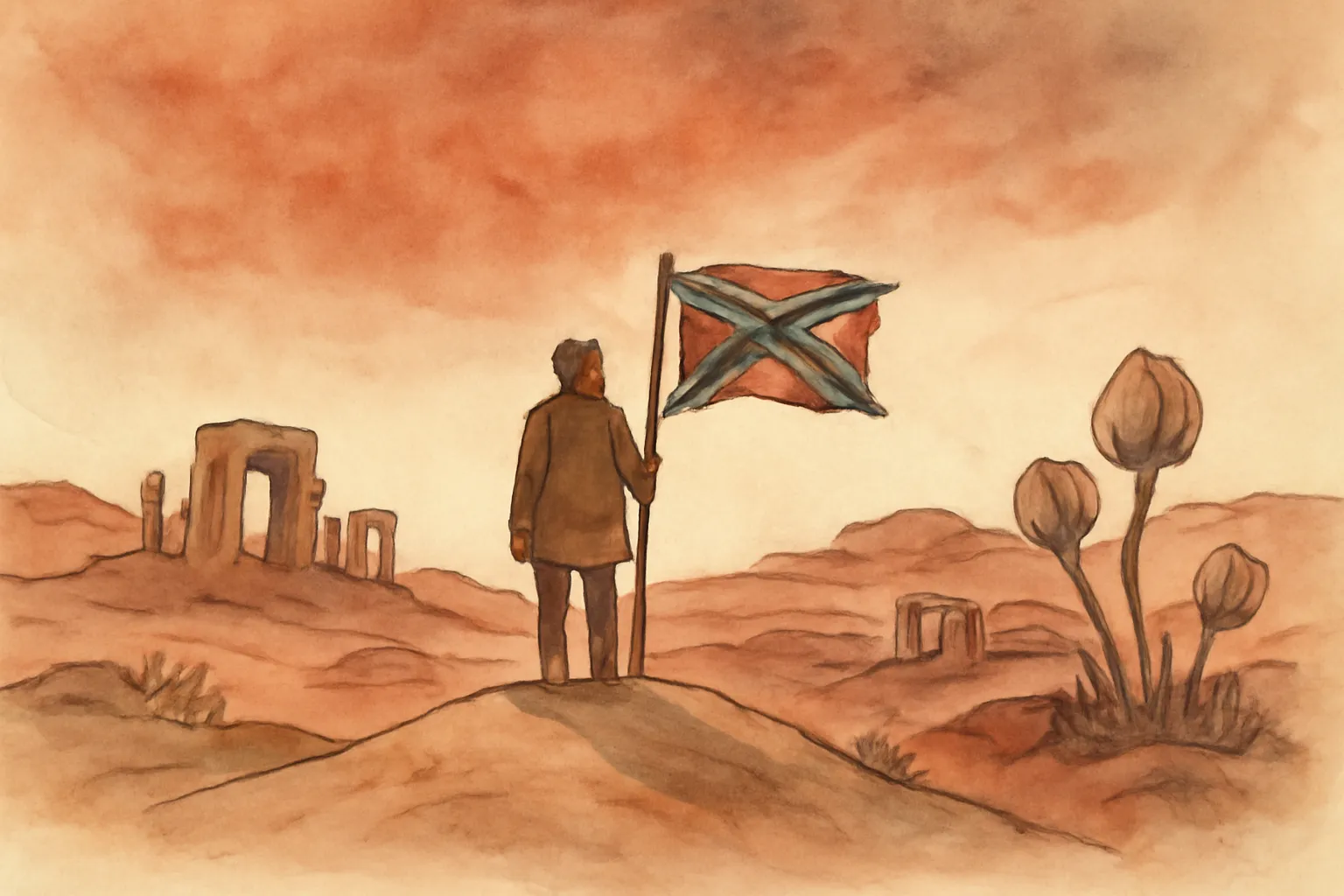
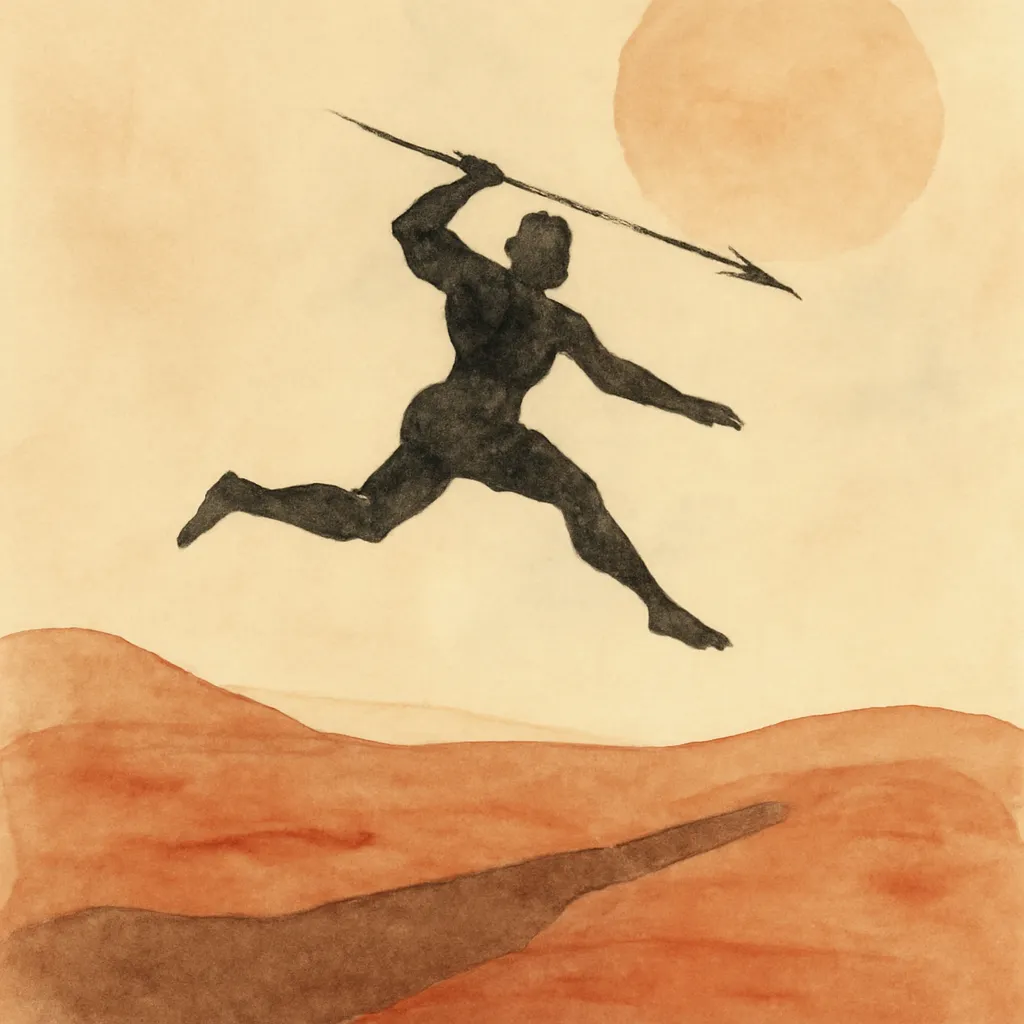
John Carter, the protagonist, begins as a typical Earthman, a Confederate veteran with a sense of adventure. However, his journey to Mars transforms him into a figure of legend. The novel explores his physical and psychological evolution as he adapts to the lower gravity and alien customs of Barsoom. This transformation is not merely physical; it embodies the struggle of a man seeking purpose in a chaotic world. As he learns to harness his newfound abilities, Carter becomes a warrior, leader, and ultimately, a champion for the oppressed. His character arc illustrates the theme of personal growth through adversity, emphasizing how challenges can forge one's identity and destiny.
2.Martian Society: A Complex Web of Cultures
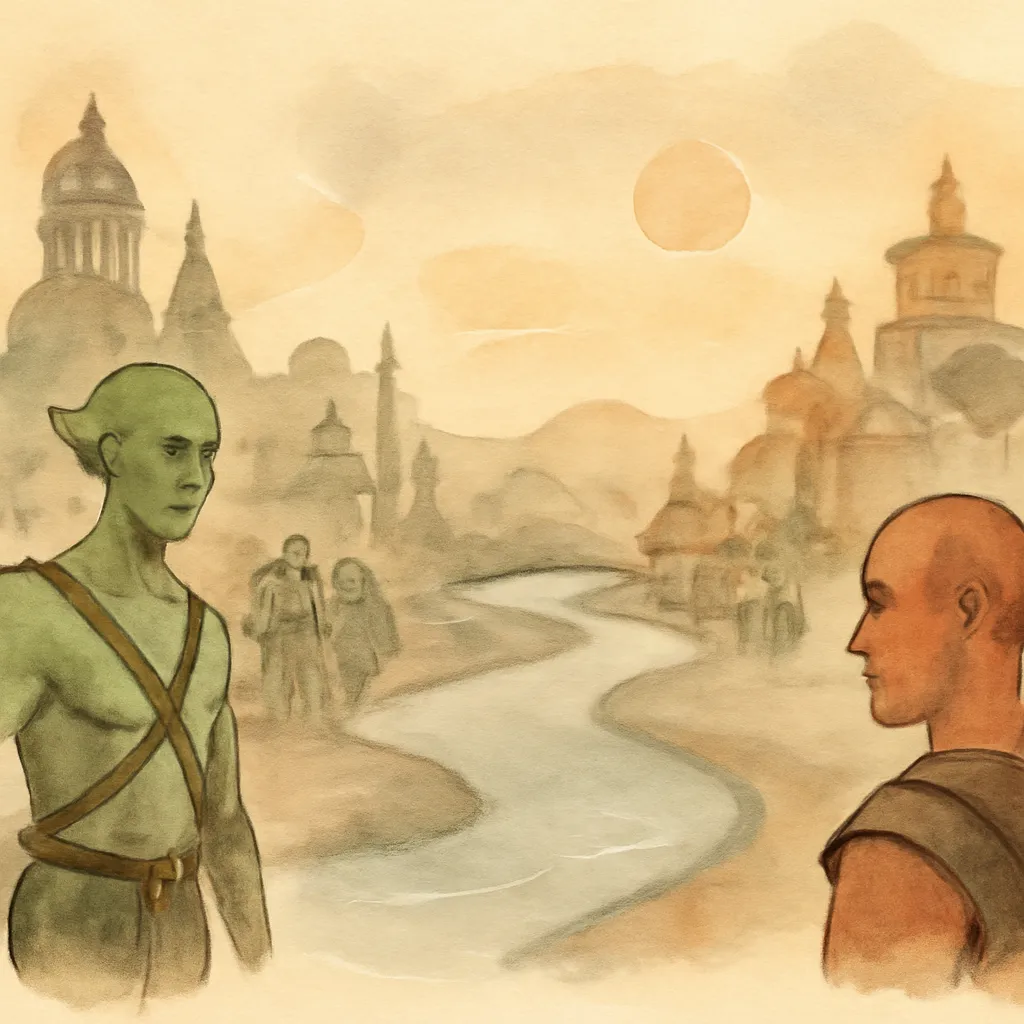
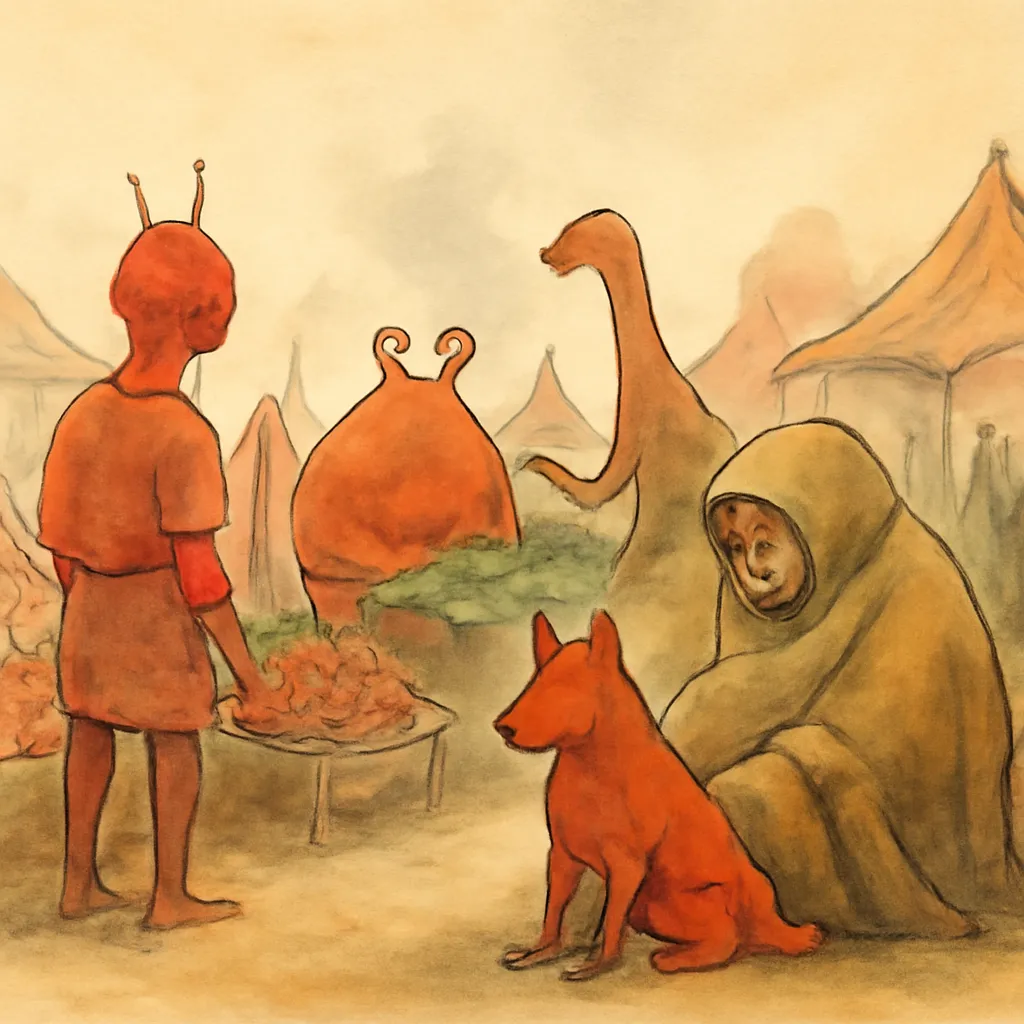
Burroughs intricately weaves a rich tapestry of Martian cultures, each with its own customs, languages, and social structures. The green Martians, known as Tharks, are depicted as brutish yet noble, governed by a warrior ethos that values strength and honor. In contrast, the red Martians, like Dejah Thoris, represent a more civilized society with their own complexities and intrigues. The political dynamics among these factions are fraught with tension, reflecting themes of imperialism and cultural clash. Carter’s interactions with these diverse groups highlight the struggles for power and survival in a world where alliances can shift rapidly. This portrayal prompts readers to consider the nature of civilization itself and the thin veneer of culture that separates humanity from savagery.
3.Love Against All Odds: The Romance of John Carter and Dejah Thoris
At the heart of 'A Princess of Mars' lies the passionate love story between John Carter and Dejah Thoris. Their relationship transcends the barriers of culture and species, embodying the universal theme of love as a powerful force for change. Dejah, the princess of Helium, represents not only beauty but also strength and intelligence, challenging traditional gender roles within the narrative. Their love is tested through trials of war, captivity, and betrayal, yet it remains a driving force that motivates Carter’s actions. Burroughs uses their romance to explore themes of sacrifice and loyalty, illustrating how love can inspire individuals to rise above their circumstances and fight for a greater cause. This dynamic relationship adds depth to the narrative, making it more than just an adventure tale.
4.The Nature of Honor and Warfare
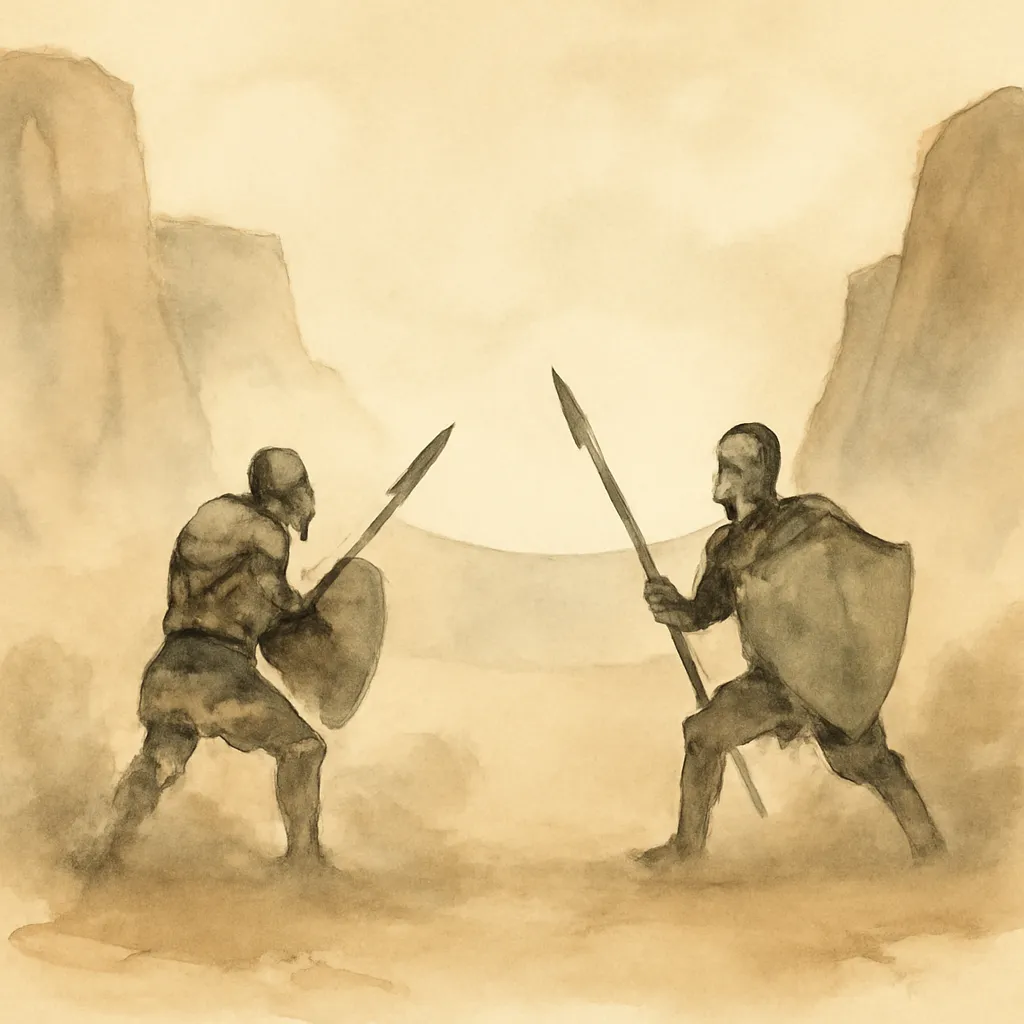
Burroughs delves into the concepts of honor and warfare, particularly through the lens of Martian customs. The Tharks, who follow a brutal code of honor, engage in constant battles, duels, and rituals that dictate their interactions. Carter’s understanding of honor evolves as he navigates this alien society, often finding himself at odds with their customs while simultaneously adopting some of their values. The novel raises questions about the morality of war, the nature of bravery, and the consequences of violence. Carter's experiences force him to confront his own ideals of honor, leading him to redefine what it means to be a true warrior. This exploration serves as a commentary on the human condition, reflecting the complexities of morality in times of conflict.
5.The Quest for Identity: A Soldier's Journey
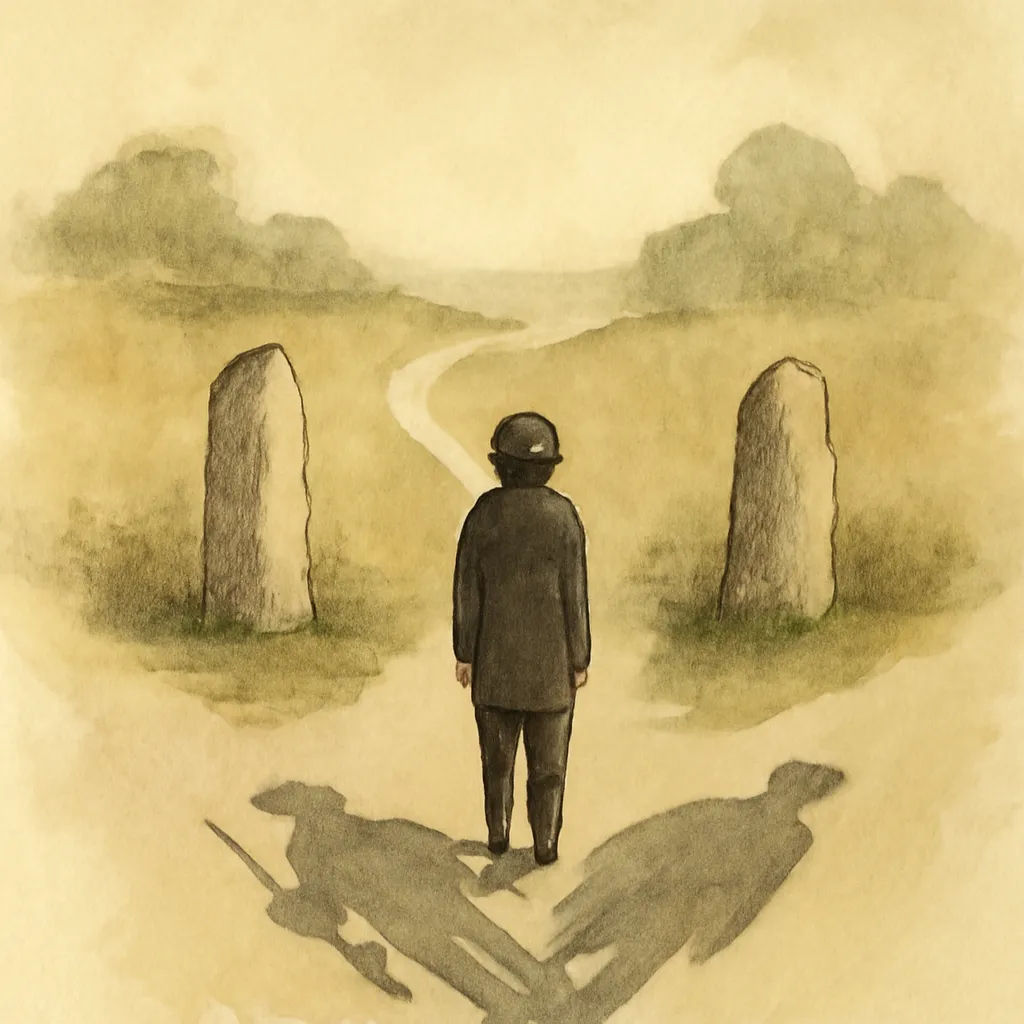
Throughout the story, John Carter grapples with his identity as he is thrust into a world that views him as an outsider. His journey is not just one of physical exploration but also a profound search for self. Initially, he is a man without a country, a soldier stripped of his purpose after the Civil War. On Mars, he must reconcile his past with his present as he becomes a leader among the Martians. This quest for identity is mirrored in the societal structures of Barsoom, where individuals are often defined by their roles within their communities. Carter's evolution into a Martian chieftain symbolizes the potential for reinvention and the idea that one's identity can be shaped by experiences and choices rather than predetermined by origin.
6.The Role of Technology and Science Fiction Elements
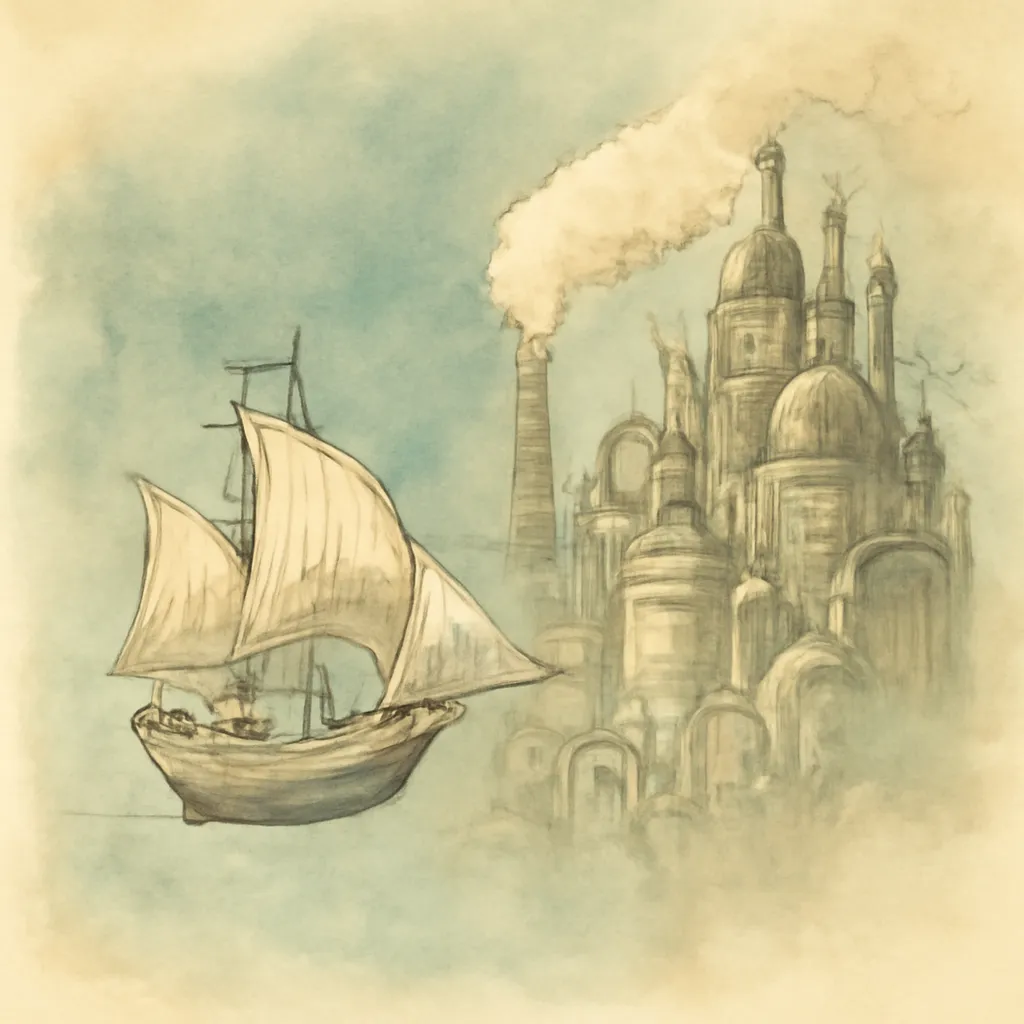
Burroughs incorporates elements of science fiction that enhance the fantastical nature of Barsoom. The advanced technologies, such as airships and the mysterious atmosphere factory, serve as key plot devices that propel the story forward. These inventions not only create a sense of wonder but also reflect the era's fascination with progress and exploration. The juxtaposition of primitive Martian cultures with advanced technology raises interesting questions about the relationship between civilization and its technological advancements. Burroughs invites readers to ponder the implications of such progress on society, suggesting that while technology can elevate a culture, it can also lead to its downfall if not wielded responsibly. This theme resonates with contemporary discussions about the role of technology in our lives.
7.Mortality and the Fear of Death
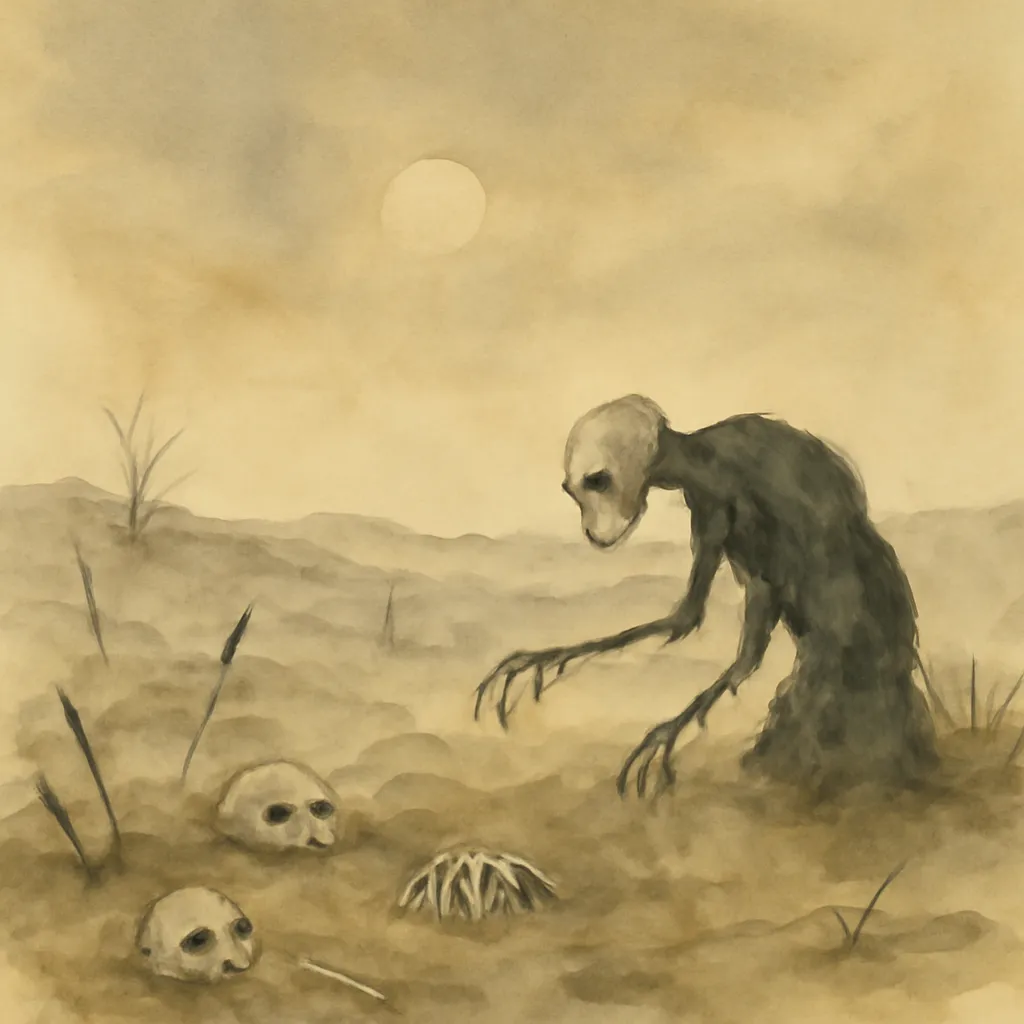
A recurring theme in 'A Princess of Mars' is the exploration of mortality and the fear of death. John Carter’s unique condition of having died and returned to life shapes his perspective on existence. His encounters with death, both personal and societal, force him to confront the inevitability of mortality. The Martians, who possess a different understanding of death and the afterlife, provide a contrasting viewpoint that enriches the narrative. Burroughs uses these reflections to delve into the human psyche, suggesting that the fear of death can drive individuals to seek meaning in their lives. This philosophical inquiry adds a layer of depth to the adventure, prompting readers to consider their own beliefs about life and death.
8.Friendship and Loyalty: Bonds Beyond Blood
The relationships Carter forms on Mars illustrate the importance of friendship and loyalty in overcoming adversity. Characters like Sola, a Martian woman who becomes Carter’s ally, showcase the potential for compassion and understanding across cultural divides. Sola’s loyalty to Carter and Dejah Thoris highlights the theme of chosen family, where bonds are forged through shared experiences rather than blood. This idea resonates throughout the narrative, as characters navigate betrayal and loyalty within the treacherous political landscape of Barsoom. Burroughs emphasizes that true strength lies in the connections we make with others, reinforcing the notion that support and camaraderie can be powerful forces in facing life’s challenges.
9.The Hero's Journey: Classic Archetypes in a New World
Burroughs employs the classic archetype of the hero’s journey, placing John Carter in a narrative that mirrors Joseph Campbell’s monomyth. Carter’s call to adventure begins when he is mysteriously transported to Mars, leading him through trials that test his character and resolve. His encounters with various Martian factions, battles, and the quest to rescue Dejah Thoris serve as key milestones in his journey. The structure of Carter's adventure reinforces the timeless nature of heroism, illustrating that the struggle for justice and love transcends cultures and eras. This archetypal storytelling not only entertains but also resonates with readers on a deeper level, as it reflects universal themes of growth, sacrifice, and triumph.
10.Legacy and Influence: 'A Princess of Mars' in Context
The impact of 'A Princess of Mars' extends beyond its pages, influencing the science fiction genre and popular culture for generations. Burroughs’ imaginative world-building and compelling characters set the stage for future works in the genre, inspiring countless authors and filmmakers. The novel's themes of adventure, exploration, and the struggle for love have been echoed in various adaptations, from comic books to film. Moreover, the character of John Carter has become an archetype of the heroic figure in speculative fiction, embodying ideals of bravery and resilience. Burroughs’ work invites readers to explore the boundaries of imagination and the potential of storytelling to transport us to distant worlds, making it a seminal piece in the annals of literary history.