1.The Role of the Chaperon
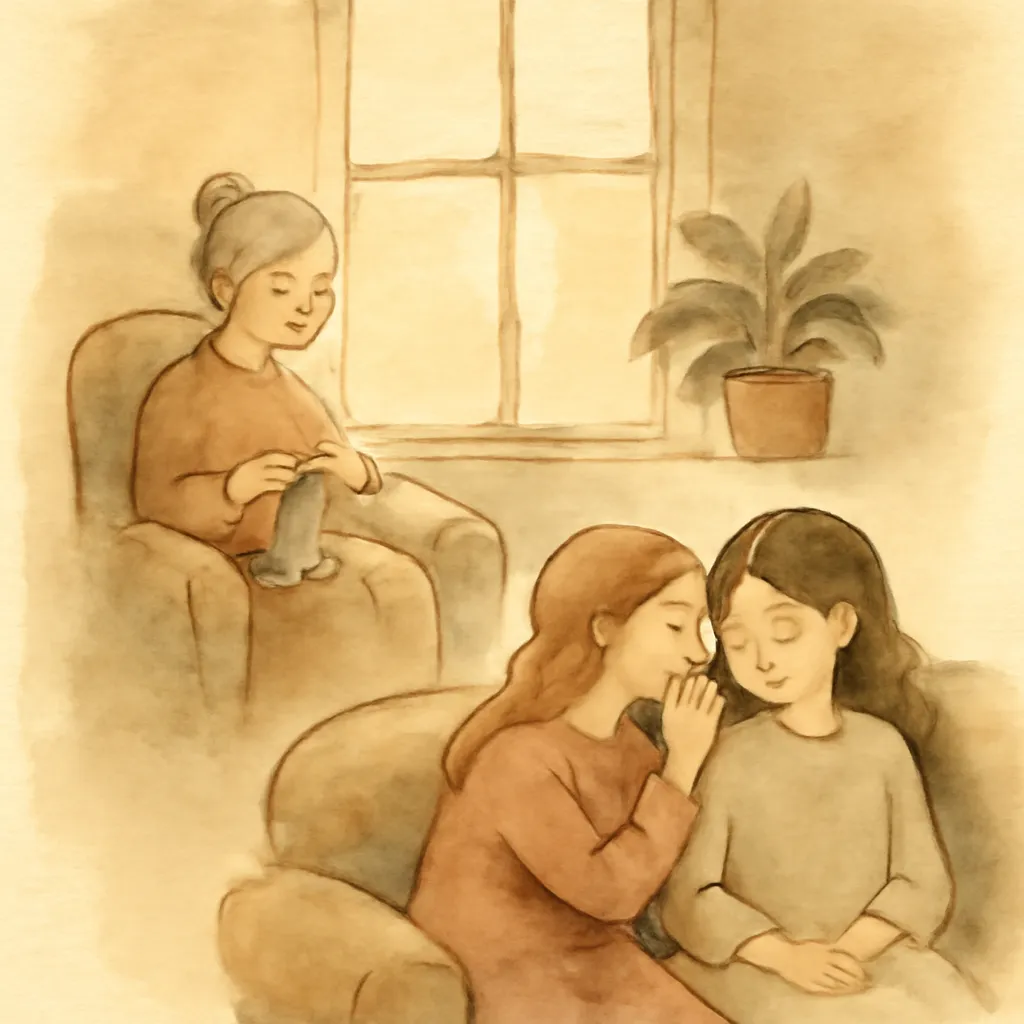
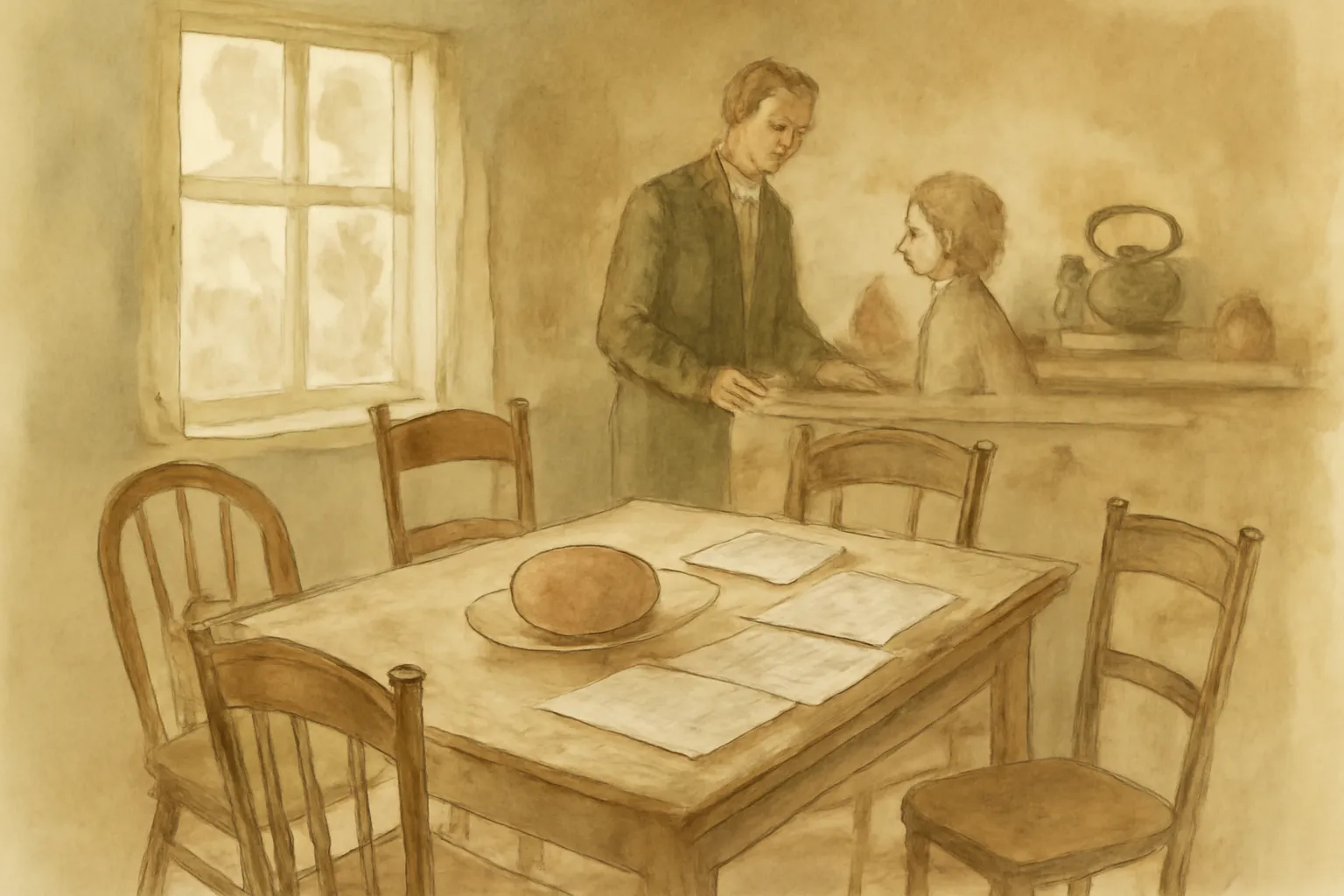
The introduction of Aunt Grace as a chaperon brings a nuanced shift to the dynamics of the parsonage family. Rather than imposing strict rules and regulations, Aunt Grace embodies a gentle, supportive presence that enriches the household. Her unassuming nature allows the girls to feel at ease, fostering an environment where they can express themselves freely. This subtle yet impactful change illustrates the importance of guidance that feels more like companionship than oversight. Aunt Grace's relationship with the family highlights how empathy and understanding can create a nurturing atmosphere, essential for the healthy development of young women navigating the complexities of adolescence. Through her interactions, Aunt Grace becomes not just a guardian but a confidante, someone who respects the girls’ burgeoning independence while providing a safety net. This balance is critical in allowing them to explore their individual identities while remaining anchored in familial love.
2.Sibling Rivalry and Solidarity
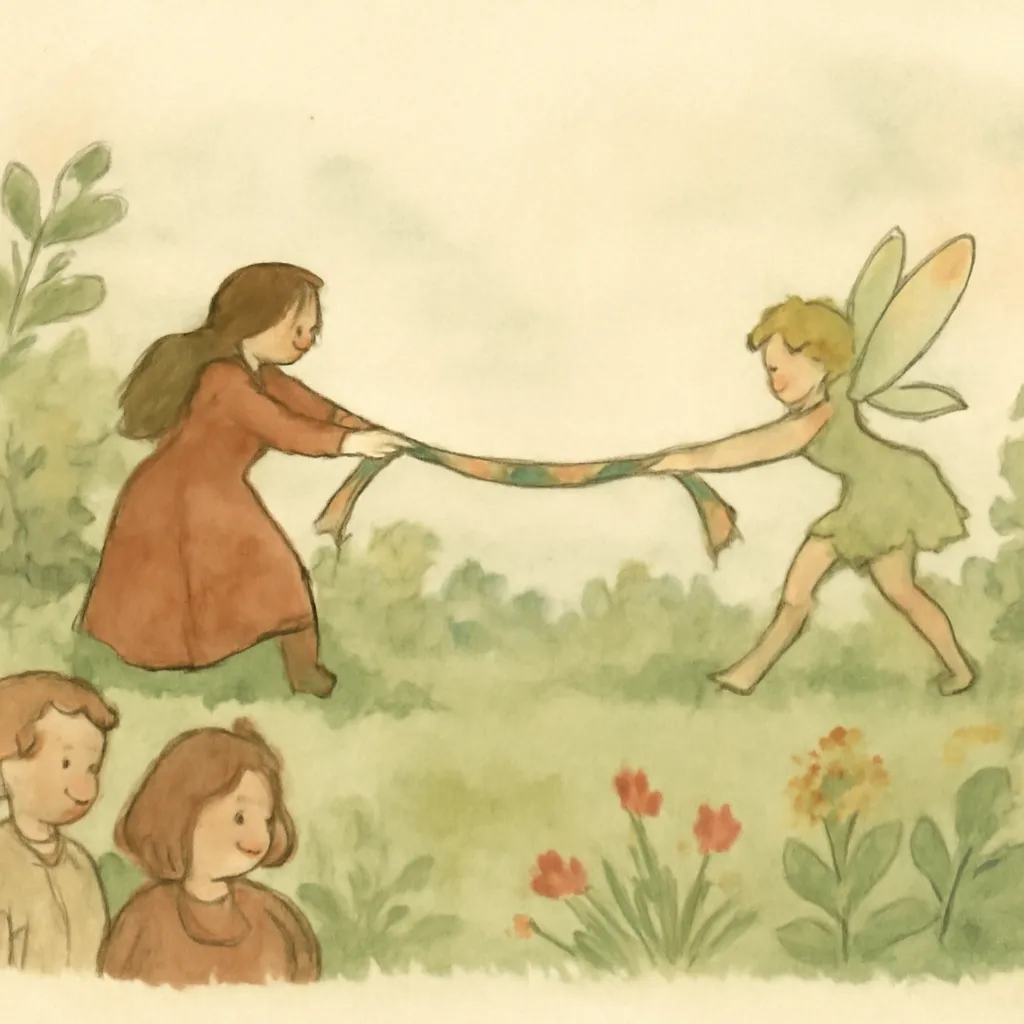
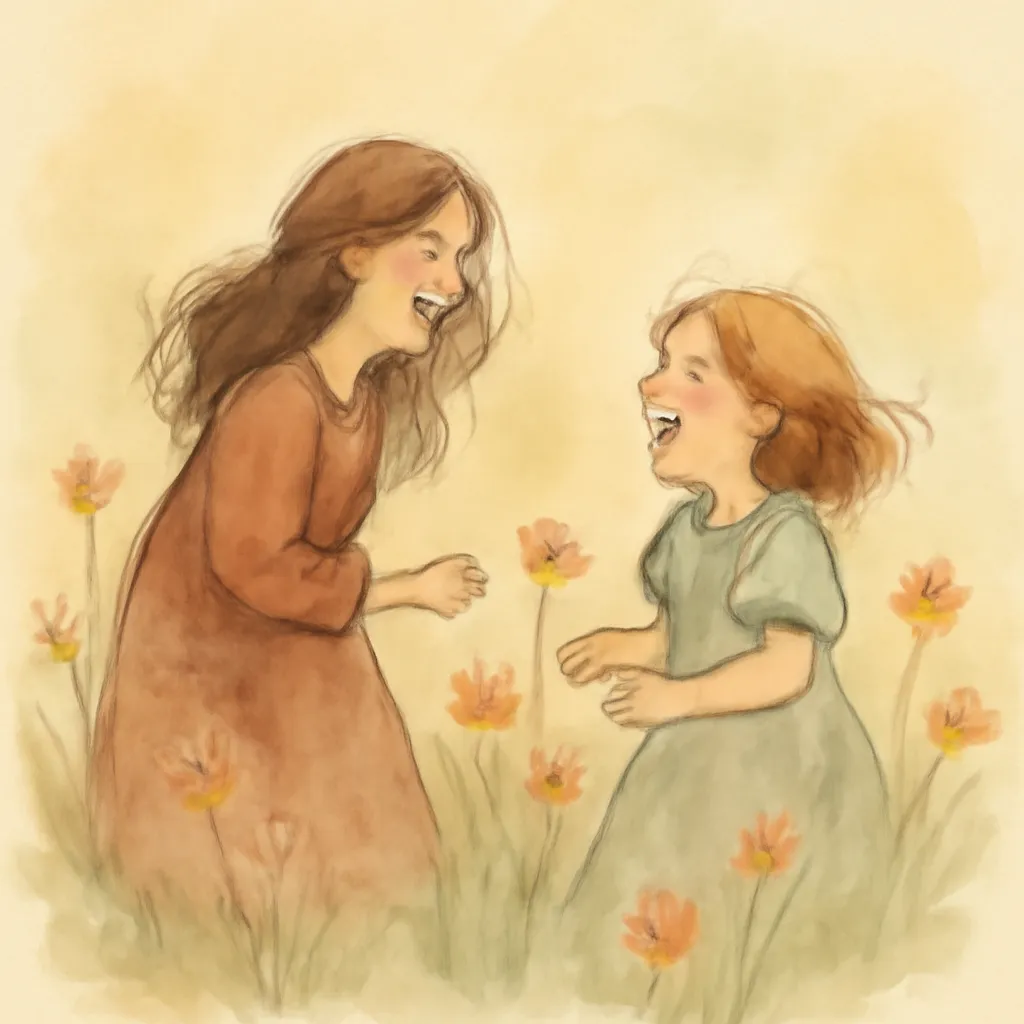
The interactions among Prudence, Fairy, and the twins reveal the dual nature of sibling relationships—filled with both rivalry and unwavering support. Each sister possesses distinct personalities that often clash, leading to humorous and poignant moments. For instance, Fairy's frustration with her brother's expectations regarding her social life showcases the tension between personal freedom and familial obligations. Yet, beneath the surface, there is a profound sense of solidarity. The twins, while engaging in their antics, demonstrate how shared experiences can strengthen their bond, illustrating that even in conflict, familial ties are resilient. This intricate dance of rivalry and support is a reflection of real-life sibling dynamics, making their stories relatable and resonant. It showcases that while siblings may squabble, they also possess an unspoken understanding and loyalty towards one another, and their conflicts often serve to deepen their relationships instead of severing them.
3.Adolescence and Identity

The journey to self-discovery is a central theme in 'Prudence Says So,' as each character grapples with their identity amidst societal expectations. Fairy's desire to maintain her independence while navigating relationships with boys exemplifies the struggle many young women face in asserting their individuality. The twins, on the cusp of adulthood, experiment with their personalities and appearances, revealing the insecurities that often accompany this transformative stage. Through their experiences, the narrative explores the tension between societal norms and personal desires, encouraging readers to reflect on their own journeys of self-discovery. The characters’ growth highlights that adolescence is not merely a phase to endure but a critical period for shaping one’s identity and values. It also emphasizes that the path to self-awareness is filled with confusion and missteps, yet these are essential for personal growth. The dynamics within the parsonage create a fertile ground for each sister to explore what it means to be a woman in their time, making individual choices that lead to authentic self-expression.
4.Romantic Relationships and Expectations

Romantic entanglements in 'Prudence Says So' are fraught with both excitement and anxiety, reflecting the complexities of young love. Characters like Fairy struggle with the expectations placed upon them by family and society, particularly regarding their interactions with boys. The pressure to conform to traditional gender roles often leaves them feeling trapped between their desires and the need for acceptance. For instance, Fairy's frustration with her brother's insistence on her dating norms showcases the generational divide in understanding romance. The narrative deftly illustrates how romantic relationships are influenced by external expectations, urging readers to consider how love and societal pressures intertwine, impacting personal choices and happiness. Through Fairy’s experiences, readers witness the highs and lows of first love, showcasing both the thrill of romance and the sting of heartbreak. This exploration of young love serves as a broader commentary on the societal constructs surrounding relationships and the very real emotional turmoil faced by young people in their quest for connection.
5.The Importance of Community
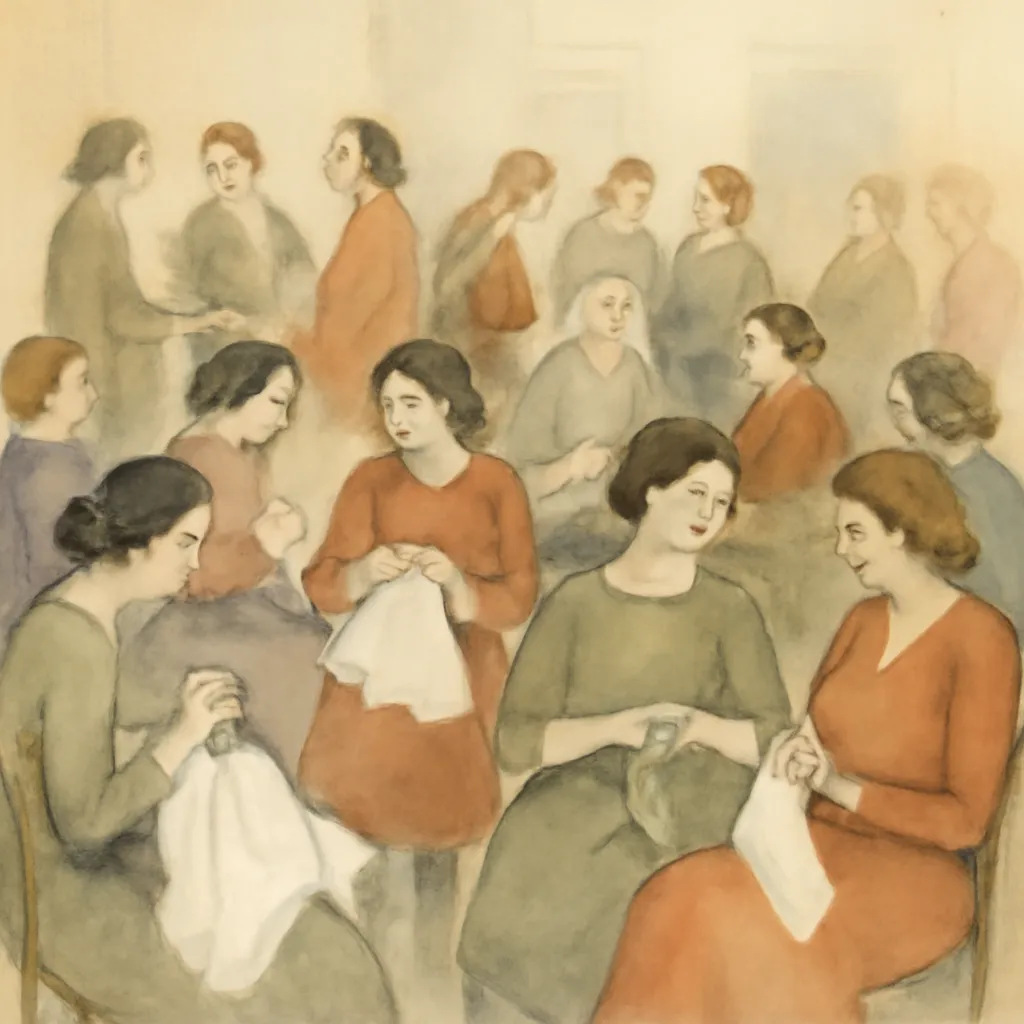
The parsonage serves as a microcosm of the broader community, illustrating the interconnectedness of family and social life. Characters frequently interact with members of the Ladies' Aid and other community organizations, emphasizing the significance of social networks in shaping individual experiences. Aunt Grace's acceptance into the family highlights how community members can provide support and encouragement, reinforcing the idea that relationships extend beyond the immediate family. The narrative showcases various community dynamics, from the warmth of friendships to the challenges of social expectations, ultimately portraying how community plays a pivotal role in personal growth and resilience. Events such as church gatherings and social functions serve as backdrops for character development, allowing the girls to navigate their social roles while also identifying their personal beliefs. This portrayal of community underscores the importance of finding one's place within a social structure, and how those connections can influence individual journeys.
6.Education and Ambition

Education emerges as a vital theme, particularly in the aspirations of the younger characters. As the twins and Connie navigate their academic journeys, their ambitions reflect the broader societal shifts regarding women's roles in education and the workforce. The pressure to excel academically while also conforming to traditional expectations creates a tension that resonates throughout the story. Connie's declaration of wanting to become an author reflects a desire to break free from conventional paths, embodying the aspirations of a generation seeking independence and fulfillment. The narrative encourages readers to consider the value of education not just as a means to an end but as a transformative experience that shapes identity and future opportunities. The characters’ discussions about their futures reveal a growing awareness that education can empower them to carve out their own destinies, challenging the status quo. This focus on ambition and personal growth serves as a reminder of the importance of pursuing one’s passions and the impact that educational opportunities can have on one’s life.
7.Humor as a Coping Mechanism
Humor permeates the narrative, serving as a vital coping mechanism for the characters as they navigate the ups and downs of life in the parsonage. The witty banter among the sisters, coupled with their playful interactions, provides levity in moments of tension and uncertainty. For example, Aunt Grace's understated humor and the twins' antics often diffuse potentially serious situations, illustrating how laughter can forge connections and ease familial strains. This emphasis on humor underscores the resilience of the characters, suggesting that finding joy in everyday struggles is essential for maintaining harmony in family life. The narrative ultimately champions the idea that humor can be a powerful tool for overcoming obstacles and fostering deeper relationships. This lighthearted approach enables the characters to confront their challenges without losing sight of their bonds, reinforcing the notion that laughter can serve as a balm in times of stress.
8.Societal Expectations vs. Personal Desires

The tension between societal expectations and personal desires is a recurring theme that resonates throughout 'Prudence Says So.' Characters often grapple with the pressures to conform to traditional roles, particularly in the context of marriage and family. Prudence's insistence on maintaining a polished appearance for Aunt Grace reflects societal norms dictating how women should present themselves. Similarly, Fairy's struggles with her romantic life highlight the conflicts that arise when personal desires clash with societal expectations. This theme encourages readers to reflect on their own experiences with societal pressures and the importance of asserting one's individuality in the face of external demands. The narrative ultimately advocates for authenticity and self-acceptance as crucial components of personal fulfillment. By showcasing the conflicts faced by each character, the story serves as a reminder that while societal expectations can be stifling, the pursuit of personal happiness often requires courageous defiance against the norm.
9.The Power of Friendship
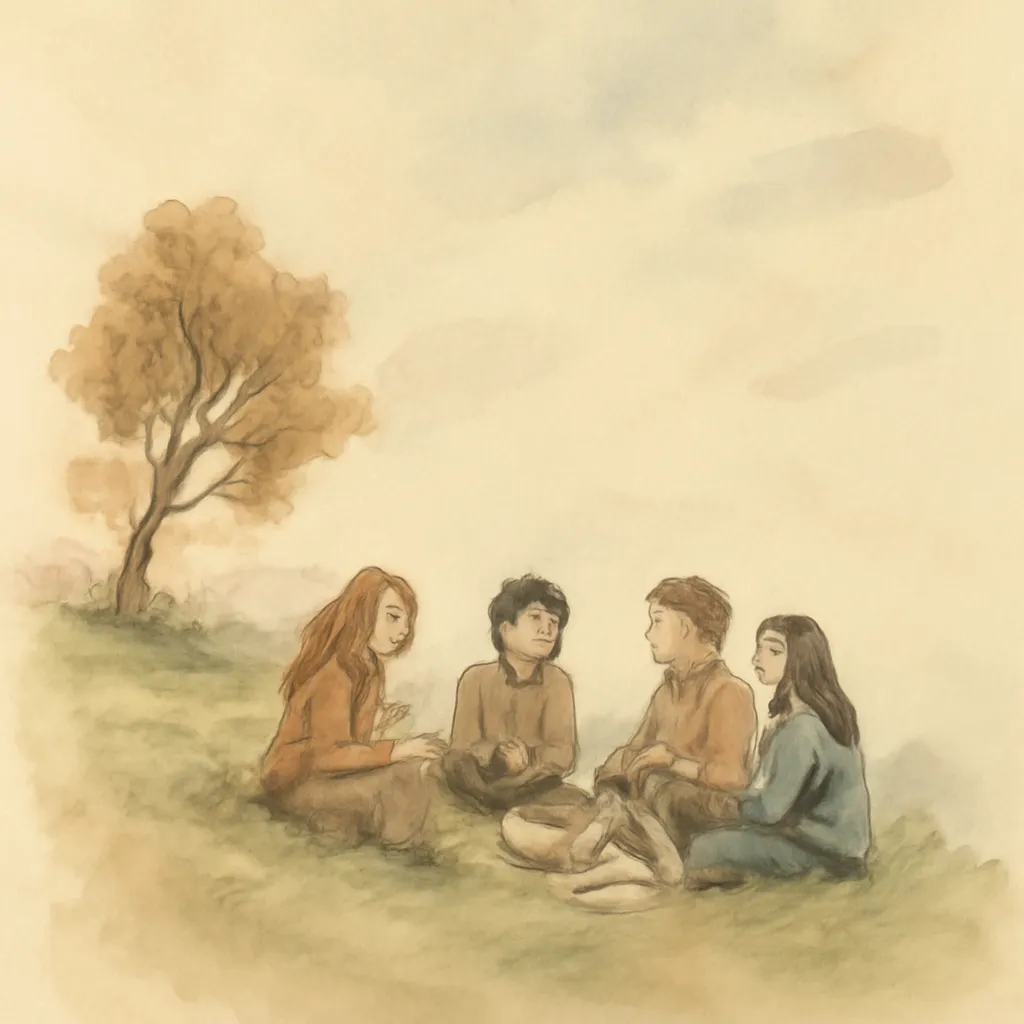
Friendship plays a pivotal role in the lives of the characters, providing a source of support and understanding amid the challenges of adolescence. The girls' relationships with each other and their peers illustrate the significance of camaraderie in navigating the complexities of growing up. For instance, the twins' bond is strengthened through shared experiences and mutual encouragement, showcasing how friendship can bolster confidence and resilience. Additionally, the interactions with friends outside the family, such as the boys in their social circles, reveal the importance of companionship in fostering personal growth. The narrative emphasizes that friendships, both platonic and romantic, are essential for emotional well-being and self-discovery. These relationships not only provide joy and laughter but also offer a safe space for vulnerability, allowing characters to explore their fears and aspirations together.
10.Navigating Change and Transition
Change is an ever-present theme in 'Prudence Says So,' particularly as the characters confront transitions in their lives. The impending move of the Starr family serves as a catalyst for reflection and growth, prompting the girls to grapple with their feelings about leaving their home. Each character responds to change in unique ways, illustrating the diverse emotional landscapes that accompany transitions. For example, Connie's quiet determination to embrace new opportunities contrasts with the twins' more tumultuous reactions, showcasing the spectrum of responses to change. This theme resonates deeply with readers, as it reflects the universal experience of navigating life's transitions and the growth that often emerges from such challenges. Through their experiences, the story illustrates that while change can be daunting, it also presents valuable opportunities for growth and self-discovery, often leading to new and unforeseen possibilities.