1.The Unlucky Day of the Fool's Month
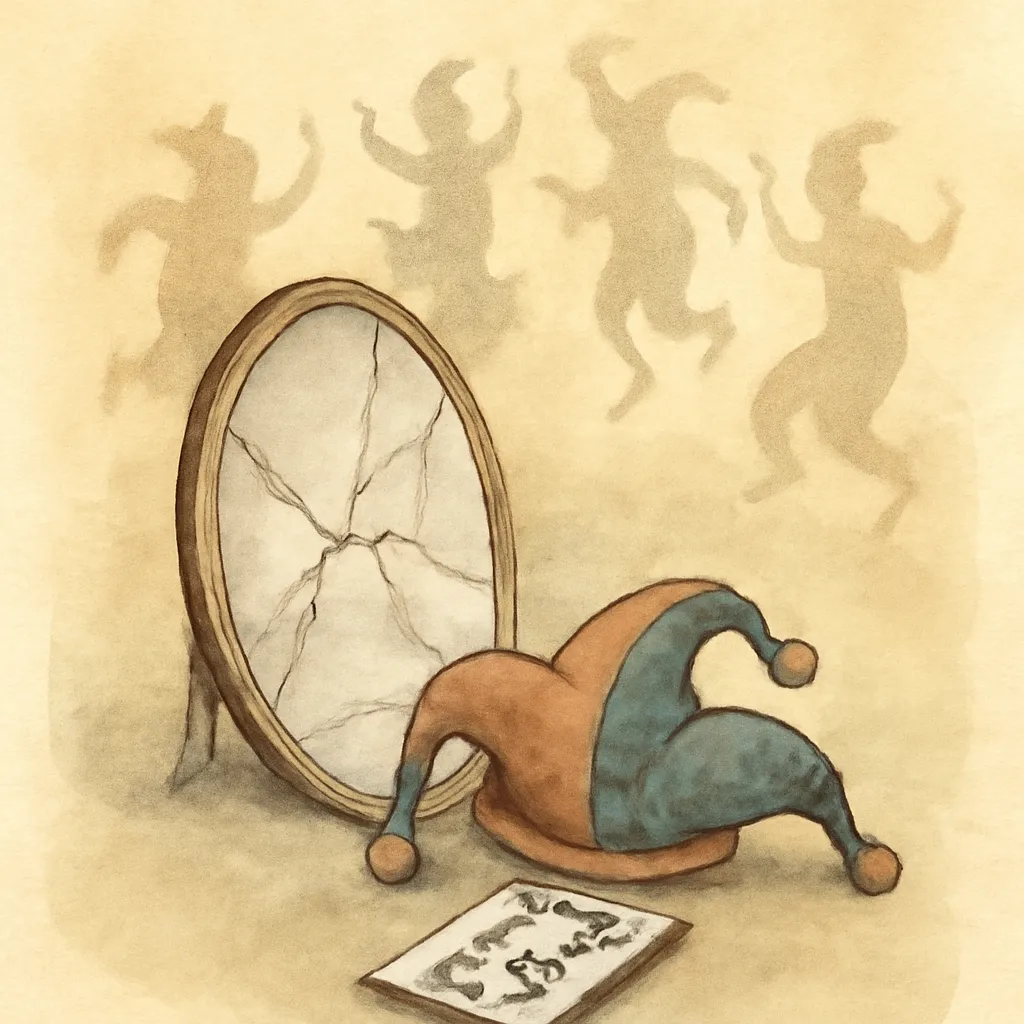
Murray begins his recollections by reflecting on his birth on April 13, a date his mother whimsically deemed 'the unlucky day of the fool's month.' This early anecdote sets the tone for a life marked by both mischief and serendipity. Growing up in West Bromwich, a town that straddled the line between industrial and rural, he paints a vivid picture of a lost world where children could experience both the clamor of nail-making workshops and the tranquility of the countryside. His descriptions of the environment evoke nostalgia, particularly the juxtaposition of nature against the backdrop of industrialization, which served to shape his perception of beauty and hardship. This duality becomes a recurring theme throughout his life, influencing his literary voice and perspective. The contrast he experienced as a child instilled in him a profound understanding of the interconnectedness of life's joys and sorrows, and this awareness would later enrich his storytelling.
2.A Family of Printers and Dreamers
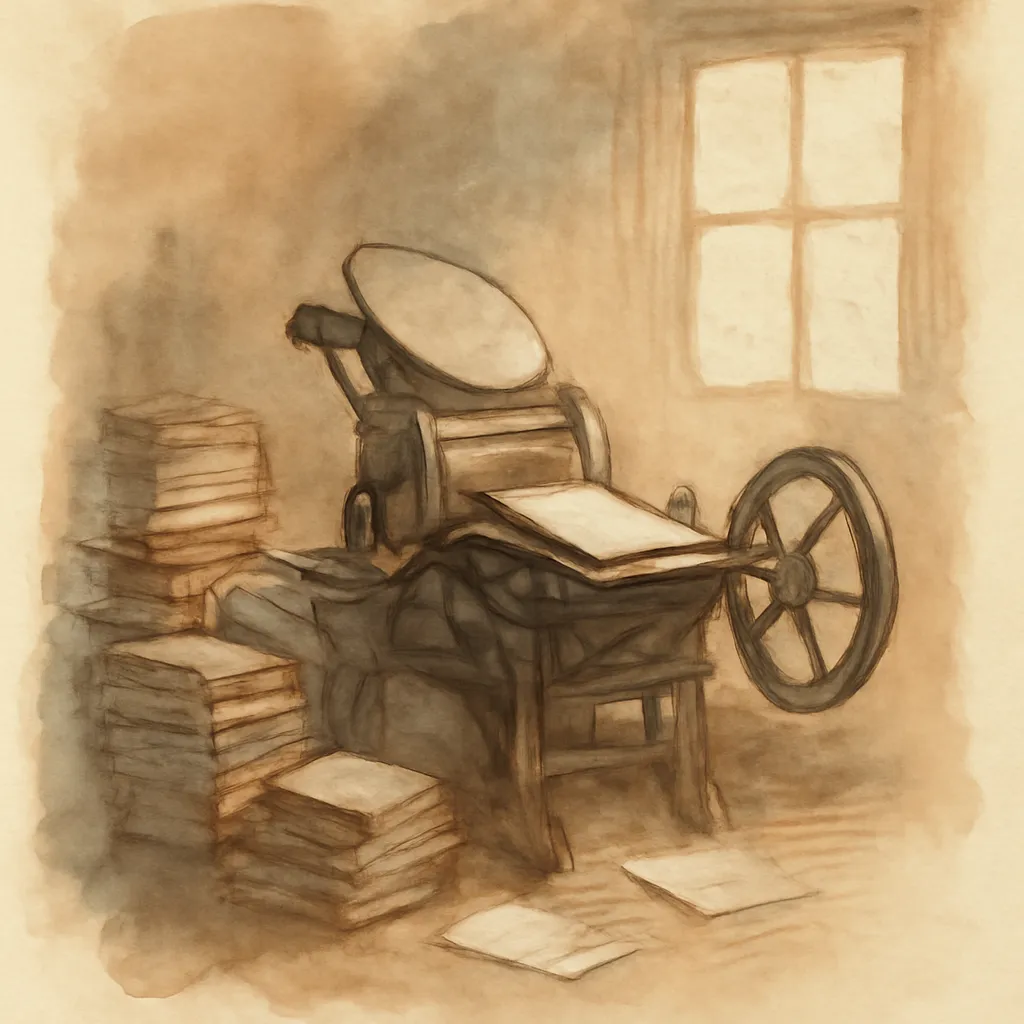
Murray delves into his family background, particularly his father's role as a printer and stationer. The dusty shelves of unsold literary works in his father's shop fueled his early love for books and literature. Titles such as 'The Wealth of Nations' and the dramatists of the seventeenth century became his companions, fostering an insatiable appetite for reading. The family legend that they were somehow connected to the noble Murray lineage adds a layer of romanticism to his childhood, inspiring daydreams of royal ancestry amid the struggles of everyday life. This blend of aspiration and reality highlights the formative impact of familial stories on his identity and ambition. Murray's reflections on his family's financial challenges resonate with many who have grown up in similar circumstances, emphasizing how socioeconomic backgrounds can shape dreams and drive individuals to seek a different life through education and creativity.
3.The Early Struggles of Education
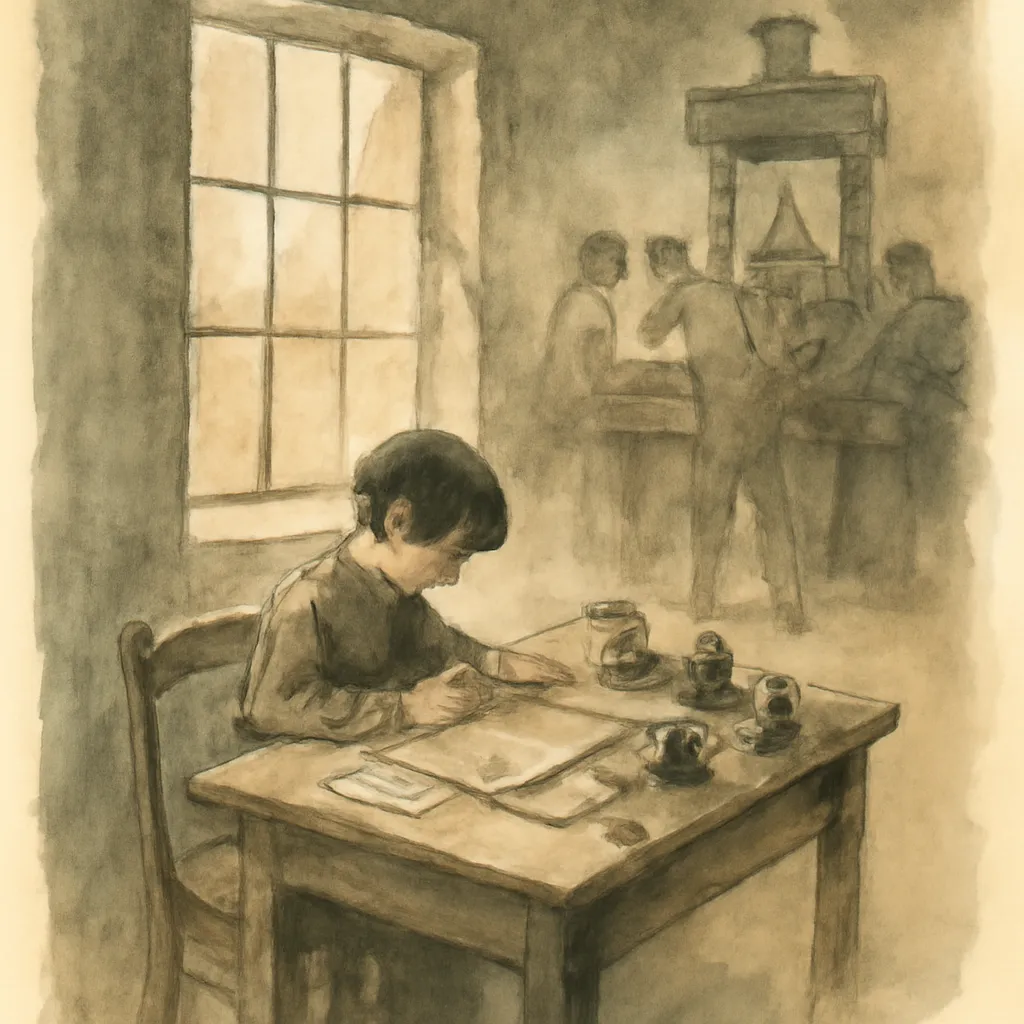
At the age of twelve, Murray's formal education took a significant turn when he was pulled from a respectable private school to work in his father's printing office. This shift underscores the economic realities faced by families during that time, as well as the importance of practical skills over traditional education. His time in the printing office served as both a challenge and a catalyst for his literary ambitions. Despite the hardships, he found solace in the written word, gaining a rich foundation in literature that would later inform his writing style. His experiences illustrate the tension between societal expectations and personal aspirations, a theme that resonates with many who have faced similar crossroads. The transformation from an eager student to a working boy in a printing office symbolizes the harsh realities of class dynamics in Victorian England, where the pursuit of knowledge often collided with the necessity of earning a living.
4.The Allure of London
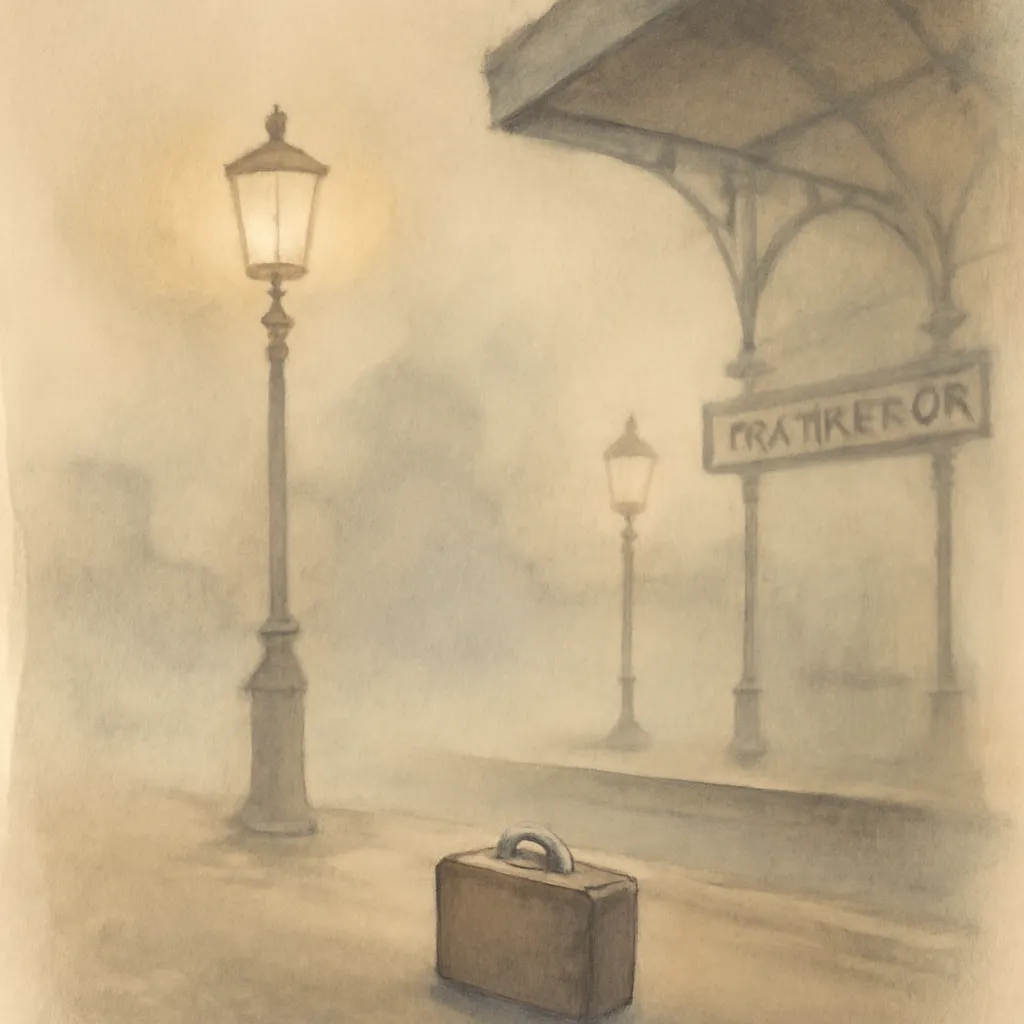
Murray's first impressions of London are a whirlwind of excitement and trepidation. He captures the chaotic energy of the city as he travels from Birmingham, filled with a mix of hope and uncertainty. His vivid descriptions of Paddington Station, fog-laden streets, and bustling crowds reveal a city alive with possibility yet shrouded in the challenges of urban life. This transition marks a pivotal moment in his journey, as he navigates the complexities of city life while seeking to carve out his place as a writer. Murray's depiction of London's duality—its vibrancy contrasted with its overwhelming nature—mirrors the struggles many face when they move to a metropolis in search of opportunity. The city's character becomes a vital backdrop for his growth, fuelling his ambition while simultaneously testing his resolve, as he learns to adapt to a new environment filled with both inspiring figures and daunting challenges.
5.Life in the Army: A Transformative Experience
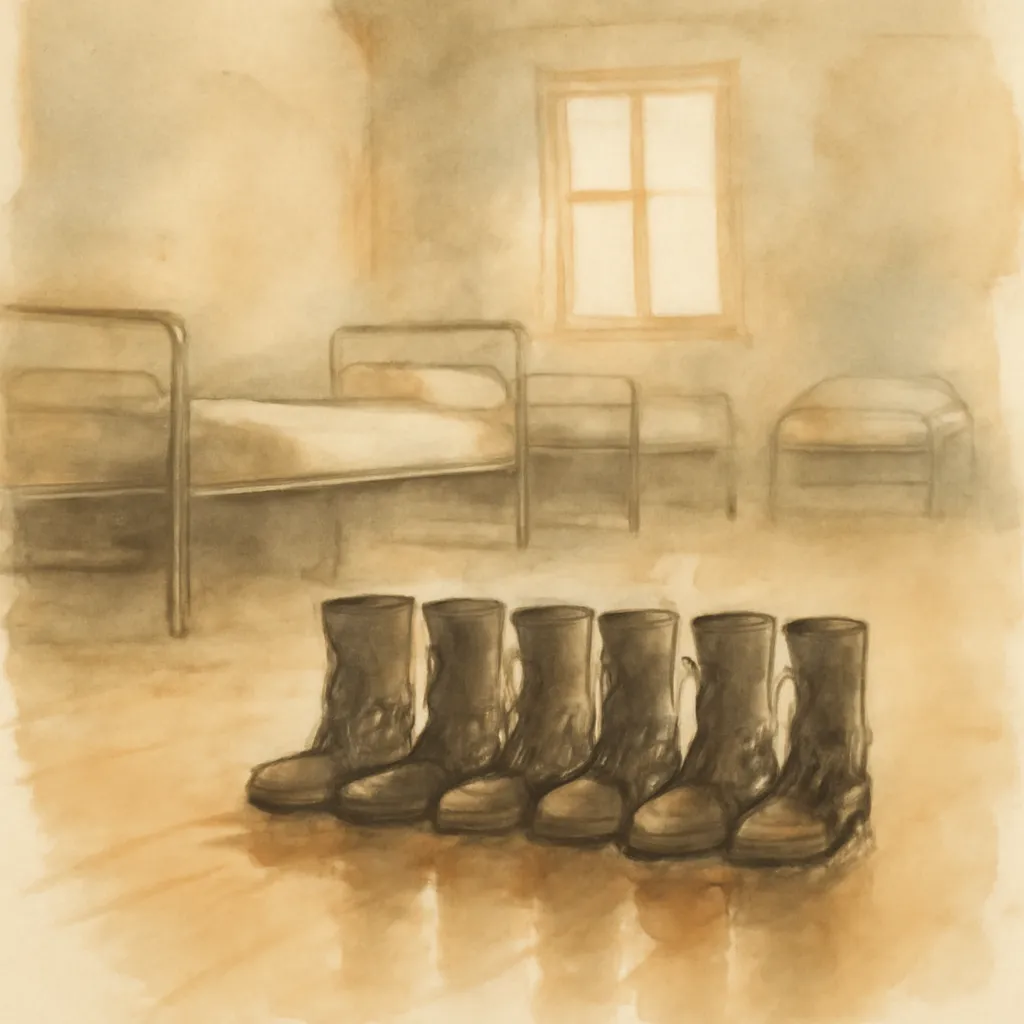
Murray's enlistment in the army is a significant chapter in his life, driven by a mix of youthful impulsiveness and a desire for adventure. His experiences in St George's Barracks and the camaraderie among recruits provide insights into the military culture of the time. The narrative shifts as he recounts the challenges of army life, from the harsh discipline to the bonds forged in adversity. Moreover, his time in the military exposes him to a diverse array of individuals, each with their own stories and struggles. This period not only toughened him but also broadened his worldview, exposing him to perspectives on duty, honor, and sacrifice that would influence his later writings. His eventual discharge, coupled with a sense of 'sweet revenge' against his circumstances, encapsulates the resilience that defined his character and foreshadows his future endeavors in journalism and storytelling.
6.The Path to Journalism
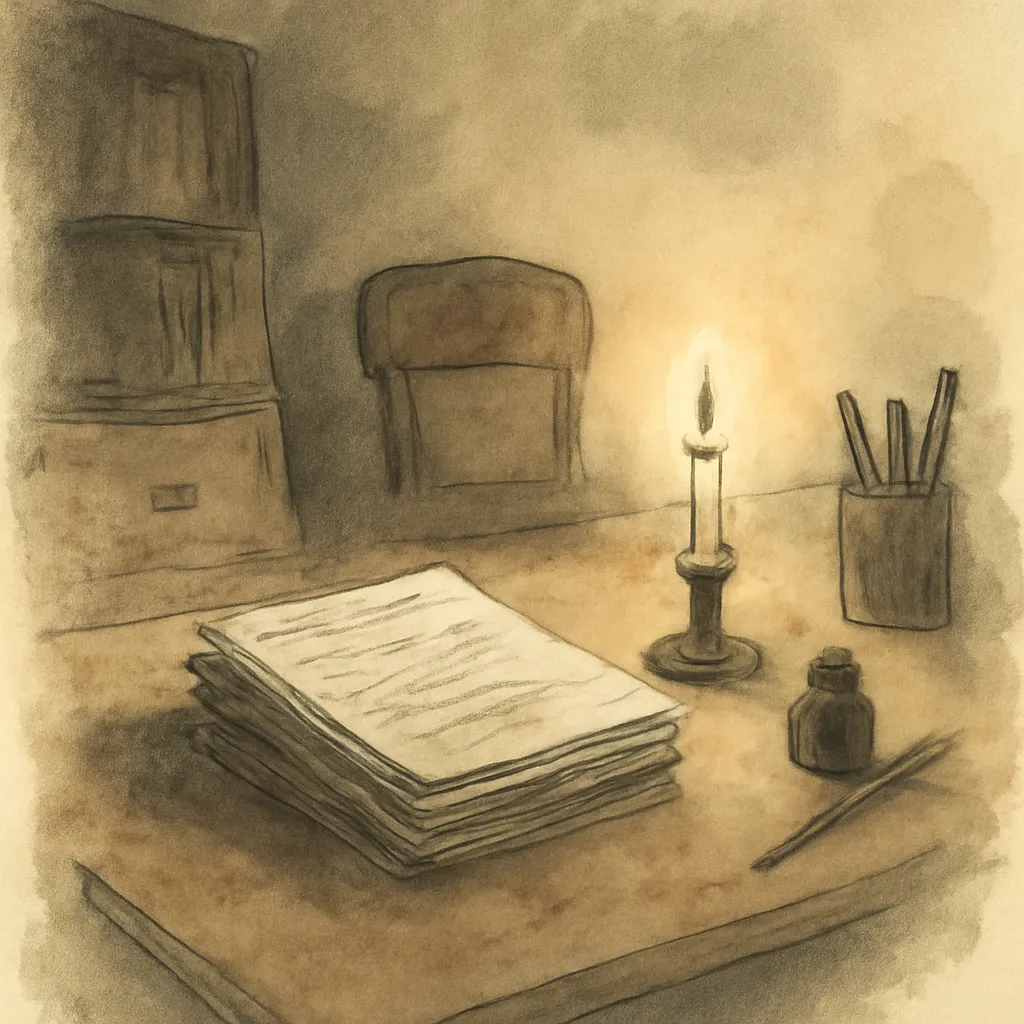
Murray's transition into journalism is marked by serendipity and determination. He attributes his entry into this field to Dr. Kenealy, whose impassioned speeches ignited a spark in him. His early days at the Wednesbury Advertiser reveal the challenges faced by journalists, including misprints and the struggle to report on local tragedies like the Pelsall Hall Colliery Disaster. These experiences not only honed his writing skills but also instilled a deep sense of responsibility towards the community. The real-life events he covered inspired not only a commitment to factual reporting but also a yearning to shed light on the human stories behind the headlines. Murray's journey illustrates the transformative power of storytelling, as he learns to navigate the complexities of human experiences through the lens of journalism, reinforcing the notion that the press plays a crucial role in shaping public consciousness and accountability.
7.The Press Gallery and Political Insights
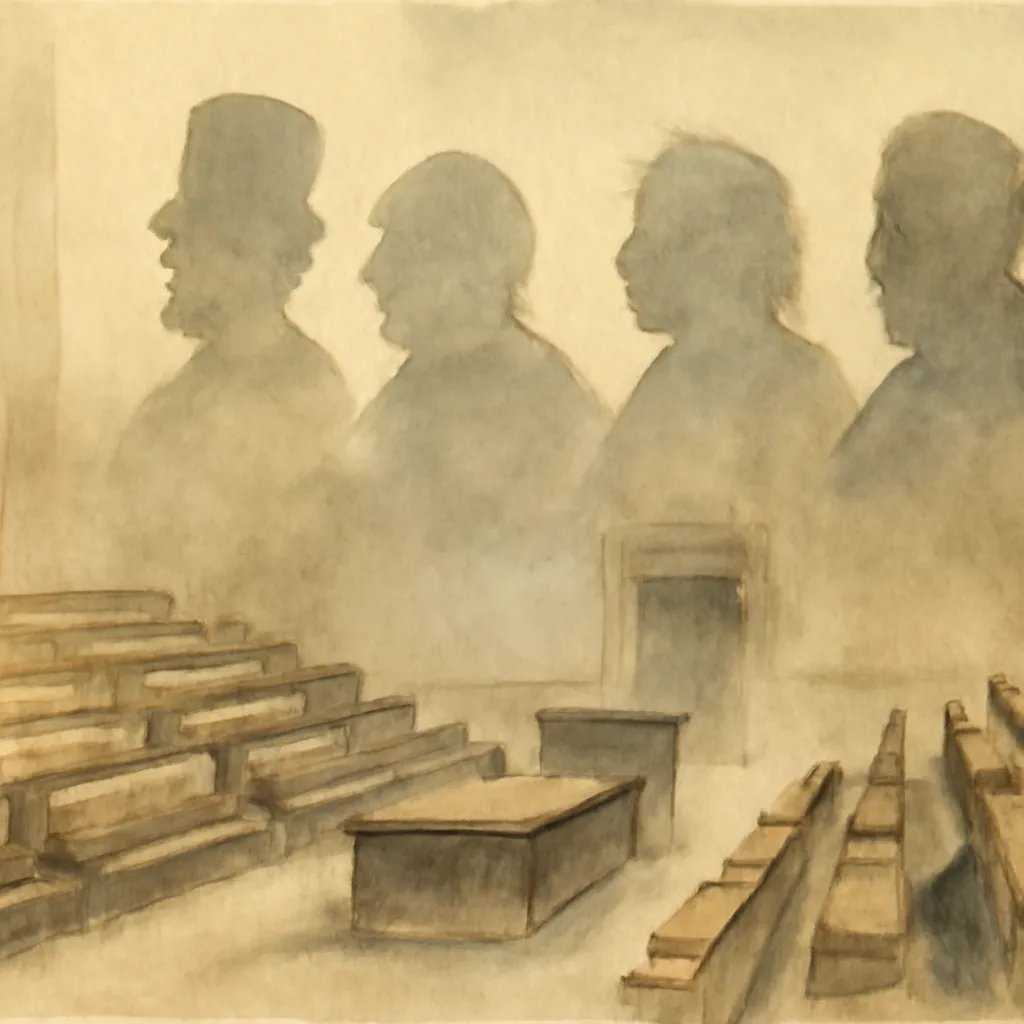
Murray's time in the House of Commons Press Gallery provides a front-row seat to the political machinations of the era. His encounters with figures like Disraeli and Gladstone offer rich insights into the personalities that shaped British politics. He recounts how Disraeli, often appearing aloof, delivered masterful analyses that belied his seemingly indifferent demeanor. The chaotic nature of parliamentary debates, combined with the role of the press in shaping public discourse, highlights the intricate relationship between journalism and politics. Murray's observations challenge the notion of politicians as mere public figures; instead, he reveals their complexity and the weight of their decisions. This immersion not only deepened his understanding of political dynamics but also reinforced his belief in the power of the written word to influence society, showcasing the essential role journalists play in preserving democratic ideals.
8.War Correspondent in the Russo-Turkish War
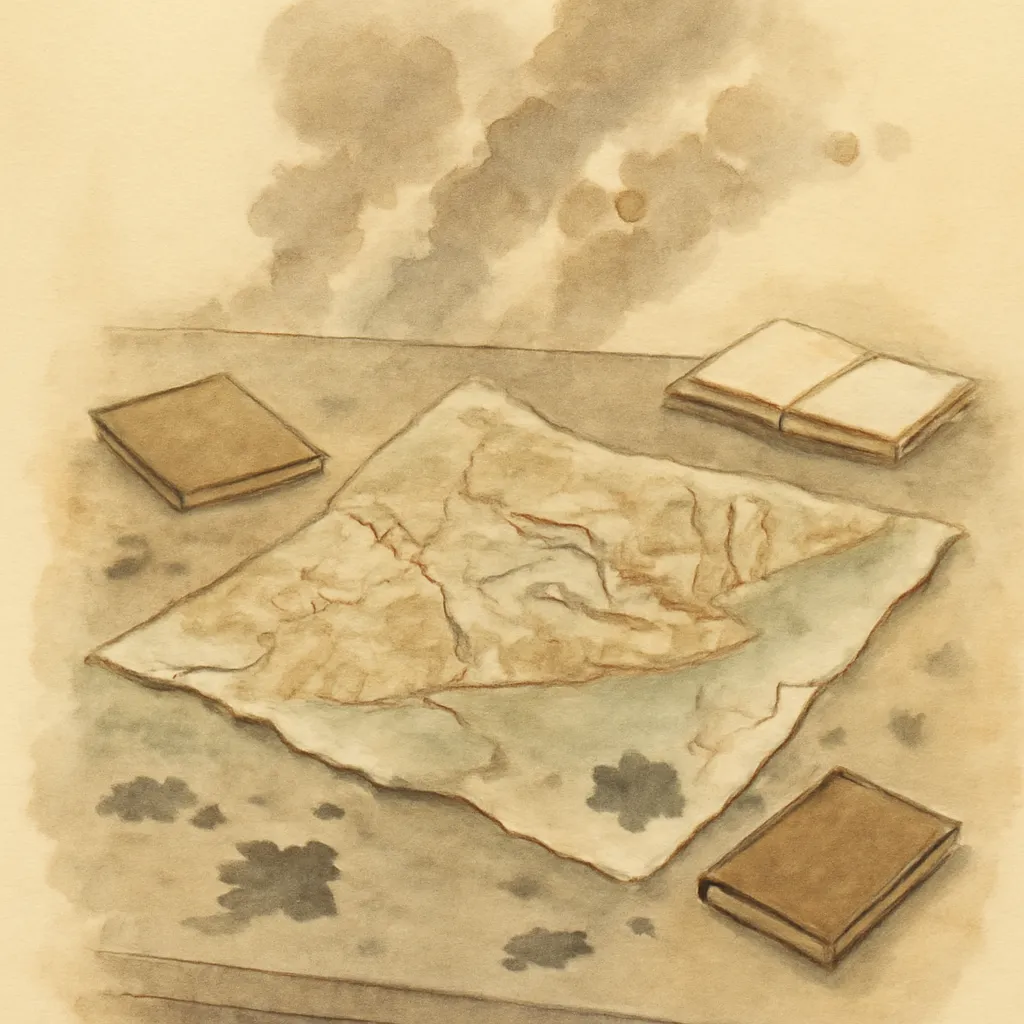
Murray's decision to become a war correspondent during the Russo-Turkish War marks a dramatic turn in his life. His journey to Constantinople, filled with anticipation and uncertainty, reveals the chaotic realities of war reporting. He captures the tension of the battlefield, the courage of non-combatants, and the complex dynamics of international conflict. Through his eyes, readers witness the horrors of war, including the Massacre of Kesanlyk, and the resilience of those caught in the crossfire. This experience not only challenged his perceptions of heroism and sacrifice but also solidified his commitment to reporting truthfully about human suffering. The moral complexities he encountered in war journalism illuminate the often-blurred line between reporting and complicity, forcing him—and the reader—to grapple with the ethical implications of storytelling in times of conflict.
9.Reflections on Life and Art
As Murray reflects on his varied experiences, he contemplates the relationship between life and art, particularly through the lens of fiction. His early attempts at writing fiction, fraught with challenges, reveal the complexities of storytelling. He acknowledges the importance of structure and purpose in creative endeavors, drawing parallels between his struggles and the broader human experience. This introspection culminates in his acknowledgment of the role of literature in understanding and articulating the human condition. Murray's journey emphasizes that while life may be chaotic and unpredictable, the act of writing offers a means of making sense of it all, transforming personal experiences into universal narratives. His reflections serve not only as an exploration of his own artistic identity but also as an invitation for readers to consider the deeper meanings behind their own stories.
10.Cultural Encounters in Australia
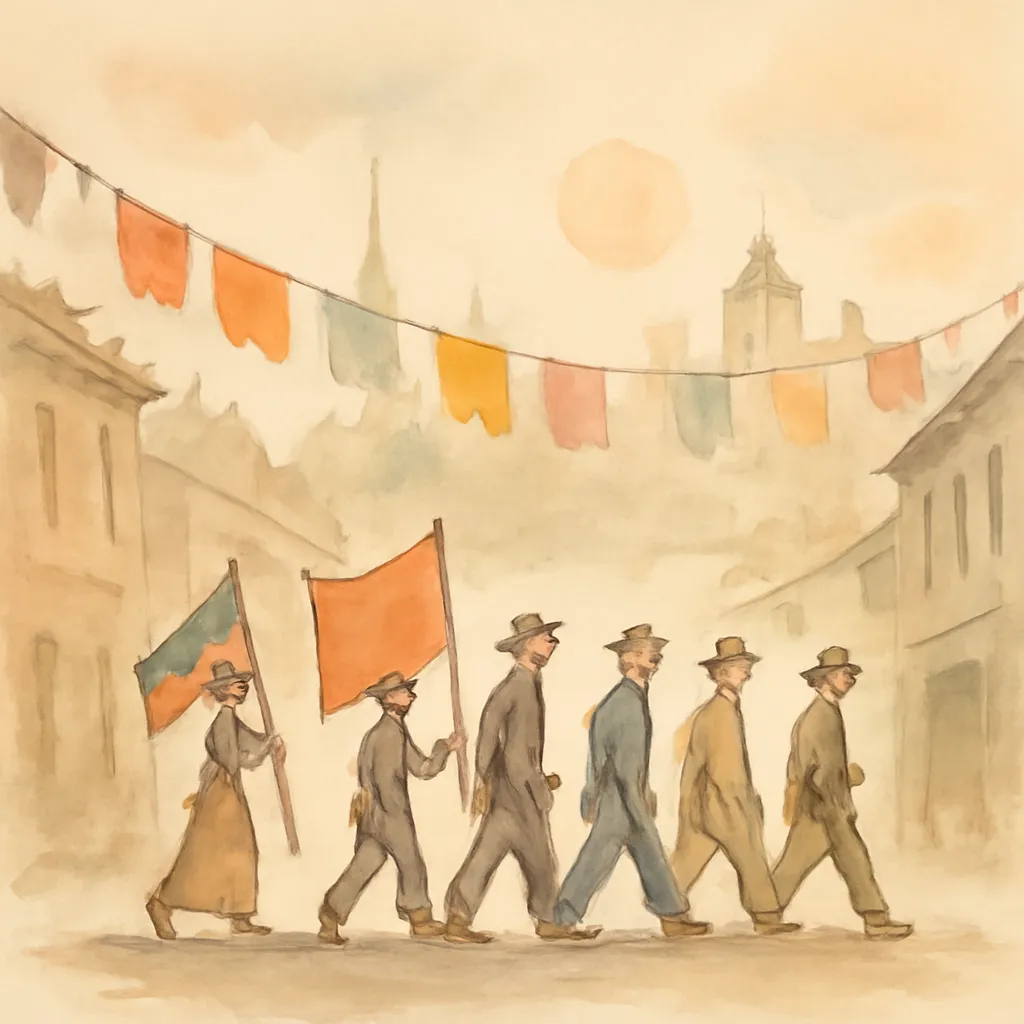
Murray's time in Australia exposes him to a vibrant, evolving culture that stands in contrast to his British roots. His observations during the Eight Hours Day procession in Melbourne highlight the growing sense of identity among Australians. The camaraderie among workers and the recognition of the contributions of pioneers reflect a society grappling with its own history and future. His experiences underscore the importance of cultural exchange and the ways in which individuals adapt to new environments. Murray's encounters with locals draw parallels between the struggles of immigrant communities and those of his own upbringing, emphasizing the shared human experience of seeking belonging and purpose. This chapter serves as a reminder of the interconnectedness of human experiences, transcending geographical boundaries and enriching the narrative of life.