1.The Awakening of the Army
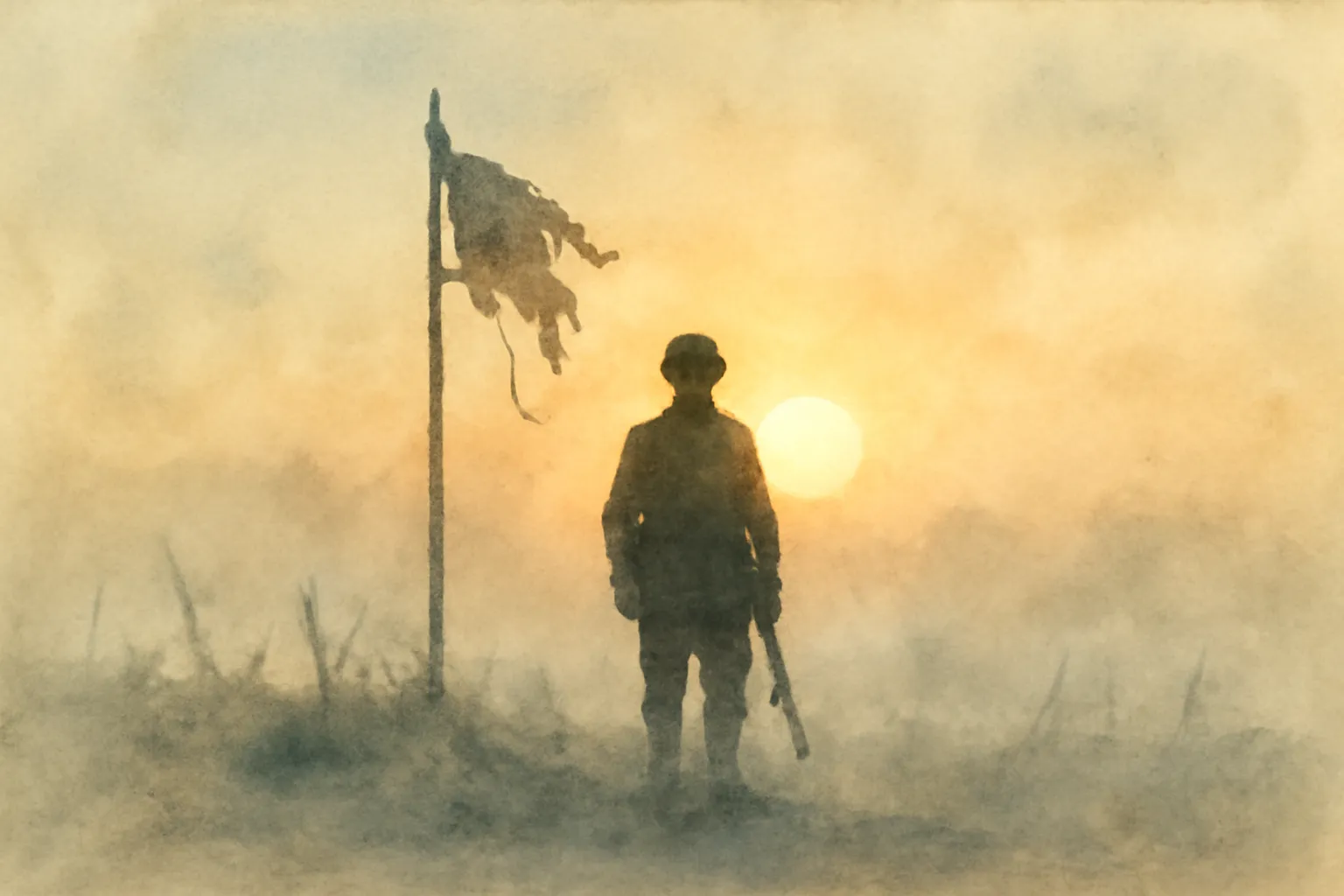
The novel opens with a vivid description of an army awakening from the cold grip of winter, filled with anticipation and eagerness. This awakening serves as a metaphor for Henry Fleming's own journey from naivety to awareness. As the soldiers buzz with rumors of impending battles, Crane captures their collective excitement and fear, showcasing the tension between expectation and reality. The soldiers' discussions reflect their diverse personalities, from the boastful tall soldier who spins tales of glory to the cynical private who doubts the army's movements. This dynamic sets the stage for Henry's internal conflict, as he grapples with the ideals of heroism against the backdrop of a grim and uncertain future in battle.
2.The Burden of Self-Identity
Henry's struggle with his sense of self is a central theme in the novel. As he observes his comrades and tries to measure his courage against theirs, he becomes increasingly consumed by doubt. The tall soldier represents a source of reassurance for Henry, yet he cannot fully accept that he might also be capable of bravery. This inner turmoil leads Henry to contemplate the nature of heroism, questioning whether it is inherent or forged through experience. His desire for a 'red badge of courage' symbolizes his longing for validation and recognition, propelling him into a quest for self-discovery. Crane poignantly illustrates how the war becomes a crucible for identity, forcing Henry to confront not only the external threats of battle but also his internal fears and aspirations.
3.Fear as a Driving Force
Fear permeates every aspect of Henry's experience, shaping his actions and decisions throughout the novel. Initially, he is paralyzed by the prospect of battle, consumed by visions of cowardice and shame. This fear manifests in his internal dialogues, where he grapples with the possibility of fleeing from the conflict. Crane masterfully depicts fear not merely as a weakness but as a natural human response to the chaos of war. As Henry confronts his fear, he begins to realize its duality; it can either debilitate him or propel him toward action. The transformation of fear into a motivating force becomes a pivotal moment in Henry's journey, showcasing the complexity of human emotions in the face of life-threatening situations.
4.The Reality of Combat
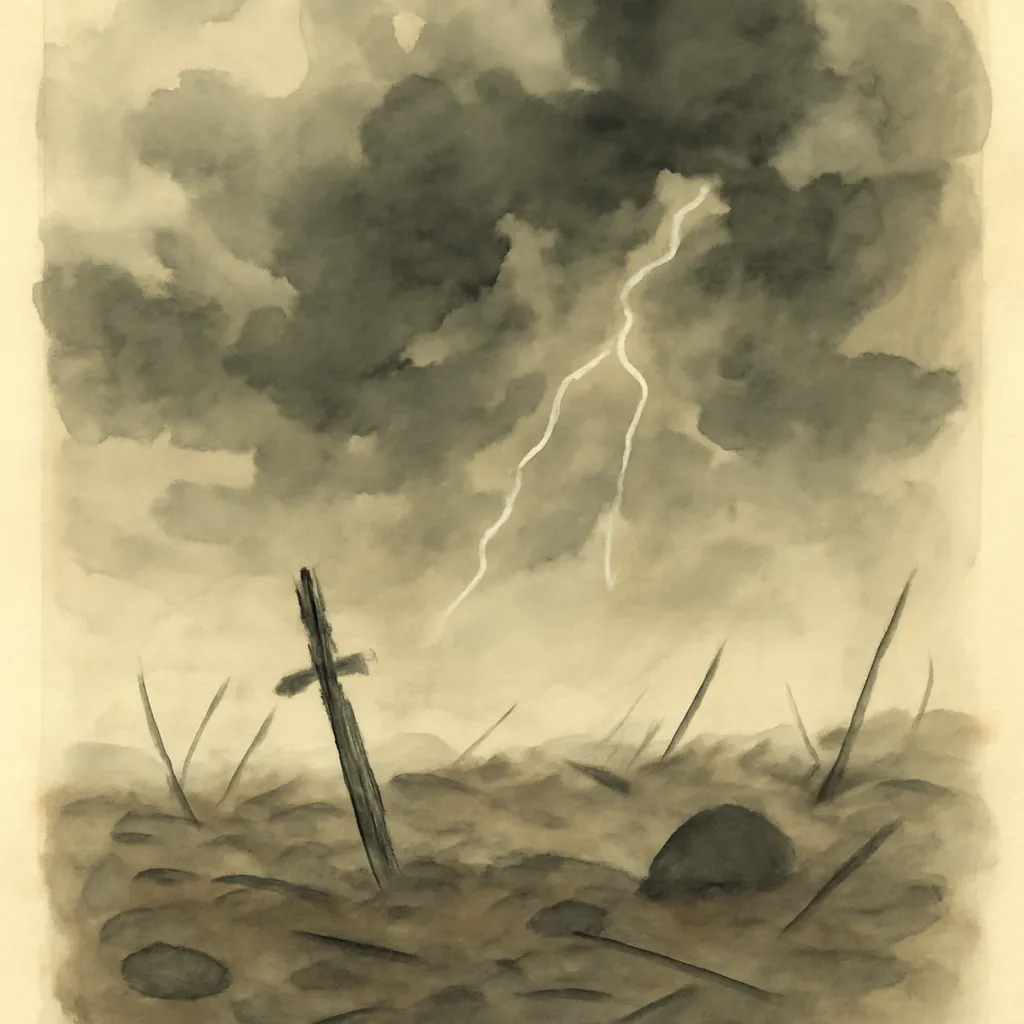
When Henry finally faces battle, the reality starkly contrasts with his romanticized notions of war. Crane's vivid imagery captures the chaos, noise, and brutality of combat, dismantling any illusions of glory. The sounds of gunfire, the acrid scent of smoke, and the visceral fear among soldiers create a visceral experience for both Henry and the reader. This encounter with the harsh truths of war forces Henry to confront his earlier fantasies and aspirations, leading to a profound sense of disillusionment. Crane's depiction of battle serves as a critique of the glorification of war, emphasizing the psychological and physical toll it takes on individuals. Through Henry's eyes, readers witness the disintegration of idealism in the face of stark reality.
5.The Dynamics of Cowardice and Bravery
Crane intricately weaves the themes of cowardice and bravery throughout the narrative, presenting them as complex and intertwined. Henry's initial flight from the battlefield embodies his fear and self-preservation instinct, yet this act of cowardice is juxtaposed with the valor displayed by his comrades. As he witnesses soldiers who remain steadfast in the face of danger, Henry grapples with feelings of shame and guilt. Crane's exploration of bravery is nuanced, suggesting that it is not solely the absence of fear but the recognition and management of it that defines true courage. This duality challenges traditional notions of heroism, inviting readers to reconsider what it means to be brave in the chaos of war.
6.The Quest for Redemption
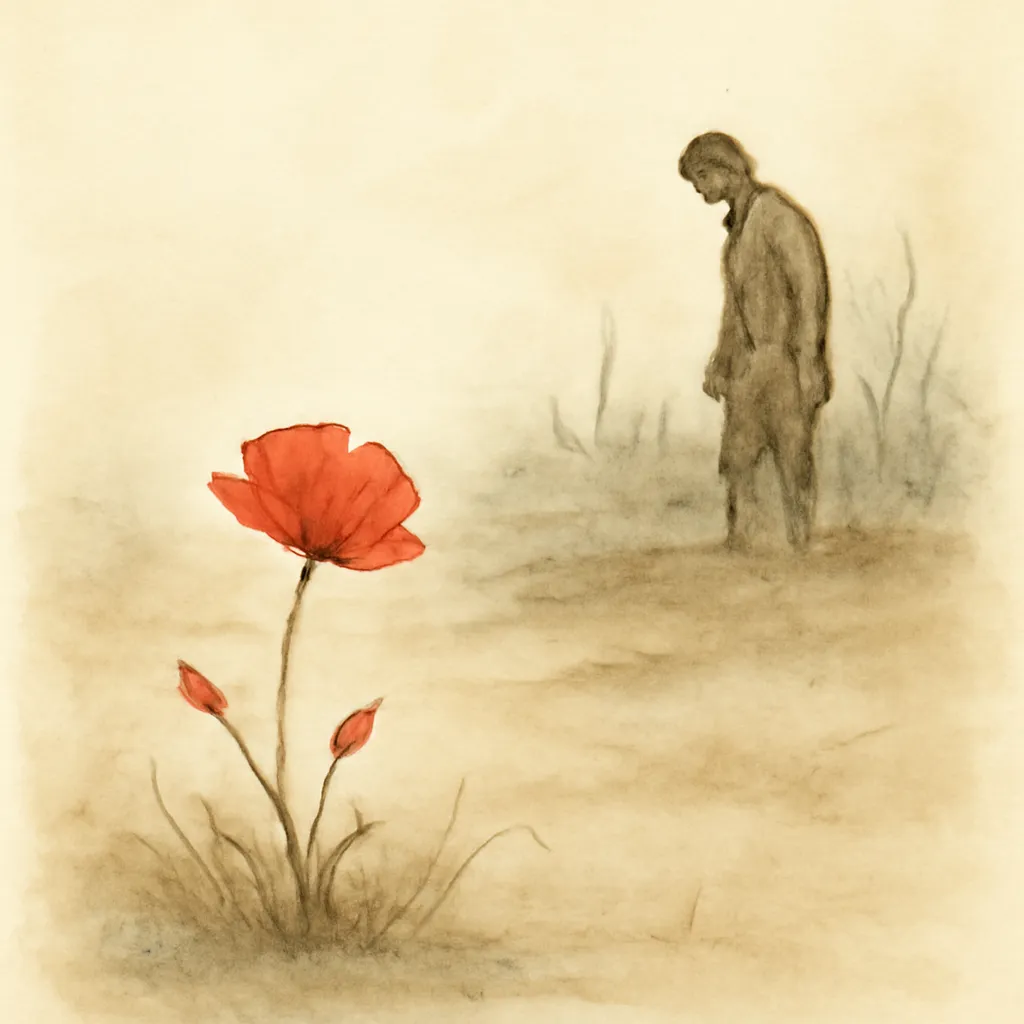
After fleeing from battle, Henry's journey shifts toward a quest for redemption. Consumed by guilt and shame, he longs for a 'red badge of courage' to validate his experience and prove his worth. This symbol becomes a driving force in his actions as he seeks to reconcile his cowardice with a desire for honor. Crane illustrates Henry's internal struggle as he encounters wounded soldiers and reflects on their sacrifices, deepening his sense of accountability. The quest for redemption is not merely about physical wounds but also about healing the psychological scars left by his flight. Through this journey, Crane emphasizes the importance of facing one's fears and taking responsibility for one's actions, ultimately leading Henry toward a path of growth and maturity.
7.The Power of Comradeship
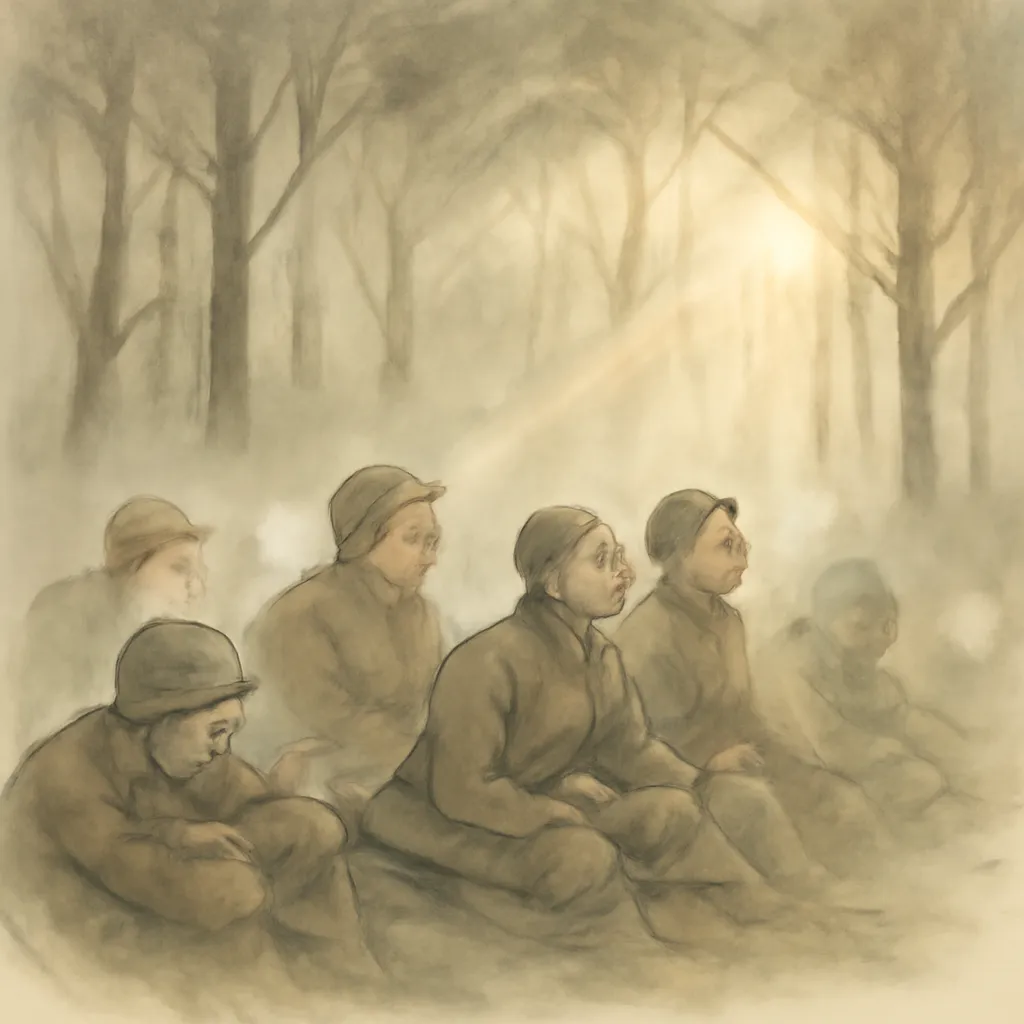
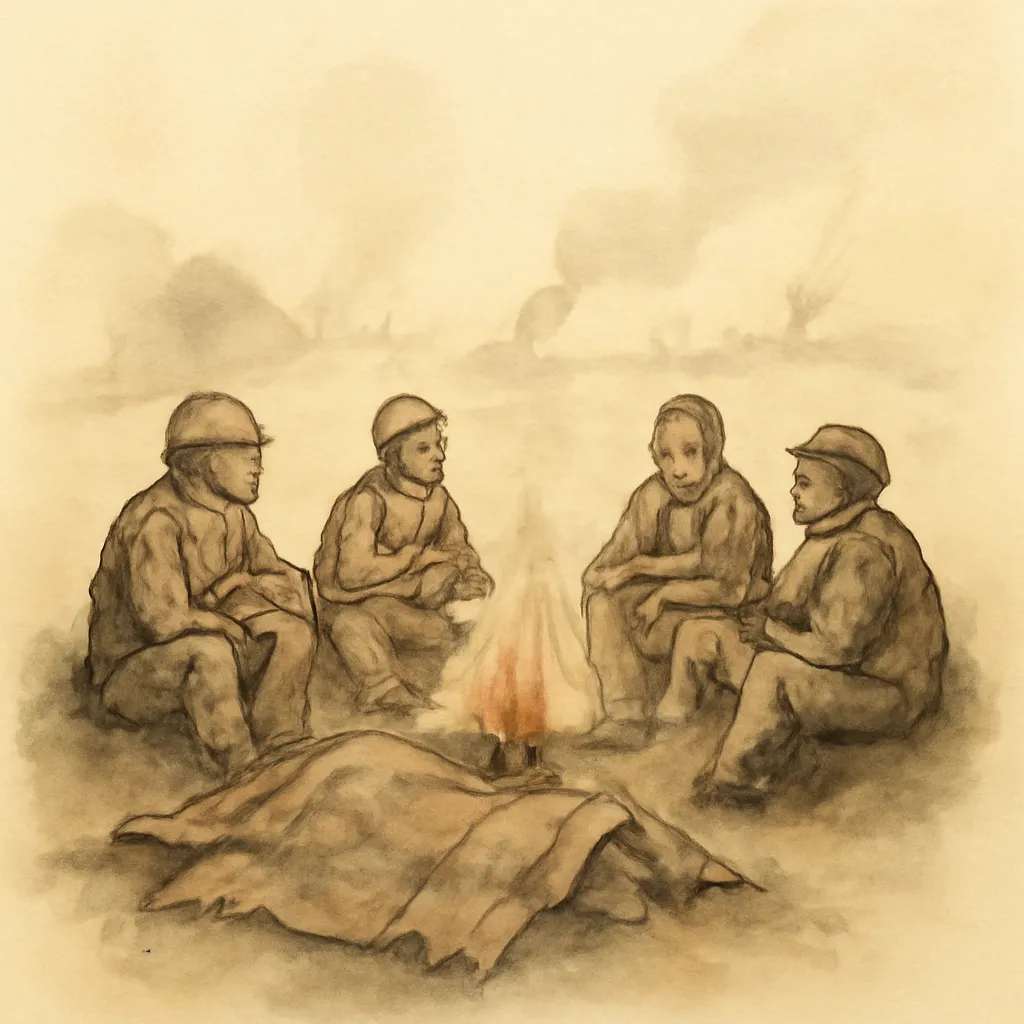
Amidst the chaos of war, the bonds of comradeship emerge as a crucial element of the soldiers' experience. Crane highlights the importance of shared struggles and mutual support among soldiers, depicting how these relationships provide solace and strength in the face of adversity. Henry's interactions with his comrades, particularly the tall soldier and Wilson, illustrate the emotional and psychological significance of camaraderie. As they navigate the horrors of battle together, their connections deepen, fostering a sense of belonging and purpose. Crane emphasizes that these bonds are essential for survival, both physically and emotionally, underscoring the idea that in the face of war, solidarity can be a powerful force for resilience.
8.The Journey Towards Self-Discovery
Henry's experiences throughout the novel culminate in a profound journey toward self-discovery and maturity. The trials he faces in battle force him to confront his fears, insecurities, and ideals of heroism. As he grapples with the realities of war, he begins to understand that courage is not a fixed trait but a dynamic process shaped by experience. Crane illustrates this transformation through Henry's evolving perception of himself and his place within the army. By the end of the narrative, Henry emerges as a more self-aware individual, having reconciled his earlier notions of bravery with the complexities of human emotion. This journey of self-discovery is universal, reflecting the broader human experience of growth through adversity.
9.The Nature of War and Its Aftermath
Crane's portrayal of war extends beyond the battlefield, exploring its aftermath on both individuals and society. The psychological scars left by combat impact not only the soldiers but also the fabric of the community they return to. Henry's journey reflects the broader implications of war, raising questions about the nature of heroism, sacrifice, and the cost of conflict. The disillusionment and trauma experienced by soldiers serve as a critique of romanticized notions of war, emphasizing the need for a more nuanced understanding of its consequences. Crane's exploration of the aftermath of war invites readers to consider the lasting effects of conflict on personal and collective identities, underscoring the importance of addressing the emotional toll of warfare.