1.The Birth of the Modern Serial Killer Thriller
Red Dragon is foundational in establishing the conventions of the serial killer genre. Thomas Harris crafts a narrative where the investigation is as much about understanding the psychology of the killer as about following clues. The book’s structure—alternating perspectives between the investigator and the killer—became a template for countless thrillers that followed. Its influence is seen in literature, film, and television, making it essential reading for fans of the genre.
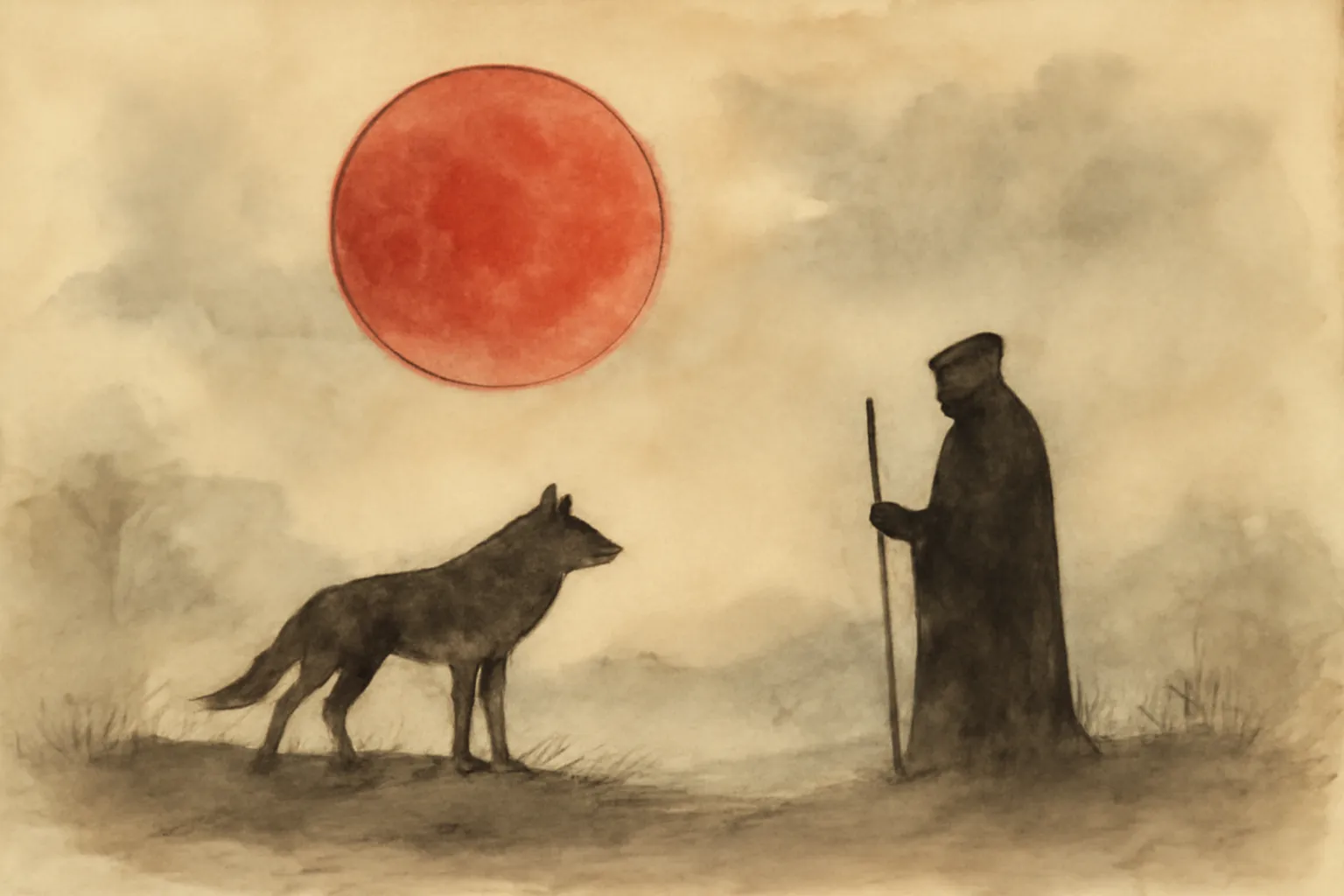
2.The Duality of Hunter and Hunted
Harris blurs the lines between good and evil by paralleling the obsessions of Will Graham, the FBI profiler, and Francis Dolarhyde, the killer. Both are driven by inner demons and a sense of otherness. Graham’s ability to empathize with killers is both his gift and his curse, raising questions about the cost of catching monsters. This duality adds depth and moral ambiguity, challenging readers to question the nature of evil.
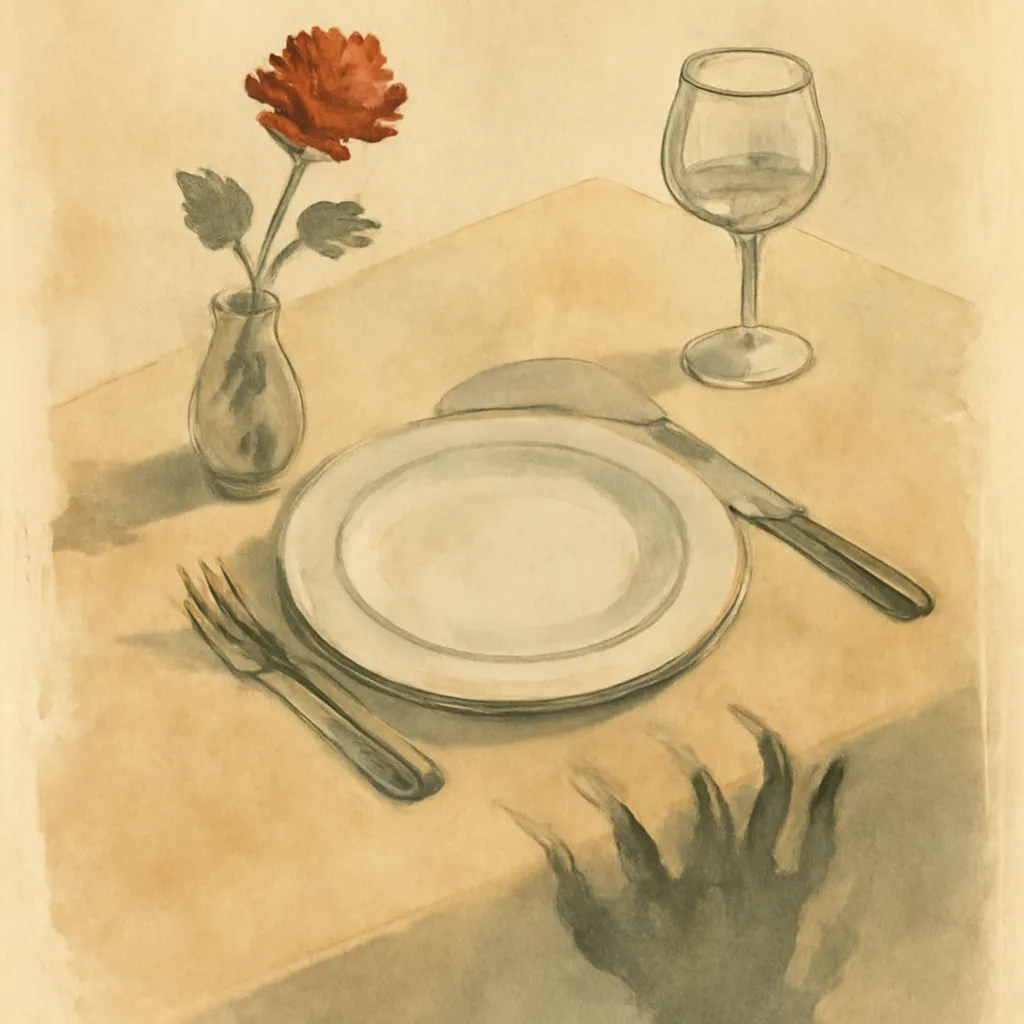
3.Hannibal Lecter’s Magnetism
Although not the main antagonist, Hannibal Lecter’s presence looms large. His brief but pivotal interactions with Graham reveal a chilling intellect and a seductive sense of menace. Lecter’s character is a study in charisma and amorality, showing how evil can be both fascinating and repellent. His role in Red Dragon sets the stage for his later prominence in The Silence of the Lambs.
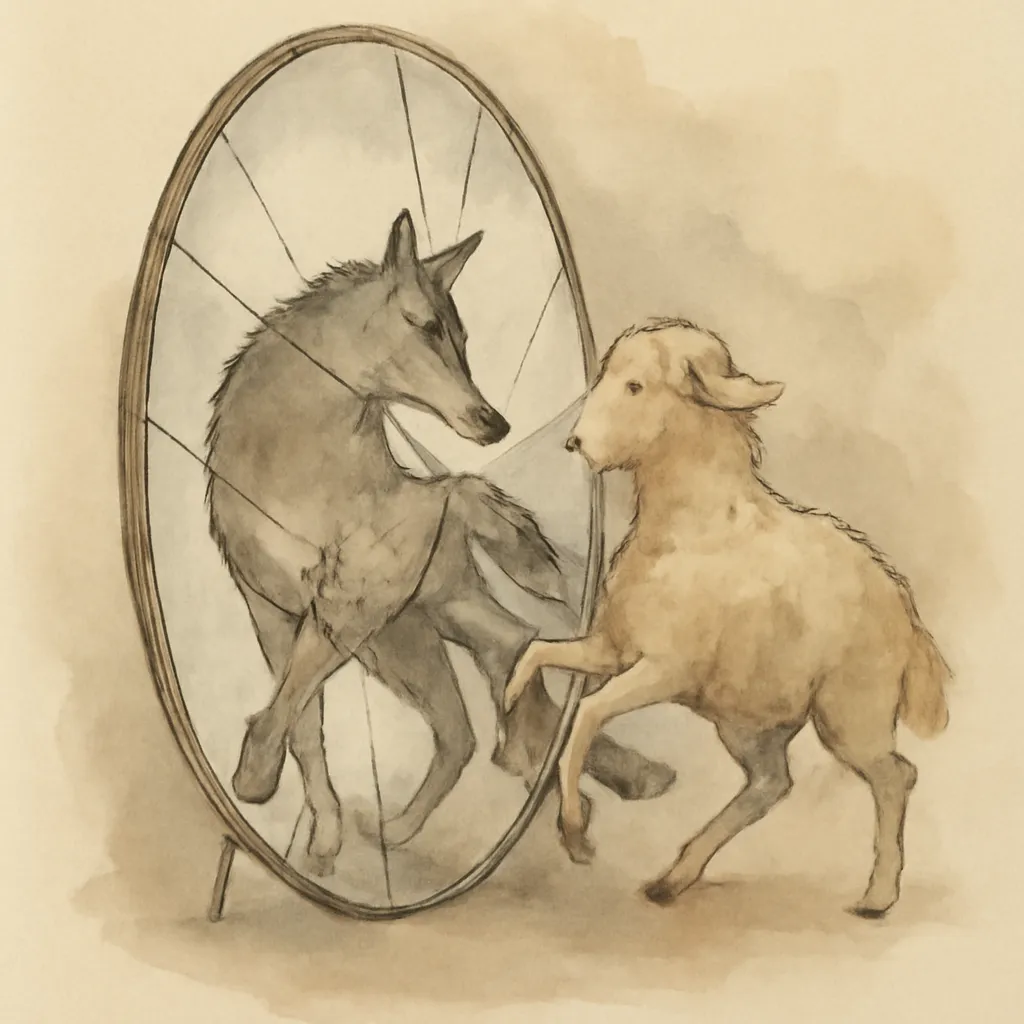
4.The Psychology of Monstrosity
Red Dragon delves into the making of a killer, exploring Francis Dolarhyde’s traumatic past and warped motivations. Harris avoids caricature, instead offering a disturbing look at how abuse, isolation, and fantasy can converge to create a monster. This psychological depth elicits both horror and a begrudging empathy, complicating the reader’s response to violence and villainy.
5.The Toll of Pursuing Evil
Will Graham’s journey is as much about personal cost as professional triumph. His empathy with killers leaves him scarred, straining his relationships and sense of self. Harris explores the emotional and psychological toll of hunting monsters, suggesting that confronting evil can leave lasting wounds. This human vulnerability grounds the story, making it more than just a procedural thriller.
6.Atmosphere and Suspense
Harris’s prose is taut and evocative, building a sense of dread and inevitability. The novel’s pacing, shifting viewpoints, and meticulous attention to forensic detail create an immersive, suspenseful experience. Red Dragon keeps readers on edge, not just with violence, but with the creeping realization of how close darkness can be to home.