1.Terraforming as a Moral and Scientific Challenge
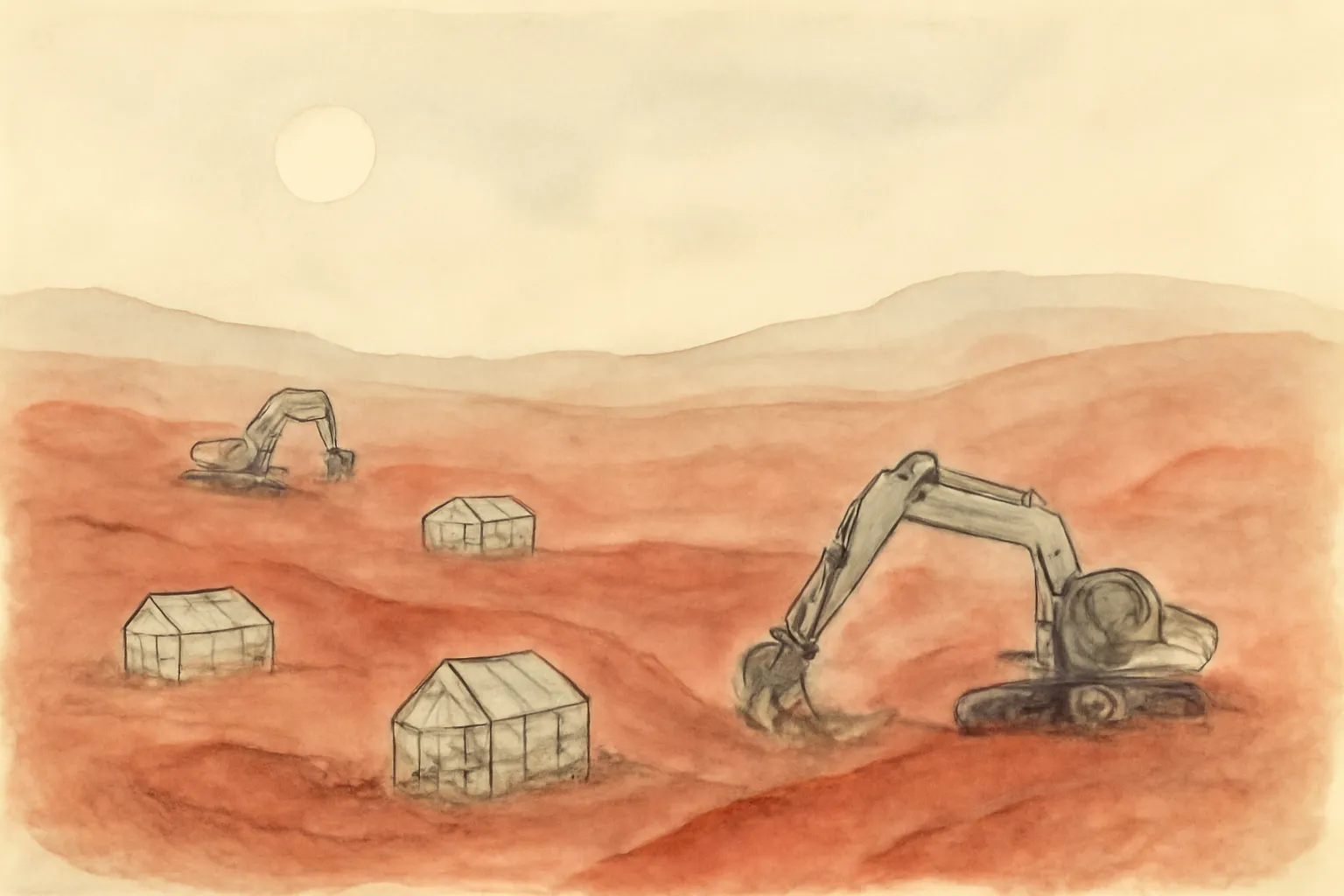
Robinson delves deeply into the ethics and logistics of transforming Mars into a habitable planet. The debate between 'Reds' (who want to preserve Mars in its pristine state) and 'Greens' (who advocate for terraforming) reflects broader questions about humanity’s right to alter nature for its own purposes. The novel doesn’t offer easy answers, instead showing how scientific ambition collides with ecological stewardship, and how every decision has far-reaching consequences.
2.The Birth of Martian Society
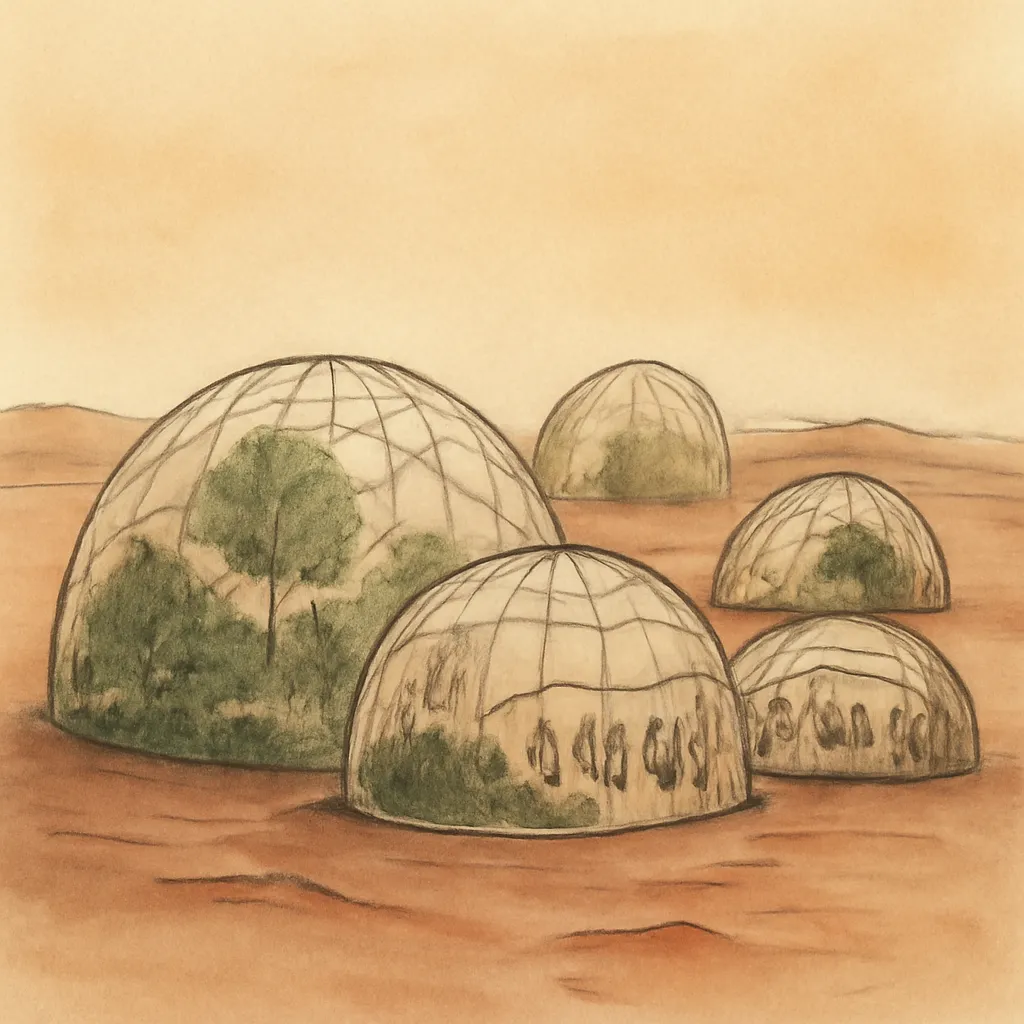
Red Mars is as much about social engineering as it is about physical engineering. The First Hundred must invent new political structures, social norms, and ways of living together in an alien environment. The book explores how old Earth conflicts—nationalism, capitalism, ideology—are transplanted and transformed on Mars, leading to new forms of cooperation and conflict. Robinson uses Mars as a laboratory for imagining alternative social futures.
3.Science as Both Tool and Ideology
The novel foregrounds scientists not just as technical experts, but as political actors and visionaries. Their decisions shape the fate of Mars, and their disagreements drive the plot. Robinson portrays science as a powerful tool for progress, but also as a belief system with its own biases and blind spots. The book raises questions about who gets to decide what counts as progress, and how scientific authority intersects with power.
4.Human Nature in Extreme Environments
By placing characters in the harsh, isolating landscape of Mars, Robinson examines how people adapt, fracture, and form new bonds. The psychological pressures of pioneering life—loneliness, ambition, rivalry, love—are as central as the technological ones. The novel is attentive to the inner lives of its characters, showing how the Martian environment magnifies both their strengths and flaws.
5.Revolution and the Limits of Utopia
The drive to create a better society on Mars inevitably leads to conflict and revolution. Red Mars explores the tension between utopian dreams and the messy realities of power, resistance, and compromise. The First Martian Revolution is depicted not as a clean break from the past, but as a continuation of humanity’s struggle with inequality, control, and the desire for freedom.
6.Interconnectedness of Ecology, Technology, and Politics
Robinson’s Mars is not just a backdrop, but a living system whose fate is intertwined with human choices. The novel shows how ecological interventions, technological innovations, and political decisions are inseparable. Every attempt to change Mars—whether by introducing life, building cities, or negotiating treaties—ripples through the environment and society, highlighting the complexity of planetary-scale change.