
Mars · science fiction · terraforming
Red Mars by Kim Stanley Robinson — Summary, Key Ideas & Quotes
1992592 pages✦ 3-min Big ideas★ 3.6 (76)
Rate it
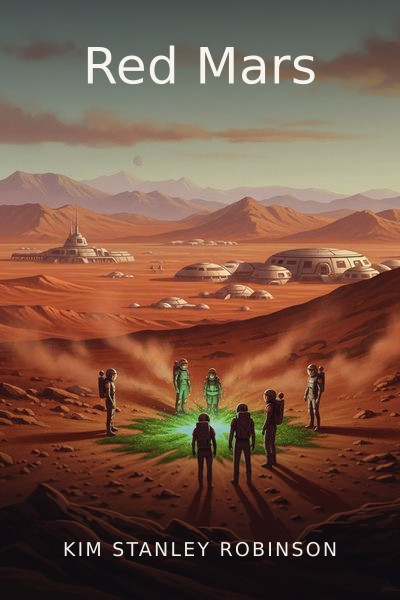
Red Mars is the first novel of the Mars trilogy, published in 1992. It follows the beginnings of the colonization of Mars, from the arrival of the First Hundred to the First Martian Revolution.
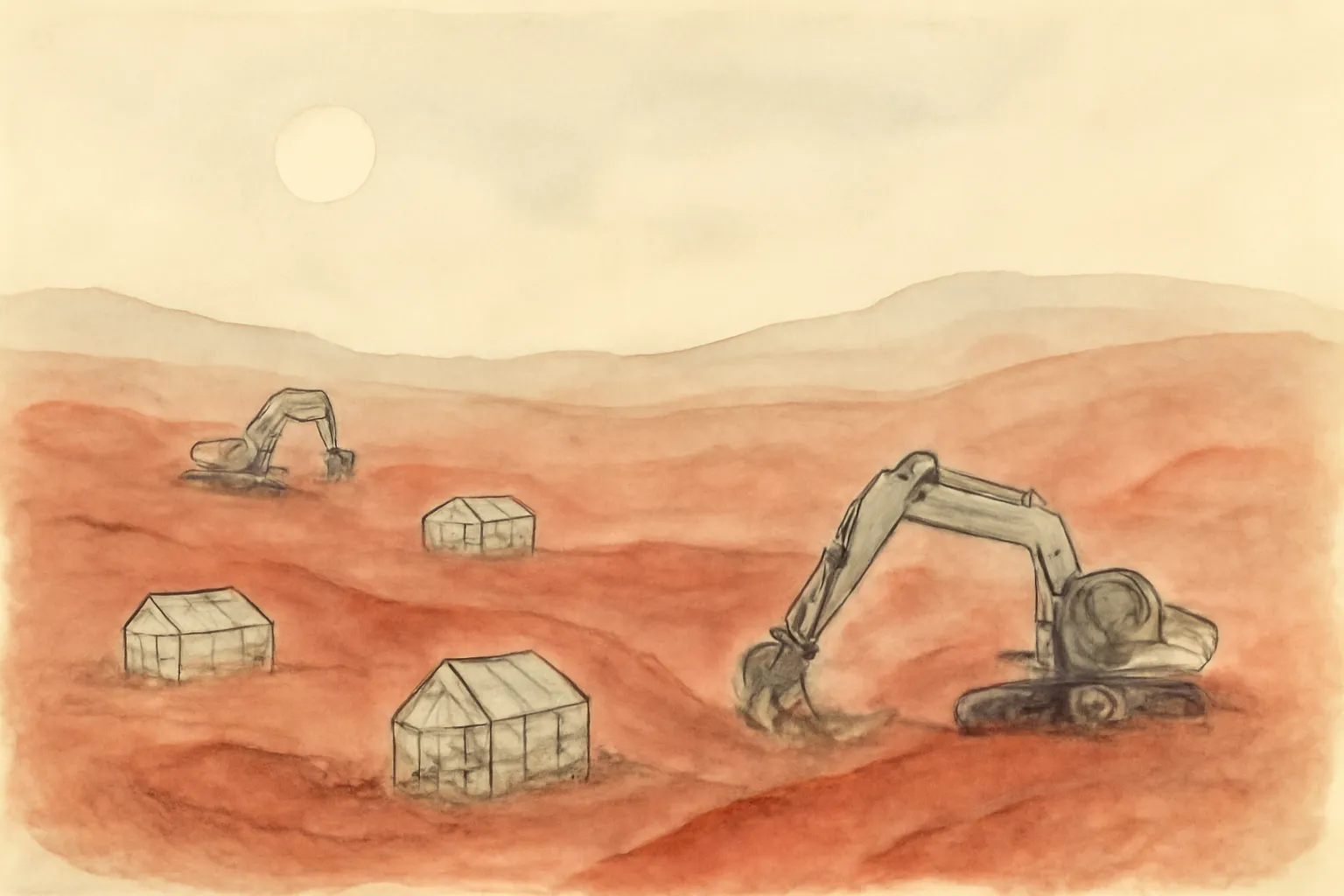
Robinson delves deeply into the ethics and logistics of transforming Mars into a habitable planet. The debate between 'Reds' (who want to preserve Mars in its pristine state) and 'Greens' (who advocate for terraforming) reflects broader questions about humanity’s right to alter nature for its own purposes. The novel doesn’t offer easy answers, instead showing how scientific ambition collides with ecological stewardship, and how every decision has far-reaching consequences.
Red Mars is as much about social engineering as it is about physical engineering. The First Hundred must invent new political structures, social norms, and ways of living together in an alien environment. The book explores how old Earth conflicts—nationalism, capitalism, ideology—are transplanted and transformed on Mars, leading to new forms of cooperation and conflict. Robinson uses Mars as a laboratory for imagining alternative social futures.
“History was like gravity, drawing everything back toward it.”
“Mars was empty before we came. That’s not true anymore.”