1.The Frontier as a Living Character
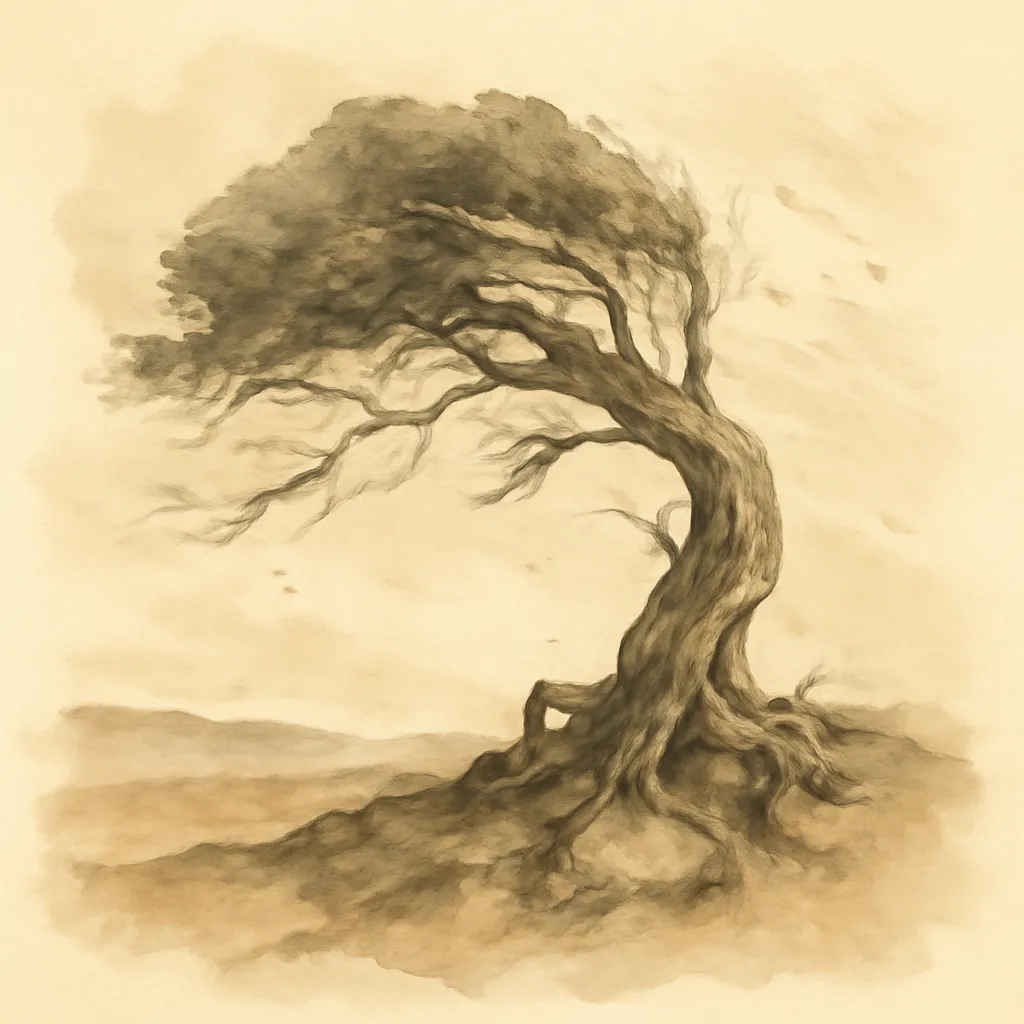
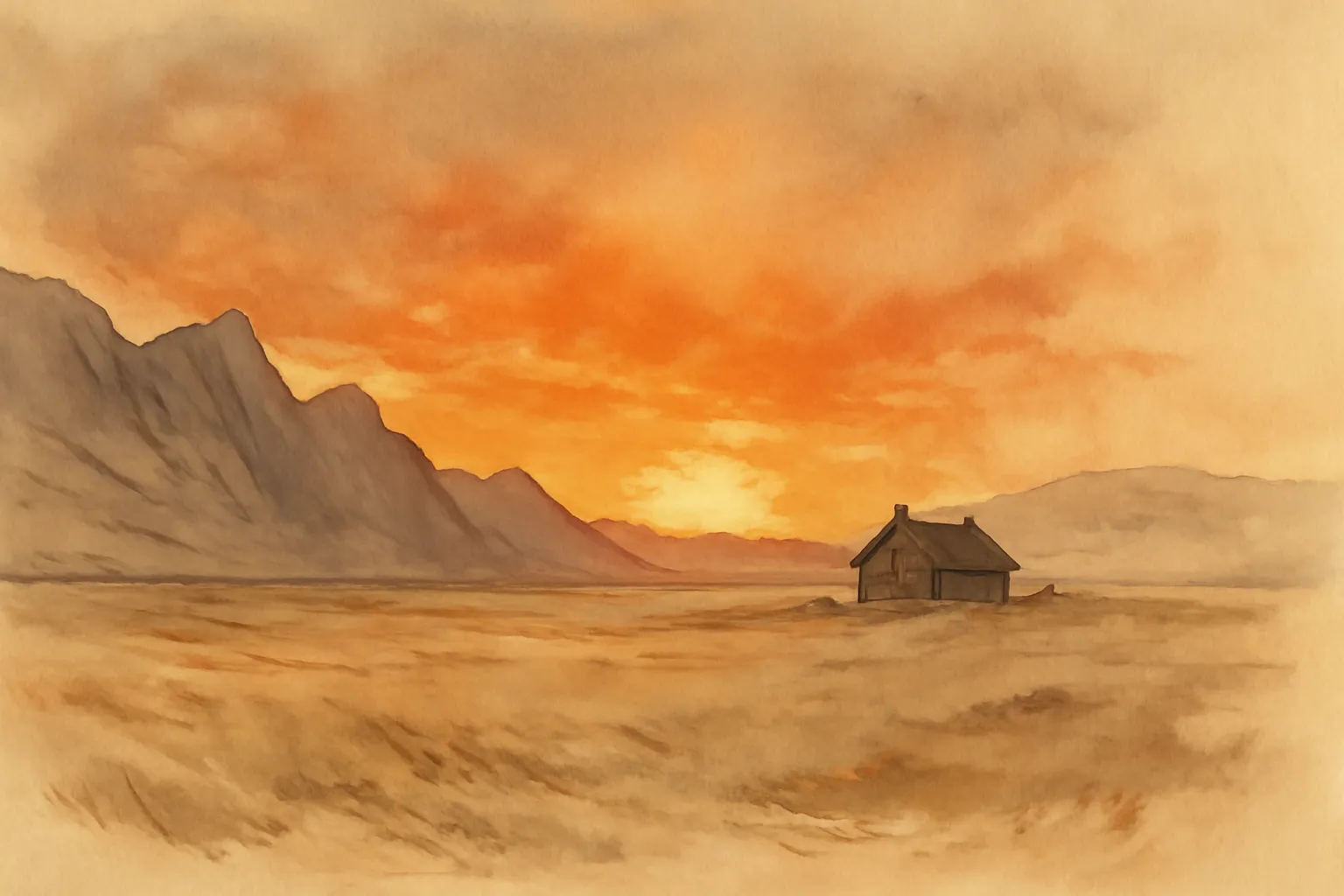
In 'Red Men and White', the American frontier serves not just as a backdrop, but as a character in itself, shaping the lives and destinies of those who inhabit it. Wister illustrates how the harsh and unforgiving nature of the land demands resilience and adaptability from its settlers. The landscape is portrayed as a formidable force that influences every aspect of life, from the daily routines of soldiers to the decisions made by legislators. For instance, Captain Paisley's experience reflects the daily struggles faced by soldiers stationed in remote outposts, where the environment can be as hostile as any adversary. Faced with freezing temperatures and unpredictable weather, the characters must continuously adapt to survive. The portrayal of the extreme climate challenges their physical and emotional limits, pushing characters to confront their vulnerabilities. The unpredictable elements, like the freezing temperatures that claim Mrs. Paisley's chickens, symbolize the constant battle against nature, demanding ingenuity and grit. This interplay between man and nature underscores the theme that the landscape is as formative as any personal history, influencing choices and shaping identities.
2.Cultural Clashes and Alliances
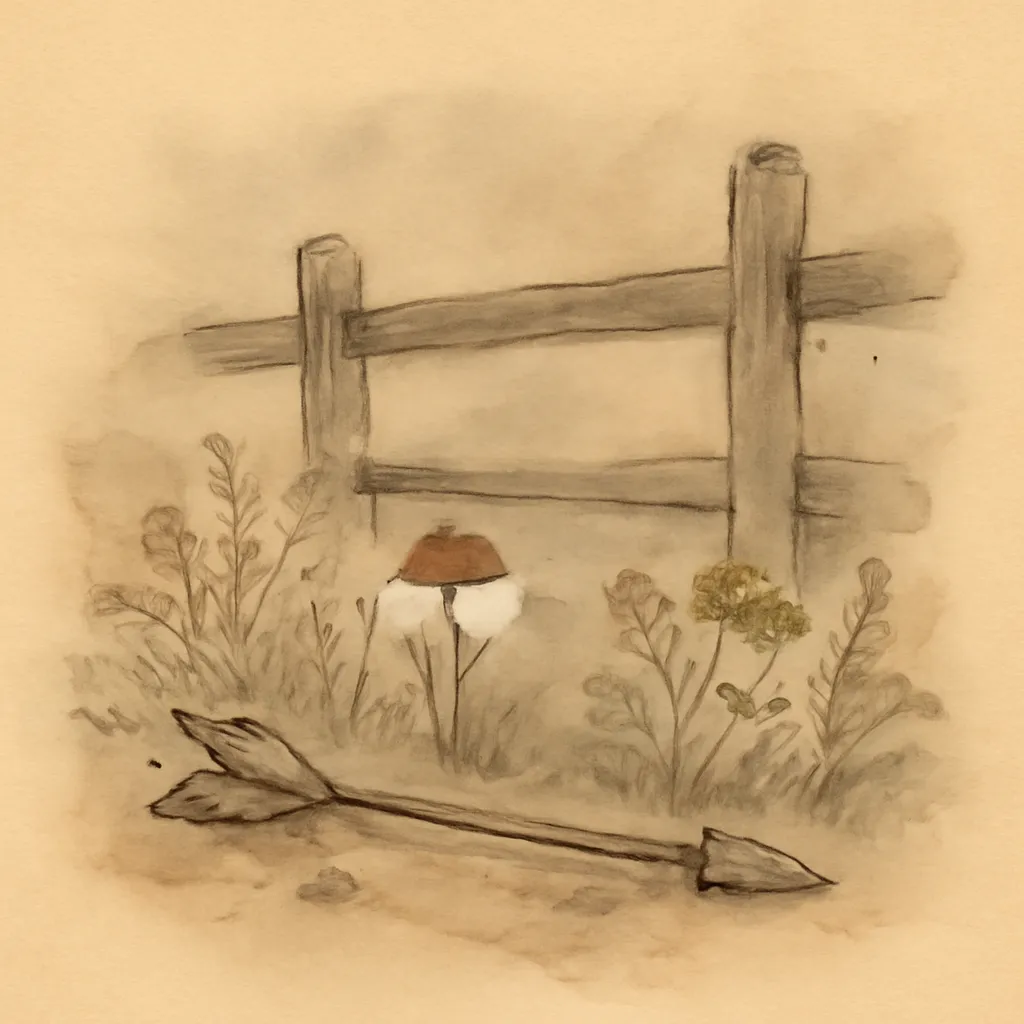
Wister delves deeply into the cultural tensions between Native Americans and white settlers, highlighting how these interactions define the American experience. The stories reflect a spectrum of relationships, from outright hostility to unexpected alliances. For example, the narrative often contrasts the violent vendettas of the mountain folk with the more civilized yet still brutal interactions of the frontier's newcomers. Through characters like Captain Paisley and the local miners, Wister showcases moments of both conflict and cooperation, illustrating the complexity of their coexistence. The depiction of laws and personal codes among these groups emphasizes that survival often hinges on understanding and sometimes respecting the traditions of the 'other.' In moments of cooperation, Wister hints at the potential for a shared humanity, suggesting that even in the most divided circumstances, common ground can be found. This complexity invites readers to consider the moral ambiguities of frontier life, where cultural identities are continually negotiated and redefined.
3.The Role of Government and Law
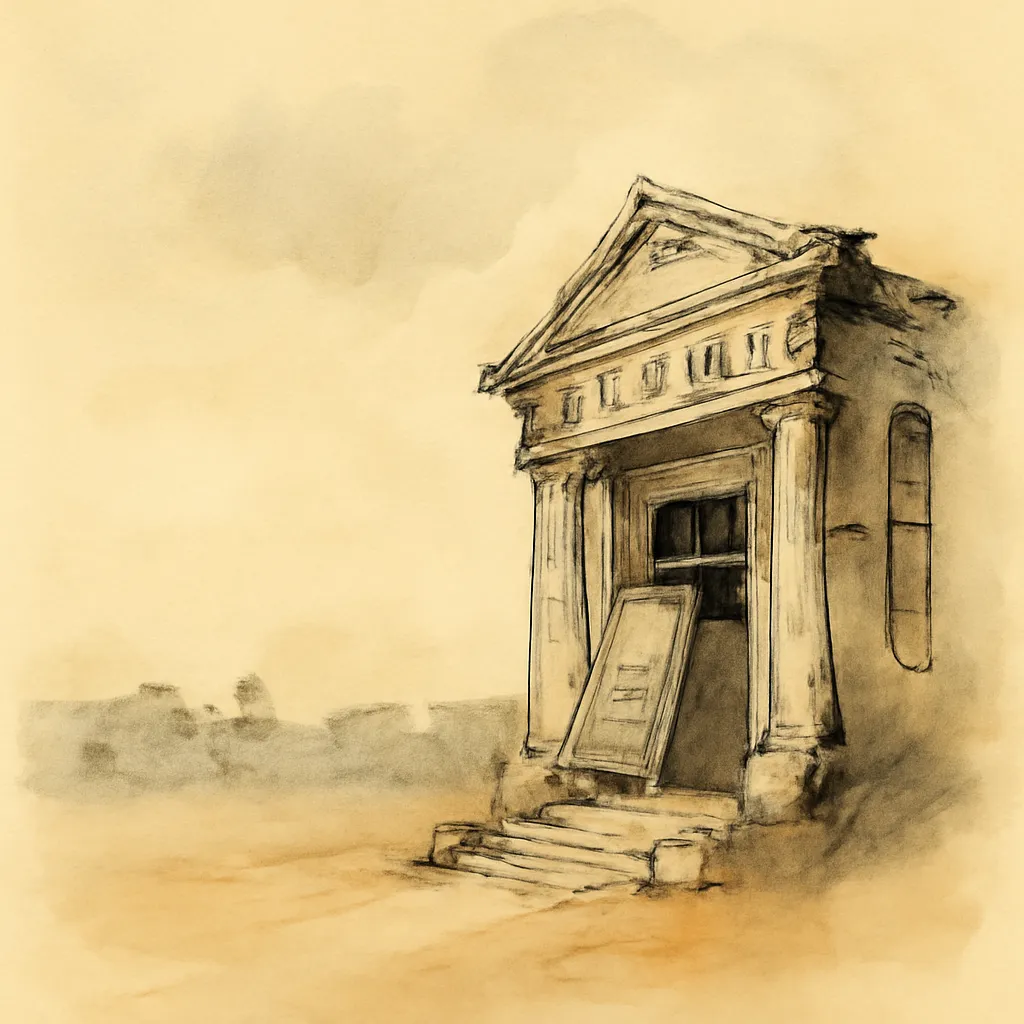
The stories in 'Red Men and White' explore the often tenuous relationship between law and order in the frontier. Wister portrays the legislature as a microcosm of the larger societal struggles, filled with characters who embody the chaos of governance in new territories. The depiction of the legislature in one of the opening chapters shows legislators more concerned with their pay than with public service. This highlights the absurdities and challenges of establishing a fair and functioning government amidst lawlessness. The interactions between characters like Governor Ballard and Council President Gilet reveal a farcical political landscape, where personal ambition often overrides the common good. Wister’s portrayal of the absurdities within this government—a legislature that meets in a state of disarray, filled with tired and disheveled legislators—serves as a critique of how bureaucracy can fail its people. The governor's struggle against the council’s antics encapsulates the precarious nature of power, where the urgency of political maneuvering can obscure the very principles of governance. This tension illustrates the struggle to create a system that reflects the values of a diverse populace while maintaining order in a land rife with conflict.
4.Masculinity and Heroism
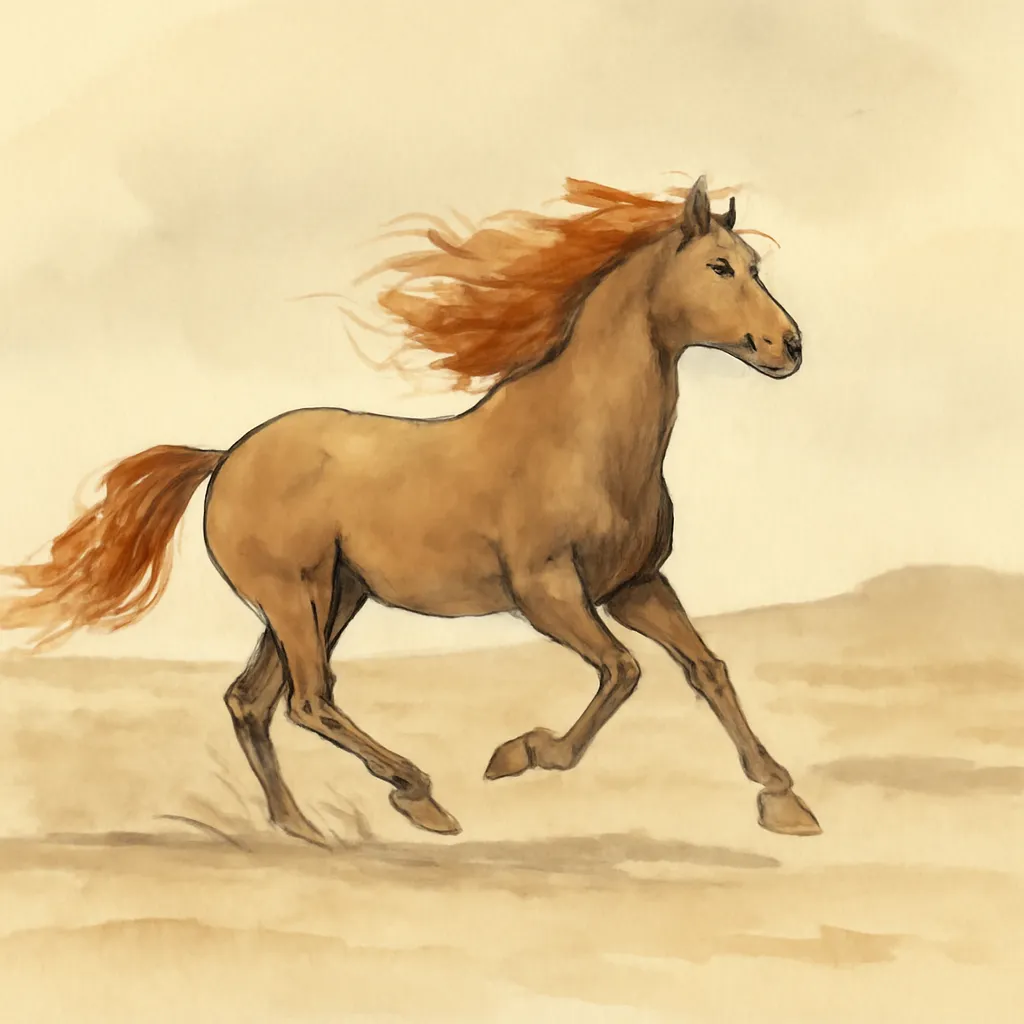
Masculinity is a recurring theme in Wister's narratives, portrayed through characters who embody the rugged individualism of the frontier. The men in these stories grapple with the expectations of heroism and strength in the face of adversity. Captain Paisley embodies the archetype of the soldier torn between duty and personal frustration, demonstrating how the pressures of masculinity manifest in his relationships and decision-making. His experiences reflect a broader commentary on the expectations placed on men during this transformative era. Wister reveals the internal conflicts faced by his male characters, suggesting that true heroism lies not just in physical prowess but in emotional resilience and the capacity for empathy. The vulnerability expressed by these characters challenges traditional notions of masculinity, inviting readers to consider the complexities of male identity in a world that demands both toughness and compassion. In doing so, Wister crafts a narrative that not only presents the ideal of the rugged hero but also acknowledges the emotional depth required to navigate the challenges of frontier life.
5.The Influence of Nature on Identity
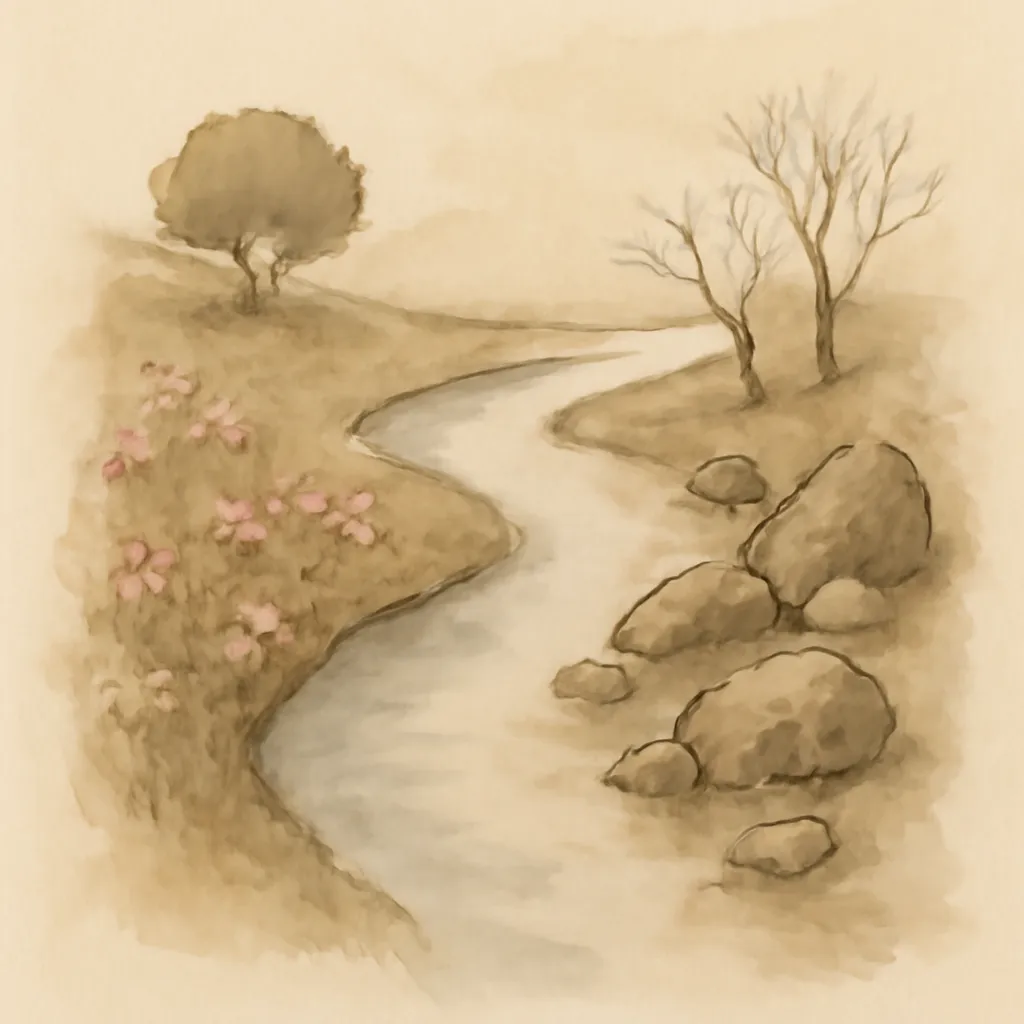
Wister intricately links the characters’ identities to the natural world around them, suggesting that the landscape plays a crucial role in shaping who they are. The rugged beauty of the West serves as both a source of inspiration and conflict, influencing decisions and relationships. For example, as Captain Paisley navigates the challenges posed by the frontier, his character evolves in response to the environment's demands. The harsh winters and extreme conditions faced by settlers force them to confront their limitations and rely on one another for survival. Wister's descriptions of the landscape are not merely scenic; they serve to reinforce the idea that the frontier molds character and community. Characters find strength in their connection to the land, and this relationship becomes a vital part of their identities, reflecting the interdependence of human and natural worlds. The environment is depicted as both a challenge to be conquered and a source of profound beauty that inspires loyalty, love, and a sense of belonging in a harsh and unyielding world.
6.Romanticism vs. Realism
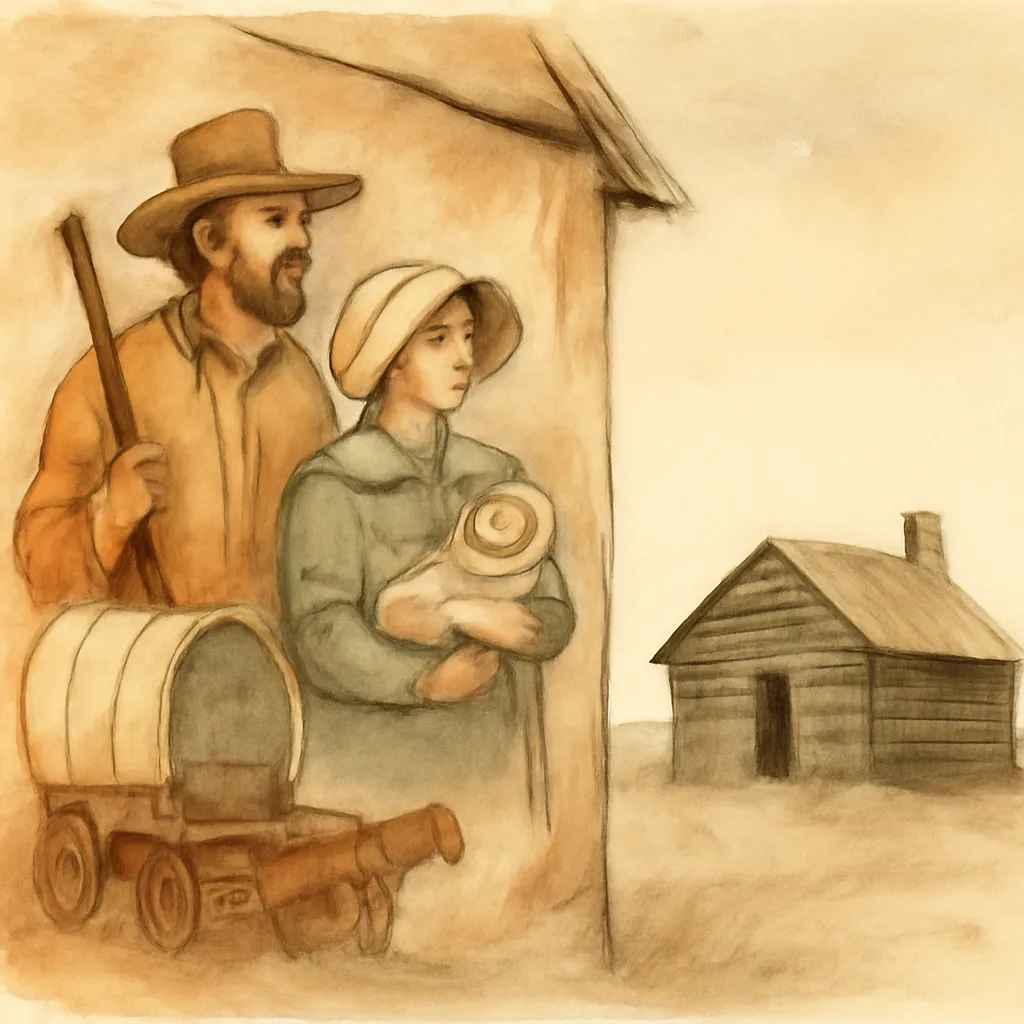
Wister's work oscillates between romanticized visions of the West and the stark realities of frontier life, creating a rich tapestry of narratives that challenge simplistic interpretations of American expansion. The idealized image of the noble pioneer is frequently contrasted with the brutal truths of violence, poverty, and moral ambiguity that define daily existence on the frontier. For instance, characters like Captain Paisley navigate the duality of their experiences, caught between the allure of adventure and the harsh realities they face. Wister captures the allure of the West while exposing the disillusionment that accompanies it, pushing readers to grapple with the contradictions inherent in the American experience. This interplay between romanticism and realism enriches the narrative, encouraging a more nuanced understanding of the historical and cultural forces at play during this transformative period. Wister's ability to capture both sides of this duality invites readers to question their perceptions of heroism, progress, and the true cost of frontier life.
7.Community and Isolation
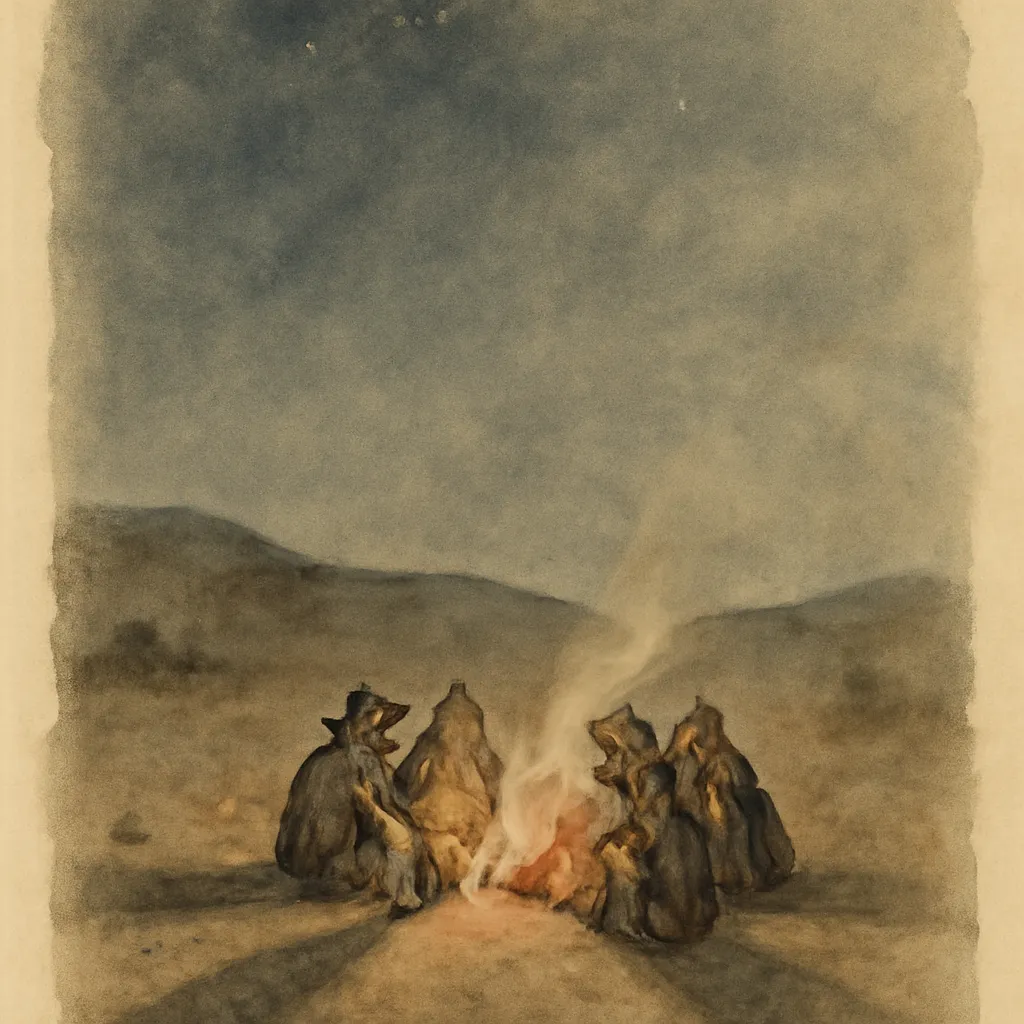
The dynamics of community and isolation are central to Wister's exploration of frontier life. While settlers seek connection and solidarity in shared struggles, they also confront profound isolation in the vastness of the landscape. Wister illustrates how characters form bonds out of necessity, yet these connections are often fraught with tension and rivalry. The legislature itself serves as a community that is both collaborative and contentious, as members vie for power and recognition, demonstrating that unity can be as precarious as it is essential. The isolation experienced by characters like Captain Paisley during his solitary watch reflects the psychological toll of frontier life. Wister’s nuanced portrayal of these dynamics invites readers to reflect on the nature of connection in a world marked by both collaboration and competition, highlighting the importance of relationships even in the harshest environments. It becomes evident that, while the frontier allows for the forging of new bonds, it also brings a deep sense of solitude, challenging the characters to find meaning both within themselves and their communities.
8.The Legacy of the Frontier
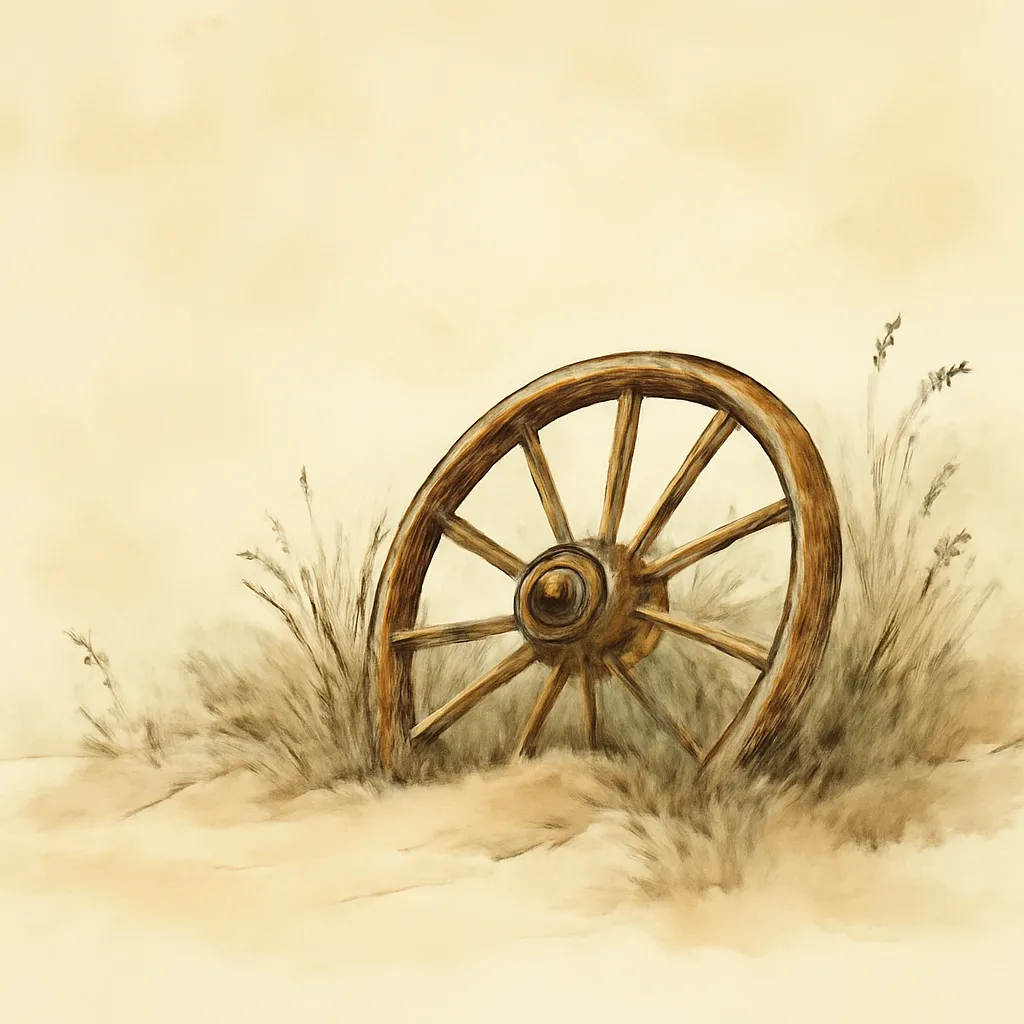
Wister's narratives engage with the idea of legacy—both personal and cultural—as characters confront their pasts and envision their futures in the context of the frontier. The stories reveal how histories of violence, ambition, and resilience shape the identities of individuals and communities. For example, the vendettas that persist among mountain folk illustrate the long-lasting impact of generational conflict, raising questions about justice and retribution in a lawless land. Wister suggests that understanding one's legacy is crucial for forging a path forward, as characters grapple with the weight of their histories while seeking to build a new future in an ever-evolving landscape. The theme of legacy is intricately woven through each character's journey, influencing their actions and decisions. Wister’s exploration of how past grievances and triumphs inform contemporary struggles serves as a reminder of the continuity of human experience, urging readers to reflect on their own legacies and the broader historical narratives that shape society.
9.The Interplay of Hope and Despair
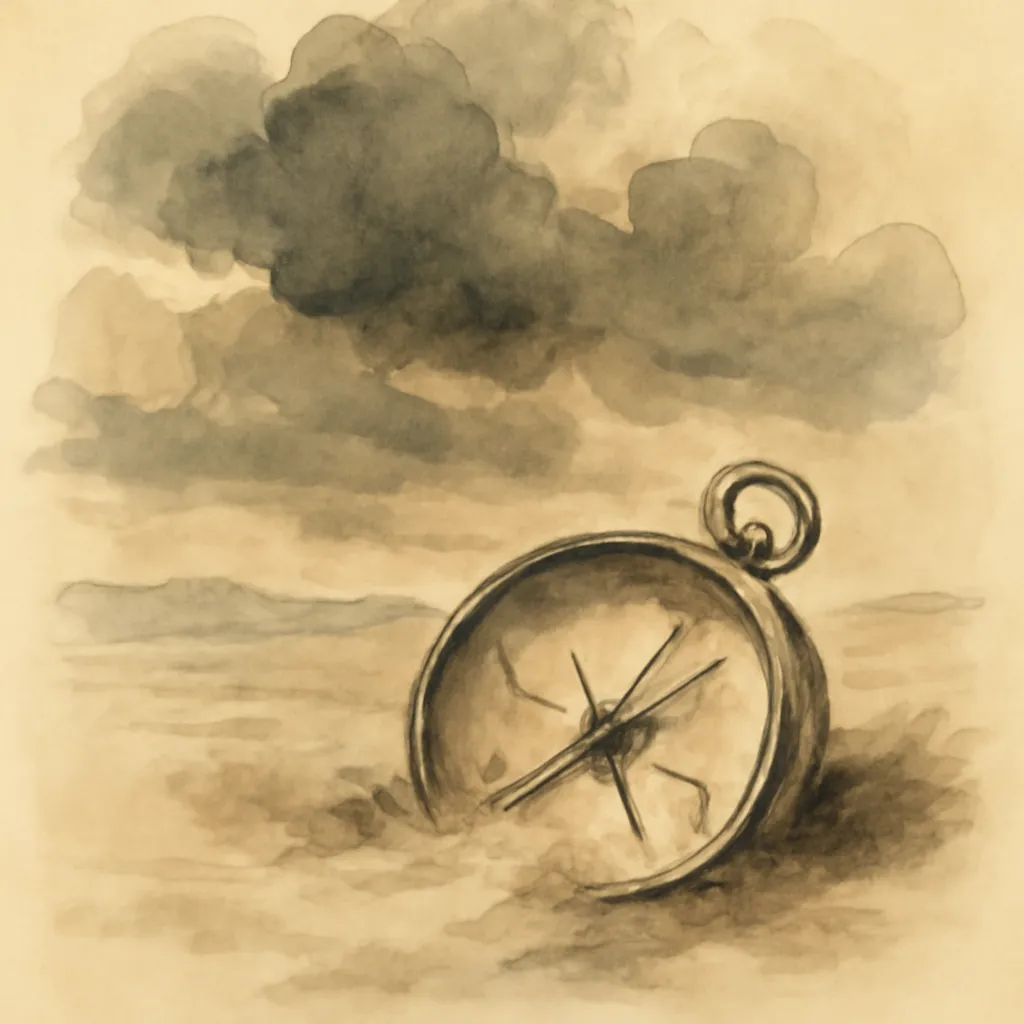
Hope and despair are constant companions in Wister's stories, reflecting the emotional landscape of the frontier. Characters oscillate between moments of optimism and profound disillusionment, illustrating the psychological toll of life in such a challenging environment. For instance, the struggles faced by Captain Paisley not only test his resolve but also highlight the fragility of hope in the face of relentless adversity. Wister captures these emotional highs and lows with sensitivity, suggesting that resilience is born from the capacity to endure hardship while still reaching for a better future. This interplay invites readers to reflect on the dualities of human experience, where despair can coexist with the flicker of hope, shaping the journey of each character. The acknowledgment of both feelings underscores the complexity of the human spirit and the tenacity required to navigate life on the frontier. Ultimately, Wister illustrates that hope, even in its most fragile form, can inspire action and connection, serving as a vital force in the harsh realities of frontier existence.