1.The Burden of Bureaucracy
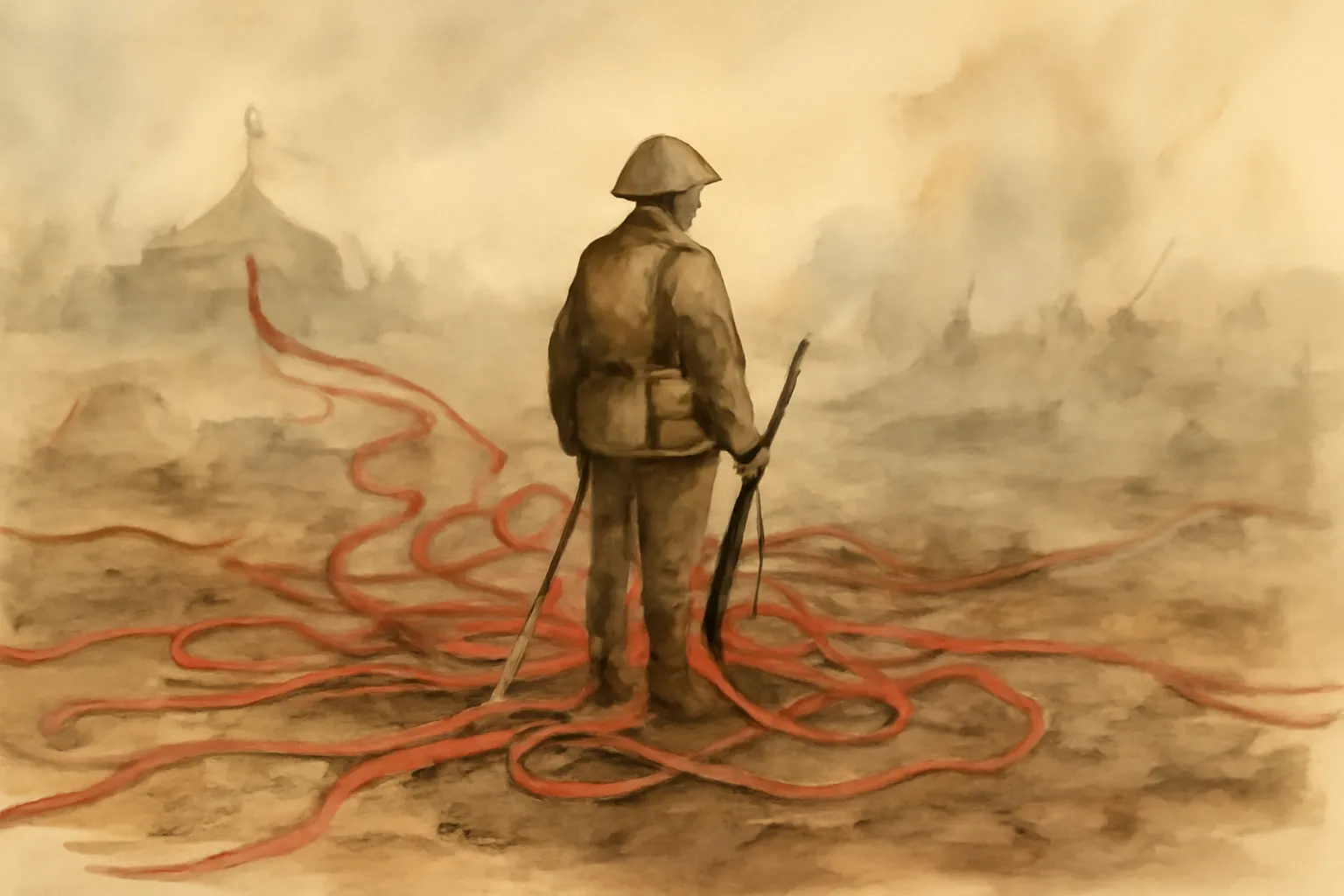
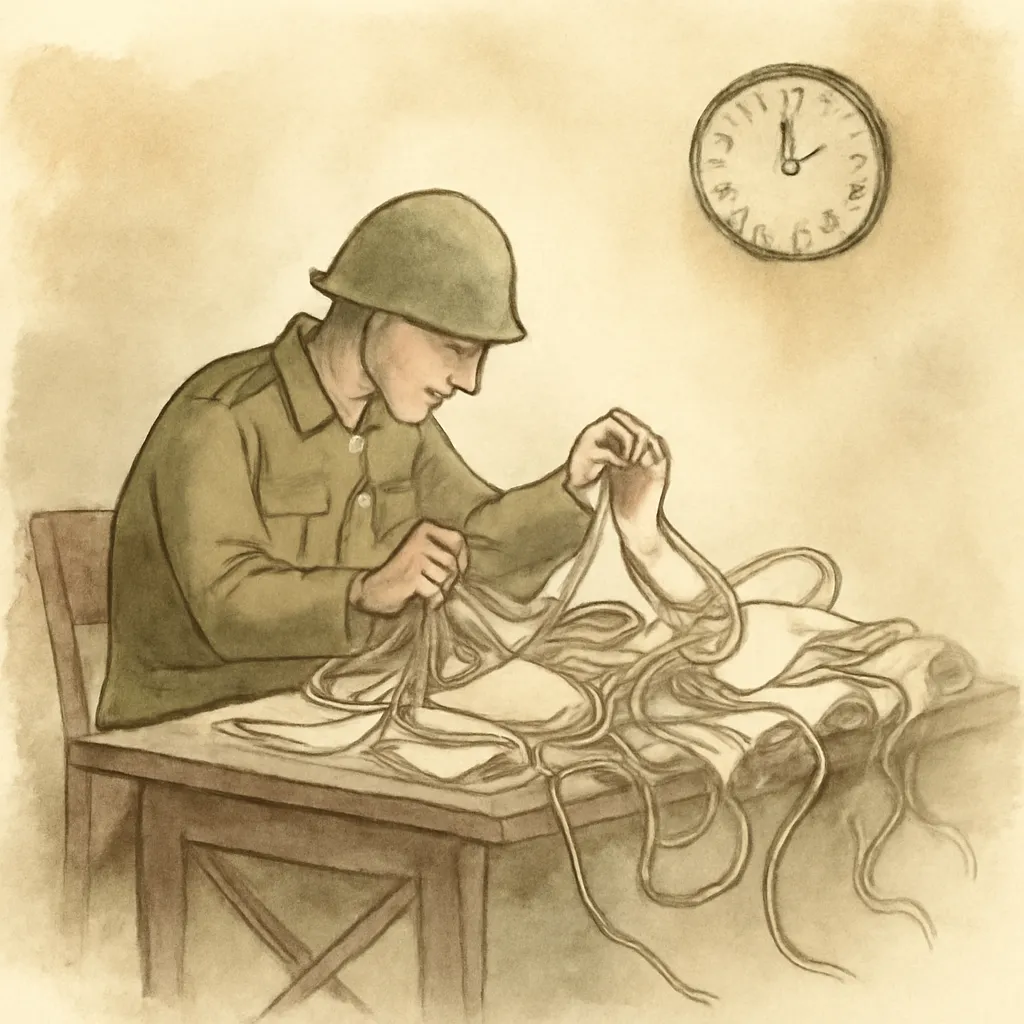
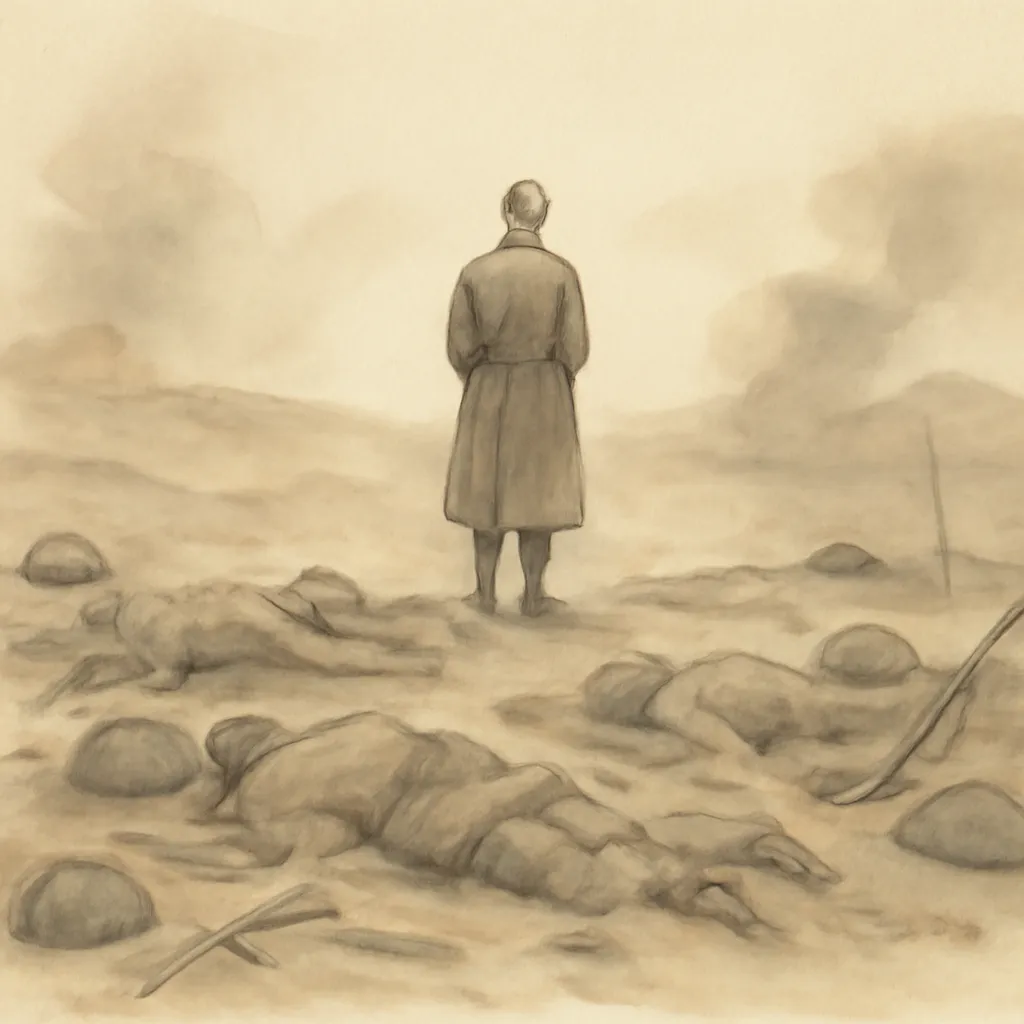
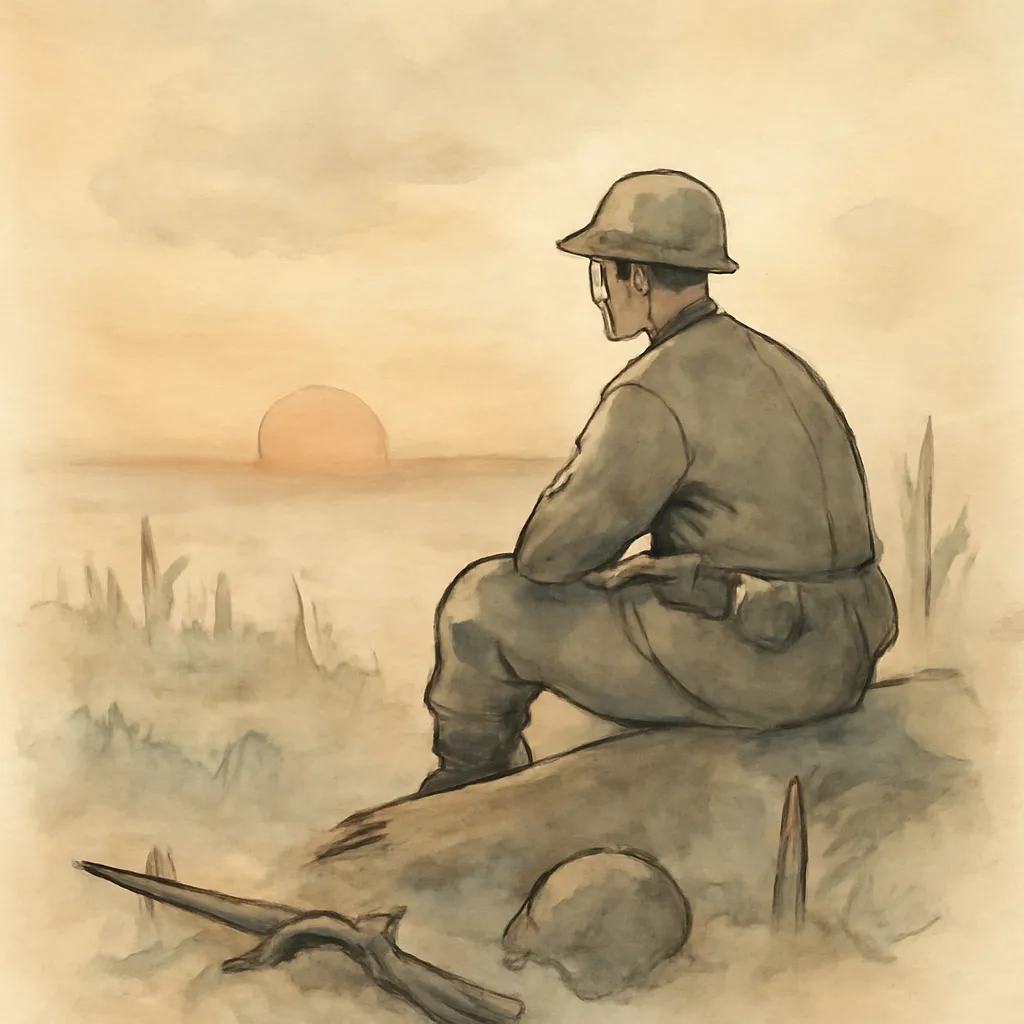
Morford highlights the overwhelming presence of bureaucratic red tape in the military, which often complicates simple tasks and undermines the effectiveness of the soldiers. He describes how orders are tangled in a web of regulations, leading to confusion and delays that can be detrimental during wartime. A poignant example is the General's preoccupation with the minutiae of paperwork, such as the correct phrasing in official documents. This fixation on detail often distracted from the pressing need for decisive action. Soldiers found themselves caught in a system that prioritized form over function, leading to frustration and inefficiency. Morford's observations underscore a critical tension between military structure and the urgent realities of combat, illustrating how red tape can hinder the very efforts meant to protect and serve the nation.
2.Citizen Soldiers vs. Professional Commanders
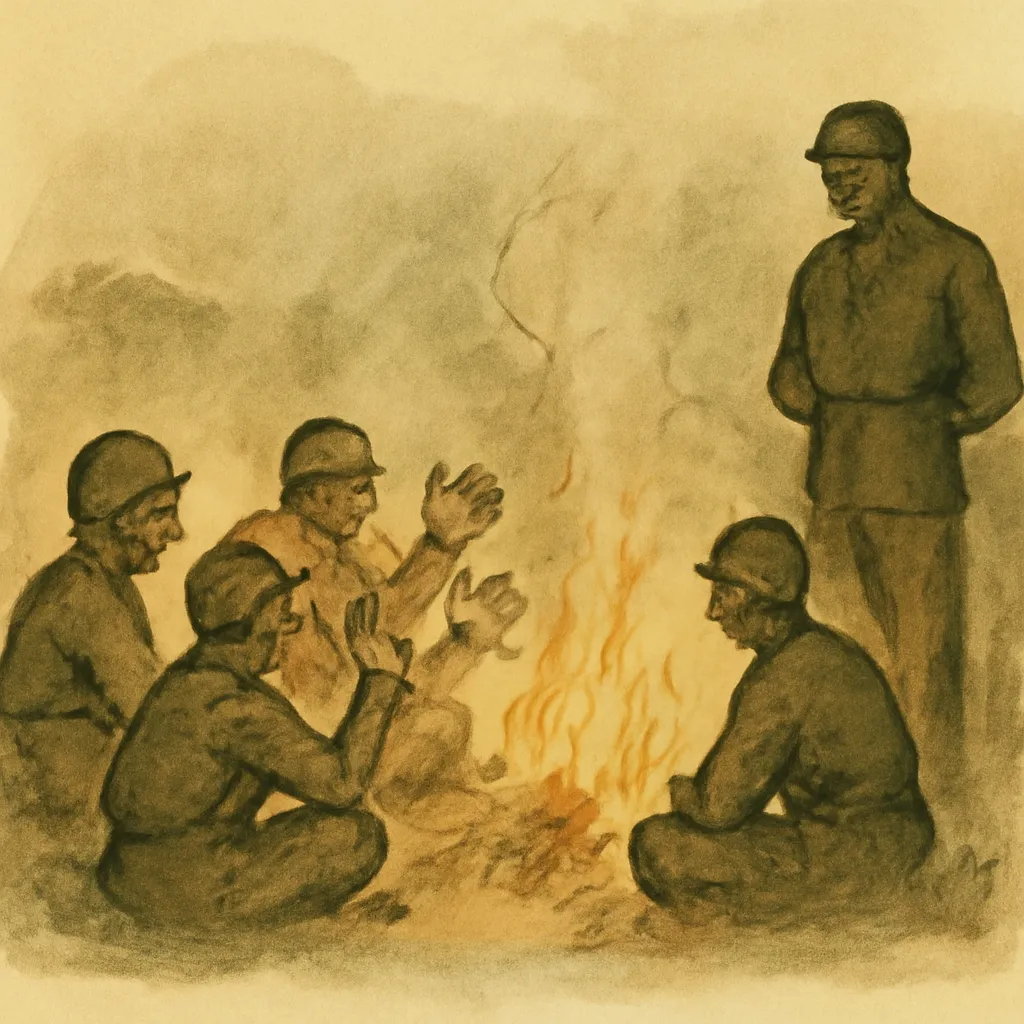
The distinction between citizen soldiers and professional commanders is a recurring theme in Morford's narrative. He emphasizes that the American volunteer soldier is not merely a cog in a military machine; rather, he is a thinking, independent individual who engages in discussions about military strategy and national policy around campfires. This independence is both a strength and a challenge, as it can lead to friction between the ranks and the higher command. Morford illustrates this dynamic through anecdotes of soldiers debating the effectiveness of their leaders and questioning orders that seem illogical. The contrast between the earnestness of the citizen soldier, who fights for his beliefs, and the sometimes detached nature of regular officers reveals a fundamental tension in the army, raising questions about authority and accountability. This idea resonates with the broader theme of democracy in warfare, where the voices of ordinary men matter in the face of command.
3.The Role of Humor in Hardship
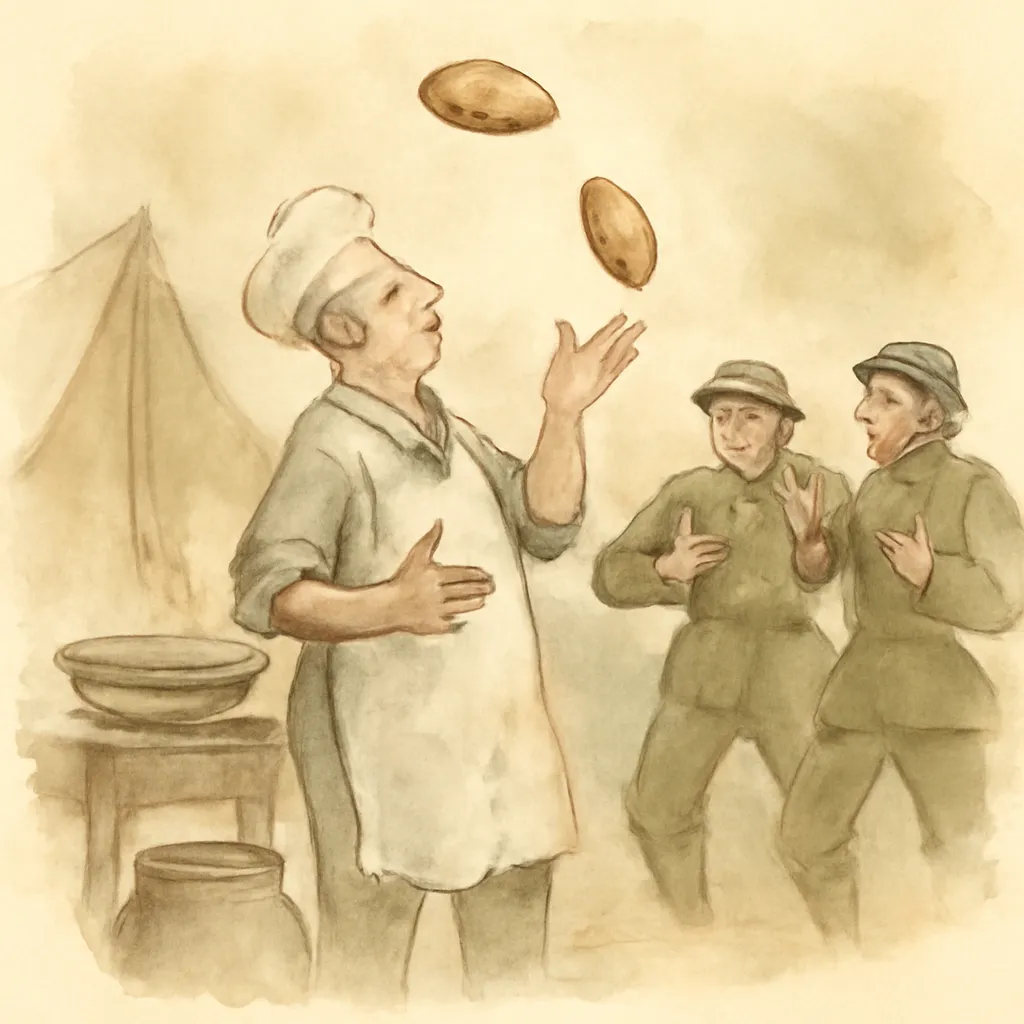
Humor emerges as a vital coping mechanism for soldiers facing the grim realities of war. Morford deftly weaves humor into his accounts, using it to lighten the heavy atmosphere of camp life and battle. For instance, he recounts the antics of a regimental baker who, despite the hardships of military life, brings joy to the men with his hot pies and witty remarks. Such moments of levity serve to strengthen camaraderie among the troops, reinforcing their bonds in adversity. Morford's use of humor also critiques the absurdities of military life, as soldiers find ways to laugh at the very situations that would otherwise bring despair. This interplay of humor and hardship illustrates the resilience of the human spirit, showing how laughter can provide solace even in the darkest times.
4.The Impact of Leadership on Morale
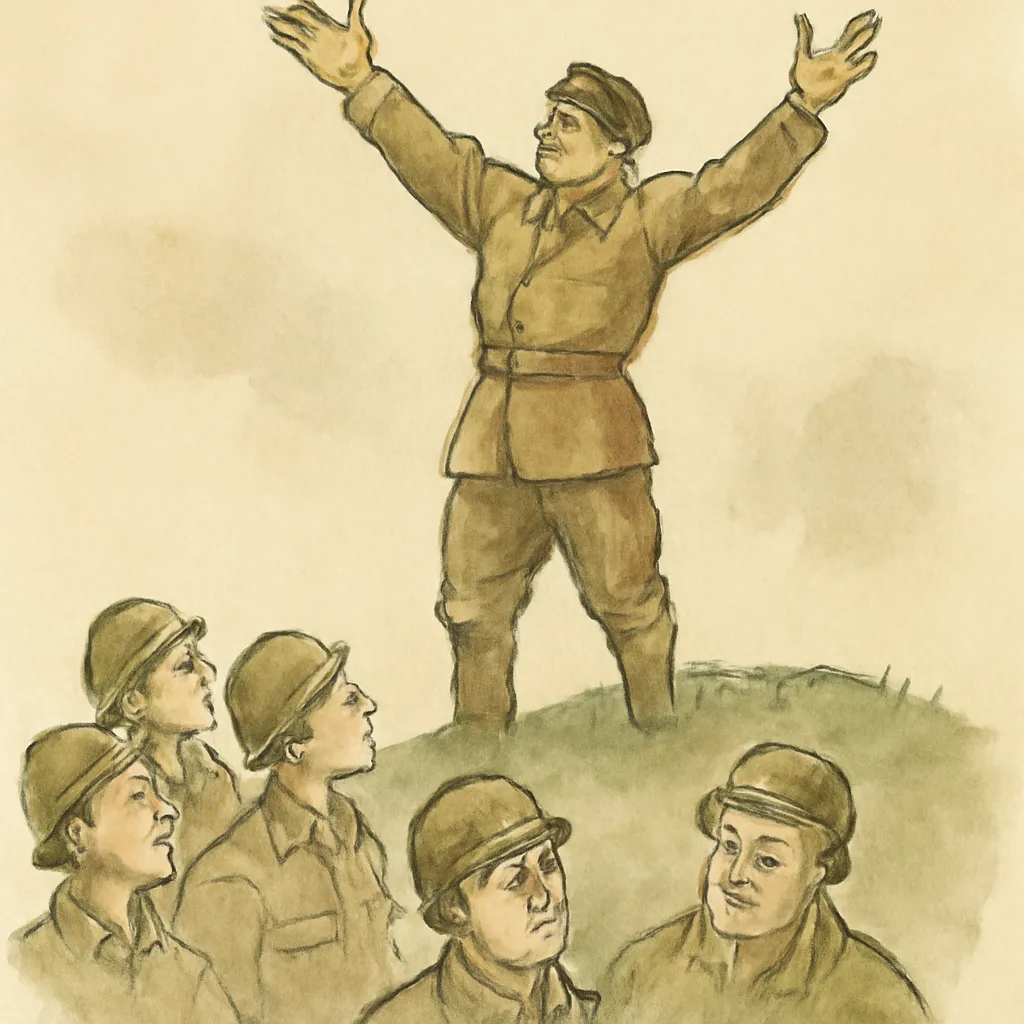
Leadership plays a crucial role in shaping the morale and effectiveness of soldiers, a point Morford makes abundantly clear through his observations. He discusses the varying styles of command among different officers, noting that some inspire their men through charisma and competence, while others instill frustration and resentment. The arrival of a new Division-General, for instance, is met with skepticism and disappointment from the troops, who perceive him as inexperienced and out of touch. Morford illustrates how an officer's ability to connect with his men can make a significant difference in their willingness to fight. This relationship between leadership and morale emphasizes the importance of empathy and understanding in military command, suggesting that successful leaders must not only be strategic thinkers but also compassionate figures who earn the trust and respect of their soldiers.
5.The Sacrifices of War
Morford does not shy away from depicting the sacrifices that soldiers make in service to their country. He captures the emotional toll of war, detailing the heart-wrenching letters from soldiers' wives and families back home. These correspondences reveal the deep anxieties and fears of loved ones, who are left to grapple with uncertainty and the potential loss of their husbands and fathers. The author poignantly conveys the personal stakes involved in the conflict, emphasizing that each soldier's decision to fight is intertwined with the lives of those they leave behind. Morford's reflections on these sacrifices serve as a powerful reminder of the human cost of war, challenging readers to consider the broader implications of military action on families and communities.
6.Camaraderie and Brotherhood
The bonds formed among soldiers are central to Morford's narrative, illustrating the profound sense of camaraderie that develops in the face of shared adversity. He describes scenes of soldiers supporting one another through illness, injury, and the psychological burdens of war. This brotherhood is evident in their interactions, whether it's through shared meals, laughter, or mutual aid during difficult times. Morford's portrayal of these relationships highlights the significance of solidarity in military life, suggesting that the connections forged in battle can be as impactful as the fight itself. The warmth and loyalty among comrades provide not only comfort but also a sense of purpose, reinforcing the idea that soldiers are not just fighting for abstract ideals but for each other as well.
7.The Absurdity of Military Routine
Morford critiques the often absurd and unnecessary routines that define military life, which can detract from the soldiers' focus on their mission. He recounts incidents where rigid adherence to protocol leads to confusion and frustration among the ranks. For example, the 'pigeon-hole generals' he describes are more concerned with following orders and maintaining appearances than with the realities of warfare. This focus on routine can stifle creativity and adaptability, essential qualities for success in battle. By exposing these absurdities, Morford advocates for a more flexible approach to military operations, one that prioritizes the needs of soldiers and the demands of the battlefield over bureaucratic formalities. His insights challenge the reader to rethink the effectiveness of rigid military structures in times of crisis.
8.The Role of Women in Wartime
Women play a significant role in Morford's account, not only as supporters of the troops but also as active participants in the war effort. He highlights the contributions of women in the communities surrounding the army, noting their dedication to providing aid and comfort to soldiers. The patriotism of the women of Frederick, for example, is celebrated through their efforts to nurse the wounded and support the war effort. Morford's portrayal of these women underscores their importance in sustaining the morale of the troops and maintaining the home front. This acknowledgment of women's contributions during the war challenges traditional narratives that often overlook their vital roles, advocating for a broader understanding of the wartime experience that includes the voices and actions of women.
9.The Consequences of Command Decisions
Morford illustrates the far-reaching consequences of command decisions on the soldiers in the field. He recounts instances where strategic blunders lead to significant losses and the demoralization of troops. The aftermath of battles, such as Fredericksburg, reveals the devastating impact of poor leadership on the lives of soldiers and their families. Morford emphasizes that every decision made at the top has real implications for those fighting on the front lines. This insight encourages readers to reflect on the weight of leadership and the responsibility that comes with command. The narrative serves as a cautionary tale about the importance of informed and compassionate decision-making in military leadership, highlighting that the stakes are not just abstract strategies but the lives of real people.
10.Legacy of the Soldier's Experience
The experiences of soldiers during the Civil War, as captured by Morford, leave a lasting legacy that extends beyond the battlefield. He reflects on how the trials and tribulations faced by soldiers shape their identities and influence their perspectives on duty, honor, and sacrifice. The stories shared by soldiers, whether in letters home or among comrades, contribute to a collective memory that informs future generations. Morford's account emphasizes the importance of preserving these narratives, as they offer invaluable insights into the human experience of war. By documenting the struggles and triumphs of soldiers, he highlights the need for acknowledgment and understanding of their contributions to the nation. This legacy is not only about the past but also serves as a reminder of the ongoing responsibilities of citizenship and the impact of war on society.