1.The Enigma of Alien Contact
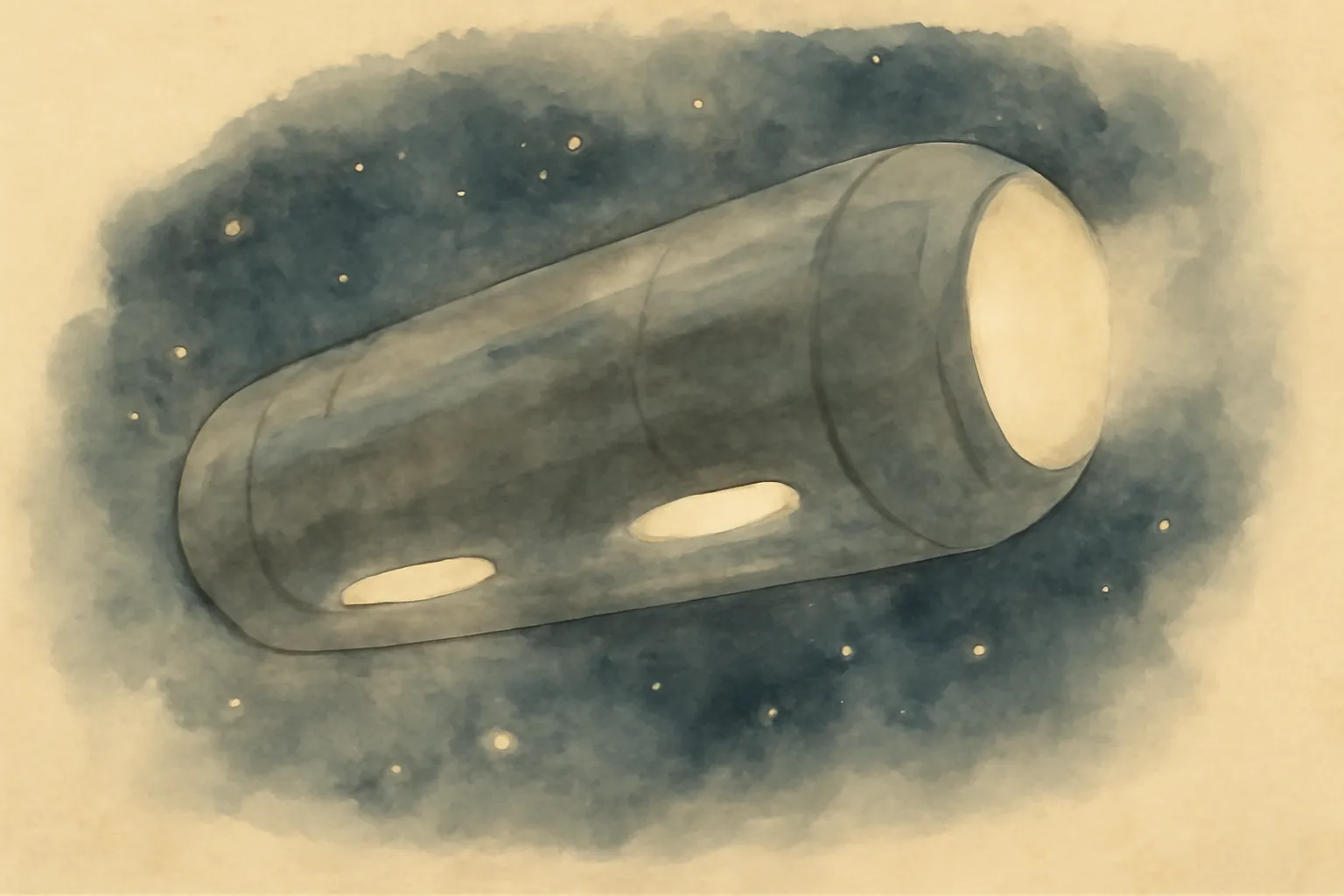
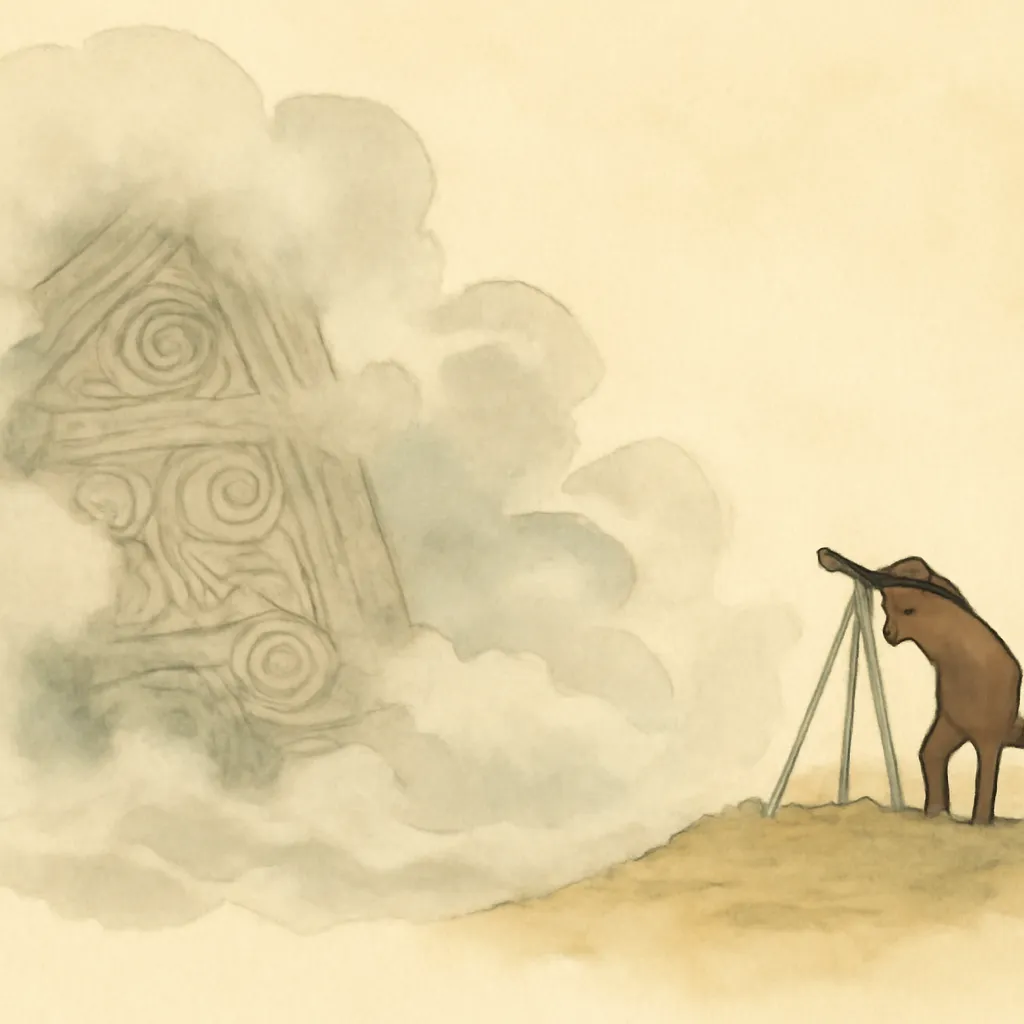
Clarke’s Rama is not a hostile invader nor a benevolent messenger, but a silent, indifferent artifact passing through our solar system. The story’s core is humanity’s attempt to understand something fundamentally alien, highlighting how first contact may be defined by mystery and ambiguity rather than communication or conflict. The lack of clear answers about Rama’s purpose or creators underscores the limits of human perception and the possibility that some cosmic phenomena may be forever beyond our grasp.
2.Hard Science and Realistic Exploration
Clarke grounds the narrative in plausible science and engineering, meticulously detailing the logistics of space travel, the physics of Rama’s interior, and the challenges of exploration. This commitment to scientific realism enhances the sense of immersion and credibility, distinguishing the novel from more fantastical science fiction. The crew’s methodical investigation of Rama mirrors real scientific inquiry, emphasizing observation, hypothesis, and the acceptance of uncertainty.
3.Humanity’s Place in the Cosmos
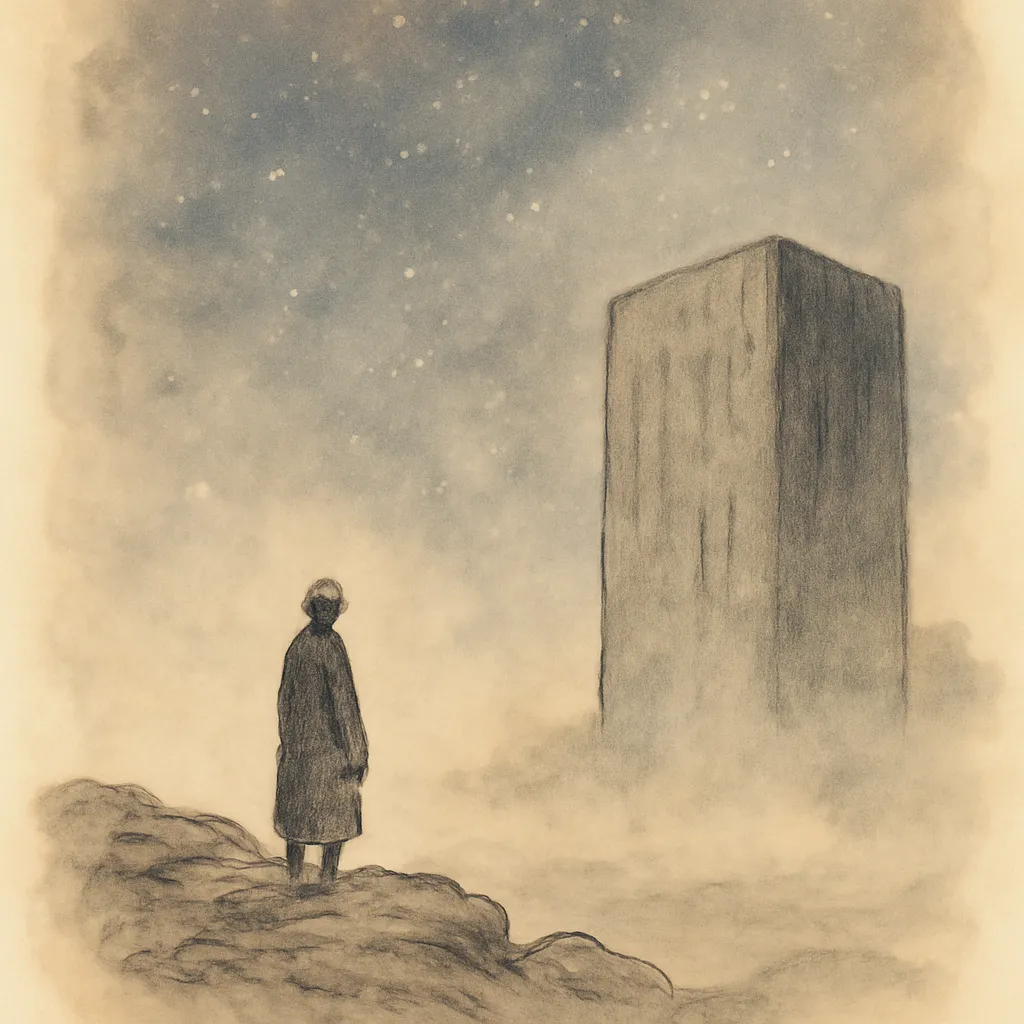
By confronting the vastness and indifference of Rama, Clarke invites readers to reflect on humanity’s smallness and the possibility that we are not the center of the universe. The novel’s characters are humbled by the scale and sophistication of the artifact, prompting philosophical questions about our significance and the nature of intelligence. Rama’s silence becomes a mirror for human hopes, fears, and limitations.
4.The Power of Mystery and Restraint
Rather than resolving every puzzle, Clarke leaves many questions unanswered, trusting the reader to appreciate ambiguity. The novel’s restraint—its refusal to anthropomorphize the alien or provide neat resolutions—creates a lingering sense of wonder. This approach challenges readers to accept that not all stories end with closure, and that the unknown can be as compelling as the known.
5.Cooperation and Human Ingenuity
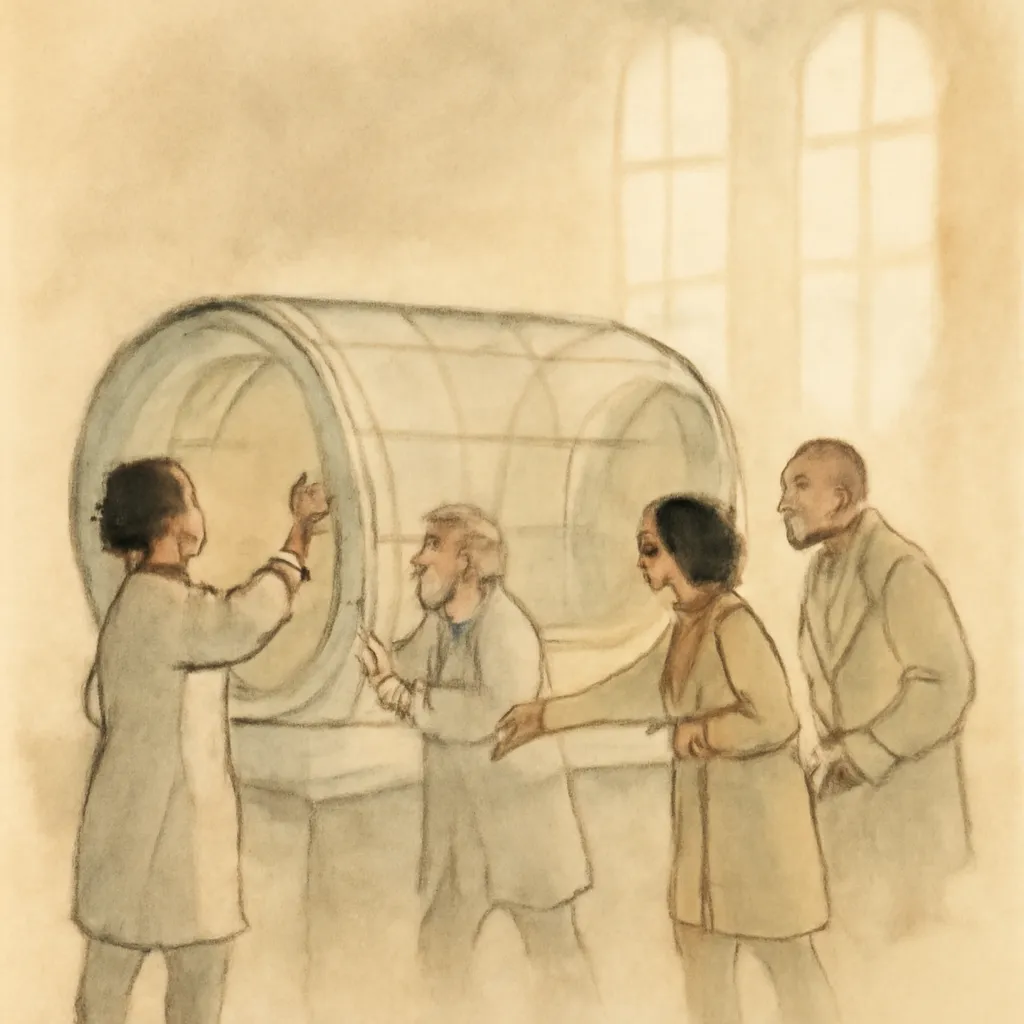
The international crew aboard the Endeavour embodies the potential for human cooperation in the face of cosmic challenges. Their diverse backgrounds and expertise highlight the necessity of teamwork and adaptability. Clarke suggests that humanity’s greatest strength may lie in our collective curiosity and ability to work together when confronted with the unknown.
6.The Limits of Interpretation
Throughout the novel, the explorers project their own ideas and fears onto Rama, often misinterpreting what they see. Clarke uses this to comment on the subjectivity of perception and the dangers of assuming that alien phenomena will conform to human logic or expectations. The story thus becomes a meditation on the limits of interpretation and the humility required in the face of the truly alien.