1.The Role of Eleanor of Aquitaine
Eleanor of Aquitaine was not just Richard's mother but a significant figure in her own right, whose life experiences shaped Richard's aspirations and ambitions. A former queen and crusader herself, Eleanor's stories of adventure and valor instilled in Richard a desire for distinction and glory. Her marriage to Henry II united England and Normandy, setting the stage for Richard's tumultuous upbringing. The constant family quarrels and rebellions, often involving Eleanor, created a backdrop of conflict that Richard would navigate throughout his life. Eleanor's fierce independence and political acumen influenced Richard's own leadership style and ambitions as he sought to carve out his legacy amidst the chaos of his family's disputes.
2.Richard's Early Life and Family Dynamics
Richard's formative years were marked by intense family conflicts, primarily driven by disputes over land and power among his father Henry II's sons. Richard, the third son, was raised amidst an atmosphere of rebellion and rivalry, which instilled in him both a sense of loyalty to his brothers and a fierce desire to assert his own claims. The dynamics within the royal family, characterized by alliances and betrayals, shaped Richard's character, making him both a formidable warrior and a contentious figure. His mother often sided with her sons against Henry, further complicating the familial relationships. These tumultuous interactions foreshadowed Richard's own struggles for power and recognition as he ascended to the throne.
3.The Legend of Fair Rosamond
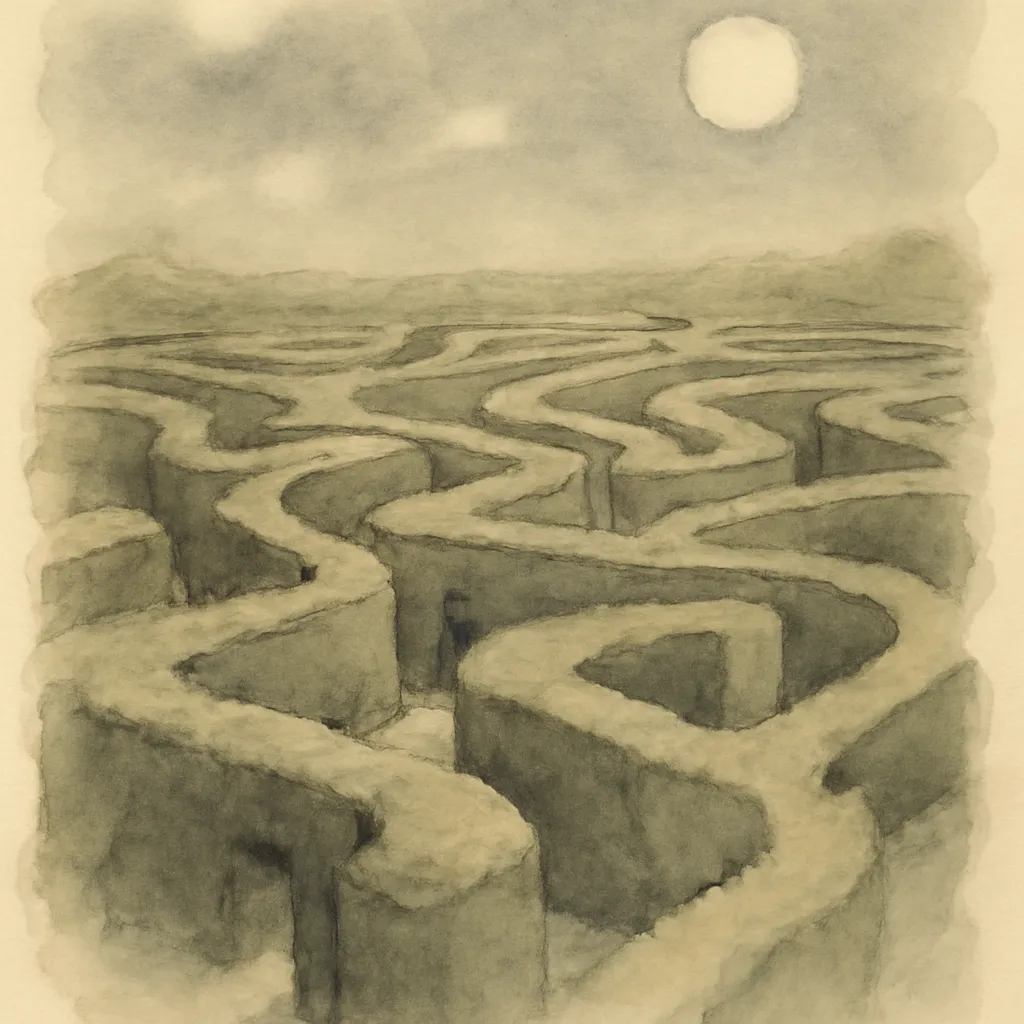
The tale of Fair Rosamond, Henry II's rumored mistress, adds a layer of intrigue to Richard's family history. Rosamond, the daughter of a nobleman, captured Henry's heart in his youth, leading to a clandestine relationship that was kept secret for years. The labyrinth built to protect her from Eleanor's wrath symbolizes the lengths to which Henry went to hide this affair. After Henry's death, Rosamond's legacy became a topic of romanticized folklore, overshadowing Eleanor's own historical significance. This narrative illustrates the complexity of royal relationships, the power struggles within the court, and how personal affairs could influence political landscapes. Richard's eventual rise to power was inextricably linked to the reputations and legacies of the women in his life, showcasing the intricate interplay of love, power, and betrayal.
4.Richard's Ascension to the Throne
Richard's ascension to the throne came under tragic circumstances following the death of his father, Henry II. Henry's life ended amidst personal turmoil and family strife, leaving Richard to navigate a kingdom fraught with challenges. The negotiations for peace that Henry undertook highlighted the fragility of his reign and the contentious relationships within the family. Richard's immediate actions upon becoming king—securing his claim to the throne and planning a crusade—demonstrate his ambition and desire to establish a legacy distinct from his father's. His leadership style, characterized by decisiveness and a thirst for military glory, set the tone for his reign and underscored his belief in the importance of honor and reputation in medieval kingship.
5.The Magnificence of Richard's Coronation
Richard's coronation was a grand affair, yet it was marred by the violent massacre of Jews in London, highlighting the prevalent antisemitism of the time. The coronation ceremony itself was steeped in tradition and spectacle, reflecting the power and authority of the monarchy. However, the brutal actions of the populace against the Jews reveal the darker side of Richard's reign—one where the king's authority could be undermined by the mob mentality of his subjects. This event foreshadows the challenges Richard would face in maintaining control over a diverse and often fractious kingdom. The juxtaposition of royal grandeur with societal violence illustrates the complexities of leadership in a time when loyalty was as fickle as public sentiment.
6.The Crusade: A Quest for Glory
Richard's fervent desire to lead a crusade stemmed from a combination of personal ambition and a sense of duty to reclaim the Holy Land. His preparations for the campaign were marked by both strategic planning and reckless ambition, as he sought to raise funds and gather forces. Richard's charismatic leadership attracted knights and soldiers eager to join him in pursuit of glory and adventure. The influence of his mother's past experiences as a crusader likely fueled his passion for this endeavor. However, the realities of warfare, including logistical challenges and the harsh conditions faced by his army, would test his resolve and leadership skills. Richard's journey into the Holy Land was not merely a military campaign; it was a manifestation of his quest for honor and a means to solidify his legacy.
7.Conflict with Philip of France
Richard's relationship with Philip II of France was characterized by both alliance and rivalry, reflecting the complexities of medieval politics. Initially, the two kings sought to cooperate during the crusade, yet their differing ambitions and egos led to a rift that would define their interactions. Richard's assertion of superiority, based on his claims as Duke of Normandy, exacerbated tensions, resulting in open conflict between their respective forces. The rivalry was fueled by jealousy and competition for glory, leading to a series of confrontations that undermined the united front of the Crusaders. This internal division weakened their collective efforts against the Saracens and illustrated how personal ambitions could jeopardize larger goals. Richard's inability to reconcile with Philip highlights the challenges of leadership in a fragmented political landscape.
8.The Siege of Acre: Triumph and Tragedy
The siege of Acre marked a significant event in Richard's crusade, symbolizing both military triumph and moral complexity. Despite the eventual capture of the city, the siege was marked by immense suffering and loss of life on both sides. Richard's leadership during the siege demonstrated his military prowess, yet the brutal treatment of Saracen captives following the city's fall raised ethical questions about his conduct. The massacre of prisoners, driven by Richard's desire for retribution, tarnished his legacy and showcased the brutal realities of medieval warfare. This event serves as a reminder of the fine line between heroism and cruelty, as Richard's quest for glory resulted in actions that would haunt his reputation. The siege encapsulated the harsh nature of the crusades, where the pursuit of honor often came at a grave human cost.
9.The Battle of Jaffa: A Turning Point
The battle of Jaffa was a pivotal moment in Richard's campaign, showcasing his tactical acumen and determination to reclaim the Holy Land. After the successful siege of Acre, Richard sought to solidify his gains by fortifying Jaffa and preparing for further confrontations with Saladin. The battle itself was marked by Richard's strategic brilliance, as he rallied his troops against a formidable enemy. However, the victory was not without its challenges, as Richard faced internal dissent and external pressures. The battle of Jaffa demonstrated Richard's ability to inspire his men, but it also highlighted the ongoing struggles within the Crusader ranks as they grappled with their own ambitions and rivalries. This conflict underscored the precarious nature of Richard's position, as he sought to navigate both military and political challenges in pursuit of his goals.
10.The Truce with Saladin: A Compromise
The truce negotiated between Richard and Saladin marked a significant turning point in the crusade, reflecting the realities of warfare and the limitations of both leaders. After years of conflict, neither side could achieve a decisive victory, leading them to seek a temporary cessation of hostilities. Richard's decision to agree to a truce rather than pursue a costly campaign against Jerusalem demonstrates his pragmatism and awareness of the broader political landscape. The terms of the truce allowed for the protection of pilgrims and the maintenance of certain territorial gains, but it was a compromise that left many dissatisfied. This agreement highlighted the complex dynamics of power, as Richard sought to balance his ambitions with the realities of governance and his responsibilities to his kingdom. The truce ultimately set the stage for Richard's departure from the Holy Land, marking the end of his crusading ambitions for the time being.
11.Richard's Captivity and Return
Richard's return journey from the Holy Land was fraught with danger, culminating in his capture by enemies in Germany. Disguised as a pilgrim, Richard sought to navigate the political landscape of Europe, but his efforts were thwarted, leading to his imprisonment. The circumstances of his capture and subsequent ransom negotiations reveal the precariousness of royal power in a time of shifting allegiances and conflicts. Richard's captivity sparked a wave of sympathy in England, as his subjects rallied to secure his release. The political machinations surrounding his ransom underscore the complicated interplay of loyalty, power, and treachery in medieval Europe. Richard's eventual return to England marked a significant moment in his reign, as he faced the challenges of restoring order and asserting his authority in a tumultuous political environment.