1.The Ringworld as a Thought Experiment
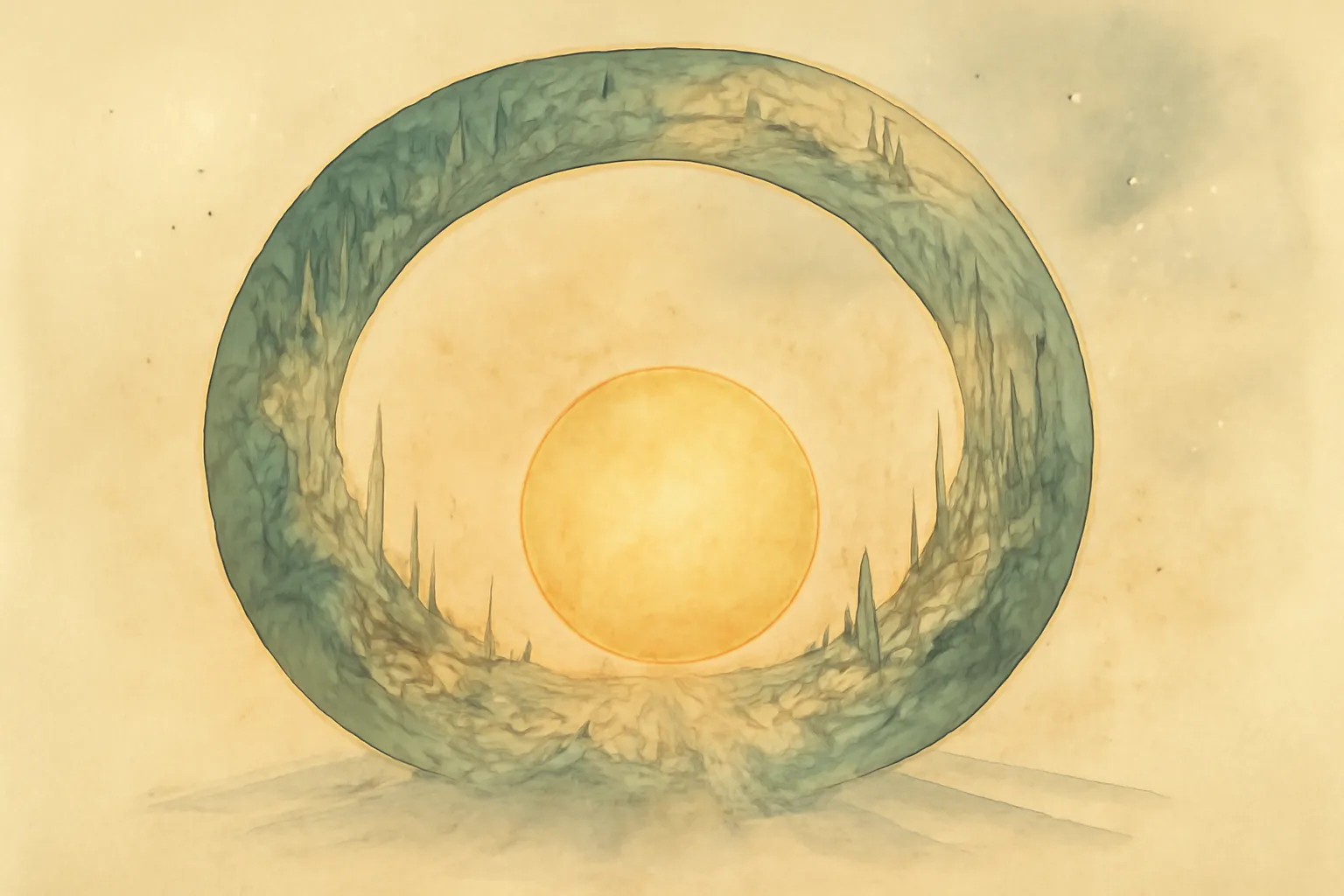
At the heart of the novel is the Ringworld itself: a colossal artificial ring encircling a sun, with a habitable inner surface. Niven uses this structure not just as a backdrop, but as a way to explore the possibilities and challenges of megascale engineering. The Ringworld’s physical properties, its stability, and the implications for its builders become central to the plot, sparking real-world scientific debate and inspiring generations of readers and scientists alike.
2.Diversity and Evolution of Intelligence
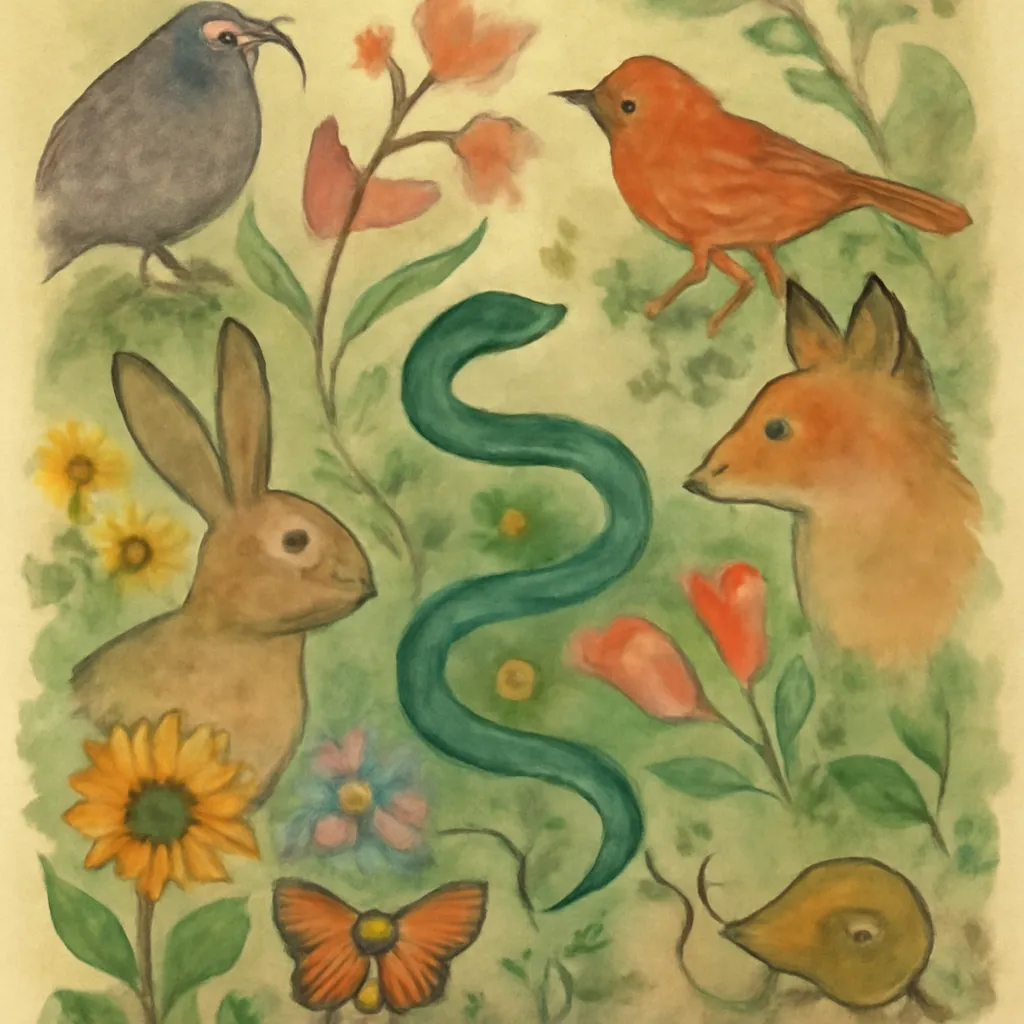
Ringworld brings together a cast of humans and aliens—each with distinct evolutionary backgrounds and psychologies. Through these characters, Niven examines how intelligence, luck, and adaptability evolve under different pressures. The interplay between species, especially the manipulative Puppeteers and the warlike Kzin, serves as a lens for exploring the nature of cooperation, competition, and survival.
3.Luck, Destiny, and Genetic Manipulation
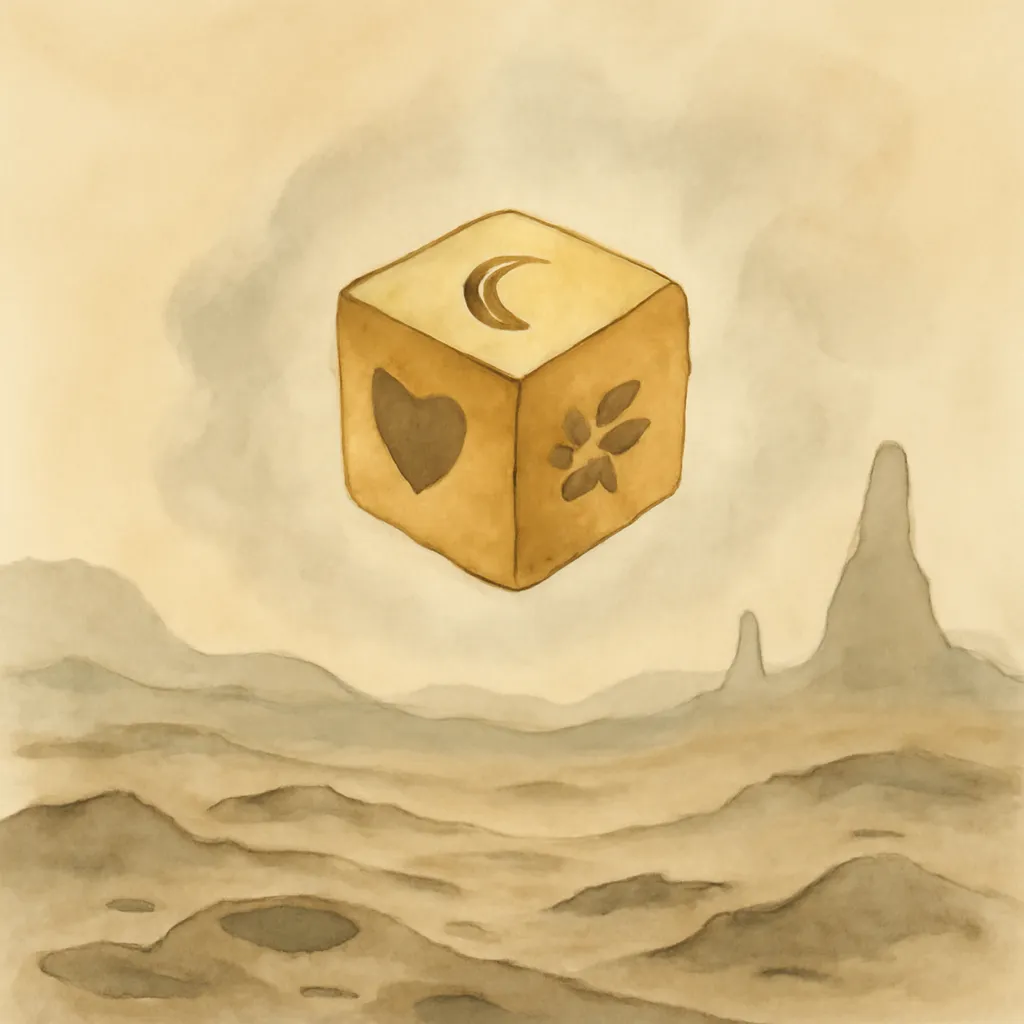
A recurring motif is the concept of luck as a heritable trait, embodied in protagonist Louis Wu’s companion, Teela Brown. Niven provocatively asks: can luck be bred, and what are the consequences for individuals and societies? This theme touches on questions of free will, determinism, and the unforeseen results of genetic engineering—issues that resonate even more strongly today.
4.The Limits of Knowledge and Control
Despite their advanced technology, the explorers are repeatedly humbled by the Ringworld’s complexity and unpredictability. Niven underscores how little even the most intelligent beings can truly control or understand in the face of a universe full of unknowns. The novel is a meditation on scientific humility, the dangers of arrogance, and the necessity of adaptability.
5.Civilizational Rise and Fall
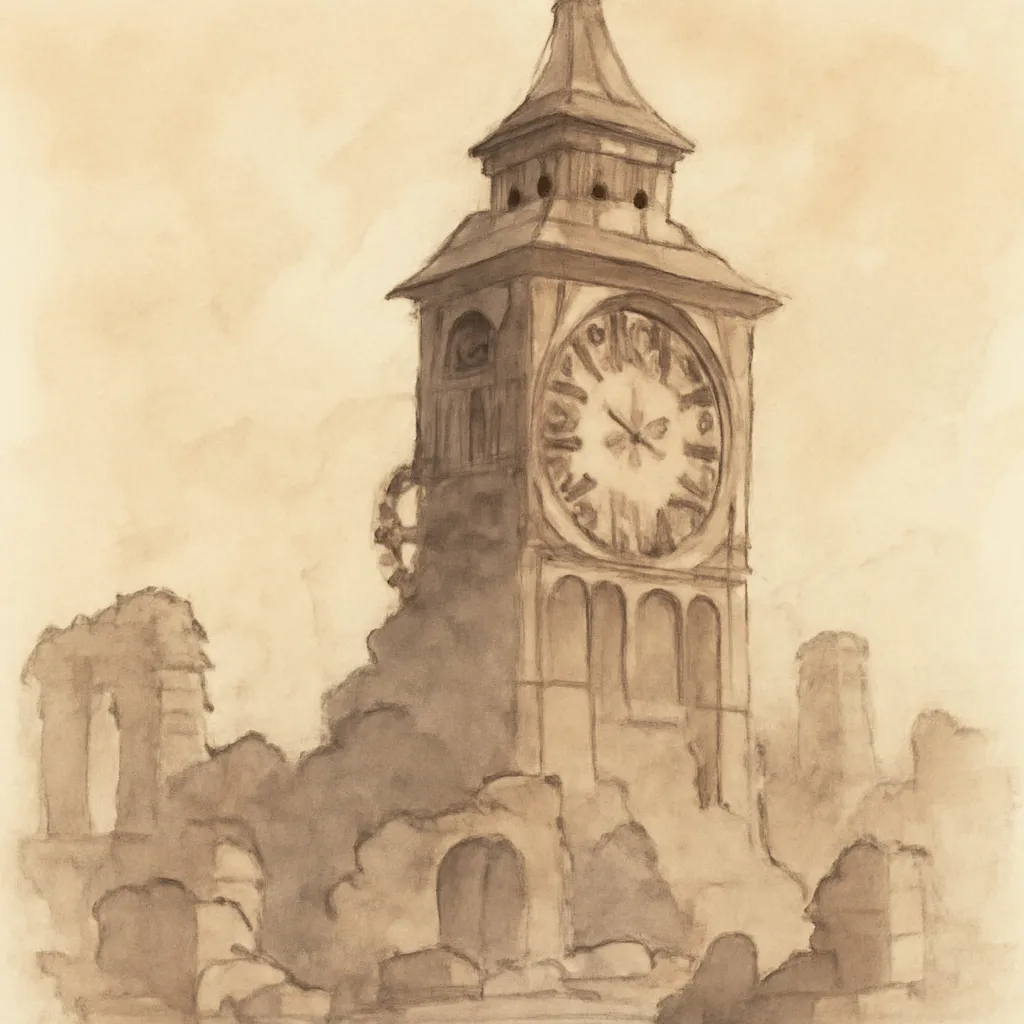
The Ringworld’s inhabitants are the remnants of a once-great civilization, now fallen into decay and myth. Niven uses their plight to reflect on the cyclical nature of societies, the fragility of technological progress, and the ways in which knowledge can be lost or misunderstood over time. This theme adds a layer of melancholy and warning to the novel’s grand adventure.
6.Human (and Alien) Relationships under Pressure
Thrown together in a dangerous and unfamiliar environment, the characters’ alliances and conflicts reveal much about trust, loyalty, and the limits of understanding across species. Niven’s depiction of interpersonal dynamics—romantic, adversarial, and pragmatic—grounds the cosmic spectacle in relatable emotional stakes.