1.The Nostalgia of Eton
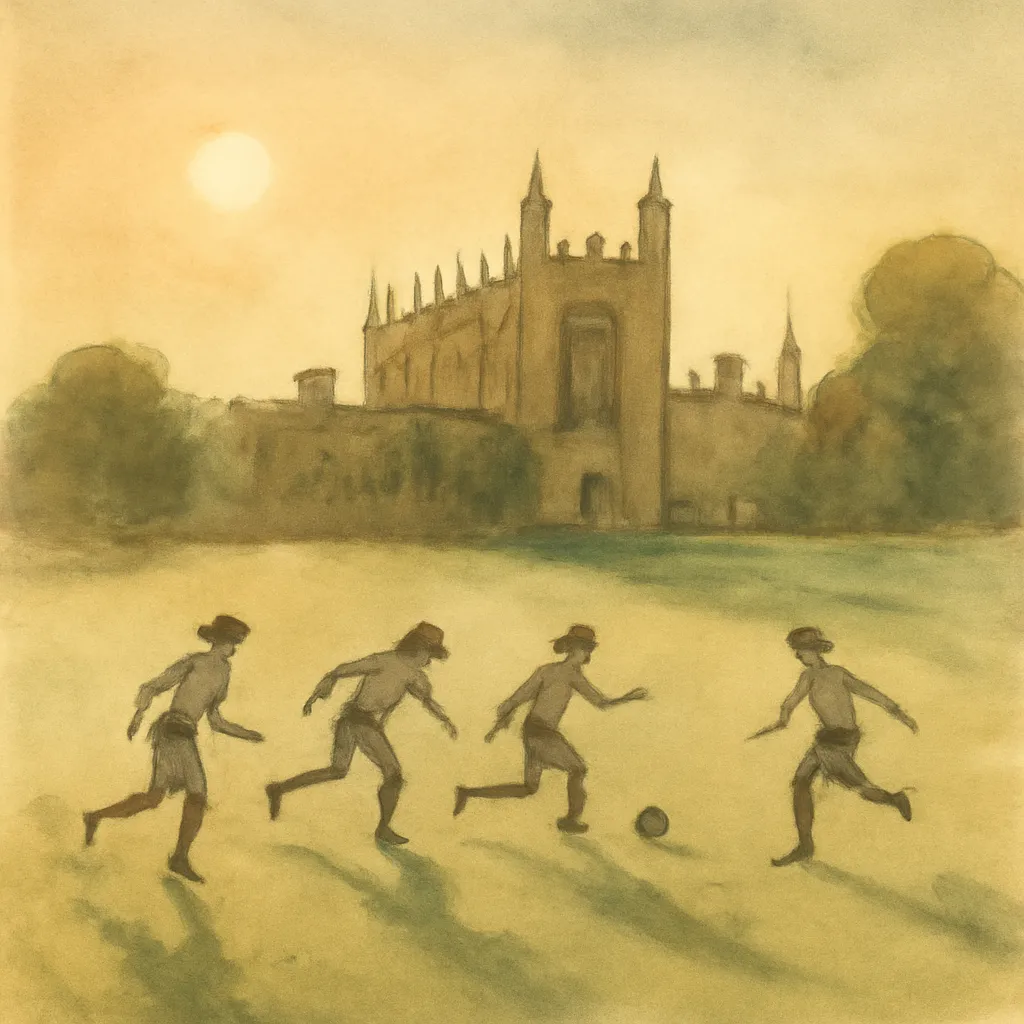
The opening of the book sets the scene with a nostalgic visit to Eton, a place steeped in memory and history. The narrator reflects on the joys of youth while navigating the familiar landscapes of his boyhood. The vivid descriptions of the playing fields, Poet’s Walk, and the school-yard evoke a sense of longing for simpler times. This nostalgia serves as a backdrop for the tales that unfold, reminding readers of the formative experiences that shape our identities. The interplay between memory and place is a recurring theme, illustrating how the past continues to resonate in the present. The narrator's reminiscences lead to a deeper exploration of how these cherished moments inform our understanding of self and community, prompting readers to consider their own connections to the places of their youth.
2.The Rise of Little Smith
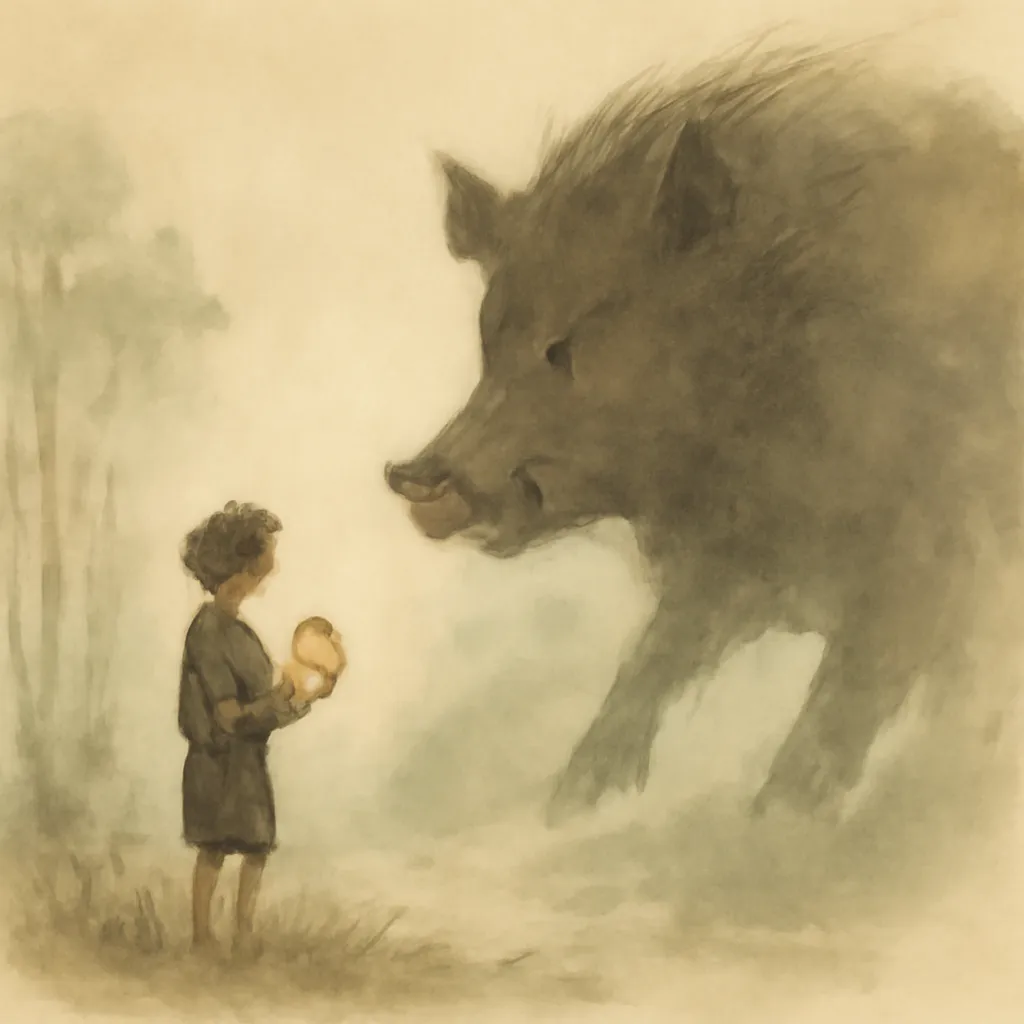
In the story of Little Smith, we witness the transformation of a humble boy into a hero destined to confront the Great Boar terrorizing his land. Through his encounters with magical toads, Smith learns the arts of bravery and wisdom, preparing him for the challenges ahead. The narrative underscores the importance of mentorship and the unexpected sources of knowledge that can shape a person's destiny. The toads, as unlikely teachers, exemplify how wisdom can come from the most unexpected places. This theme of guidance resonates throughout the tale, emphasizing the significance of community in nurturing potential. Smith's determination to free his people from oppression resonates with themes of courage and the fight against tyranny, establishing him as an archetypal hero whose journey reflects the struggles of all who champion justice in their own lives.
3.The Boar's Tyranny and the Collective Struggle
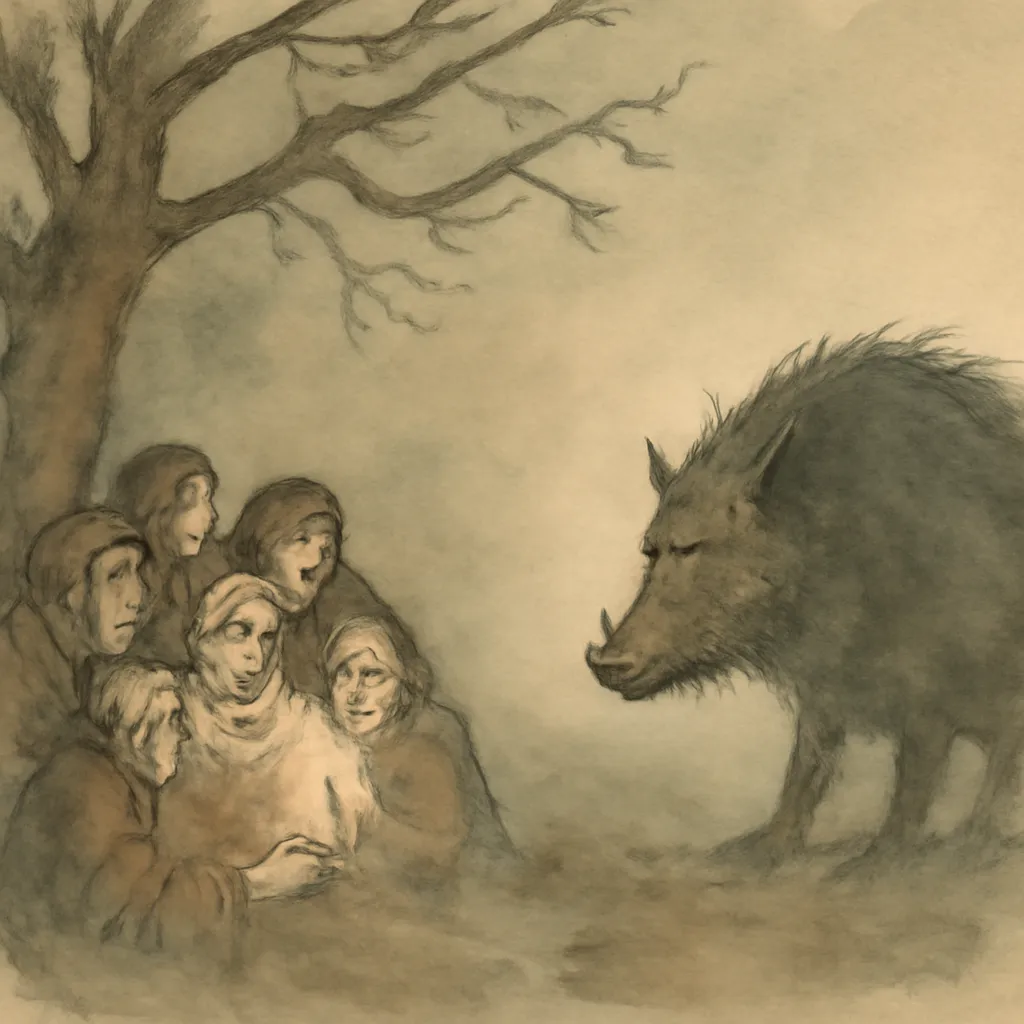
The Great Boar symbolizes not just a physical threat but also the arrogance and cruelty that can arise in positions of power. As Smith rallies the oppressed villagers, the story emphasizes the power of unity and collective action in the face of tyranny. The villagers' initial fear gives way to hope as they recognize their strength when standing together. This narrative arc serves as a metaphor for social justice movements, where the oppressed find their voice and agency through solidarity. This theme of collective empowerment is further emphasized by Smith's ability to inspire those around him, showcasing how a single individual's courage can spark a movement. The moral lesson here is clear: change is only possible when individuals come together for a common cause, suggesting that every person has a role to play in the fight against injustice.
4.The Role of the Druids
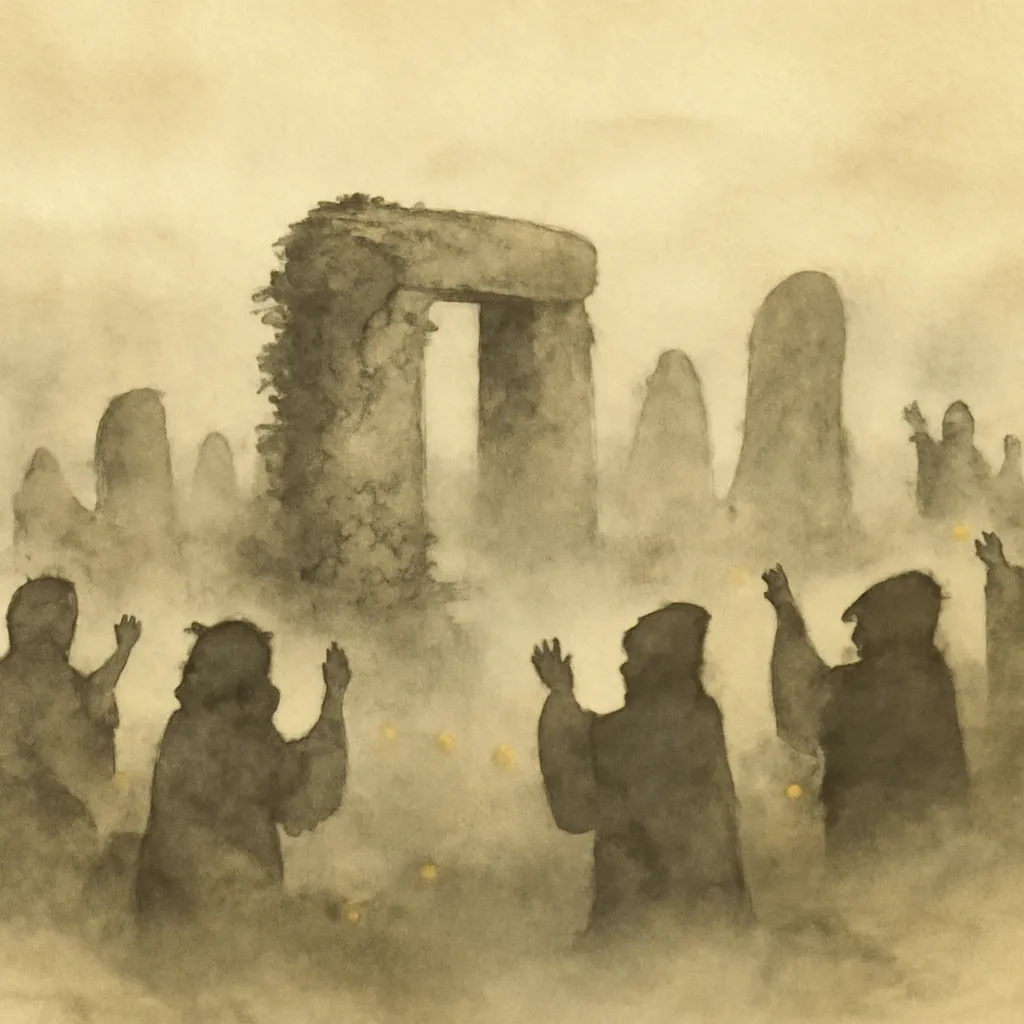
The Druids in the story represent ancient wisdom and the complexities of spiritual authority. While they initially seem to be allies, their desire for sacrifice reveals the darker side of their power. This tension between reverence and fear reflects the often ambiguous nature of authority figures in folklore. As Smith confronts the Druids, the narrative explores themes of loyalty, betrayal, and the consequences of blind faith. The Druids’ willingness to sacrifice Smith despite his contributions serves as a chilling reminder of the dangers of hierarchical power structures. This conflict provokes questions about the nature of morality, suggesting that those in positions of authority must be held accountable for their decisions, and that true leadership requires compassion and understanding rather than cruelty or indifference.
5.Martha's Revenge and the Dark Side of Ambition
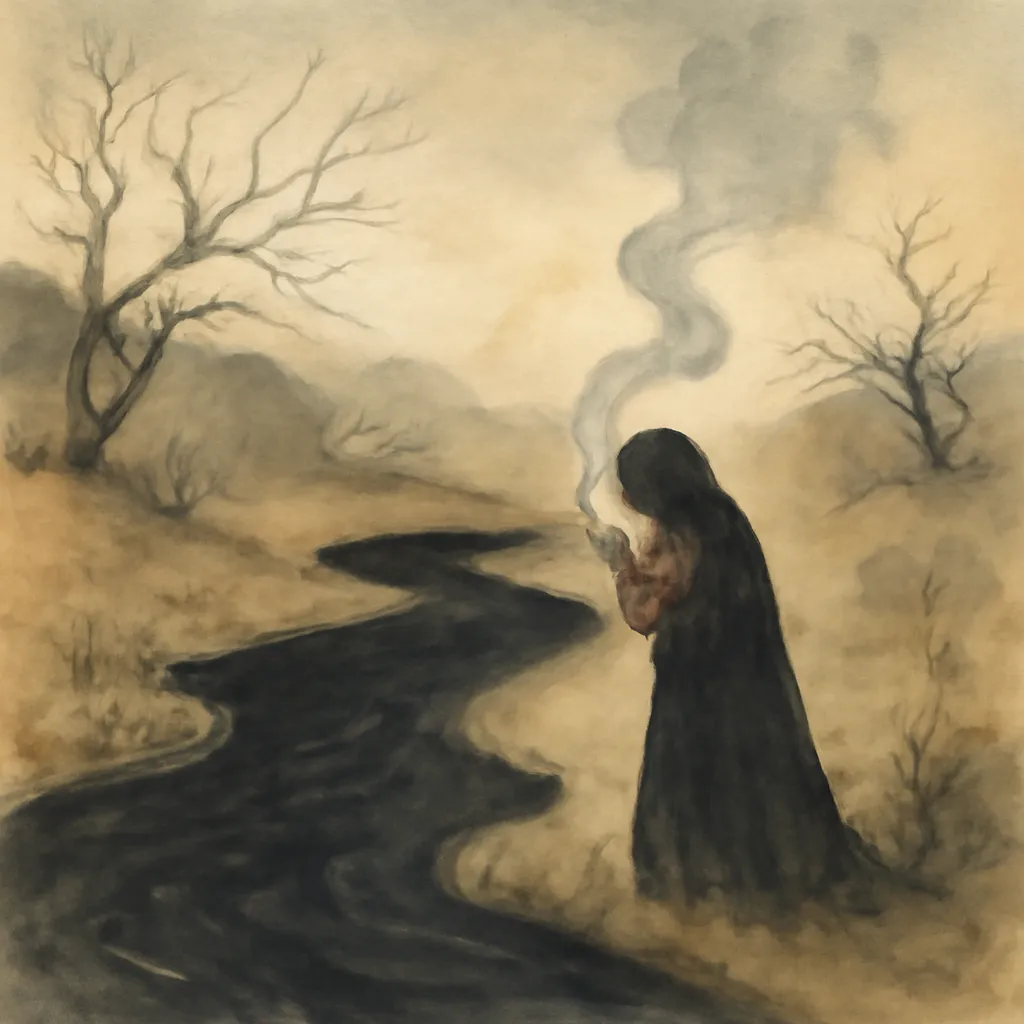
The character of Martha Scweinvolt introduces a more sinister element to the narrative, showcasing how ambition can lead to moral decay. Her desire for revenge against the Baroness illustrates the destructive nature of envy and resentment. Martha's consultations with the river-demon reveal her willingness to sacrifice her own integrity for the sake of vengeance. This subplot serves as a cautionary tale about the perils of allowing negative emotions to dictate one's actions, emphasizing that ambition must be tempered with ethics. As Martha's plans unravel, the consequences of her actions highlight the futility of revenge and the self-destructive path it can lead one down. Her eventual downfall serves as a powerful reminder that the pursuit of vengeance can blind individuals to the larger consequences of their actions, often causing more harm to themselves than their intended targets.
6.The Transformation of Characters
Throughout the legends, transformation is a recurring motif, symbolizing both personal growth and the consequences of one's choices. Characters like Martha undergo physical and moral transformations, reflecting their inner turmoil and the repercussions of their actions. The narrative suggests that true change comes from within and that one’s character is ultimately defined by their choices. This theme is evident in the varied paths of characters like Smith, who rises to heroism, and Martha, who succumbs to her darker impulses. The transformations serve as a reminder that every action has consequences, and that redemption is often a difficult path, laden with challenges and the need for self-reflection. The ability to change is framed as both a gift and a burden, requiring individuals to confront their pasts in order to forge a better future.
7.The Enchantment of Nature
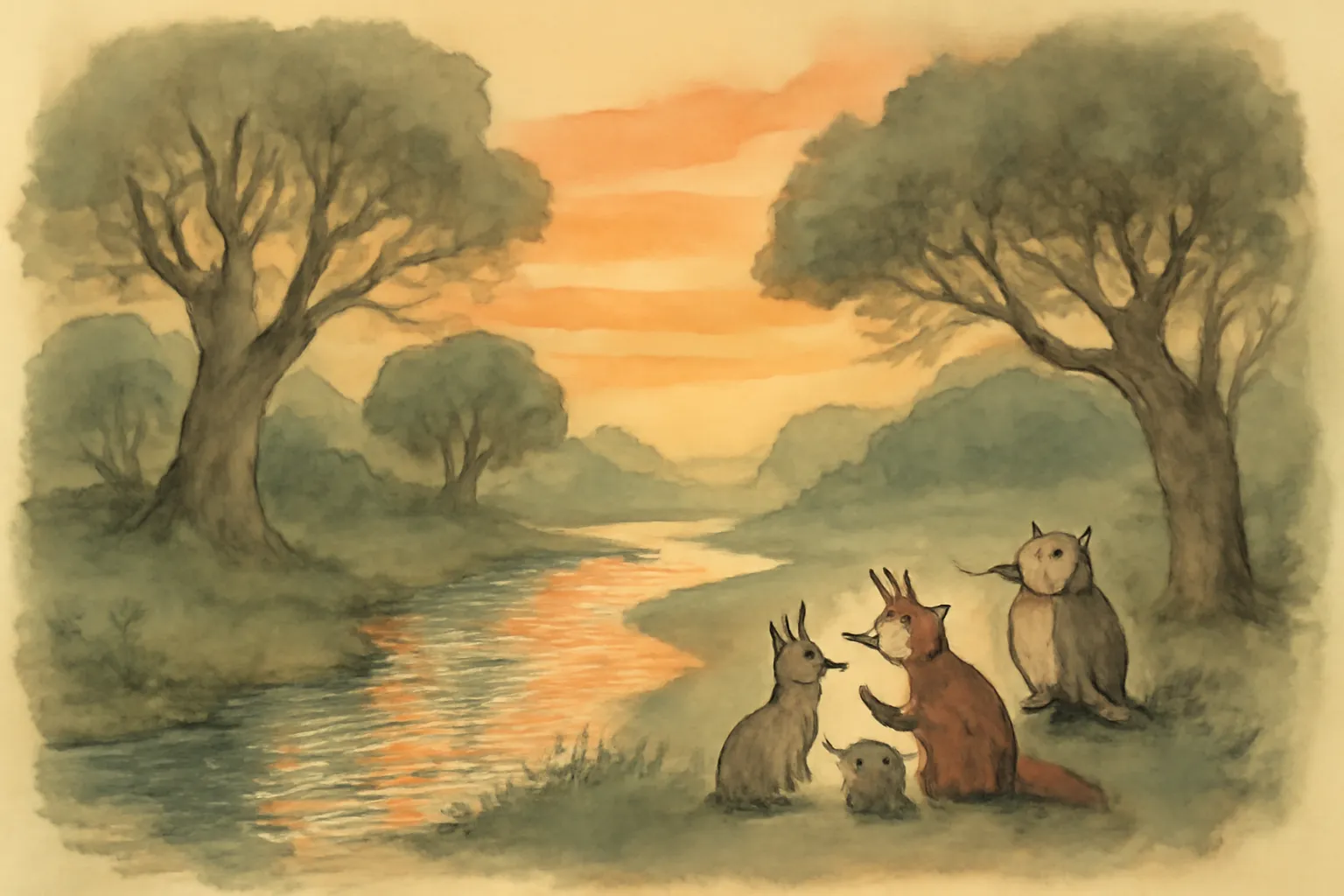
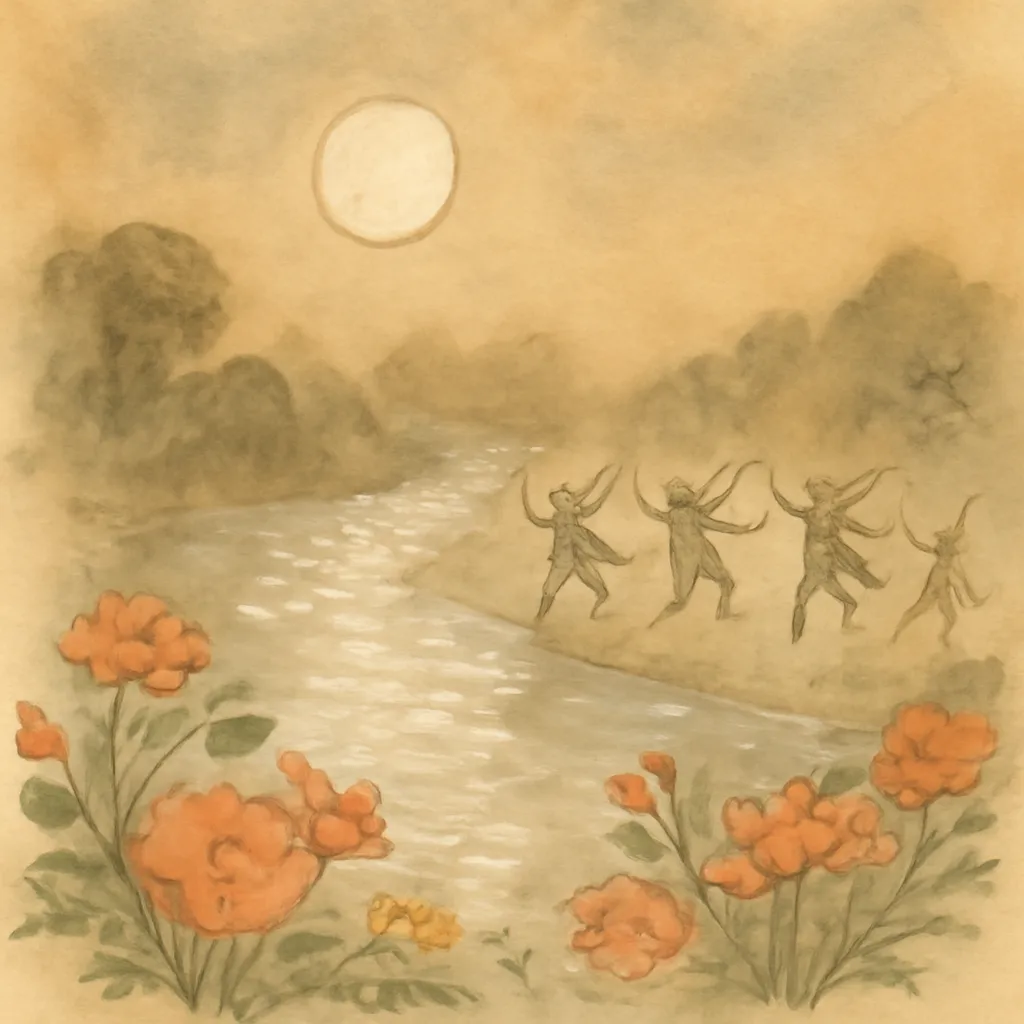
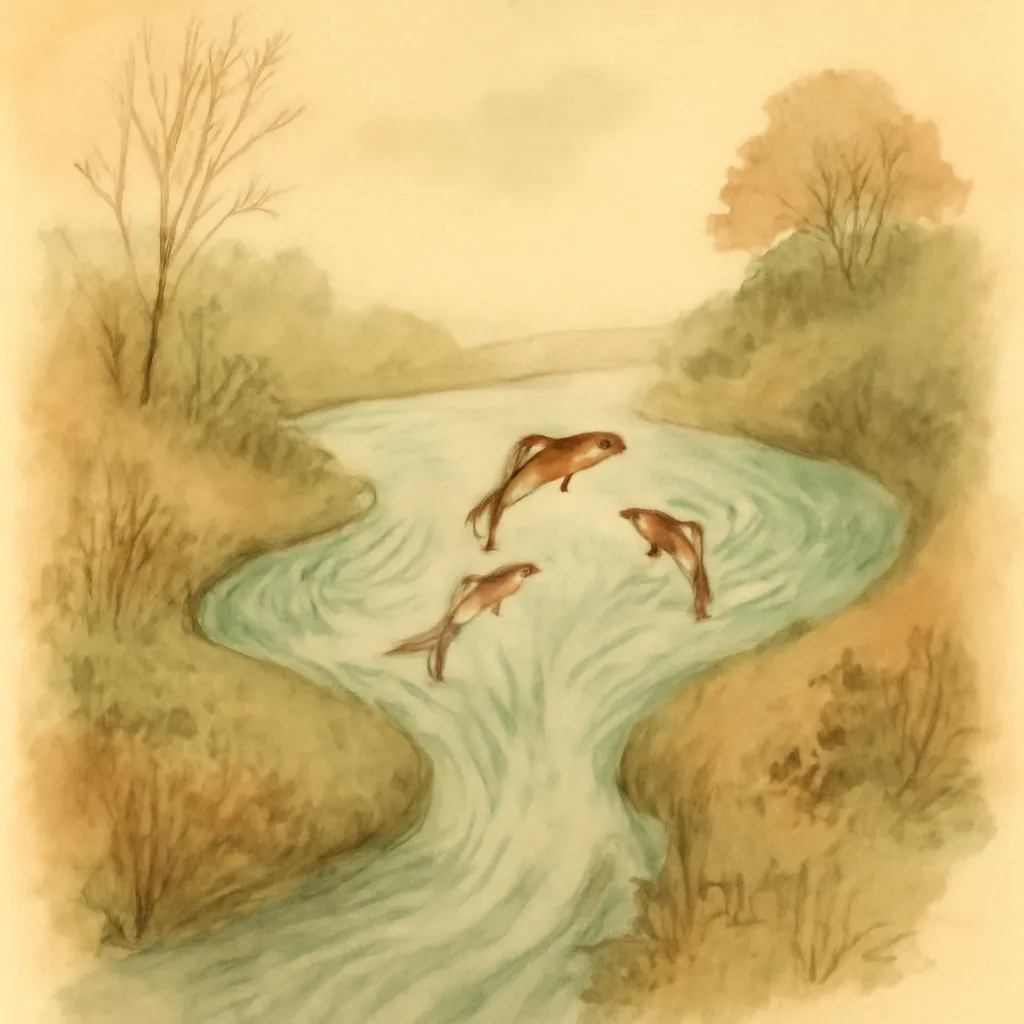
Nature plays a vital role in the stories, serving as both a setting and a character in its own right. The rivers, animals, and landscapes are imbued with a sense of magic and wonder, inviting readers to appreciate the beauty of the natural world. The personification of rivers like Thames and Rhine highlights the interconnectedness of humanity and nature, suggesting that our fates are intertwined. The enchanting descriptions of the environment serve to remind readers of the importance of preserving natural beauty and recognizing the wisdom inherent in the world around us. This connection to nature also underscores the idea that human actions have repercussions on the environment, prompting a reflection on the importance of stewardship and respect for the natural world.
8.The Power of Storytelling
The act of storytelling itself emerges as a central theme, with the rivers exchanging tales that reflect their histories and values. This narrative structure emphasizes the importance of oral tradition and the role of stories in shaping culture and identity. The dialogues between Father Thames and Father Rhine highlight how legends can serve as a means of connection, bridging gaps between different cultures and generations. Storytelling becomes a way to convey wisdom, entertain, and inspire, illustrating its timeless significance in human experience. The tales told by the rivers serve not only as entertainment but also as moral lessons, ensuring that the wisdom of the past is passed down to future generations. This aspect of folklore emphasizes the role of narrative in fostering community and understanding, suggesting that through stories, we can better navigate the complexities of life.
9.The Duality of Human Nature
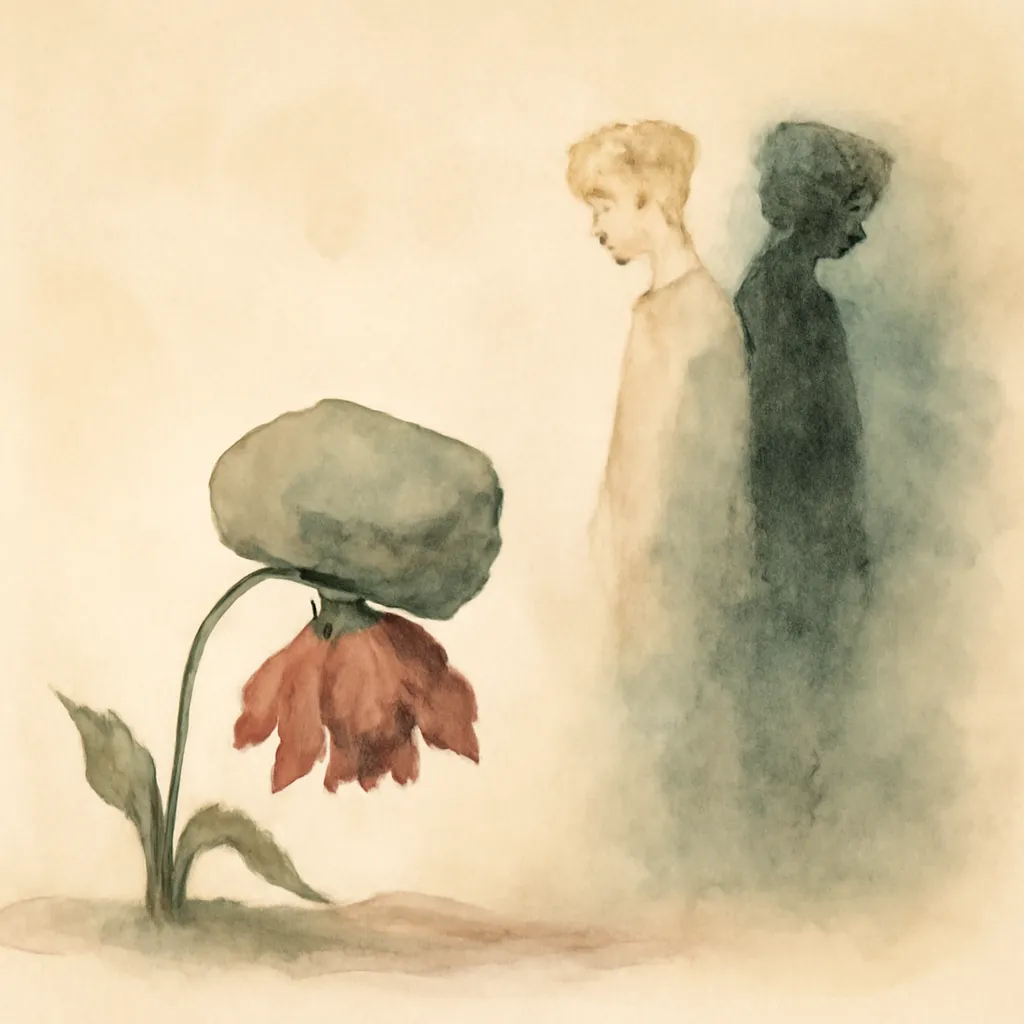
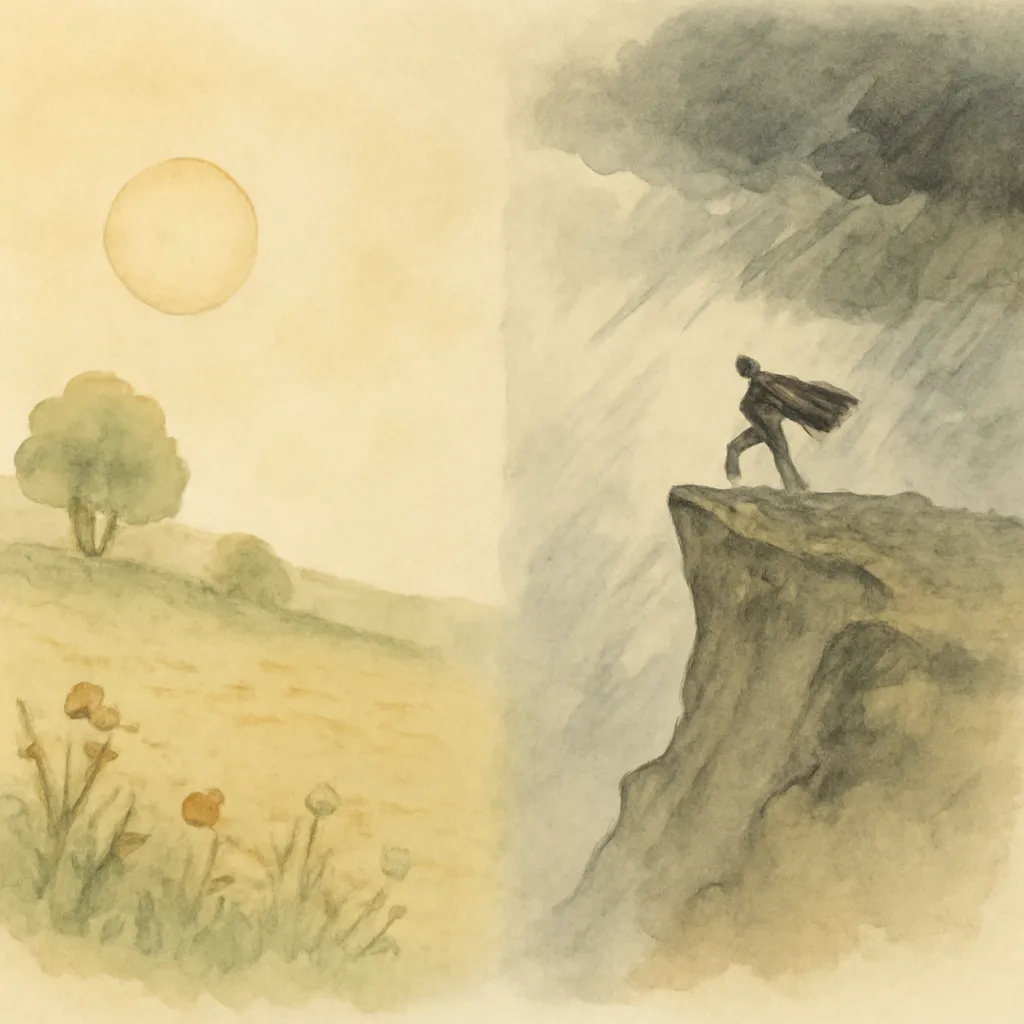
The characters in the legends embody the duality of human nature, showcasing both light and dark tendencies. While heroes like Smith represent courage and integrity, figures like Martha reveal the potential for malice and selfishness. This exploration of character complexity invites readers to reflect on their own nature and the choices they make. The narratives suggest that every individual has the capacity for both good and evil, and that personal growth often involves confronting and overcoming one's darker impulses. This duality serves as a reminder of the ongoing struggle within each person to choose the path of virtue and to recognize that redemption is possible, but requires conscious effort and reflection.
10.The Legacy of Myths and Folklore
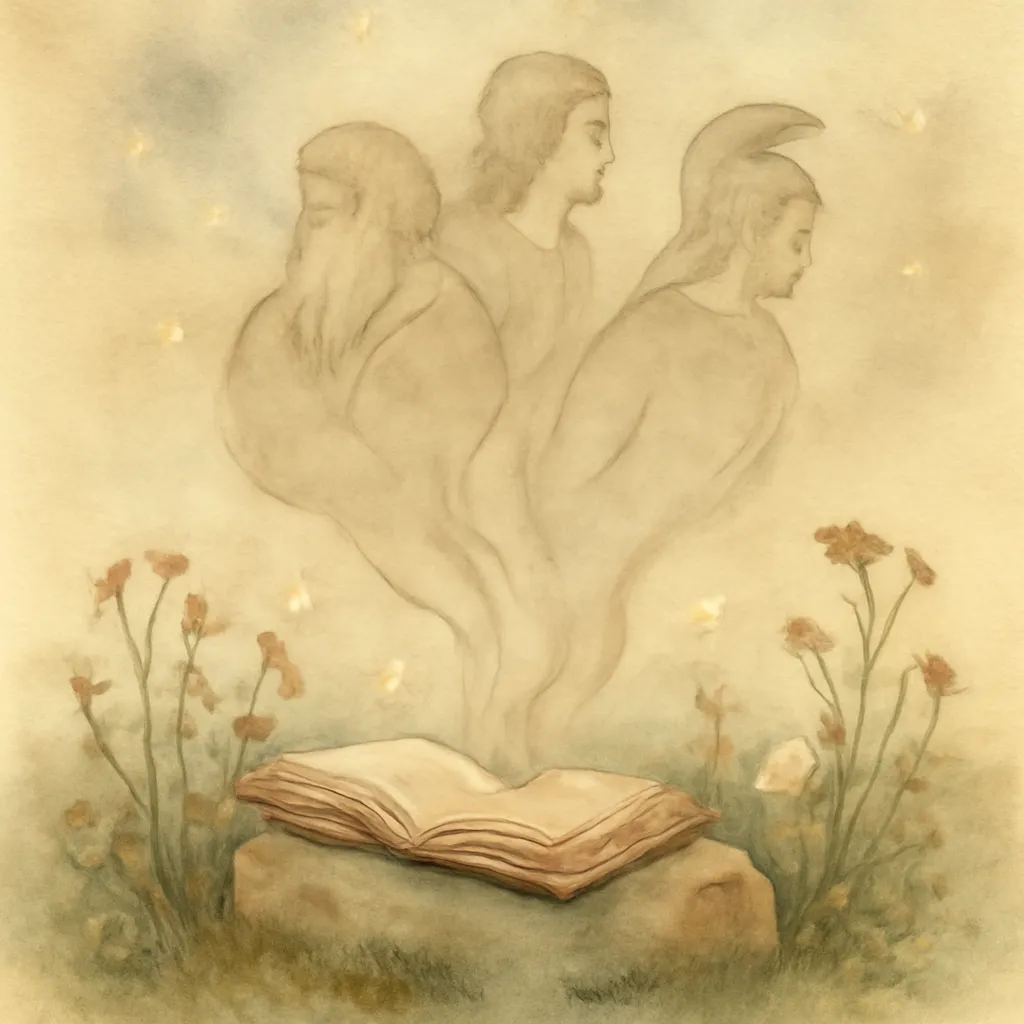
The book ultimately reflects on the enduring power of myths and folklore to convey timeless truths about human nature and society. The stories of Father Thames and Father Rhine are rooted in cultural heritage, offering insights that resonate across generations. By engaging with these tales, readers connect with their own histories and the universal themes that define the human experience. The legacy of these legends lies in their ability to inspire reflection, provoke thought, and foster a sense of belonging to something greater than oneself. This connection to folklore encourages readers to consider their own narratives and the ways in which they contribute to the collective human story, ultimately suggesting that we are all part of a larger tapestry woven through shared experiences and values.