1.The Struggle Between Faith and Doubt

Robert Elsmere's journey is marked by a deep internal conflict between his faith and the emerging doubts that plague him. As he embarks on his clerical duties, he finds himself increasingly questioning the tenets of Christianity that he once accepted without hesitation. This struggle is not simply a personal crisis; it reflects the broader societal shift towards skepticism and rationalism in the late 19th century. Robert’s contemplation of scripture and its relevance to contemporary life illustrates the tension between established religious doctrine and the evolving moral landscape. For example, during his sermons, he grapples with how to convey traditional beliefs to a congregation that increasingly seeks answers rooted in modern understanding and scientific reasoning. His struggles resonate with those who grapple with their beliefs, making his journey relatable to anyone who has faced a crisis of faith. This theme invites readers to ponder the nature of belief in a world where empirical evidence often challenges spiritual convictions.
2.The Role of Love in Personal Transformation

Love serves as a catalyst for change in Robert's life, particularly through his relationship with Catherine Leyburn. Their bond exemplifies the idea that love can inspire individuals to confront their fears and uncertainties. As Robert navigates his spiritual doubts, Catherine's unwavering support and her own struggles with faith provide him with a safe space to explore these complex emotions. Their relationship evolves from friendship to romantic love, highlighting how deep connections can lead to personal growth and self-discovery. For instance, Catherine encourages Robert to articulate his doubts and assists him in seeking philosophical explanations that resonate with both his heart and mind. This supportive dynamic illustrates that love is not merely a backdrop to Robert's spiritual journey but an essential element that shapes his understanding of faith, purpose, and identity. Through their affectionate exchanges, the novel portrays love as a transformative force that can motivate individuals to push beyond their limitations and confront their inner demons.
3.The Influence of Society on Personal Beliefs
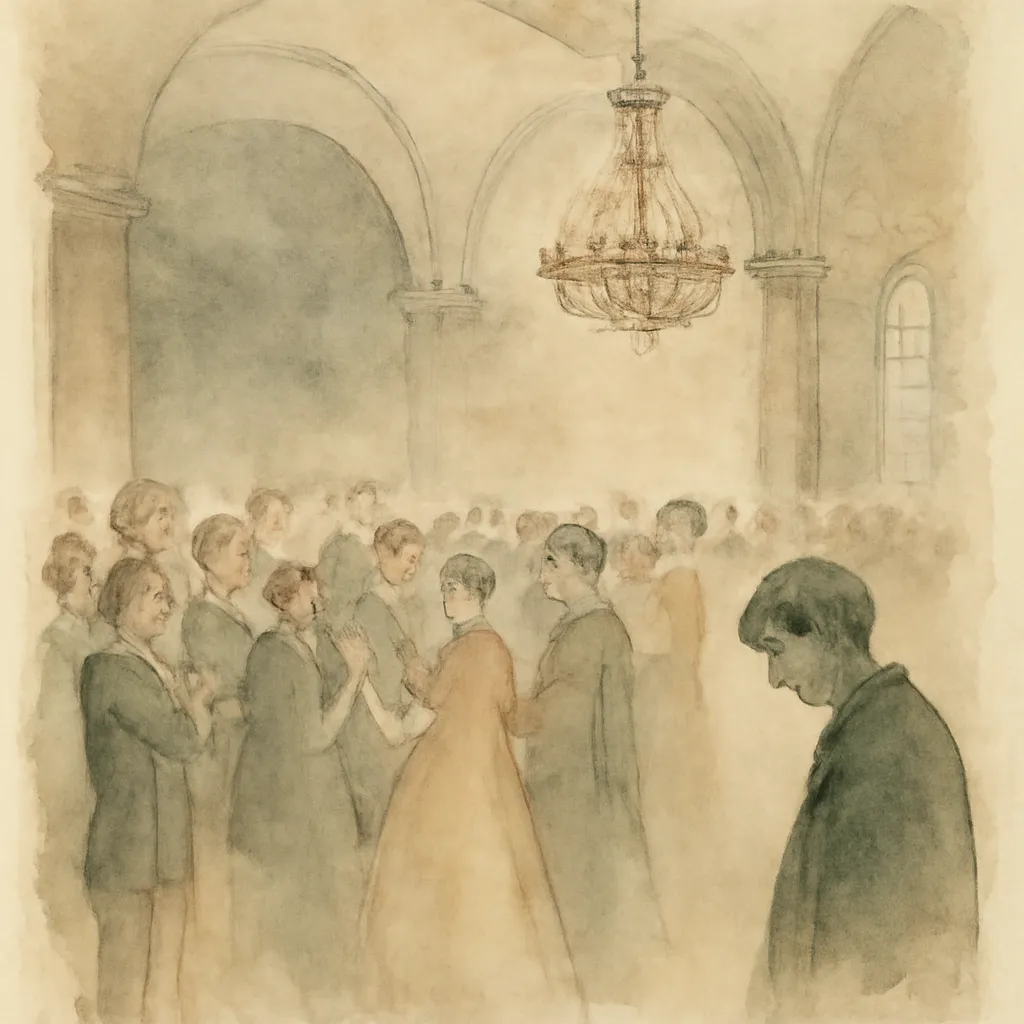
Mrs. Ward deftly illustrates how societal expectations shape individual beliefs and actions, particularly through the character of Mrs. Thornburgh, who is obsessed with social reputation and appearances. The characters in 'Robert Elsmere' are often caught between their personal convictions and the demands of their community. For instance, Robert's desire to serve his parishioners is frequently at odds with the expectations of the church hierarchy and local gentry. This tension highlights the challenges of adhering to one's beliefs in the face of external pressures. The societal norms surrounding marriage, gender roles, and class distinctions further complicate the characters' lives, as they navigate expectations imposed upon them by their peers. Through these characters, the novel critiques the ways in which societal conventions can stifle personal authenticity and moral courage. Robert’s interactions with people like Mrs. Seaton, who epitomizes the traditional views of womanhood and propriety, reveal the suffocating nature of societal norms that often dictate personal choices and values.
4.Conflict Between Tradition and Progress

The tension between tradition and progress is a central theme in 'Robert Elsmere', reflecting the broader societal shifts of the time. Robert's struggles are emblematic of a generation grappling with the implications of modernity on established beliefs. As he attempts to reconcile his clerical duties with the evolving moral landscape, he faces criticism from both traditionalists and progressives. For instance, some characters advocate for a strict adherence to religious doctrine, while others push for a more liberal interpretation that incorporates contemporary values. This conflict is mirrored in Robert's internal debate as he considers the relevance of church teachings in a world where scientific advancements and social reforms challenge conventional wisdom. The novel captures the essence of this conflict through Robert's interactions with various characters, each representing different facets of societal change. This theme invites readers to reflect on their own relationships with tradition and progress, questioning the value of long-held beliefs in the face of new ideas. Robert’s eventual attempts to bridge the gap between the two illustrate the possibility of synthesizing tradition with modern thought.
5.The Burden of Responsibility

As a clergyman, Robert Elsmere bears the heavy burden of responsibility for his parishioners' spiritual well-being. This weight is compounded by his internal struggles, as he grapples with his doubts while trying to provide guidance to others. The novel poignantly illustrates the isolation that can accompany such responsibility, as Robert often feels alone in his quest for truth. His dedication to his community is admirable, yet it also leads to moments of despair and self-doubt. For example, when faced with the challenges of a rural parish, Robert becomes increasingly aware of the limitations of his own understanding and the inadequacies of traditional religious teachings. Through Robert's experiences, readers are invited to consider the complexities of leadership and the toll it can take on one's mental and emotional health. This burden is further exacerbated by the expectations placed upon him by both his congregation and the church hierarchy, forcing him to confront his own vulnerabilities while acting as a source of strength for others.
6.The Power of Community
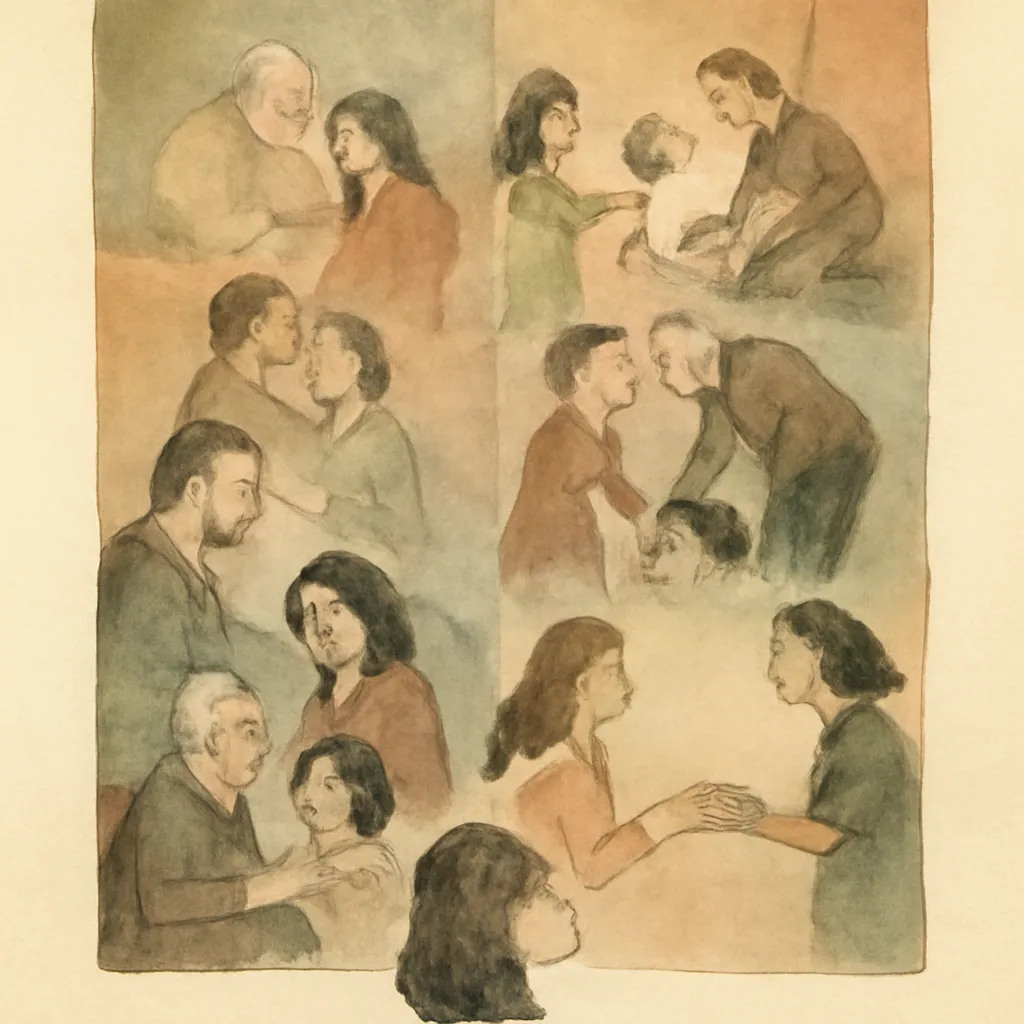
Ward emphasizes the importance of community in shaping individual identity and providing support during times of crisis. The relationships Robert builds within his parish are crucial to his development and understanding of faith. Characters such as Agnes and Mrs. Thornburgh play significant roles in his life, each representing different aspects of community dynamics. For instance, Agnes's refreshing and candid perspective often challenges Robert’s more serious demeanor, pushing him to embrace the lighter moments of life. Meanwhile, Mrs. Thornburgh embodies the societal pressures that can weigh heavily on one's conscience, causing Robert to grapple with the expectations of respectability. The novel illustrates how community can serve as both a source of comfort and a catalyst for conflict, as differing opinions on morality and faith can lead to tension. Ultimately, the portrayal of community underscores the idea that no one is an island; we are all shaped by the people around us, and the interconnectedness of individual lives can lead to collective growth.
7.The Quest for Truth

Robert's journey is fundamentally a quest for truth, as he seeks to understand the nature of faith and its relevance in a modern world. This quest is fraught with challenges as he navigates conflicting ideologies and personal beliefs. The novel portrays truth as a multifaceted concept, often elusive and subjective. Robert's intellectual curiosity drives him to explore various philosophical and theological perspectives, challenging him to reconsider his own convictions. For example, he engages in debates with characters like Edward Langham, who represents a more skeptical approach to religion, causing Robert to confront uncomfortable questions about the validity of his beliefs. Through his journey, the reader is invited to reflect on their own understanding of truth and the complexities involved in defining it. The narrative suggests that the pursuit of truth often requires a willingness to embrace uncertainty and vulnerability, as well as an openness to new ideas that may challenge long-held beliefs.
8.The Role of Women in Society

The novel presents a nuanced view of women's roles in society during the late 19th century. Characters such as Catherine and Rose Leyburn embody the struggles and aspirations of women seeking autonomy and purpose beyond traditional domestic confines. Catherine, in particular, grapples with her identity as a woman of faith in a patriarchal society, striving to assert her voice while supporting Robert's journey. Ward highlights the ways in which women navigate societal expectations, often finding themselves torn between personal aspirations and familial duties. The contrast between Catherine’s strong will and Rose’s more traditional demeanor illustrates the diverse paths women can take in seeking fulfillment. Through their stories, the novel advocates for women's empowerment and the importance of their contributions to society, showcasing how female characters can embody strength, intellect, and moral conviction in a world that often seeks to limit their agency.
9.The Impact of Personal Sacrifice
Personal sacrifice is a recurring motif in 'Robert Elsmere', as characters often make difficult choices for the sake of others. Robert's commitment to his parish and his relationship with Catherine involve significant sacrifices, whether in terms of personal happiness or professional ambitions. For example, Robert frequently prioritizes his duties to his parish over his own needs, leading to a growing sense of discontent and isolation. Similarly, Catherine sacrifices her own desires and ambitions to support Robert, illustrating the often-unseen costs of devotion in relationships. The novel illustrates how such sacrifices can lead to profound personal growth, as characters learn to navigate the complexities of love, duty, and faith. This theme resonates with readers as it highlights the sacrifices inherent in relationships, challenging the notion of self-interest and advocating for the value of altruism in a world often driven by individualism.
10.The Search for Meaning
At its core, 'Robert Elsmere' is a meditation on the search for meaning in life. Robert's journey is emblematic of the human experience, as he grapples with existential questions about purpose, faith, and the nature of existence. The novel explores how individuals seek meaning through various avenues, be it through religion, love, or community. Robert's struggles serve as a reminder that the quest for meaning is a deeply personal and often tumultuous journey, filled with moments of clarity and confusion. Through Robert and Catherine's relationship, the narrative suggests that love can be a profound source of meaning, offering solace in times of doubt. This exploration invites readers to reflect on their own search for meaning and the factors that shape their understanding of life, ultimately highlighting the intrinsic human desire for connection and understanding in an often chaotic world.