1.The Complexity of Female Character
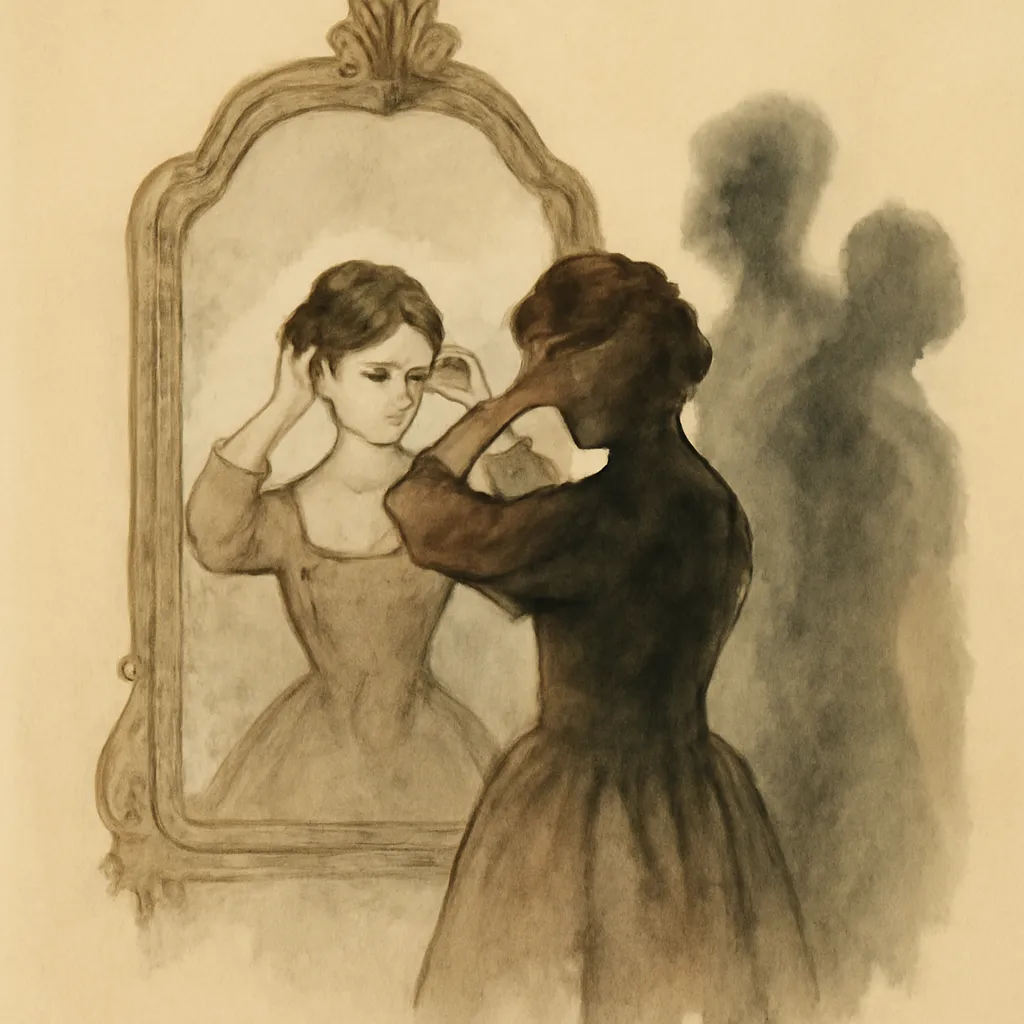
Lady Sara-Louise-Tatiana-Valérie De Treverell embodies a multifaceted character that reflects the complexities of femininity during her era. Described as passionate yet calculating, imperious yet susceptible to control, she is a representation of a woman who is both a product and a rebel against her societal constraints. Her emotional depth and the tension between her desires and her duties as the daughter of the Earl of Garrow illustrate the struggles many women faced in a male-dominated society. Sara's character challenges the reader to consider the constraints placed on women and how these limitations shape their identities and choices. This complexity is not merely for effect; it serves as a critique of the societal norms that dictate a woman's life, highlighting the often-unseen battles they fight within the confines of their roles.
2.The Burden of Love and Sacrifice
Robert Orange's journey is heavily marked by the theme of love intertwined with sacrifice. His relationship with Brigit Parflete is a poignant example of this duality, as Robert grapples with the implications of marrying a woman who embodies both beauty and wealth, yet may not align with his ideals. The narrative delves into the emotional turmoil that comes with such decisions, showcasing the fear of disillusionment that often accompanies the pursuit of romantic happiness. Orange's introspection reveals a deeper philosophical questioning of whether true love can withstand the inevitable disillusionments that arise in domestic life. His reflections serve to highlight the broader human experience of love as a source of both joy and suffering, ultimately leading readers to ponder the sacrifices they make in their own pursuits of happiness.
3.Societal Expectations vs. Personal Desires
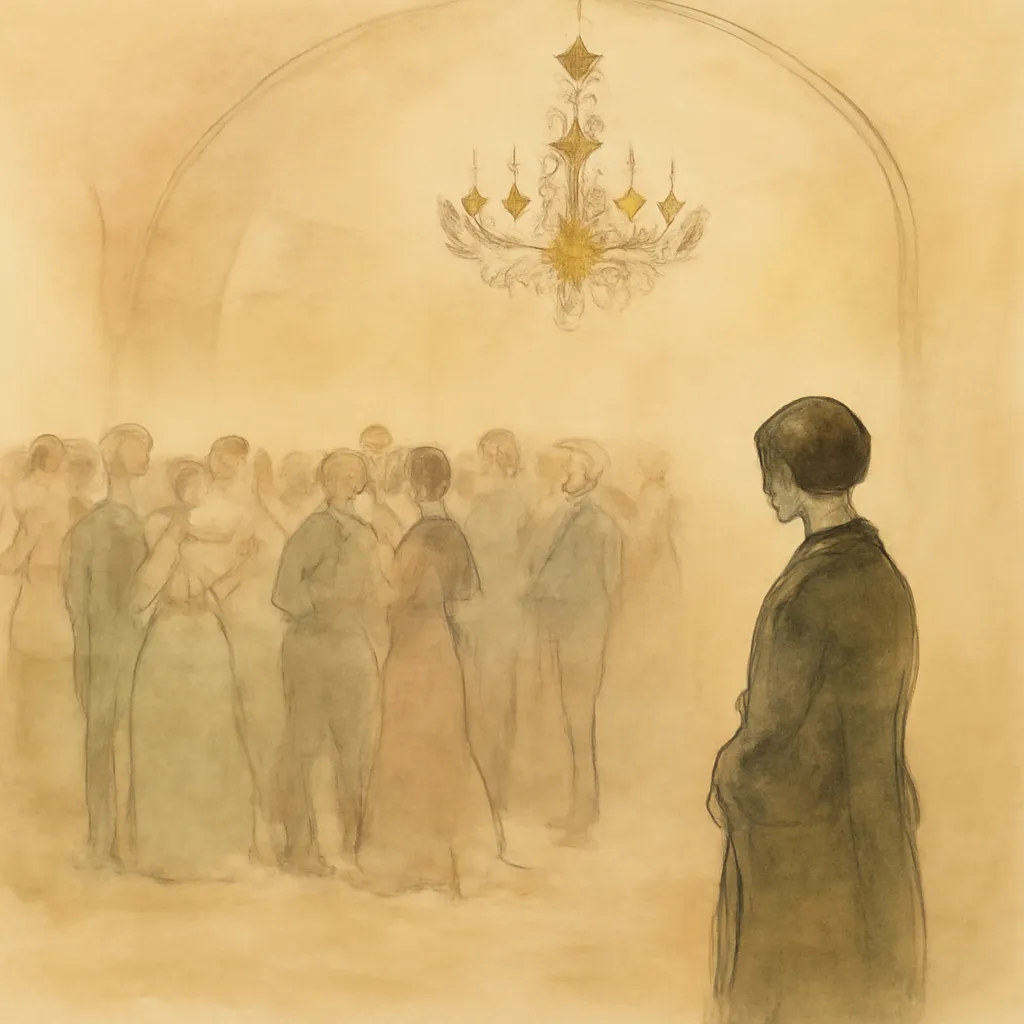
The novel places significant emphasis on the tension between societal expectations and personal desires, particularly through the character of Lord Reckage. His ambitions to lead the 'Bond of Association' illustrate the pressures faced by individuals striving for recognition and power within a rigid social structure. Reckage's internal conflict about marrying Agnes Carillon, despite his feelings for Sara, encapsulates the societal pressures that dictate personal relationships. This theme resonates throughout the narrative, as characters navigate the expectations placed upon them by family, peers, and society at large. The struggle between adhering to societal norms and pursuing personal happiness is a central conflict that drives the plot forward, prompting readers to reflect on their own lives and the expectations they face.
4.The Role of Friendship in Personal Growth
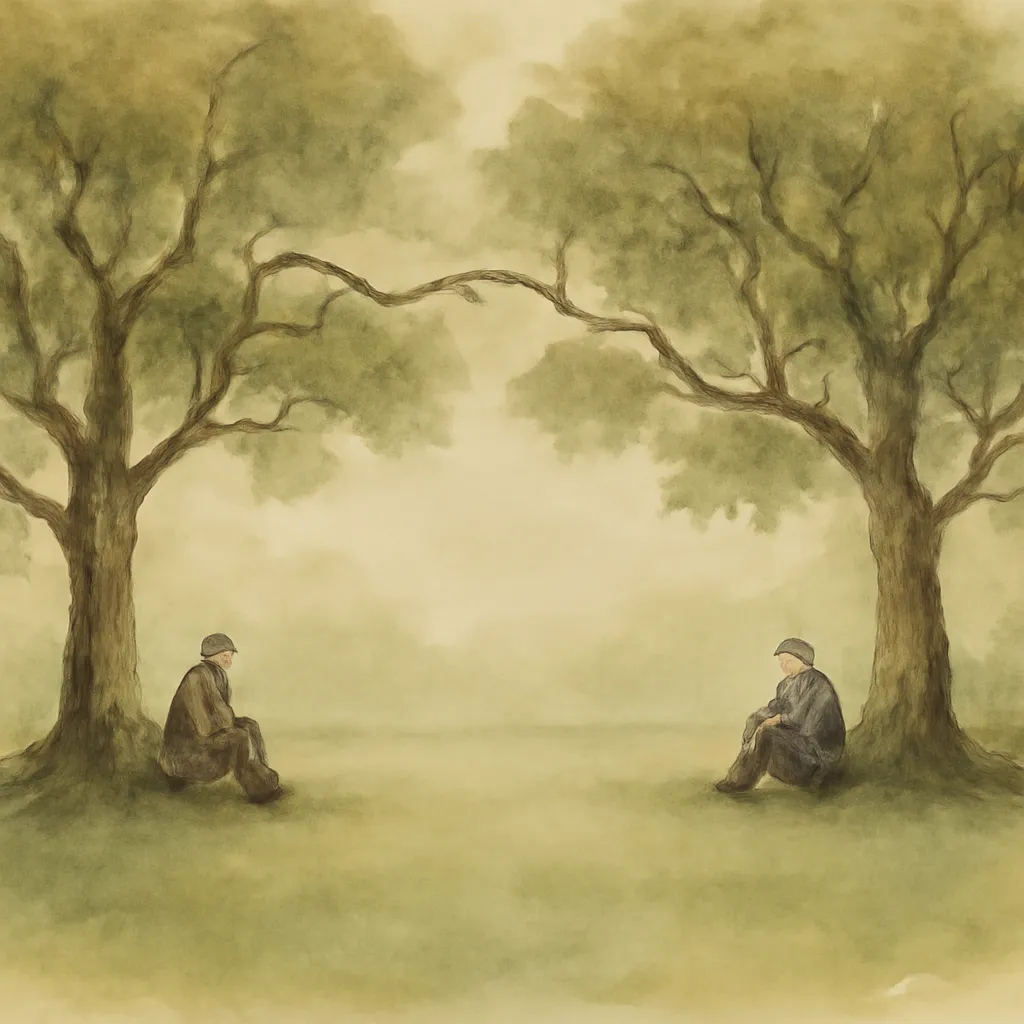
Friendship emerges as a crucial element in Robert Orange's life, particularly in his relationship with Lord Reckage. Their conversations often serve as a sounding board for their fears, ambitions, and uncertainties. This dynamic highlights the importance of camaraderie in navigating life's challenges and the comfort that can be found in shared experiences. The novel illustrates how friendships can provide clarity and support during times of personal turmoil, as well as the potential for jealousy and rivalry to complicate these bonds. Through their interactions, readers witness the transformative power of friendship in shaping one's identity and choices, underscoring the idea that true friends can challenge us to confront our deepest fears and aspirations.
5.Art as a Reflection of Life's Struggles
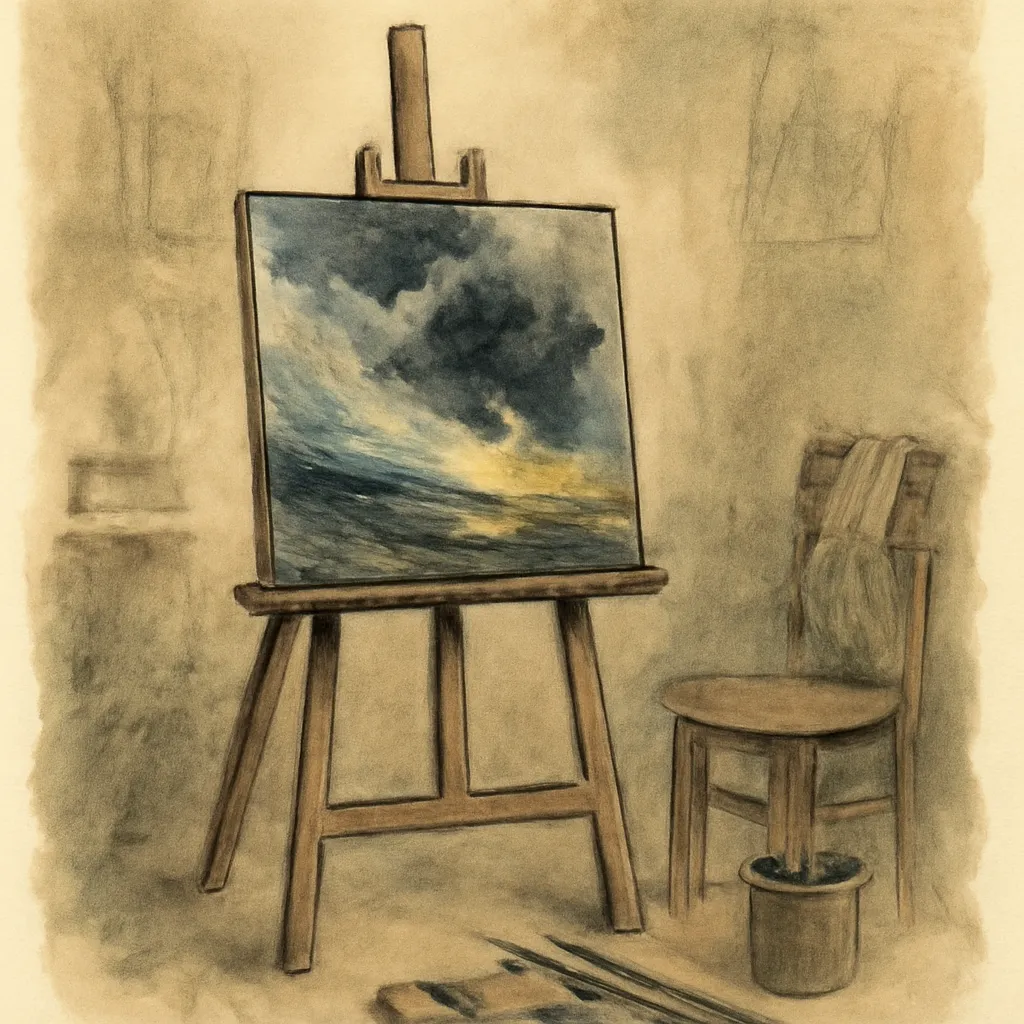
The character of David Rennes, a portrait painter, serves as a lens through which the novel explores the intersection of art and life. Rennes' struggles with his craft and the emotional distance he feels from his own experiences highlight the challenges artists face in capturing the essence of human emotion. His relationship with Agnes Carillon adds another layer to this exploration, as their interactions reveal the complexities of love, ambition, and the pursuit of beauty. The narrative suggests that art is not merely a reflection of reality, but a means of grappling with the deeper truths of existence. Through Rennes, readers are invited to consider how artistic expression can serve as both a sanctuary and a battleground for the soul, illustrating the broader human experience of seeking meaning in life's struggles.
6.The Influence of Class and Status
Class and status play a pivotal role in shaping the characters' interactions and decisions throughout the novel. The various social strata represented by the characters—from the noble Earl of Garrow to the ambitious members of the Mirafloreans—create a rich backdrop for exploring themes of ambition and power dynamics. The societal hierarchy influences not only personal relationships but also the aspirations of the characters, as they navigate the complexities of love and ambition within the constraints of their social standing. Robert Orange's own background as a member of the aristocracy complicates his relationships with those of different classes, particularly with Brigit Parflete, whose wealth and status create a tension that underscores the novel's exploration of social mobility. This theme prompts readers to reflect on the enduring impact of class on individual identity and the pursuit of happiness.
7.The Quest for Identity and Belonging
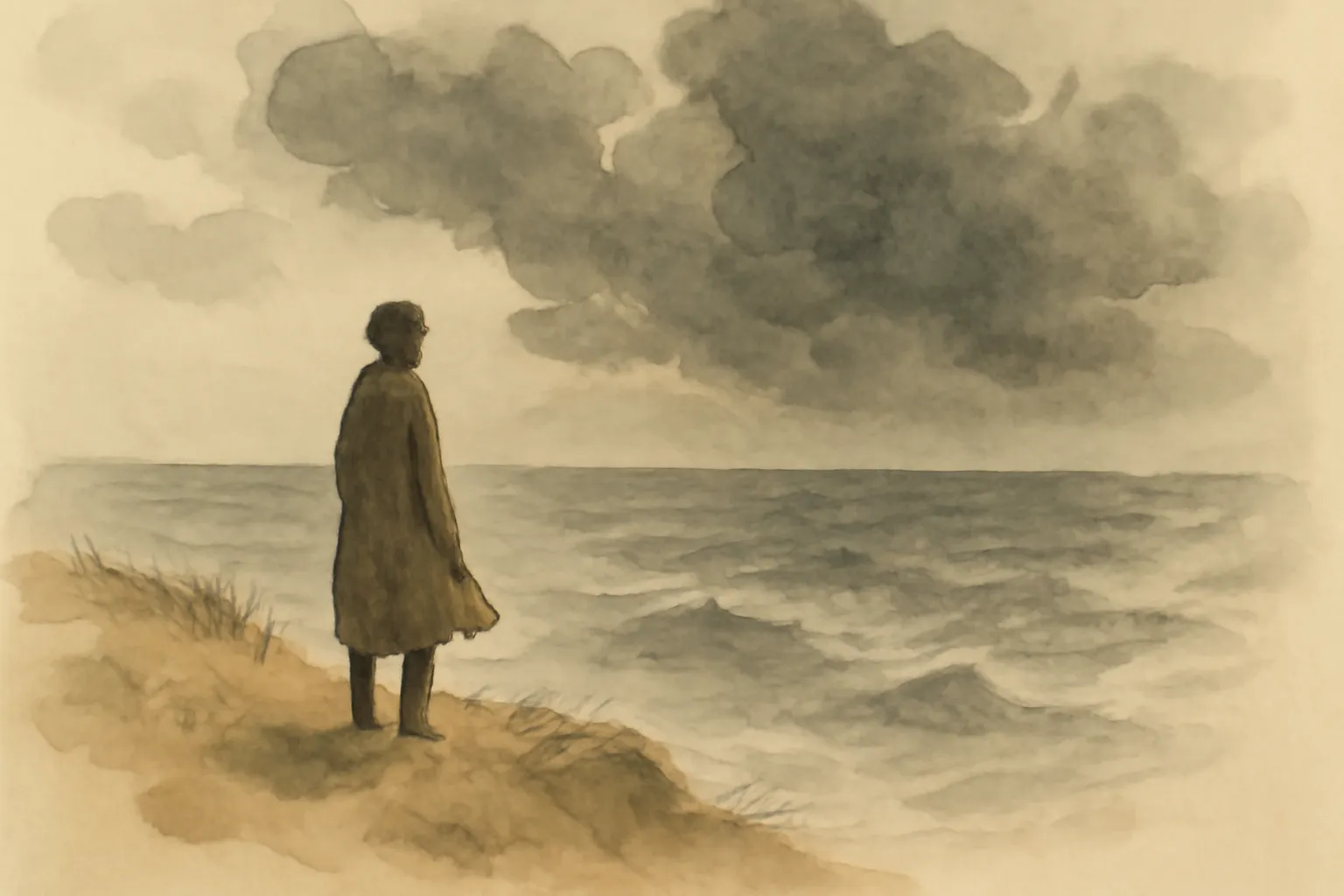
At its core, the novel is a profound exploration of identity and the quest for belonging. Robert Orange's journey is marked by his struggle to reconcile his ambitions with his emotional desires, leading him to question the very essence of his identity. The narrative delves into the idea that one's sense of self is often shaped by relationships, societal expectations, and personal choices. As Robert navigates his relationships with Sara, Brigit, and Reckage, he confronts the complexities of loyalty, love, and personal ambition. This quest for identity resonates deeply, as it mirrors the universal human experience of seeking connection and understanding in a world that often feels isolating. Through Robert's journey, readers are invited to reflect on their own paths to self-discovery and the factors that shape their identities.
8.The Weight of Regret
Regret emerges as a powerful theme within the narrative, particularly in the lives of characters like Lord Reckage and Robert Orange. Their reflections on missed opportunities and the choices that haunt them underscore the emotional weight of regret in shaping one's life. The novel illustrates how the specter of what might have been can linger, influencing current decisions and relationships. This exploration of regret serves as a cautionary tale, prompting readers to consider the importance of making choices that align with their true desires rather than succumbing to societal pressures. The characters' struggles with regret highlight the fragility of happiness and the complexity of human emotions, inviting readers to reflect on their own experiences of loss and longing.
9.Faith and Spirituality as Guiding Forces
The theme of faith and spirituality is intricately woven throughout the narrative, particularly in Robert Orange's journey. His Catholic faith serves as a guiding force, influencing his decisions and shaping his understanding of love and sacrifice. The narrative raises profound questions about the role of faith in navigating life's challenges, suggesting that spiritual beliefs can provide solace and clarity amidst turmoil. Robert's introspection reveals a deep connection between his faith and his quest for happiness, illustrating how spirituality can inform one's sense of purpose and belonging. This exploration of faith invites readers to consider their own beliefs and the ways in which spirituality can shape their understanding of love, sacrifice, and personal fulfillment.
10.The Nature of Happiness
Ultimately, 'Robert Orange' challenges readers to grapple with the nature of happiness and the sacrifices often required to attain it. Through the experiences of Robert and the other characters, the narrative suggests that true happiness is rarely straightforward; it is often intertwined with pain, sacrifice, and the complexities of human relationships. The story provokes thought about the societal pressures that dictate what happiness should look like and the personal choices that can lead to fulfillment. As Robert navigates his tumultuous journey, readers are encouraged to reflect on their own definitions of happiness and the sacrifices they are willing to make in pursuit of it. The exploration of happiness serves as a poignant reminder of the intricacies of the human experience and the enduring quest for joy amidst life's challenges.