1.The Call of Adventure
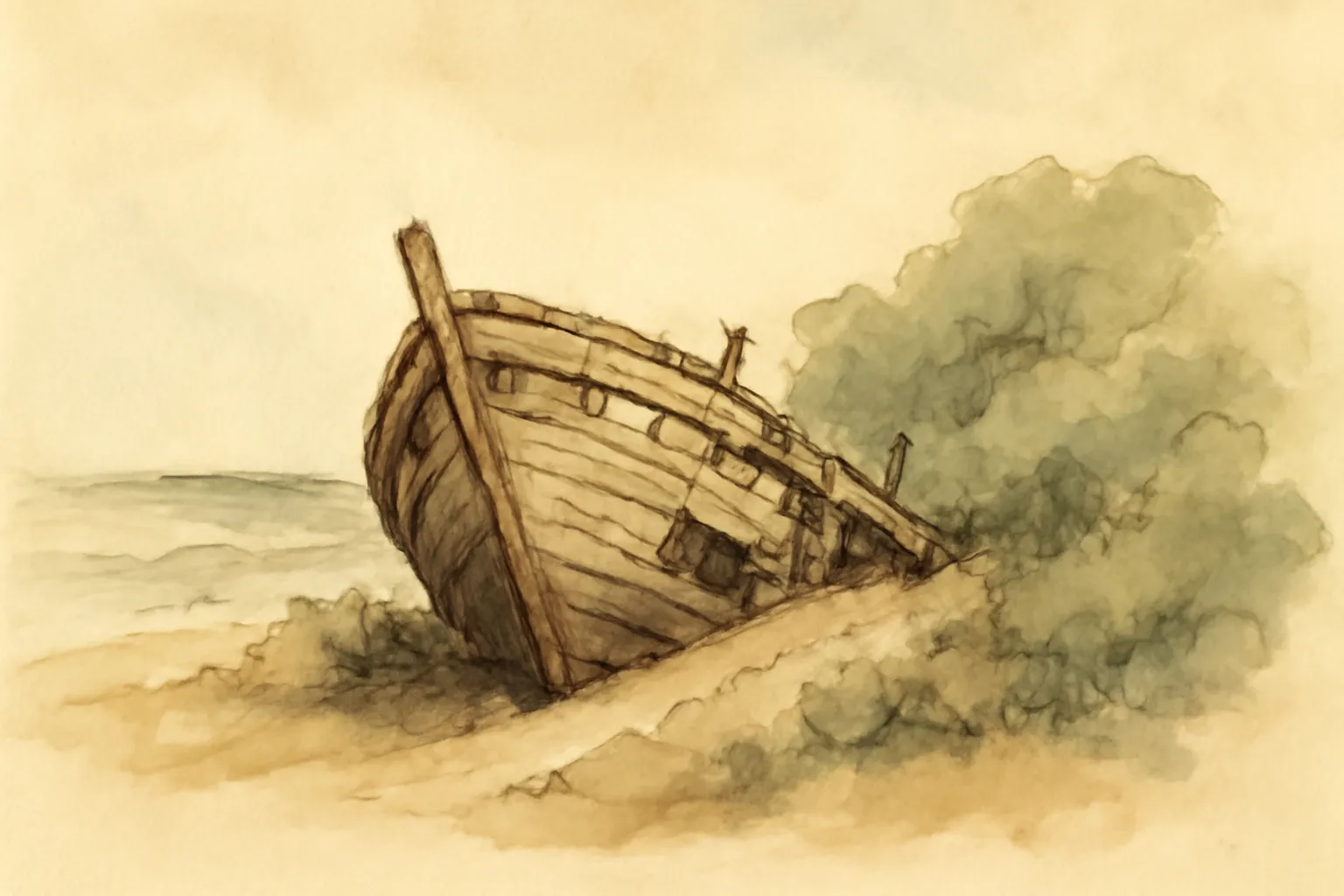
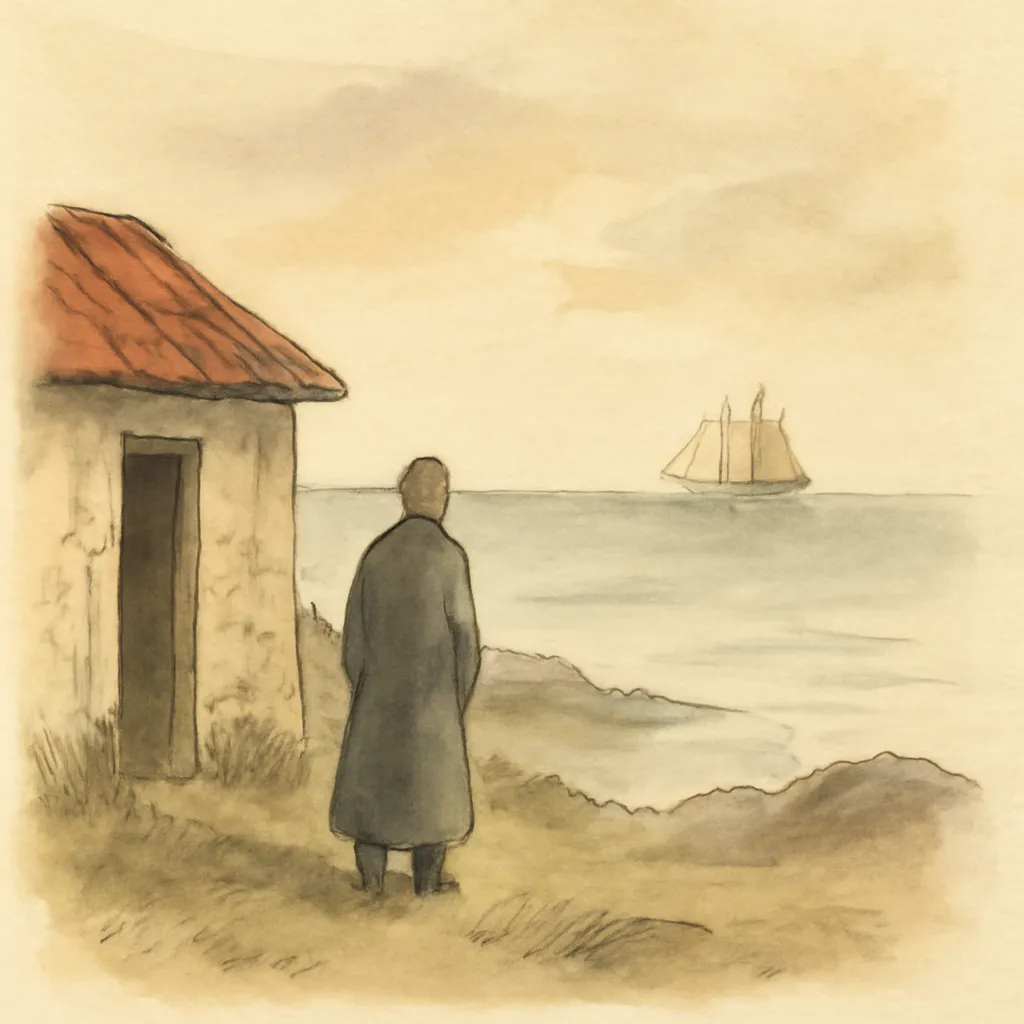
Crusoe's journey begins with a restless spirit, deeply dissatisfied with his life in England. Despite his father's warnings and the prospects of a comfortable life, Crusoe feels an overwhelming urge to seek adventure and fortune at sea. This impulse leads him to embark on a voyage that ultimately results in his shipwreck. The initial chapters highlight the tension between societal expectations and personal desires, showcasing how Crusoe's yearning for excitement blinds him to the potential dangers that lie ahead. This theme resonates with anyone who has felt the pull of adventure, reminding us that the pursuit of dreams often comes with unforeseen consequences.
2.The Consequences of Recklessness
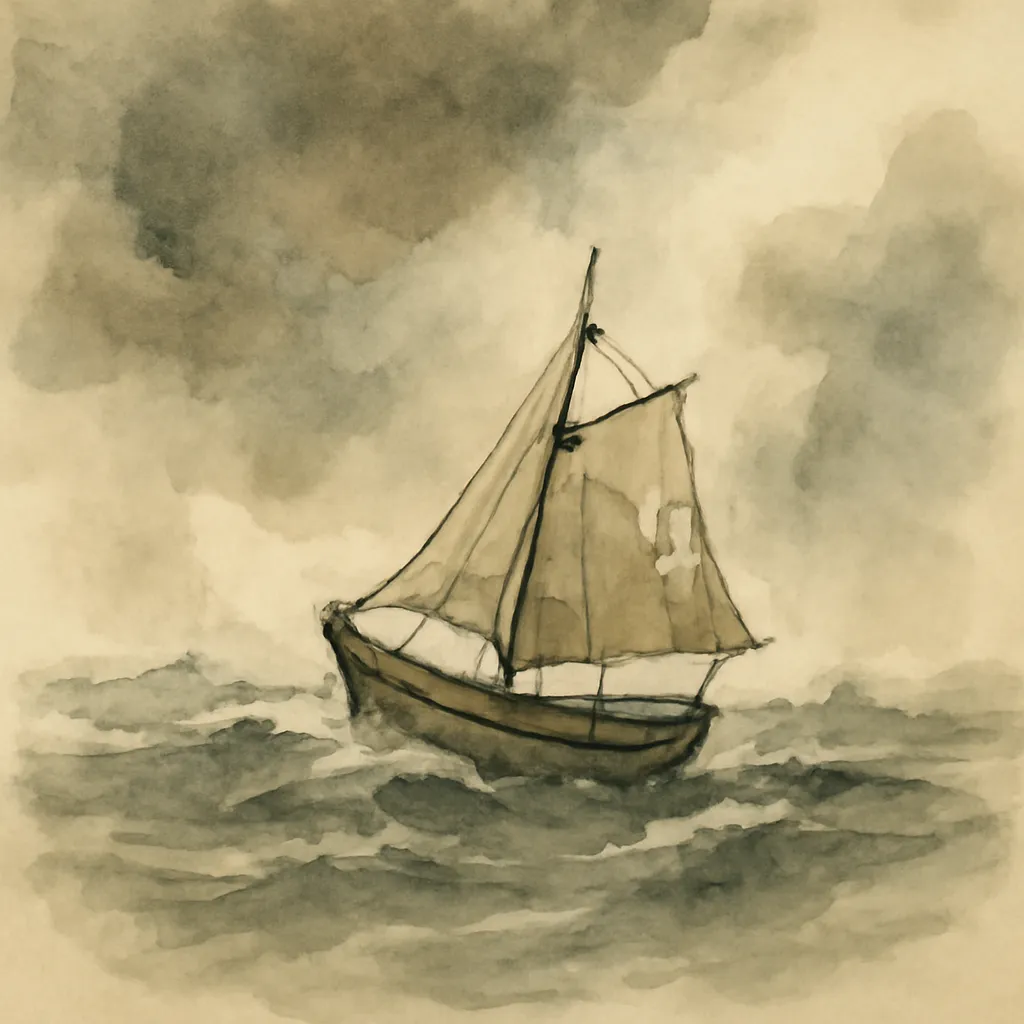
Crusoe's decision to leave his family's security behind is marked by a series of misfortunes. His initial adventures in Africa expose him to slavery, and he finds himself captured and sold into servitude. This period of his life serves as a stark reminder of the risks associated with his impulsive choices. Defoe uses Crusoe's experiences to explore themes of fate and divine providence, suggesting that the universe may have a hand in guiding our paths. This reckoning with one's choices is a crucial element of the narrative, as it forces Crusoe to confront the repercussions of his actions and the lessons he must learn to survive.
3.Survival as a Journey of Self-Discovery
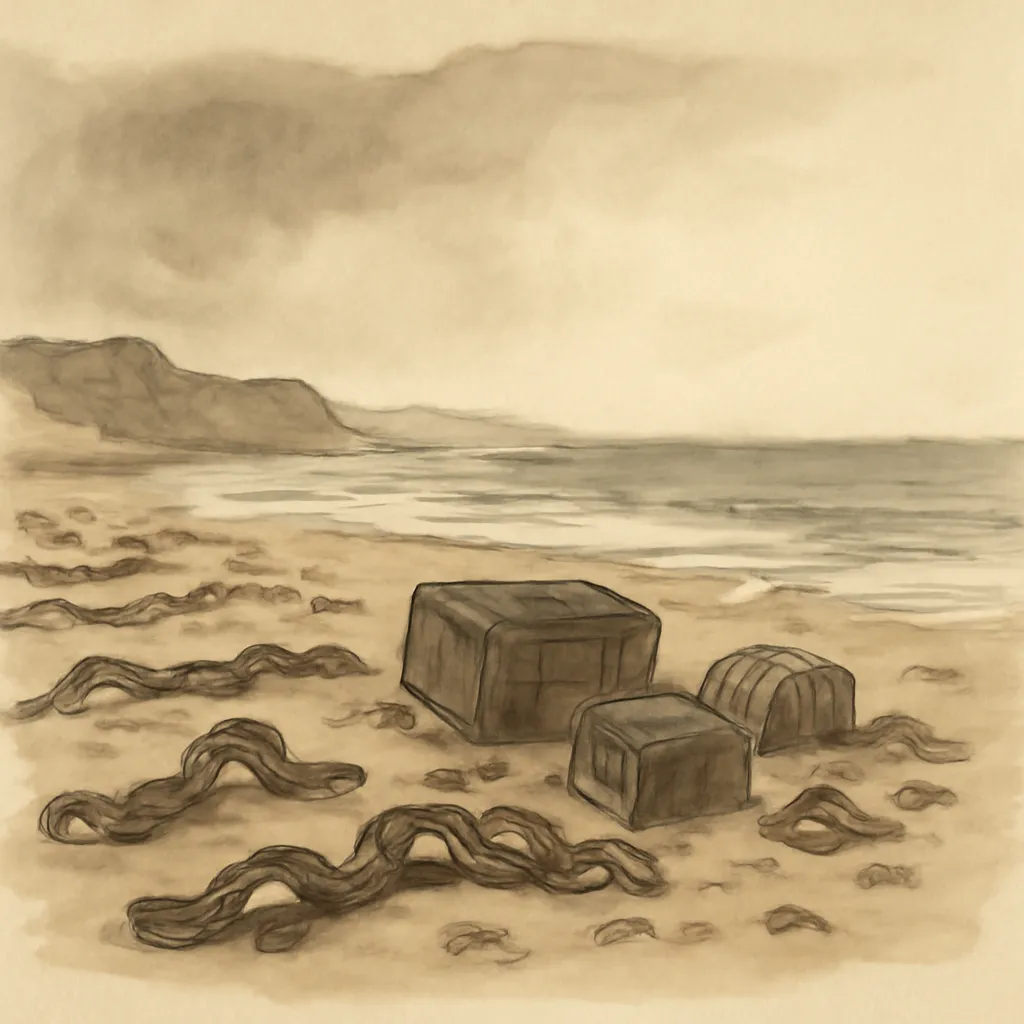
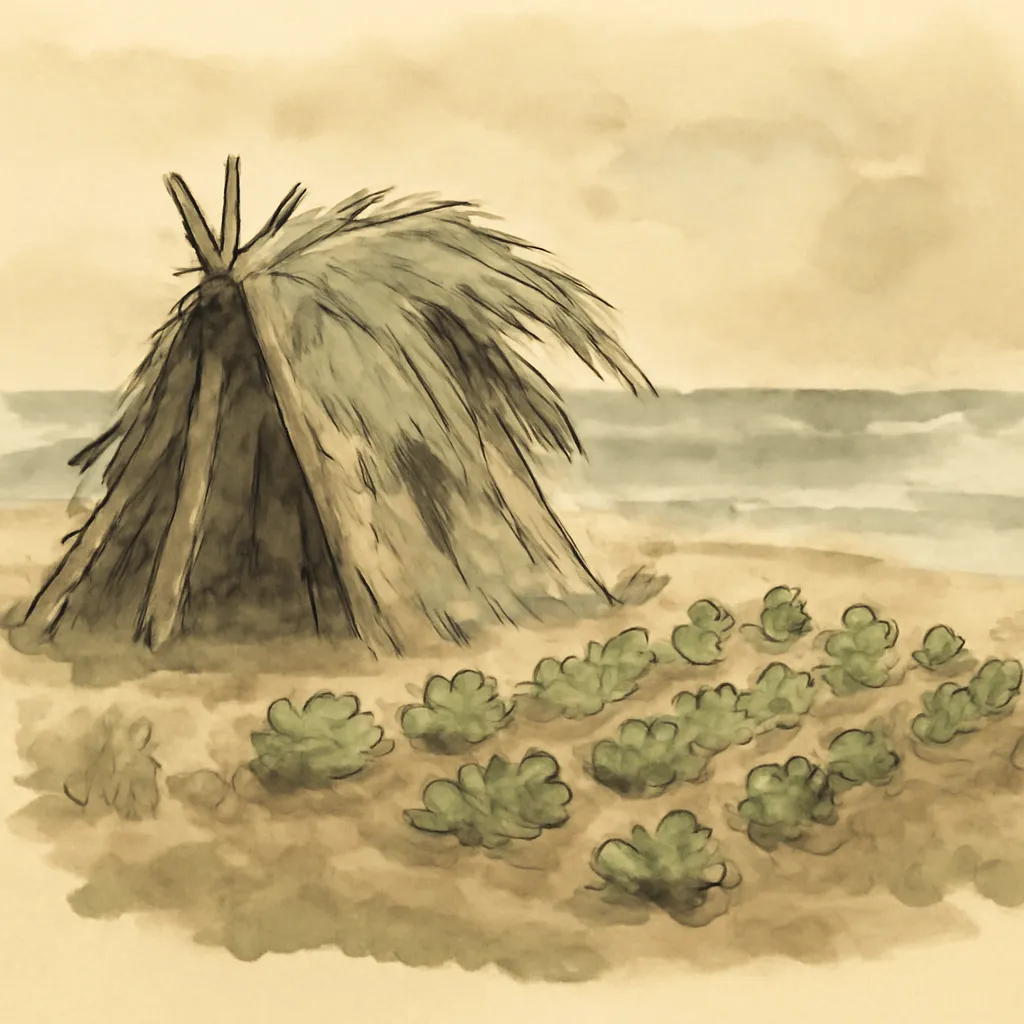
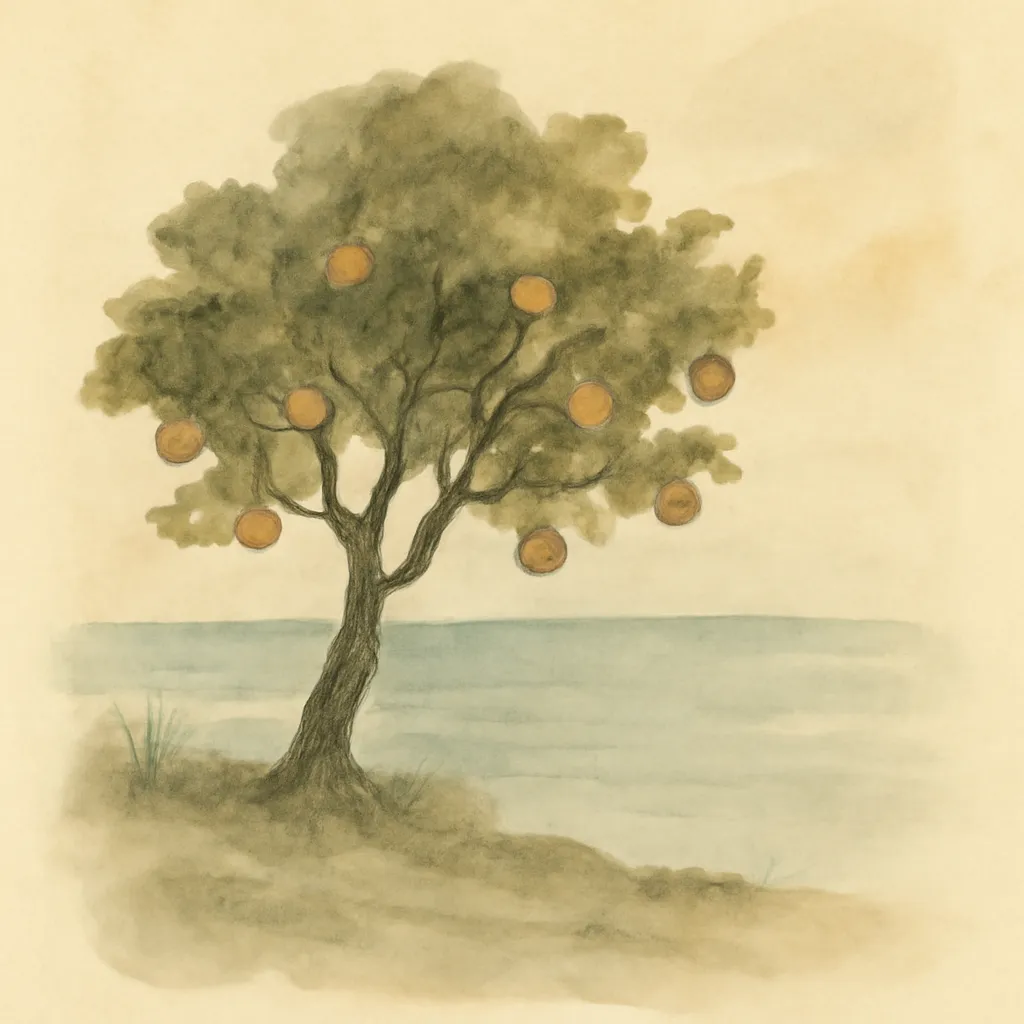
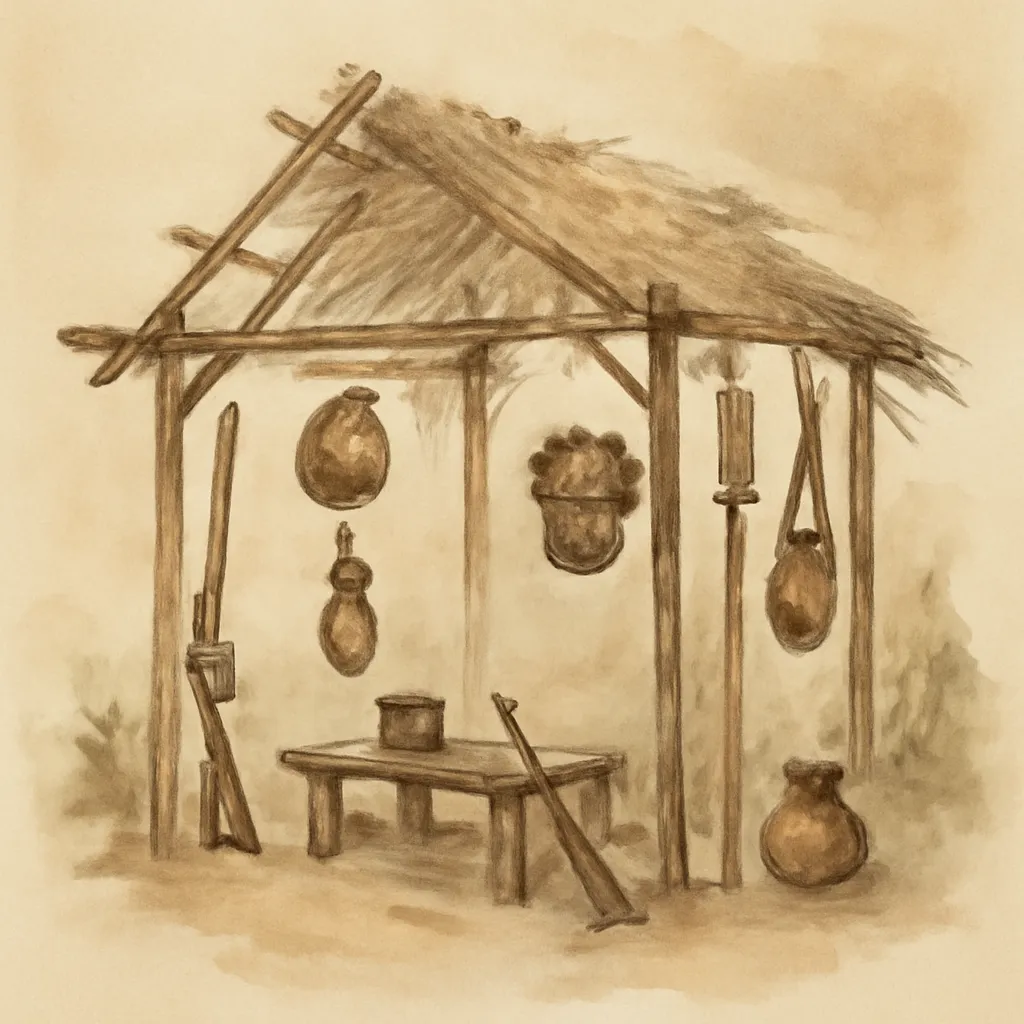
After being shipwrecked, Crusoe's immediate concern shifts to survival. Stranded on a deserted island, he must learn to fend for himself, leading to a profound journey of self-discovery. Defoe intricately details Crusoe's resourcefulness as he builds shelter, finds food, and creates tools. This process highlights the importance of adaptability and ingenuity in the face of adversity. Crusoe's reliance on his own skills transforms him from a passive adventurer into an active participant in his fate. As he learns to cultivate the land and raise livestock, he also discovers a sense of purpose and fulfillment that he never found in his previous life.
4.Isolation and the Human Condition
Crusoe's isolation on the island forces him to confront his inner thoughts and beliefs. Defoe delves into the psychological impact of solitude, illustrating how it can lead to both despair and introspection. Crusoe grapples with loneliness, reflecting on his past decisions and the relationships he left behind. This theme resonates with the human experience, as it underscores the importance of connection and the ways in which isolation can lead to personal growth. Crusoe's solitary existence prompts profound philosophical questions about identity, existence, and the nature of happiness, making the narrative not just a tale of survival, but a meditation on what it means to be human.
5.Faith and Providence
Throughout his time on the island, Crusoe's faith plays a pivotal role in his survival and mental well-being. He often turns to God for strength and guidance, and his reflections on faith provide a spiritual dimension to the story. Defoe portrays Crusoe's evolving relationship with religion, highlighting moments of doubt and reaffirmation. This exploration of faith emphasizes the idea that belief can offer solace in times of crisis, serving as a source of resilience. Crusoe’s reliance on divine providence becomes a crucial aspect of his character, as he learns to interpret the challenges he faces as tests of his faith and opportunities for growth.
6.The Importance of Labor and Industry
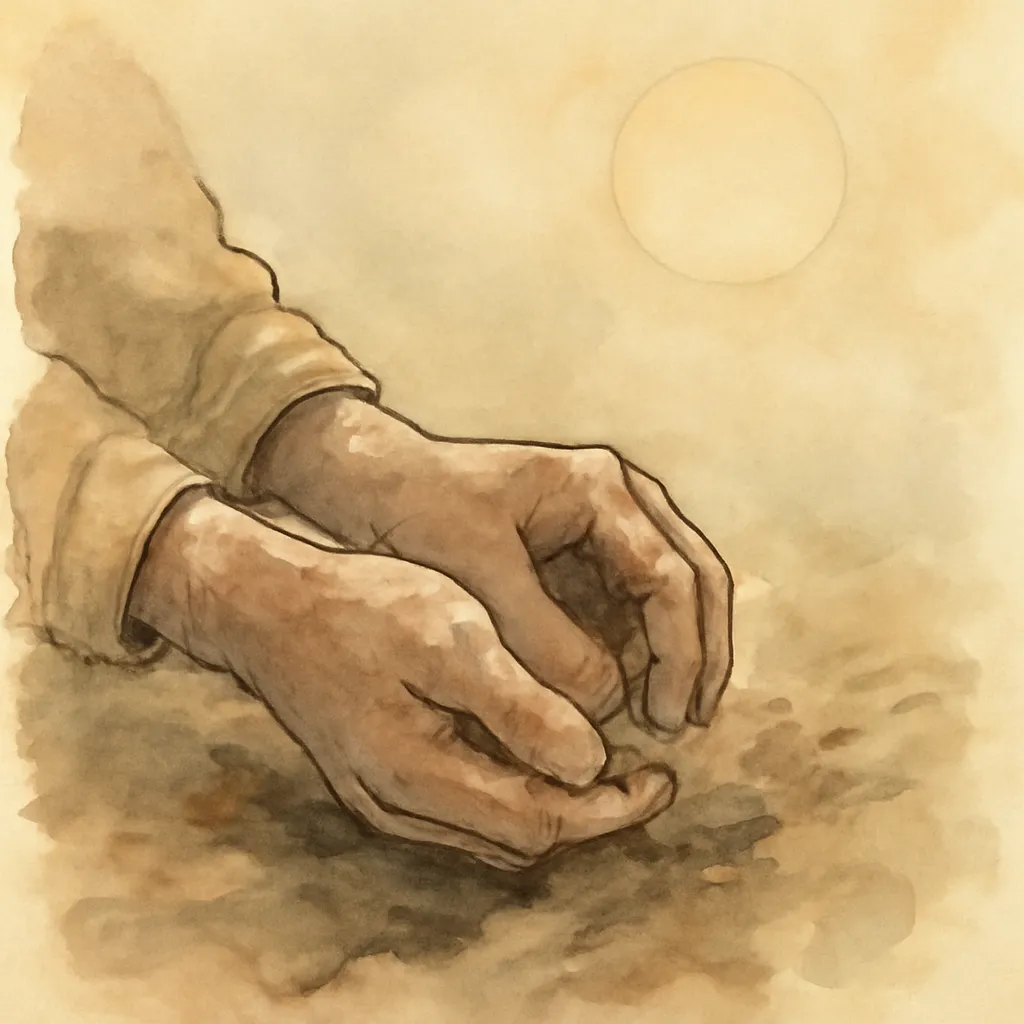
As Crusoe establishes his life on the island, the value of hard work becomes evident. Defoe meticulously details Crusoe's daily routines, from farming to hunting, illustrating how labor not only sustains him physically but also mentally. This emphasis on industriousness reflects the broader Enlightenment ideals of self-sufficiency and the dignity of labor. Crusoe's transformation into a skilled craftsman and farmer showcases the power of human effort in overcoming obstacles. Through his labor, he finds a sense of accomplishment and contentment that transcends his previous pursuits of wealth and status, reinforcing the notion that fulfillment often comes from dedication and perseverance.
7.The Role of Companionship
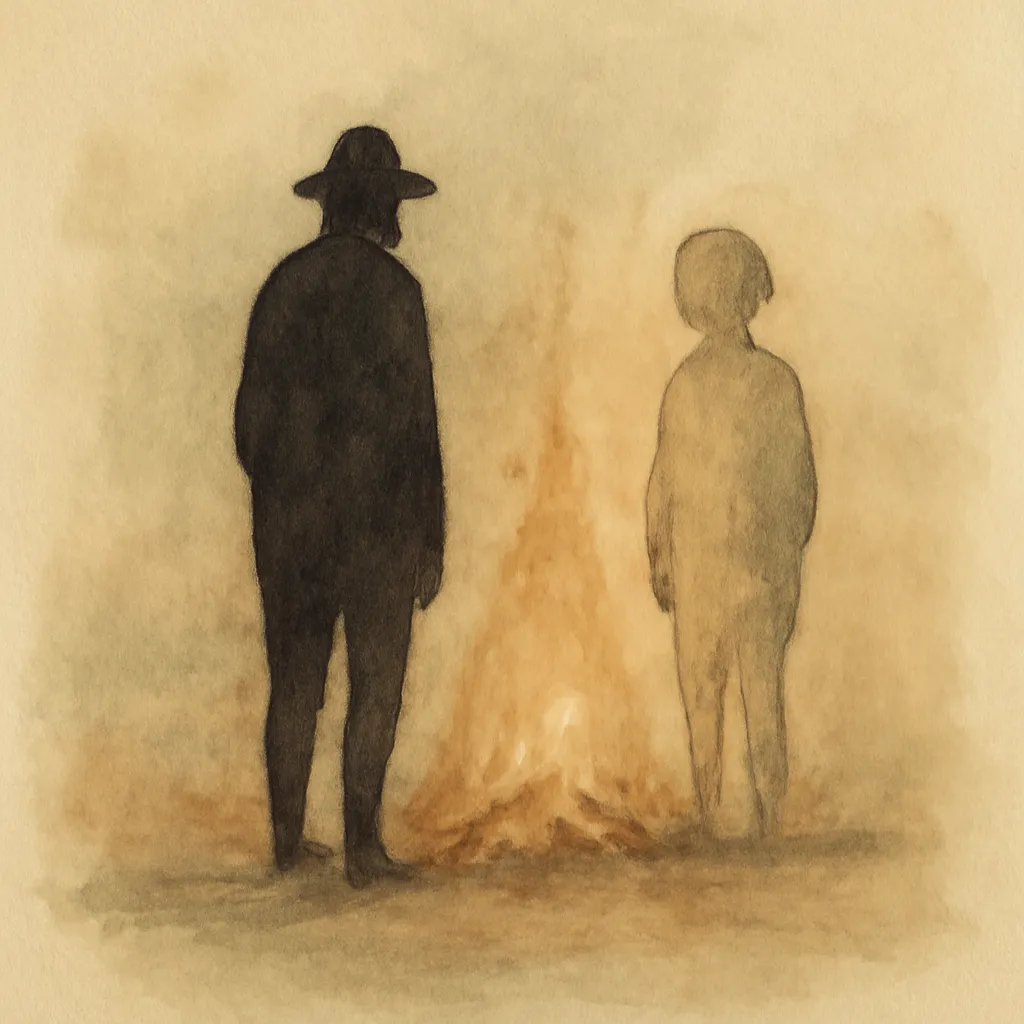
Crusoe's solitary existence is challenged by the arrival of Friday, a character who transforms his experience on the island. Their relationship evolves from master and servant to one of mutual respect and companionship. Defoe uses this dynamic to explore themes of friendship, loyalty, and the human need for connection. Friday's presence not only alleviates Crusoe's loneliness but also forces him to confront his own prejudices and assumptions. Through their interactions, Crusoe learns the value of collaboration and the importance of shared experiences in fostering understanding and compassion. This development highlights that while solitude can lead to self-discovery, companionship enriches the human experience.
8.Cultural Encounters and Colonialism
The interactions between Crusoe and Friday also serve as a commentary on colonialism and cultural encounters. Crusoe's initial perception of Friday as a 'savage' reflects the prejudices of his time, yet their relationship evolves into one of partnership. Defoe subtly critiques the colonial mindset, showcasing the potential for mutual respect and understanding across cultures. This aspect of the narrative invites readers to reflect on the complexities of cultural encounters and the lessons that can be learned from embracing diversity. Crusoe's journey with Friday underscores the idea that true civilization is not merely about dominance but about recognition and respect for others.
9.The Quest for Civilization
Crusoe's experience on the island ultimately leads him to contemplate civilization and what it means to be part of a community. After years of isolation, his desire to return to society becomes a driving force in the narrative. Defoe contrasts the simplicity of Crusoe's life on the island with the complexities of societal norms and expectations. This tension raises questions about the nature of civilization: is it inherently beneficial, or does it come with its own set of challenges and moral dilemmas? Crusoe's longing for the company of others reveals the paradox of human existence—the desire for both solitude and connection, freedom and structure.
10.Redemption and Return
As Crusoe's journey comes full circle, his eventual rescue and return to England symbolize a form of redemption. After years of hardship and self-discovery, he returns to a world that has changed, much like himself. Defoe illustrates the concept of home as not just a physical place but a state of being shaped by experiences. Crusoe's reflections upon his return reveal a deeper understanding of life, purpose, and the impact of his adventures. His transformation from a reckless youth to a wise, introspective man serves as a testament to the power of resilience and the human capacity for growth. This conclusion invites readers to consider their own journeys and the lessons learned along the way.