1.The Nature of Greatness in History
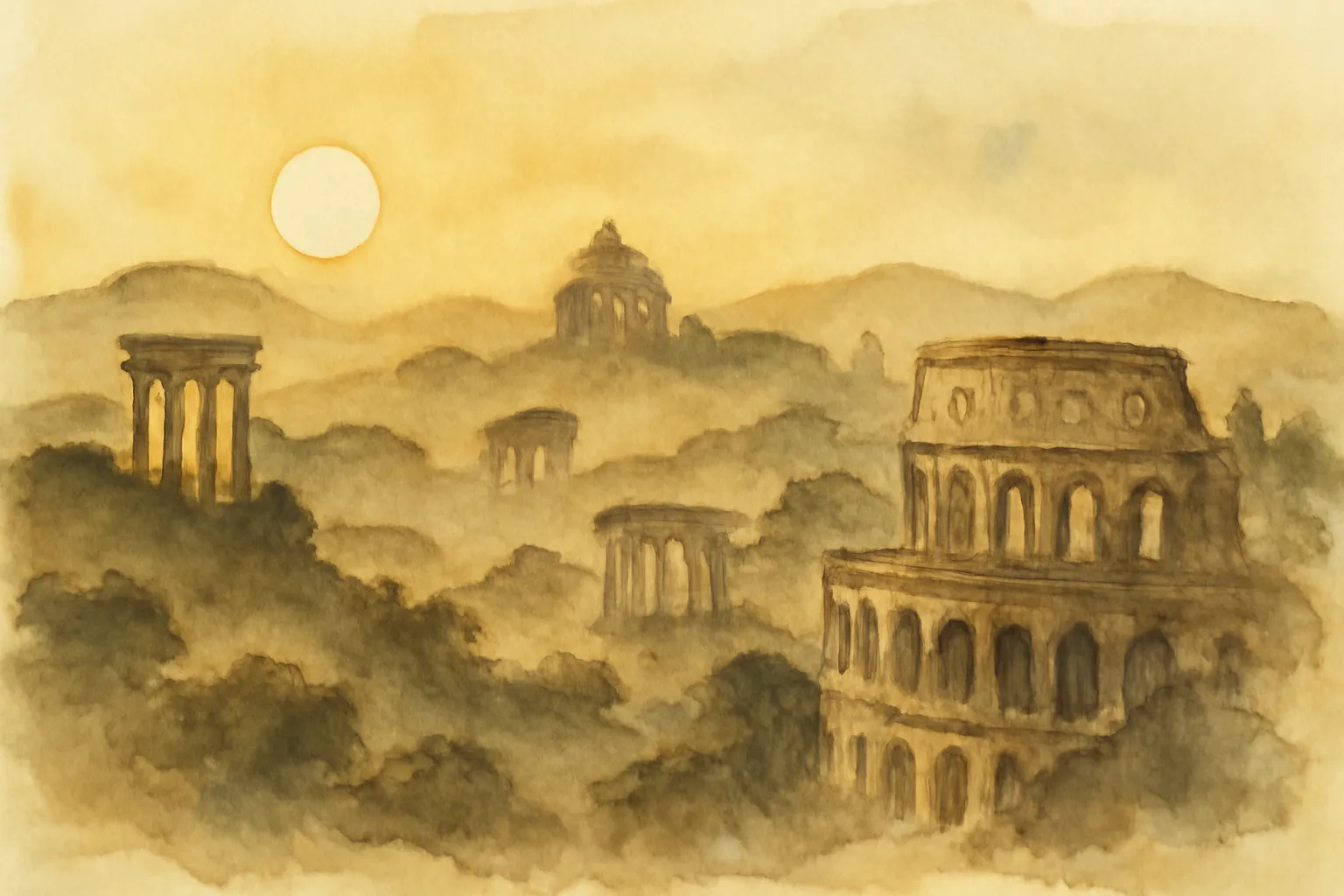
Abbott distinguishes between two types of historical figures: those who achieve greatness through extraordinary deeds and those who are remembered for the lasting consequences of their actions. Romulus exemplifies the latter; while many have founded cities, his became the most powerful in history. The greatness attributed to Romulus is not merely based on his acts but on the monumental legacy of Rome itself, which rose to dominate much of the world. This perspective invites readers to reconsider how we evaluate historical figures and the complexities of their legacies, suggesting that the impact of one's actions may overshadow the actions themselves. Through Romulus, we see how a single founding figure can shape a civilization's identity, values, and destiny, influencing countless generations that followed.
2.Cadmus and the Origins of Writing
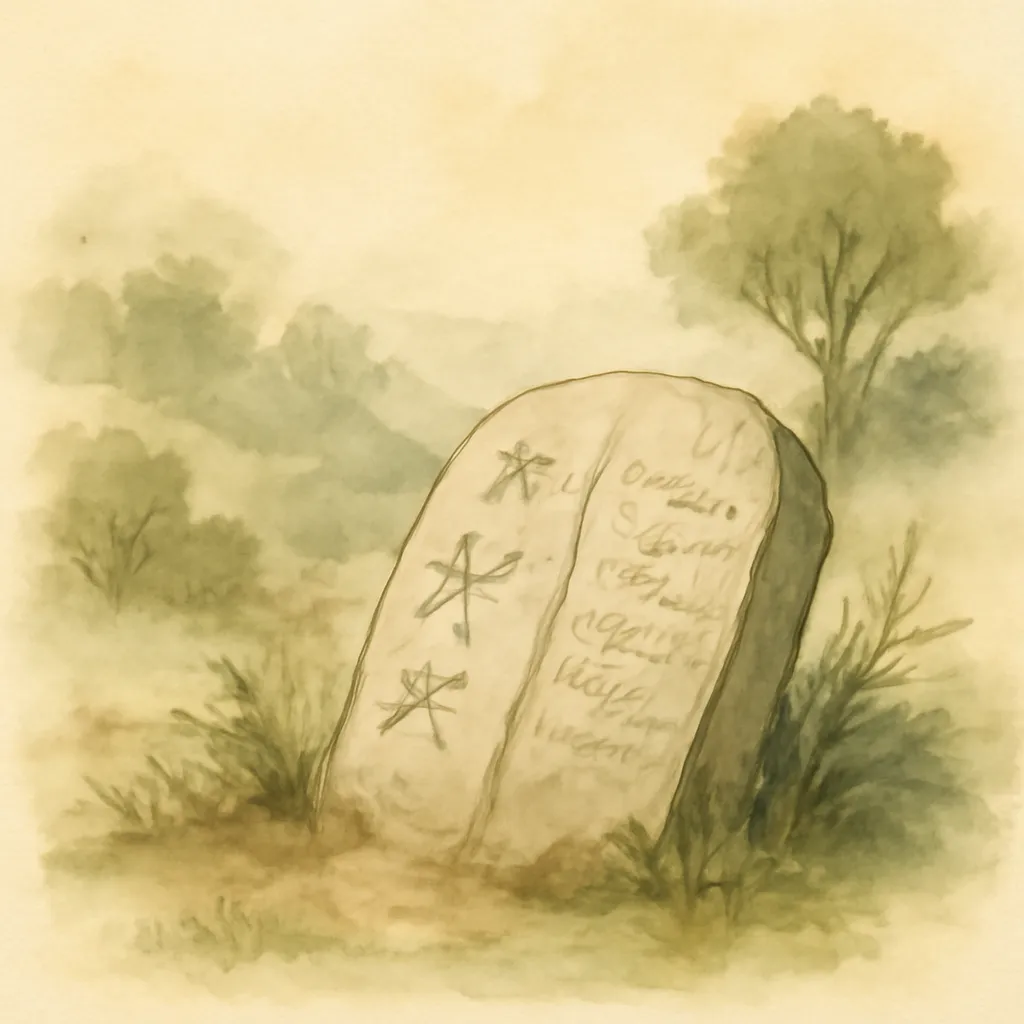
The story of Cadmus serves as a pivotal moment in the narrative, representing the introduction of writing to civilization. Abbott contrasts two modes of writing: symbolical and phonetic, highlighting the evolution of communication from primitive symbols to a more sophisticated alphabet. Cadmus's alphabet, which faced significant challenges during its introduction, illustrates the transformative power of written language in preserving history and culture. The development of writing enabled societies to document their experiences, beliefs, and achievements, fundamentally changing the way knowledge was transmitted through generations. This exploration of writing's origins emphasizes its critical role in shaping human civilization and the way stories, such as those of Rome, are recorded and remembered. The act of writing, as depicted, becomes a tool for shaping identity, enabling societies to convey their narratives, values, and histories across time.
3.The Epic Tale of Æneas
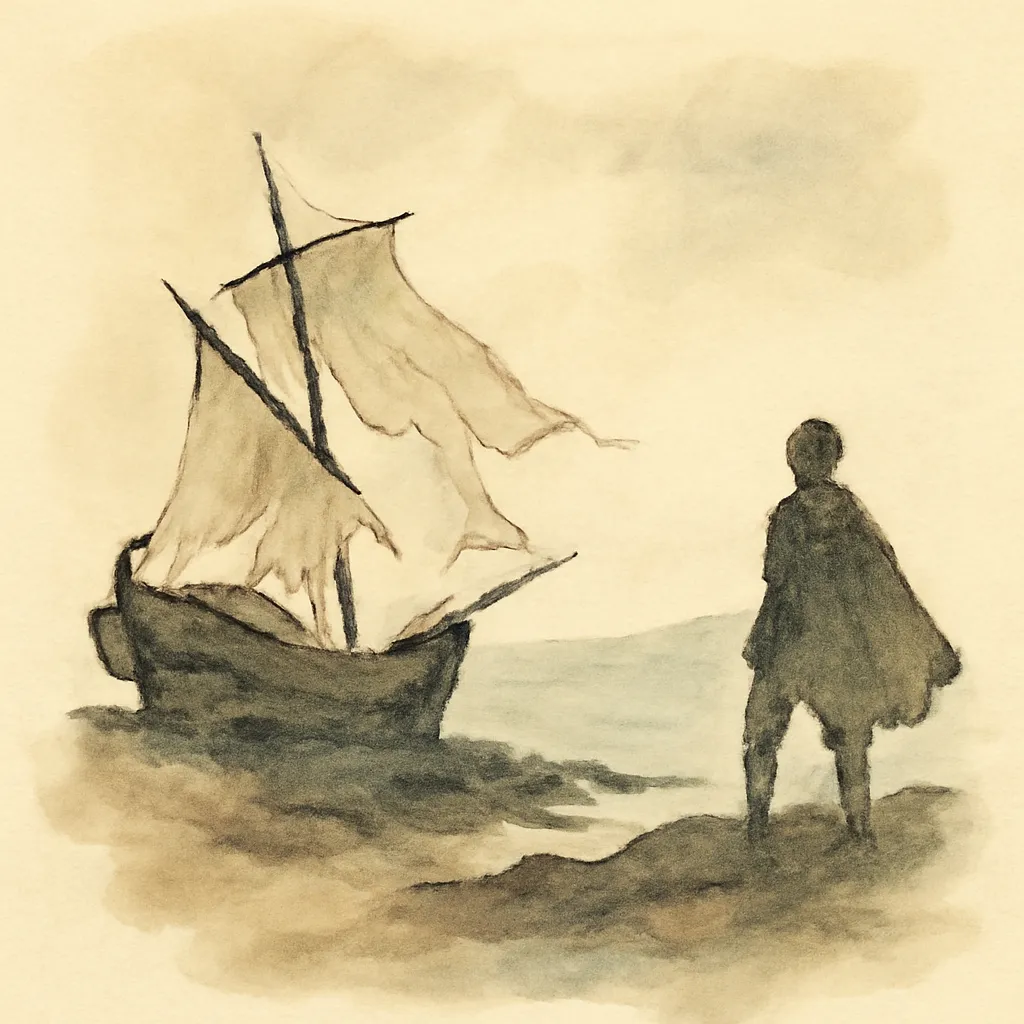
Abbott narrates the legendary journey of Æneas, the Trojan hero and ancestor of Romulus, whose story is woven into the fabric of Roman identity. The destruction of Troy and Æneas's subsequent wanderings are not just tales of adventure; they symbolize the trials and tribulations faced by those seeking a new home. Æneas's character, shaped by divine intervention and personal sacrifice, reflects the values of duty and perseverance that would later define Roman culture. His journey, marked by encounters with gods and mythical creatures, underscores the blend of myth and history that characterizes Rome's origins. The hardships Æneas endures and the alliances he forms highlight themes of resilience, loyalty, and the quest for belonging, inviting readers to see how these elements resonate within their own narratives of migration and identity.
4.The Fall of Troy and Its Consequences
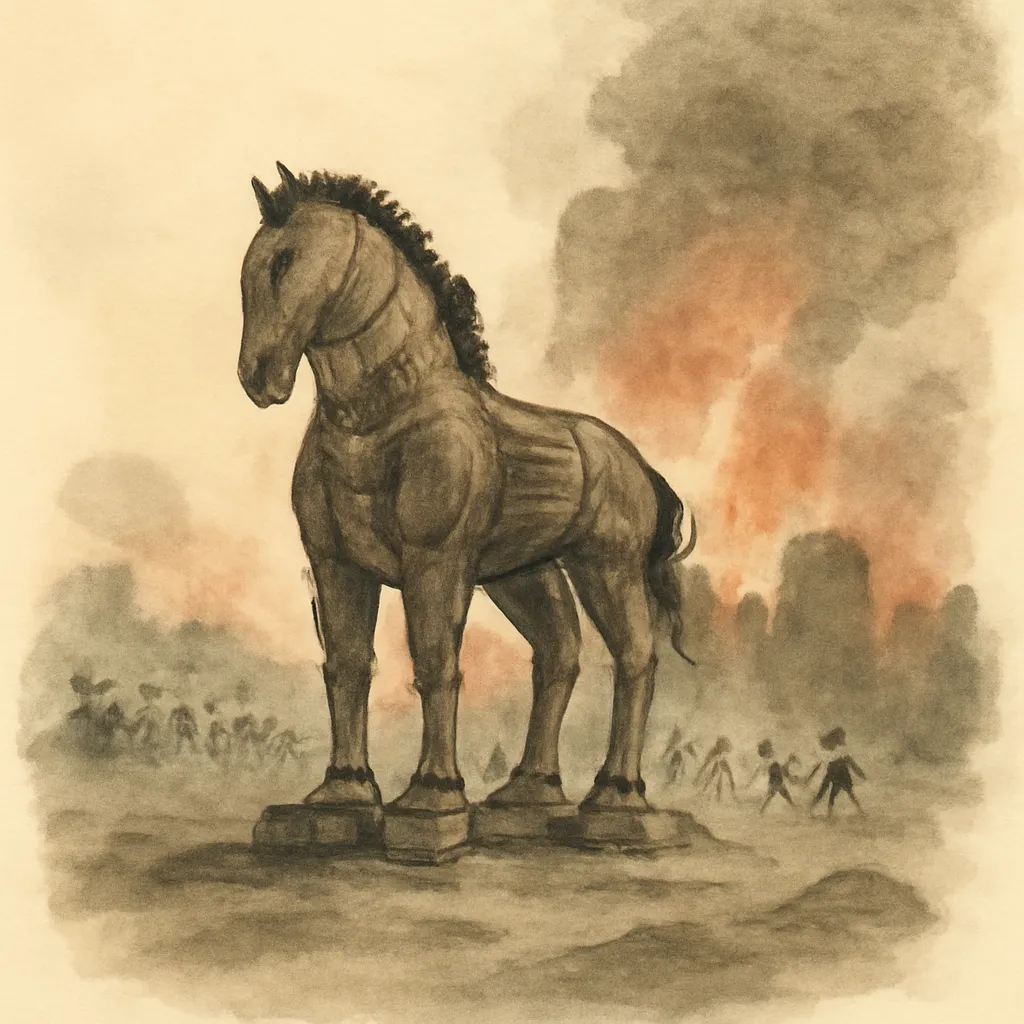
The fall of Troy, depicted through vivid accounts of the wooden horse and the ensuing chaos, is a critical event that sets the stage for Æneas's journey. Abbott captures the suspense and tragedy of this moment, illustrating the desperation of the Trojans and the cunning of the Greeks. The tale of Sinon and the wooden horse not only highlights themes of deception and betrayal but also serves as a powerful metaphor for the destruction of one civilization and the birth of another. The aftermath of Troy's fall leads to Æneas's fateful voyage, emphasizing how loss can pave the way for new beginnings. This narrative thread invites readers to reflect on the cyclical nature of history and the idea that from destruction can come renewal. The destruction of Troy symbolizes the fragility of human achievements and the unpredictable nature of fate, underscoring how even the mightiest of cities can fall and give rise to new stories and civilizations.
5.The Landing in Latium: A New Home
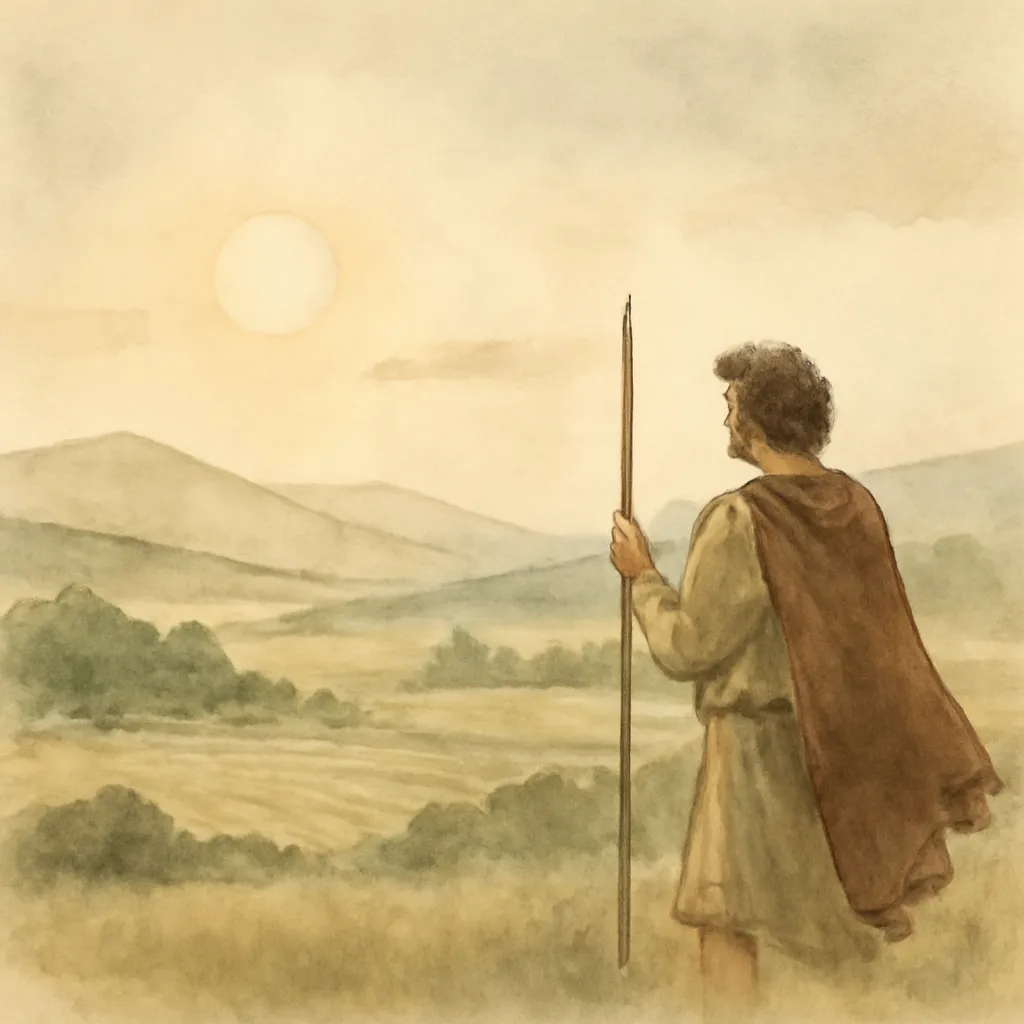
Æneas's arrival in Latium marks a significant turning point in the narrative, as he seeks to establish a new homeland for his people. Abbott describes the landscape of ancient Italy, contrasting it with the bustling civilization that would later emerge. The interactions with King Latinus and the proposal of marriage to Lavinia illustrate the political and social dynamics of forming alliances in this new territory. The tension between Æneas and Turnus, who vies for Lavinia's hand, introduces conflict that foreshadows the challenges of uniting disparate groups. This section emphasizes the importance of diplomacy and the role of marriage in solidifying power, reflecting how personal relationships can intertwine with political ambitions in the foundation of a nation. The struggles Æneas faces in gaining acceptance among the Latins reflect broader themes of integration and conflict in the formation of a new social order, illustrating the complexities and nuances of nation-building.
6.Rhea Silvia and the Vestal Virgins
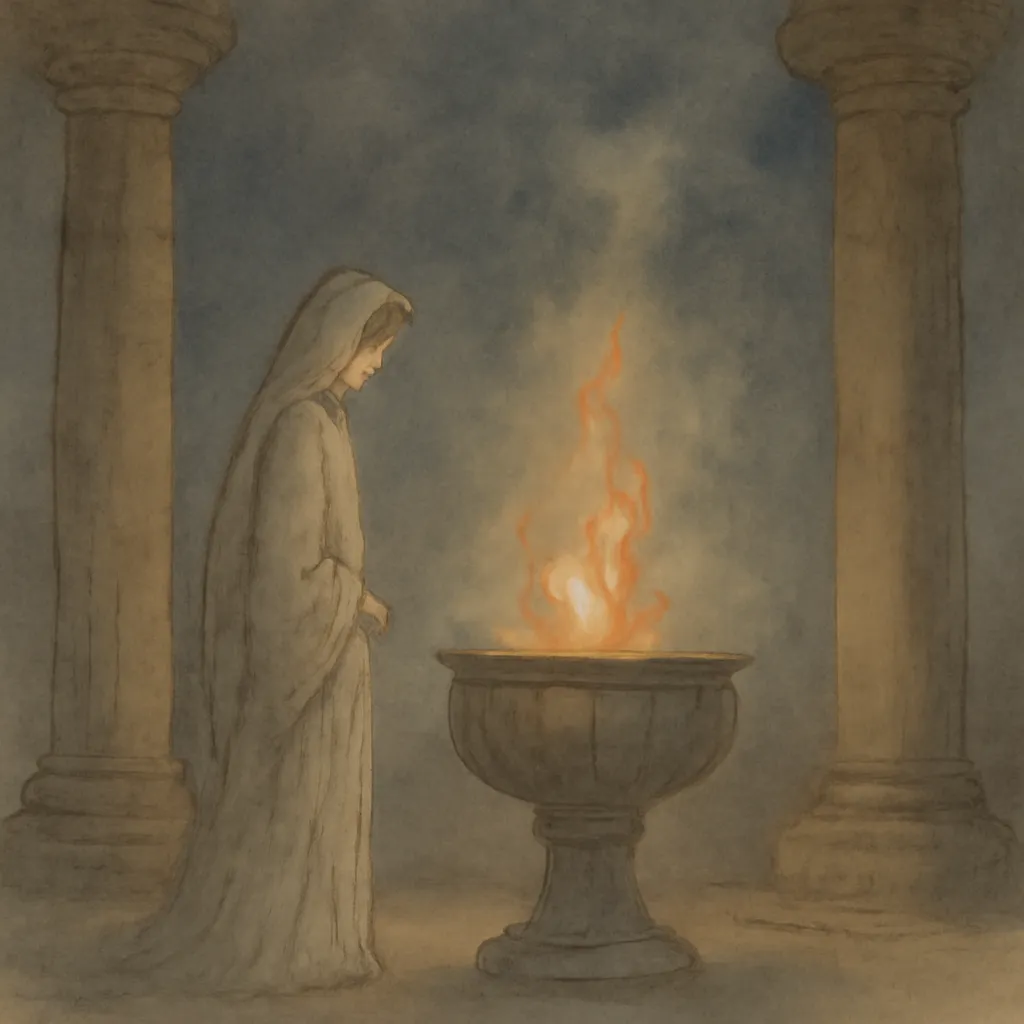
The character of Rhea Silvia, a vestal virgin and mother of Romulus, embodies the sacred duties and societal expectations placed on women in ancient Rome. Abbott explores the significance of the vestal virgins, who were tasked with maintaining the sacred fire of Vesta, symbolizing the heart of the household and the city. Rhea's story, marked by her violation of vows and subsequent motherhood, highlights the tension between personal desire and societal duty. This duality reflects broader themes of sacrifice and devotion that permeate Roman culture. By examining Rhea's role, readers gain insight into the complexities of gender and power in early Roman society, as well as the ways in which women's narratives are often intertwined with the larger historical framework. Rhea's life illustrates the intricate balance between individual agency and societal expectations, raising important questions about women's roles in shaping a civilization.
7.The Birth of Romulus and Remus
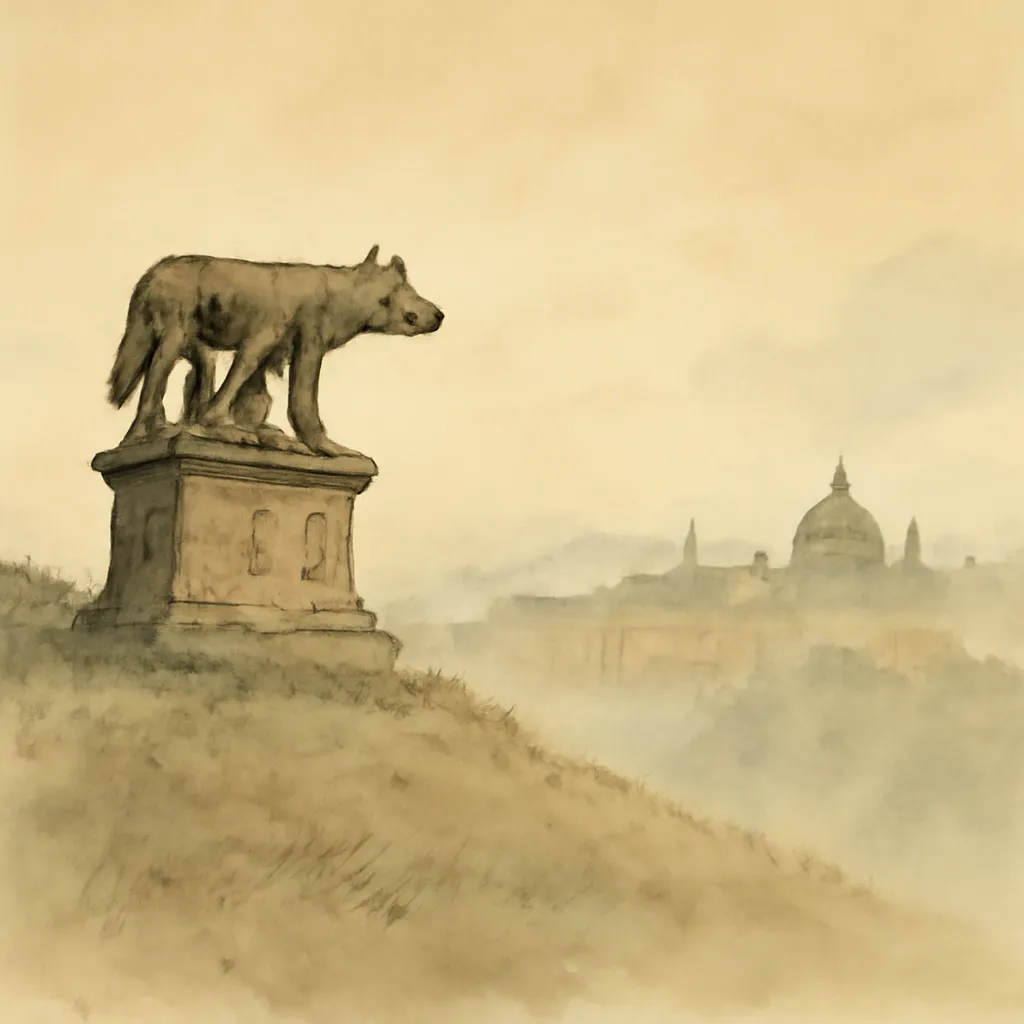
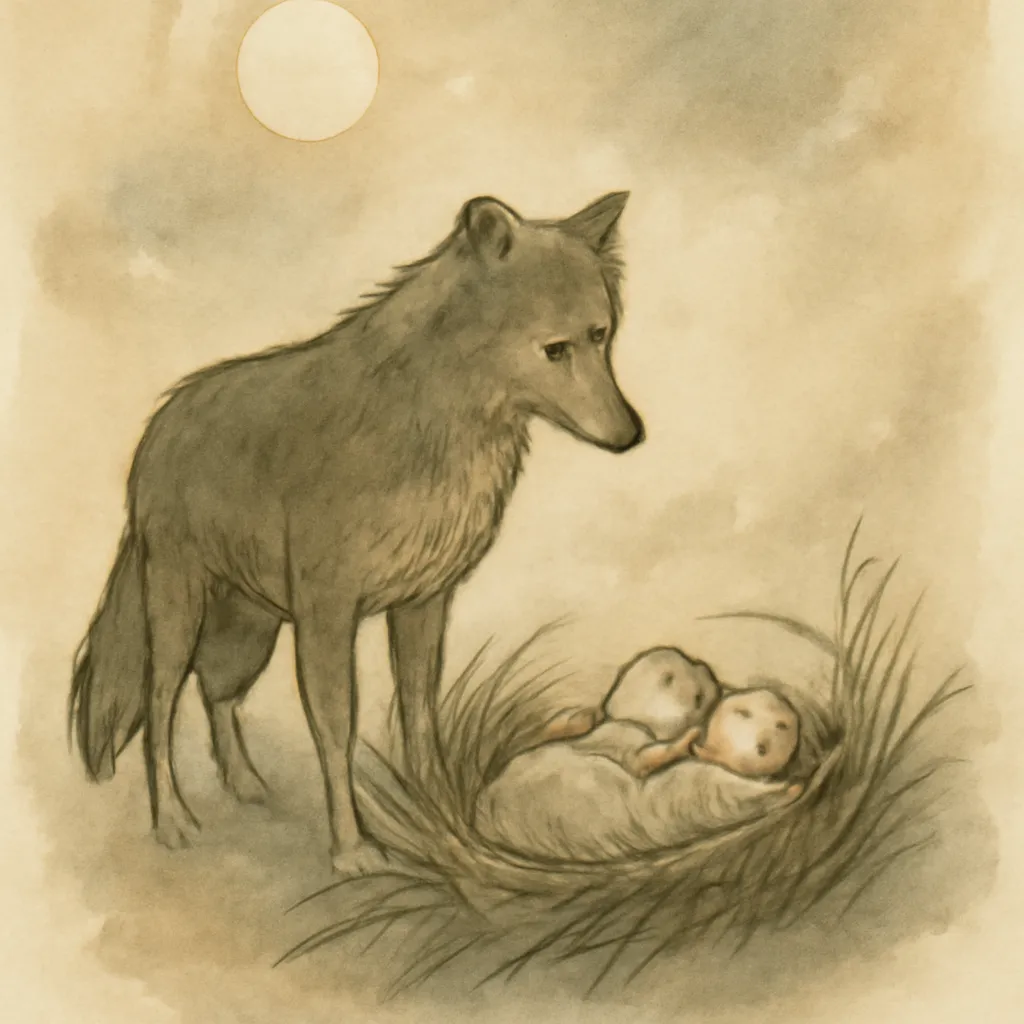
The legendary twins, Romulus and Remus, are central to the Roman foundation myth. Abbott recounts their miraculous survival after being abandoned and their upbringing by a she-wolf, which symbolizes both danger and nurturing. The brothers' contrasting personalities foreshadow their eventual conflict, as they embody different aspects of leadership and ambition. This duality raises questions about the nature of power and rivalry, as well as the idea that greatness can stem from both cooperation and competition. Their story encapsulates the themes of fate and divine intervention that are prevalent throughout Roman mythology, suggesting that the destiny of Rome was preordained from the very beginning. The bond between the twins reflects the foundational aspects of family and loyalty, while their rivalry serves as a cautionary tale of how ambition can lead to both greatness and tragedy.
8.The Founding of Rome: A City Born from Conflict
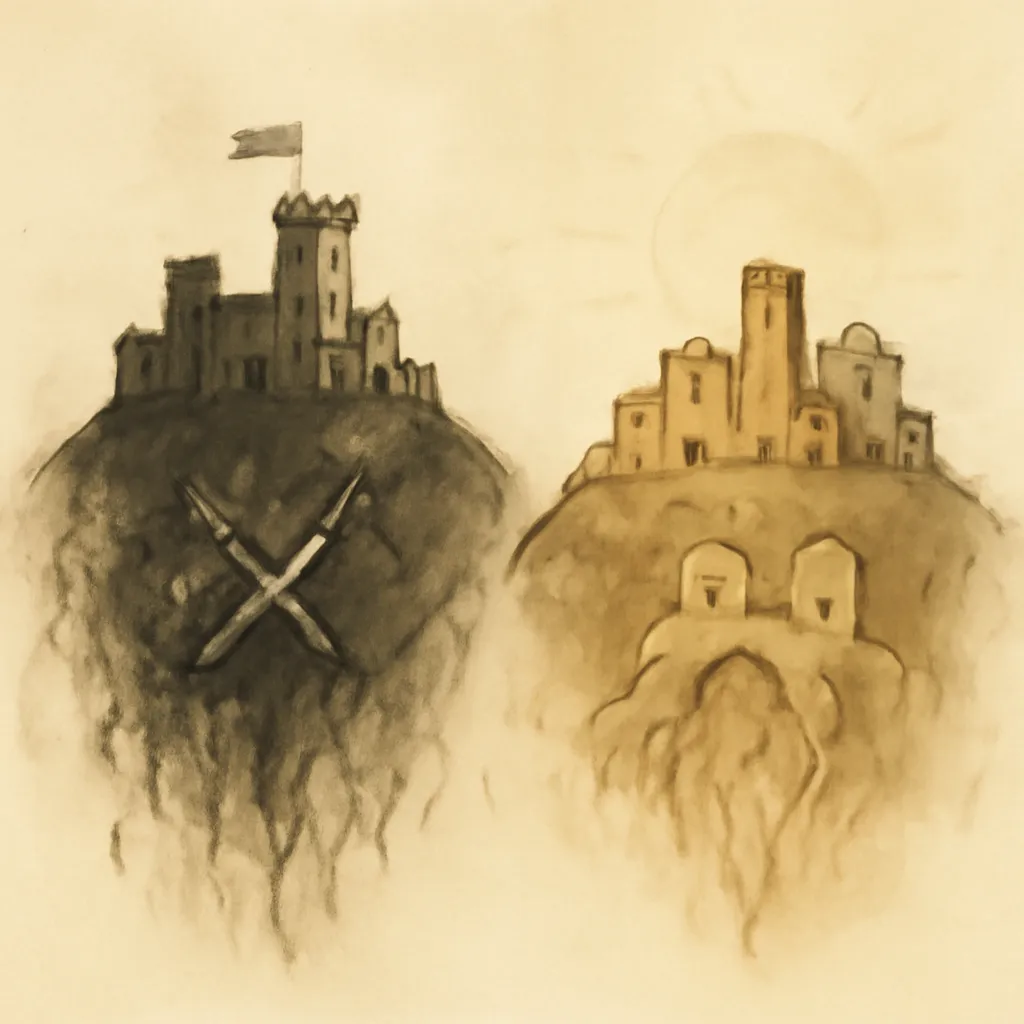
The actual construction of Rome, as narrated by Abbott, is steeped in conflict and rivalry. The division between Romulus and Remus over the site of the city reflects their differing visions for Rome's future. The auguries and omens that guide their decisions underscore the belief in divine favor and the importance of interpreting signs from the gods. The violent confrontation that leads to Remus's death is a poignant moment, symbolizing how ambition can lead to fratricide and the sacrifices that accompany the pursuit of greatness. This foundational event raises profound questions about the costs of leadership and the complexities of brotherhood, illustrating that the creation of a great city often involves personal tragedy. Abbott emphasizes that the legacy of Rome is intricately linked to the themes of conflict and resolution, suggesting that the city's history is marked by a continuous struggle for identity and power.
9.The Rape of the Sabines: A Controversial Solution
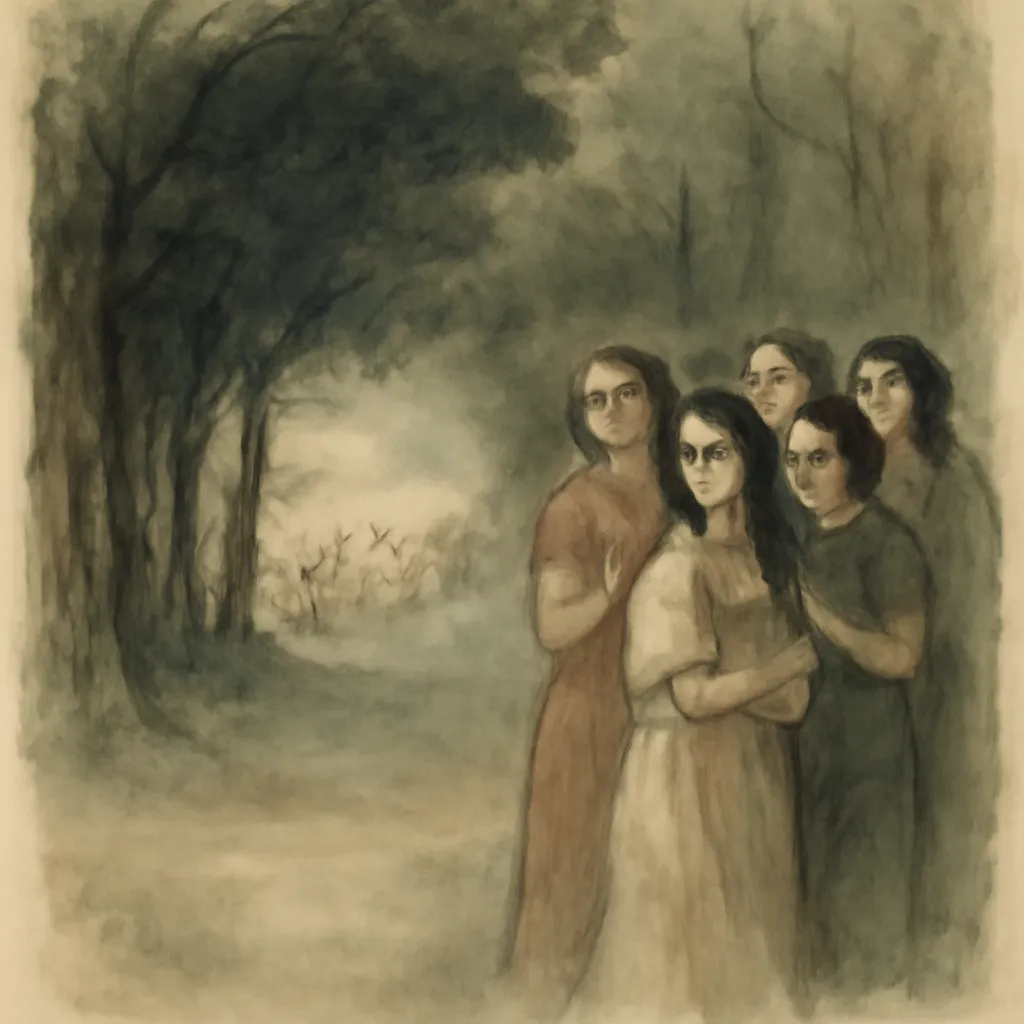
To address the shortage of women in Rome, Romulus orchestrates the infamous 'rape of the Sabines,' an event that reflects both desperation and cunning. Abbott's narrative explores the moral complexities of this act, as Romulus seeks to secure the future of his city through controversial means. The festival that draws the Sabine women to Rome is depicted as a mix of celebration and tragedy, highlighting the theme of forced union versus voluntary partnership. The aftermath of the event, where the women play a crucial role in mediating peace between their families and the Romans, underscores the potential for reconciliation and unity born from conflict. This chapter provokes discussions about gender, power, and the often murky ethics of statecraft in the formation of a society. The act becomes symbolic of the broader challenges faced by emerging societies in balancing power dynamics and cultural integration, illustrating how difficult choices can lead to unforeseen consequences.
10.The Legacy of Romulus: Foundations of Roman Civilization
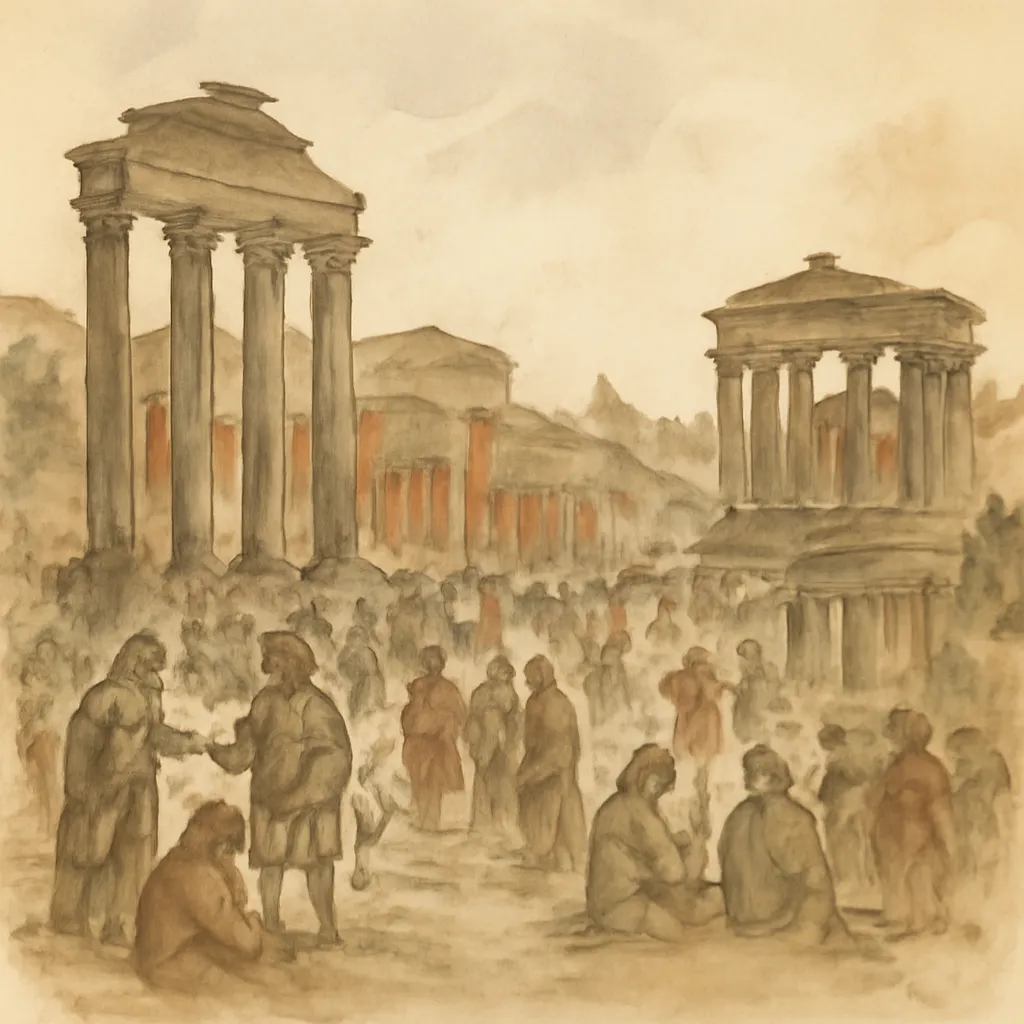
Romulus's reign, following the Sabine War, sets the stage for the growth and expansion of Rome. Abbott describes the establishment of key institutions, such as the Roman Forum and the integration of the Sabines into Roman society, which contribute to the city's development. The challenges Romulus faces in maintaining unity among diverse groups reflect the ongoing struggles of leadership and governance. His eventual death, shrouded in myth and speculation, invites reflections on the nature of legacy and how leaders are remembered. The narrative concludes with the idea that the triumphs and tribulations of Romulus laid the groundwork for the future greatness of Rome, emphasizing the importance of storytelling in preserving history and shaping identity. Romulus's story becomes emblematic of the enduring values of resilience, ambition, and the complexities of human governance, illustrating how the foundations of civilization are often built on a mixture of myth, history, and enduring human experiences.