1.The Allure of Adventure
Twain's journey begins with a sense of envy and excitement as he reflects on his brother's appointment as Secretary of Nevada. The allure of travel captivates him, filled with dreams of exploration and adventure in the untamed West. He imagines the thrilling sights and experiences that await, from buffaloes and Indians to gold and silver mines. The initial enthusiasm sets the tone for the narrative, highlighting the romanticized view of the frontier that many held during this period. Twain's longing for adventure resonates with readers, as he captures the spirit of curiosity that drives individuals to seek out new experiences, despite the uncertainties that lie ahead. His excitement is infectious, making readers yearn for their own adventures and exploration of the unknown.
2.The Harsh Realities of Travel
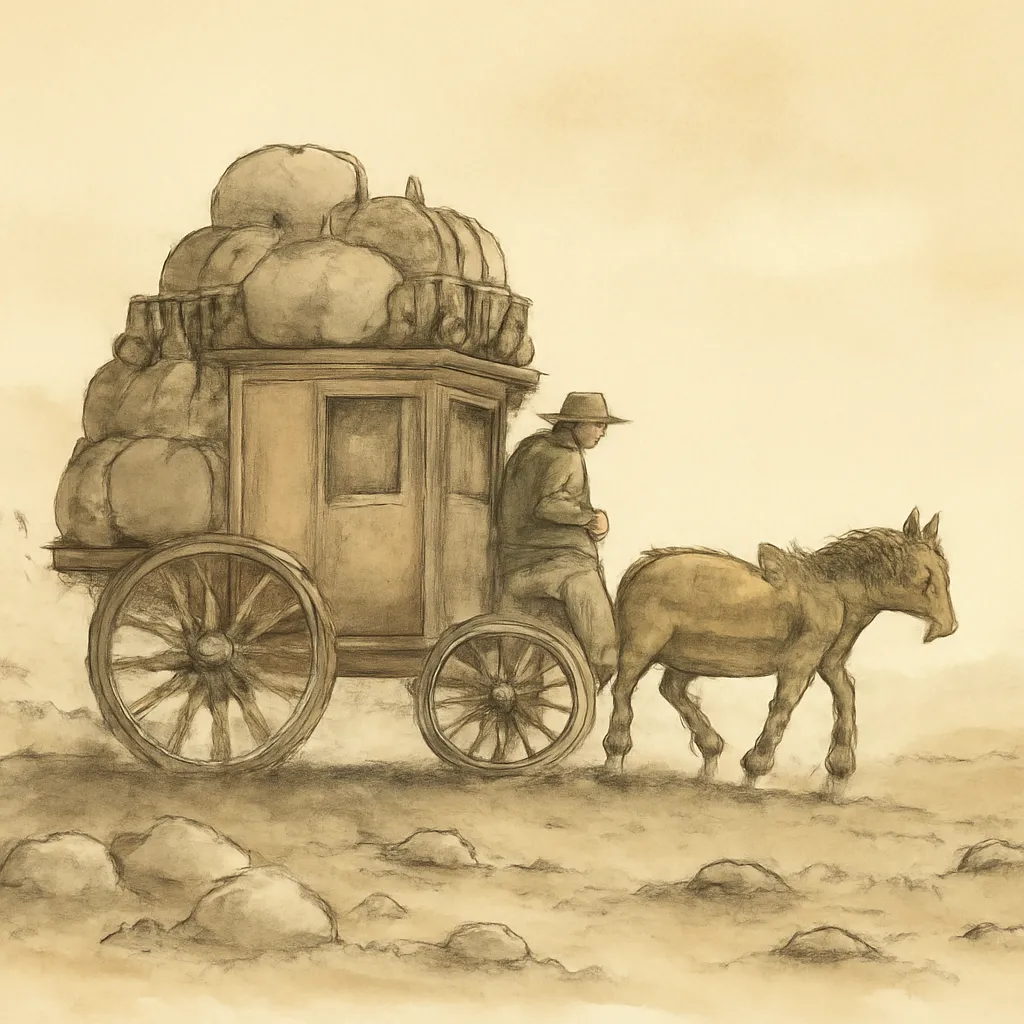
As Twain embarks on his journey, he quickly confronts the harsh realities of travel in the mid-1800s. The limitations on baggage force him to abandon comforts for practicality, illustrating the sacrifices pioneers had to make. His description of the overland stagecoach, with its cramped quarters and the challenge of sleeping under difficult conditions, paints a vivid picture of the discomforts that accompanied such journeys. The whimsical anecdotes about the coach breaking down and the trials of navigating the rugged terrain serve to underscore the unpredictability of life on the road. Twain's humorous perspective on these challenges invites readers to appreciate the resilience required to traverse the wild landscapes of the American West. He contrasts the romantic ideals of travel with the gritty, uncomfortable reality, making it clear that adventure is often accompanied by hardship.
3.The Characters of the Frontier
Throughout his travels, Twain encounters a diverse array of characters, each adding color to his narrative. From the eccentric fellow travelers to the formidable stage drivers, these individuals embody the spirit of the frontier. Twain's depiction of George Bemis, a fellow passenger, showcases the quirks and flaws that humanize these larger-than-life figures. The interactions among the travelers reveal the camaraderie and tension that can arise in close quarters during long journeys. Twain's keen observations and witty character sketches provide a deeper understanding of the social dynamics at play, illustrating how the frontier shaped the identities and relationships of those who ventured into its depths. The peculiarities of these characters contribute to the overall humor of the narrative while also reflecting the societal norms and behaviors of the time.
4.Nature's Majesty and Brutality
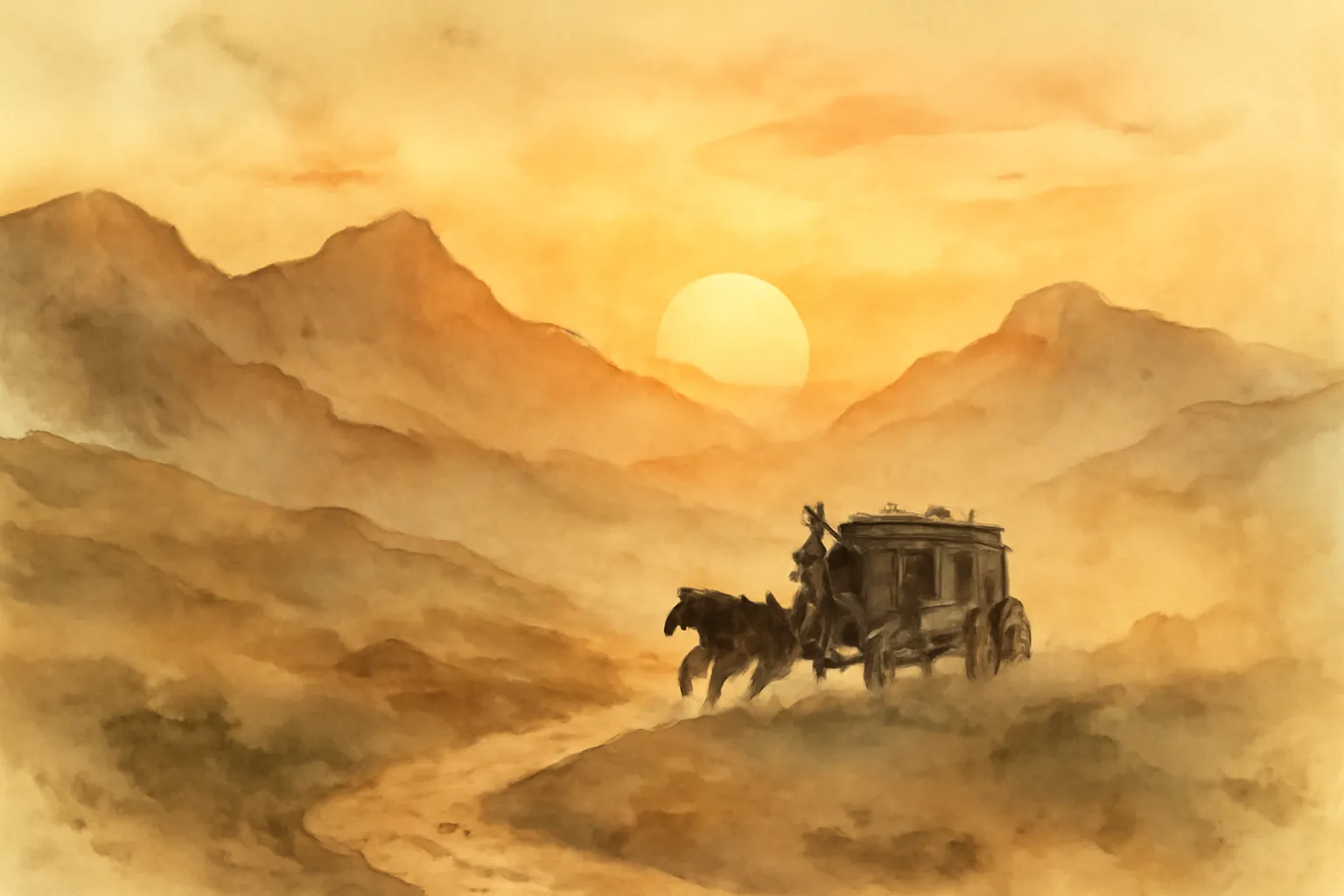
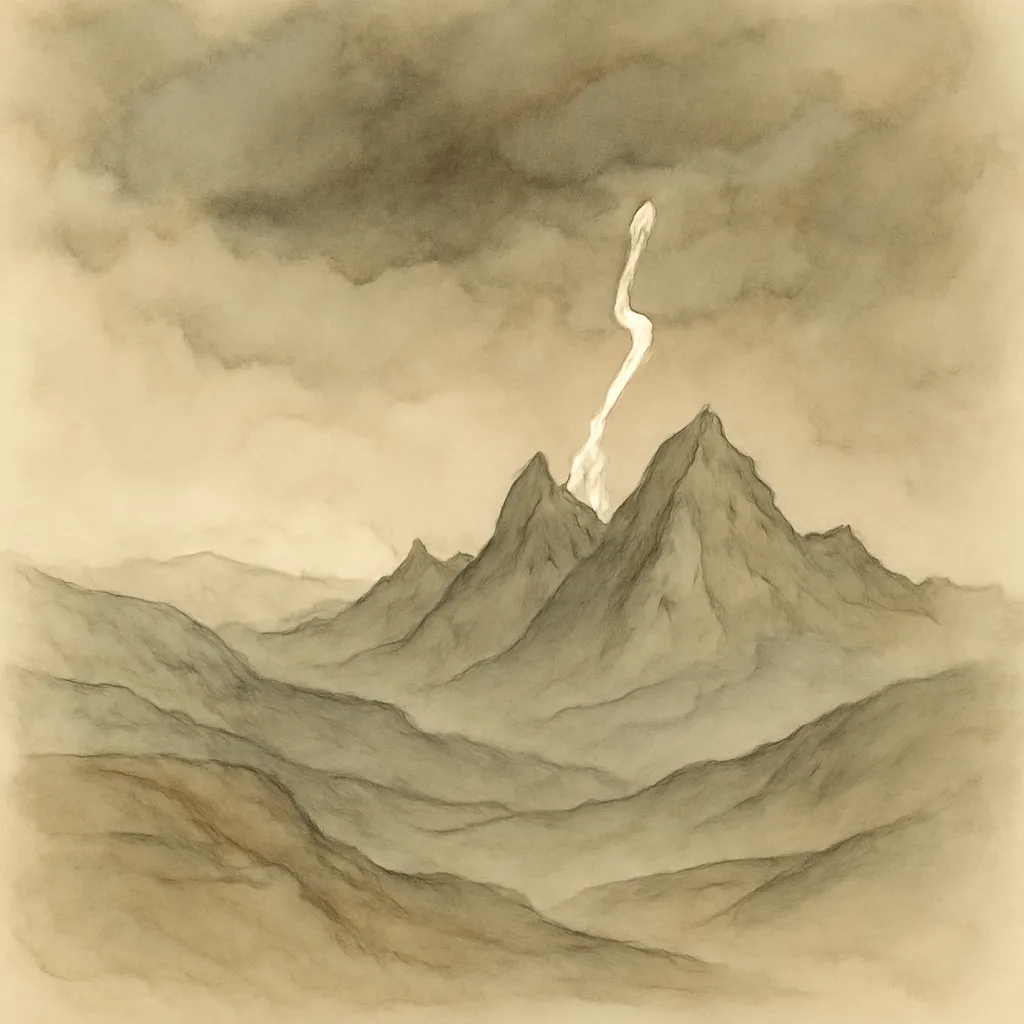
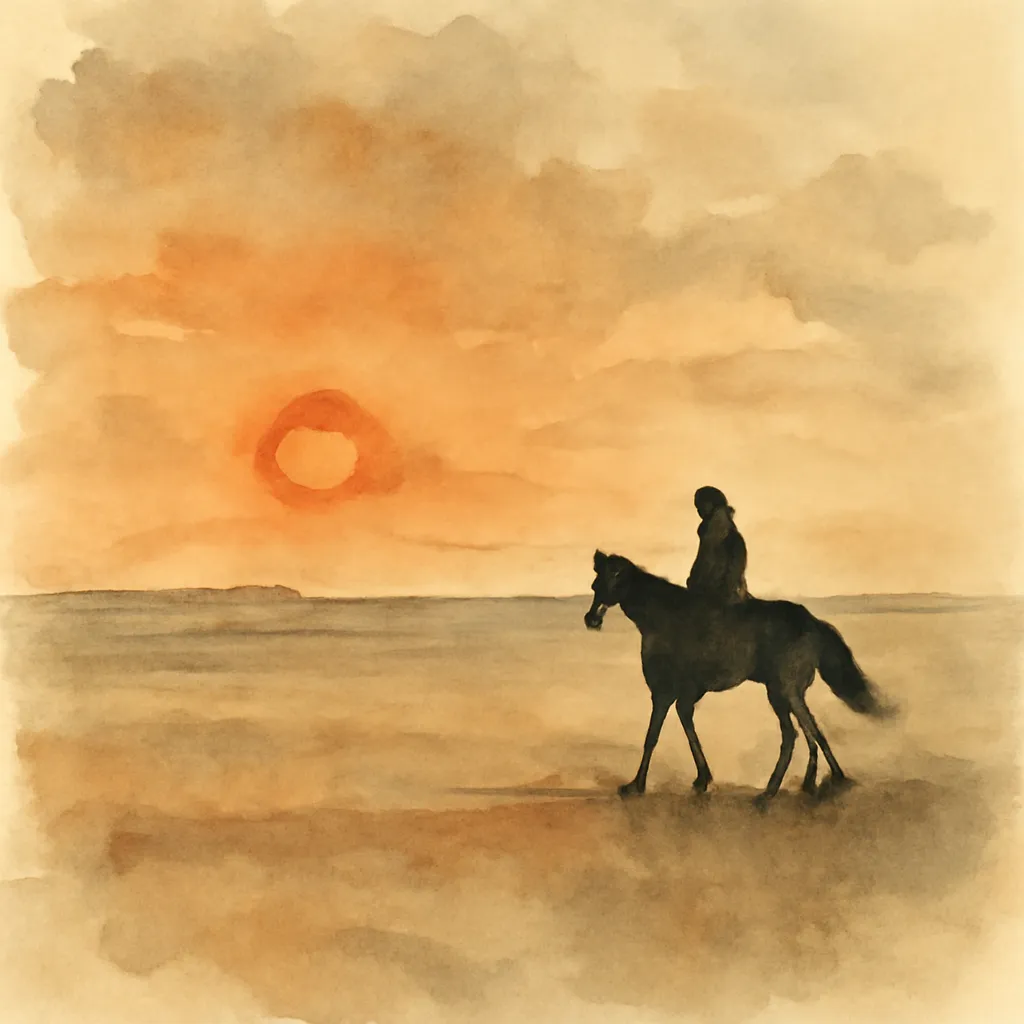
Twain's narrative is rich with descriptions of the breathtaking landscapes he encounters, from the vast plains to the towering mountains. His awe for nature is palpable, as he reflects on the beauty of the West and its ability to inspire wonder. Yet, he also captures the brutality of the environment, highlighting the challenges posed by the desert and the unpredictable weather. The contrast between the serene beauty of the scenery and the harsh realities of survival serves to emphasize the duality of the frontier experience. Twain's vivid imagery allows readers to feel the vastness of the land and the profound impact it has on those who traverse it, illustrating the complex relationship between humans and nature. His writing immerses readers in the sights, sounds, and feelings of the landscape, making them a part of the journey.
5.The Silver Mining Fever
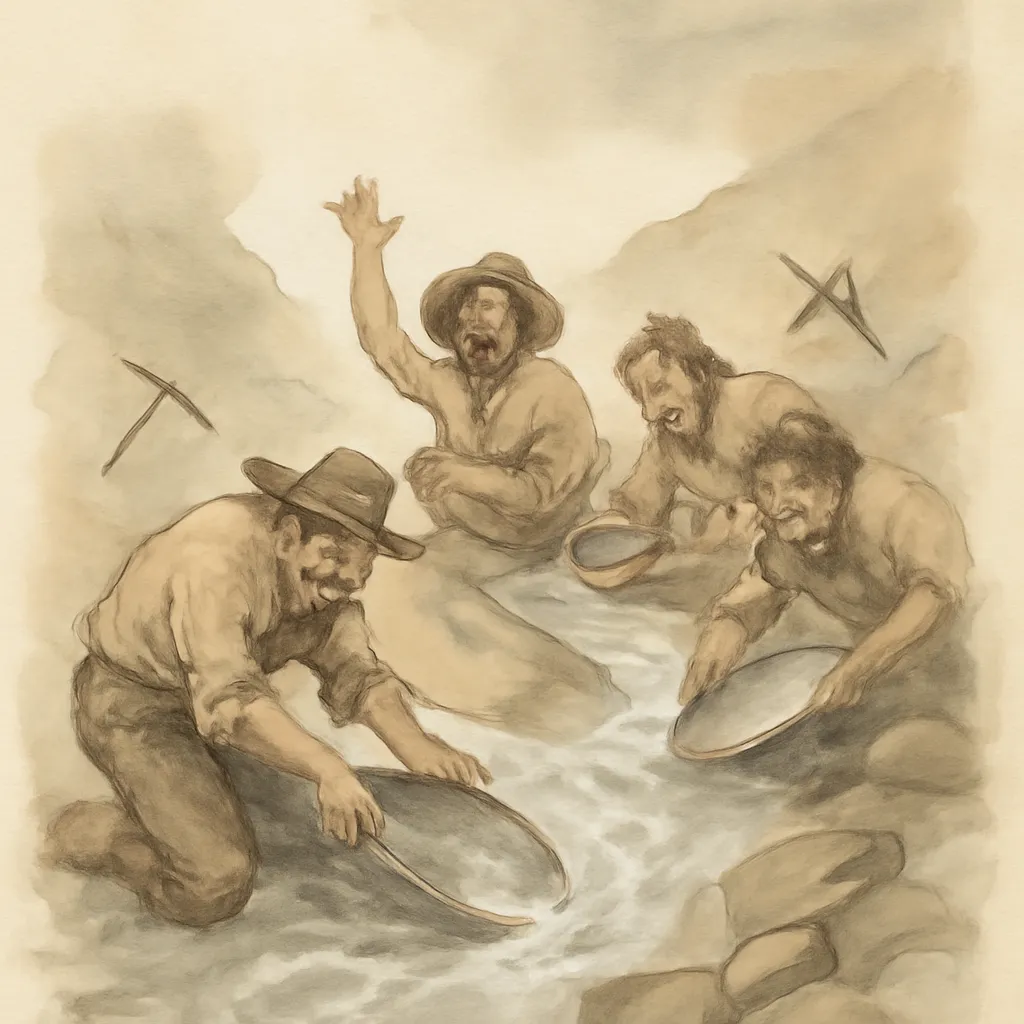
Central to Twain's narrative is the rise of the silver mining industry in Nevada, a phenomenon that drew countless fortune seekers to the region. He delves into the excitement and chaos that characterized this boom, capturing the fervor of those hoping to strike it rich. Twain's firsthand observations provide a unique perspective on this historical episode, as he recounts tales of both success and failure. The descriptions of bustling mining towns, the influx of hopeful miners, and the accompanying social upheaval reveal the transformative power of the silver rush. Twain's exploration of this theme highlights the interplay between ambition, greed, and the realities of mining life. He offers a candid look at the pitfalls of this pursuit, emphasizing that while some might achieve wealth, many others are left disillusioned and impoverished.
6.The Absurdity of Human Behavior
In 'Roughing It', Twain masterfully highlights the absurdities of human behavior in the face of adversity. His encounters with various characters expose the quirks, follies, and sometimes tragic flaws that define humanity. Whether it's the exaggerated tales of bravado from fellow travelers or the eccentricities of the locals, Twain's humor serves as a lens through which to view the human condition. He deftly critiques societal norms and the irrationality that often accompanies the pursuit of wealth and status. This exploration of absurdity not only entertains but also invites readers to reflect on the complexities of human nature, making the narrative both engaging and thought-provoking. Twain's comedic timing and sharp wit shine through as he navigates the curious behaviors of those around him.
7.Cultural Observations and Social Commentary
Twain's journey is punctuated by sharp cultural observations and social commentary that reveal the intricacies of life in the West. His interactions with Mormons in Salt Lake City provide a glimpse into the unique social dynamics of the community, marked by polygamy and religious fervor. Twain's candid reflections on these practices, juxtaposed with the Gentiles' perspectives, offer a nuanced understanding of the cultural landscape. His ability to navigate these complexities with humor and insight enriches the narrative, allowing readers to grapple with the moral and ethical questions surrounding such lifestyles. Twain's commentary serves as a mirror to society, encouraging introspection and dialogue about cultural differences and societal values. This exploration emphasizes the need for understanding and tolerance in a rapidly changing world.
8.The Frontier as a Metaphor for Freedom
The American frontier, as depicted in Twain's narrative, serves as a powerful metaphor for freedom and self-discovery. The vast, uncharted landscapes symbolize the potential for adventure and the pursuit of dreams. Twain's experiences reflect a yearning for liberation from societal constraints, as he embraces the wildness of the West. The journey becomes not just a physical exploration but also a transformative personal odyssey. Through his encounters and reflections, Twain illustrates how the frontier offers individuals the opportunity to redefine themselves and seek their own paths. This theme resonates with readers, evoking a sense of wanderlust and the belief in the possibility of reinvention. The frontier becomes a place where personal growth and freedom intertwine, making it a compelling aspect of Twain's narrative.
9.The Impact of Technology on the Frontier
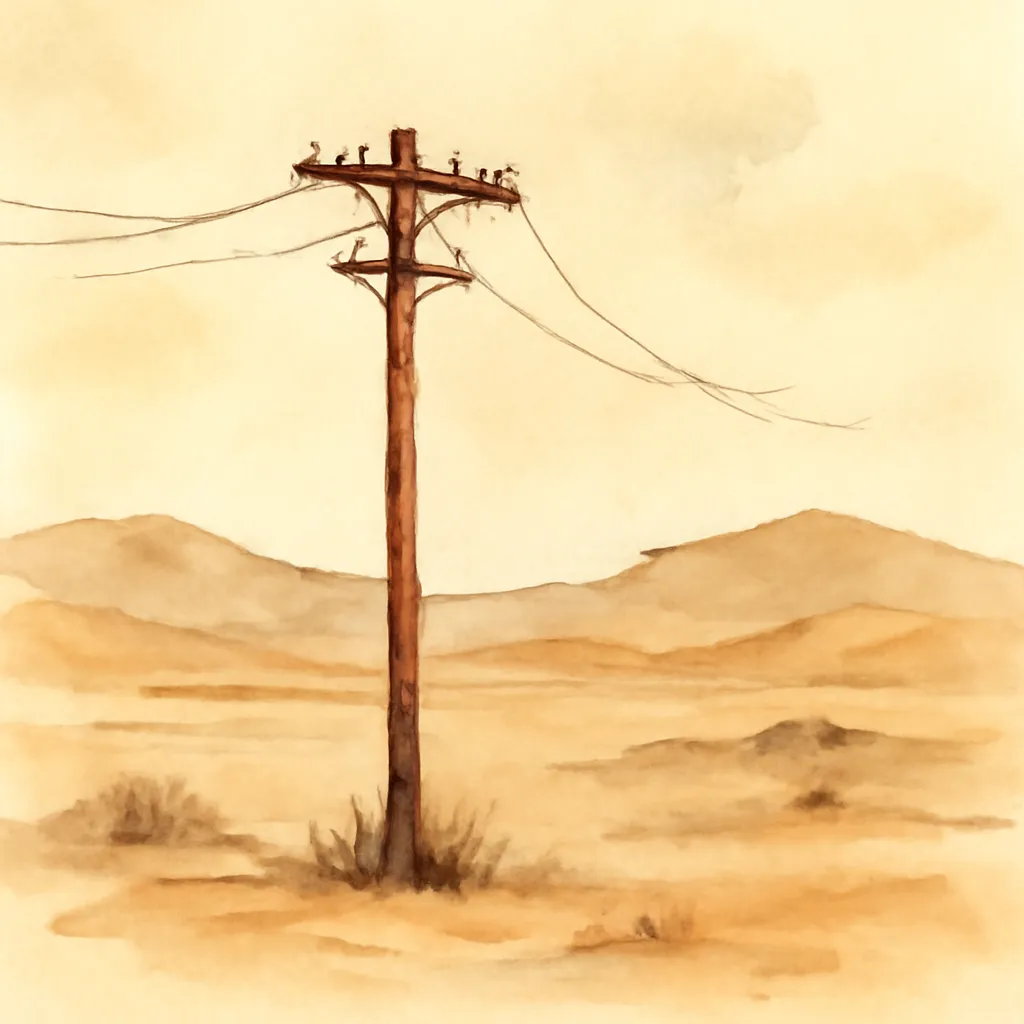
As Twain travels through the West, he observes the encroachment of technology on the frontier experience. The introduction of telegraph lines and the growing presence of railroads signify a shift in how people connect and interact with the land. Twain's commentary on these developments reveals both excitement and apprehension about the changing landscape. He recognizes the potential for progress while also lamenting the loss of the raw, untamed spirit of the frontier. This tension between advancement and tradition adds depth to the narrative, prompting readers to consider the implications of modernization on the American identity. Twain's reflections serve as a reminder of the delicate balance between progress and preserving the essence of the frontier, showcasing his foresight into the challenges of rapid change.
10.The Journey's End and Reflection
As Twain's journey comes to a close in Carson City, he reflects on the transformative nature of his experiences. The initial excitement of travel has evolved into a profound appreciation for the lessons learned along the way. Twain's observations about the people, landscapes, and cultural dynamics reveal a deeper understanding of the complexities of life on the frontier. The conclusion of his journey does not signify an end but rather a continuation of the exploration within oneself. Twain's narrative encourages readers to embrace their own adventures and to seek meaning in the journey, regardless of the destination. This introspective perspective leaves a lasting impression, inviting contemplation on the nature of exploration and the human spirit. The culmination of his experiences serves as a testament to the idea that it is not just the destination that matters, but the journey itself.