1.The Early Fortress and Its Royal Daughters
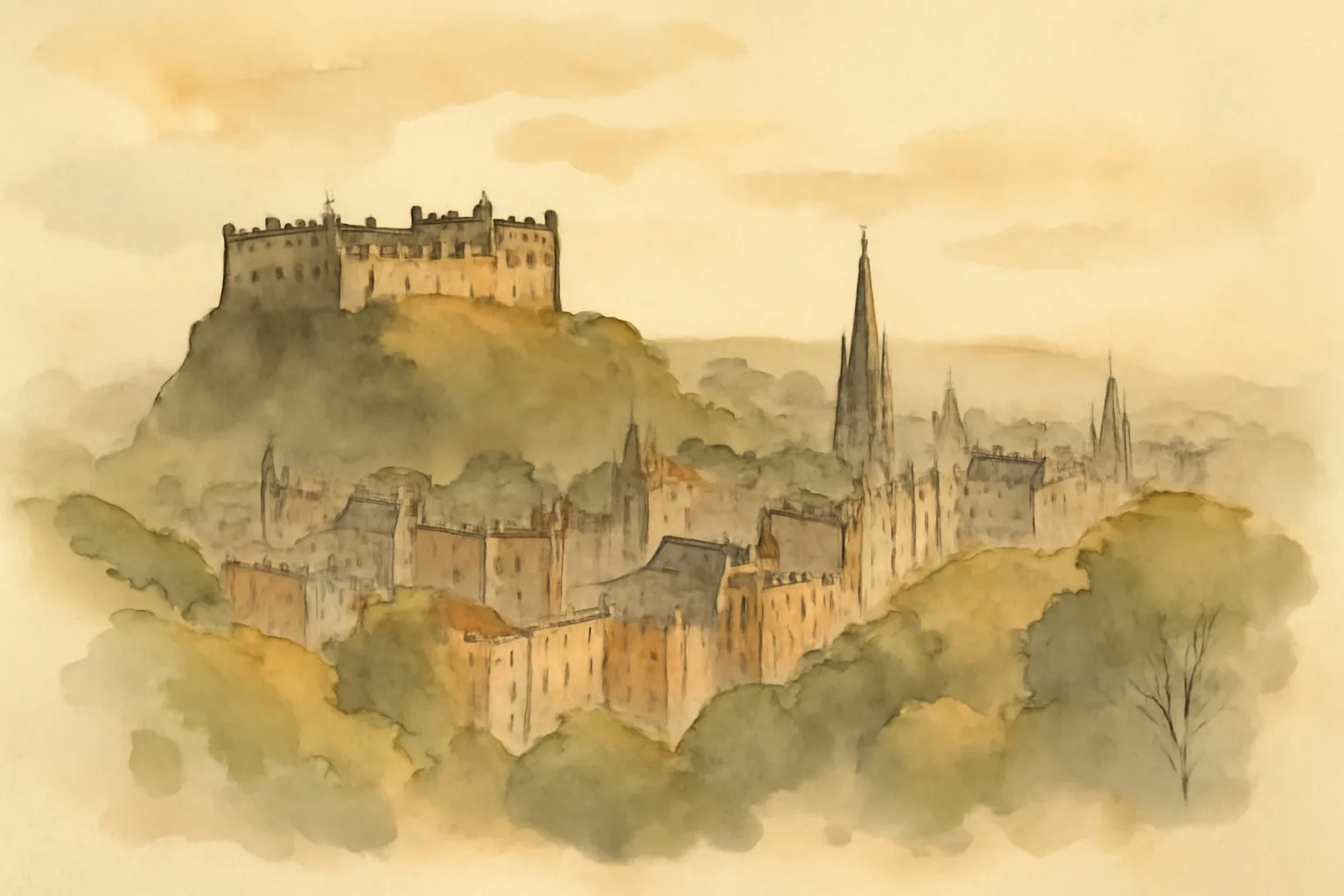
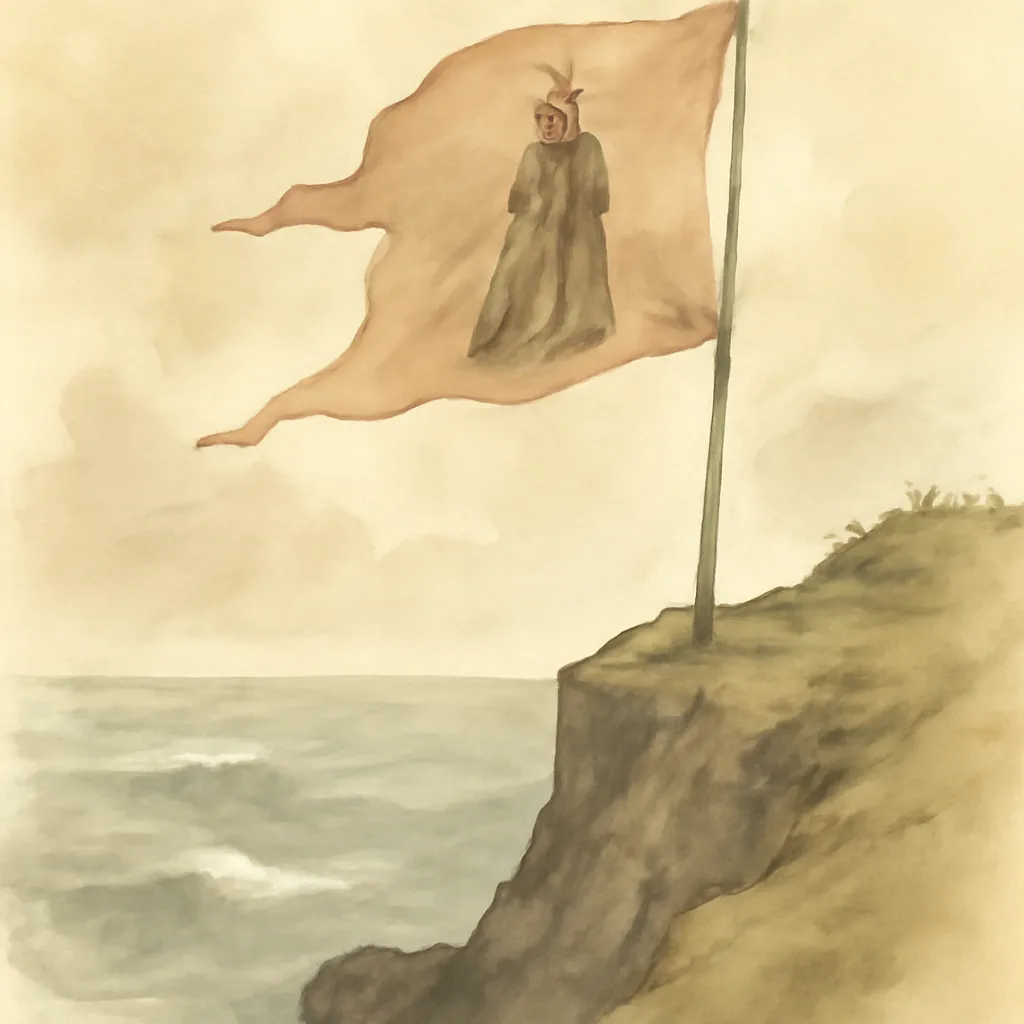
Edinburgh's history begins with the Castle, a formidable fortress that housed royal daughters in its early days, known as the castrum puellarum. These primitive princesses, isolated from the verdant landscapes below, gazed out over the plains, longing for the greenery of Dunfermline. Their existence illustrates the intersection of safety and confinement, as they were both protected and imprisoned within the castle's stone walls. The castle's early role as a watchtower against invaders highlights the precariousness of life in Scotland during those times, where threats loomed large and security was hard-won. This romantic yet somber image of young women longing for freedom sets the stage for the rich historical narrative of Edinburgh, framing the city as a place of both beauty and struggle.
2.James I: The Poet King
James I emerges as a pivotal figure in Edinburgh's history, embodying the dual roles of poet and legislator. His reign marks a transition from the chaos of endless battles to a more structured civic life. The destruction of Edinburgh Castle by Robert Bruce, intended to prevent it from serving as a stronghold for enemies, symbolizes a turning point in Scotland's governance. As the nation stabilized under James I, the castle began to transform into a center of royal authority, where laws were enacted and governance took form. His poetic inclinations reflect a deeper cultural renaissance, as the arts began to flourish alongside political stability. The juxtaposition of martial history with the emergence of poetry underscores how Edinburgh evolved from a battleground to a cradle of culture.
3.The Tragedy of James II
James II's reign is marked by tragedy, culminating in his murder and the subsequent turmoil that ensued. The public sentiment towards his murderers reveals a society grappling with loyalty and betrayal, as the Highland caterans who aided in the king's demise were met with universal disdain. The swift crowning of his six-year-old son in the wake of his father's death illustrates the fragility of power during this tumultuous time. The young prince's immediate recognition signifies the unyielding need for continuity in leadership, even amidst chaos. This moment encapsulates the emotional weight of kingship in Scotland, where the line between loyalty and treachery is thin and the consequences of power are deeply felt. The aftermath of James II's death further illustrates the precarious nature of the Scottish crown, setting the stage for continuous struggles over authority.
4.Mary of Gueldres: The Woman of Dignity
Mary of Gueldres, the widow of James III, emerges as a figure of strength and dignity during a critical juncture in Scottish history. Following her husband’s death, she rallied the army, insisting that they continue the siege to honor his aspirations. This response showcases her resolute character and the vital role women played in the political landscape of the time. The momentary despondency among the troops dissipated with her presence, illustrating the powerful influence of a determined leader. Mary's actions remind us that the narratives of history are often enriched by the contributions of women, whose stories are frequently overshadowed. Her legacy serves as a testament to the strength of female leadership in a male-dominated society, contributing to the rich tapestry of Edinburgh’s history.
5.James III: The King of Peace
James III's reign represents a period of relative peace, yet it is also marked by a precarious balance of power. His attempts to maintain stability are overshadowed by the realities of a young king surrounded by the chaos of factions vying for control. The narrative of James III is one of vulnerability, as he navigates the treacherous waters of court politics and public expectation. His tragic death at the hands of rebellious nobles further complicates the image of a ruler striving for peace. The subsequent crowning of his son amidst this turmoil highlights the relentless cycle of political upheaval in Scotland. James III's story serves as a poignant reminder of the challenges faced by leaders who seek to bring harmony in a land fraught with division, illustrating how the quest for peace can often lead to unforeseen consequences.
6.James IV: The Knight-Errant
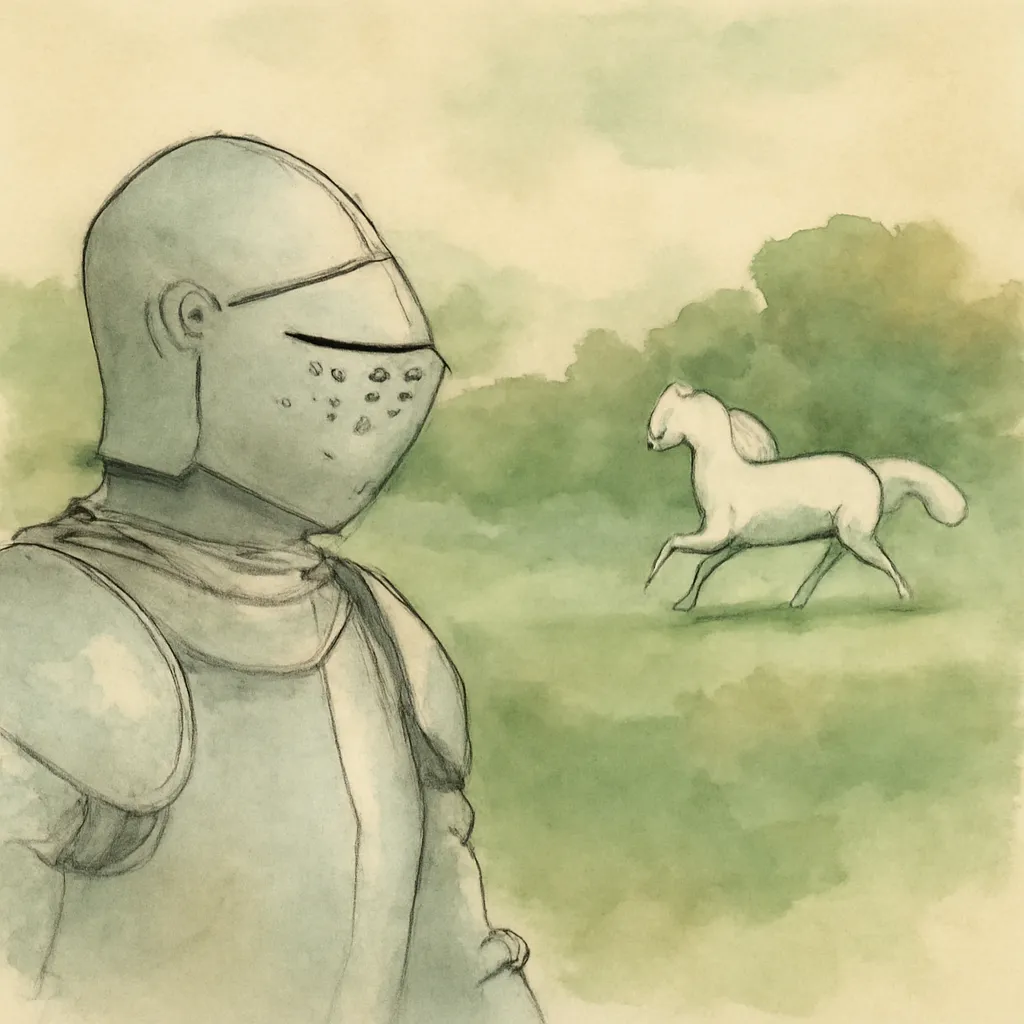
James IV stands out as a romantic figure, embodying the ideals of chivalry and adventure. His reign marks a departure from the strife that characterized previous kings, as he embraces the role of a knight-errant, engaging in exploits that capture the public's imagination. The narrative surrounding James IV is steeped in romance, where his character is shaped by the ideals of honor and valor. His interactions with both allies and enemies illustrate the complexities of leadership during a time when personal valor was closely tied to national identity. The king's pursuits reflect a broader cultural renaissance in Scotland, where the ideals of chivalry began to intertwine with governance. James IV's legacy is one of inspiration, reminding us that the romanticized ideals of leadership can often coexist with the harsh realities of political life.
7.James V: The Last of the Heroic Age
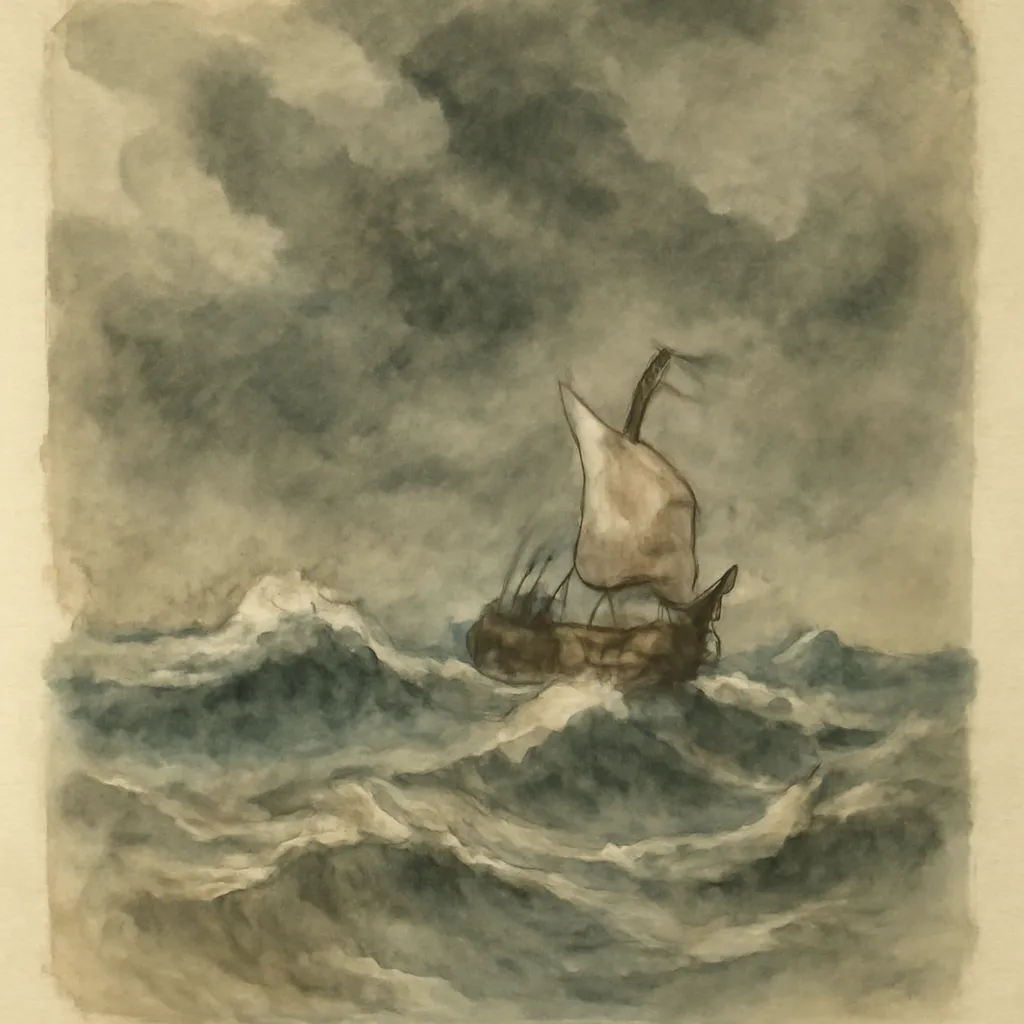
James V's reign encapsulates the final throes of the heroic age in Scottish history, characterized by a series of tumultuous events that reshape the nation. The metaphor of a ship navigating stormy seas aptly describes Scotland's plight during this period, as the young king grapples with the weight of leadership amid external and internal pressures. His childhood, marred by the loss of his father and the subsequent chaos, sets the stage for a ruler who must navigate a fractured kingdom. The imagery of a ship righting itself after a storm signifies resilience, yet the ongoing struggles reveal the fragility of power in Scotland. James V's story serves as a culmination of the themes of heroism and tragedy that define Scottish history, emphasizing the cyclical nature of governance and the enduring impact of leadership on national identity.
8.The Reformation and John Knox
The figure of John Knox emerges as a defining force in Edinburgh during the Reformation, embodying the fervent spirit of change that swept through Scotland. His impassioned oratory and leadership galvanized both Lords and Commons, establishing him as a central figure in the religious upheaval of the time. Knox's influence extended beyond mere preaching; he became a chronicler of his era, capturing the struggles and aspirations of the Scottish people. His residence in Edinburgh stands as a testament to his enduring legacy, as it continues to be a site of historical significance. The Reformation, under Knox's guidance, represented not just a religious shift but a profound transformation in the cultural landscape of Scotland. His life and work highlight the interconnectedness of faith and politics, illustrating how one man's vision can reshape the course of a nation.
9.The Challenges of Queen Mary
Queen Mary Stewart's reign is marked by intense political intrigue and personal tragedy, making her one of the most compelling figures in Scottish history. As she navigates the treacherous waters of court politics, her foreign connections and ambitions often clash with the realities of Scottish governance. The tension between her aspirations and the expectations of her subjects reveals the complexities of leadership in a tumultuous era. Mary's relationships with powerful nobles and her struggles for authority illustrate the challenges faced by female rulers in a patriarchal society. The narrative surrounding her life is not merely one of personal failure; it reflects broader themes of identity, loyalty, and the intersection of personal and political realms. Mary's story serves as a poignant reminder of the human experiences behind historical events, emphasizing the need for empathy in understanding the past.
10.The Transition to Modernity
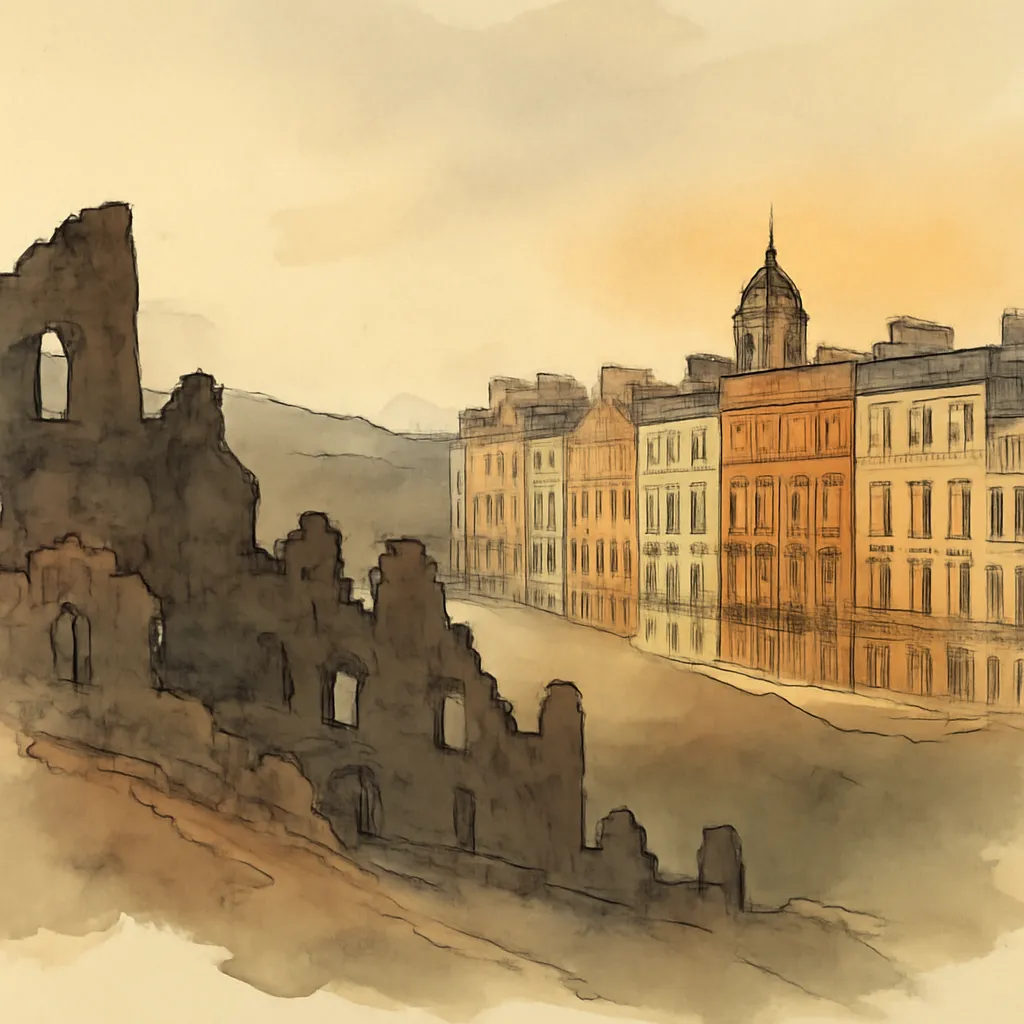
As Edinburgh evolves through the centuries, the construction of the New Town symbolizes a significant transition towards modernity. The desire for comfort and space among the growing population led to the development of a new urban landscape, contrasting sharply with the cramped conditions of the Old Town. This shift reflects broader societal changes, as the city adapts to the needs of its inhabitants while preserving its historical identity. The architectural styles of the New Town, with their solid and respectable designs, stand in stark contrast to the Gothic spires of the past, marking a departure from the romantic ideals of earlier times. This evolution illustrates how cities must continuously adapt to the demands of their citizens, balancing the preservation of history with the pursuit of progress. The story of Edinburgh's transformation is not just about bricks and mortar; it is about the ongoing dialogue between past and present, shaping the identity of a city that remains a vital part of Scotland's narrative.