1.The Relentless Pursuit of Desire
Mickey Sabbath is driven by an insatiable appetite for sex, mischief, and transgression. Roth uses Sabbath’s compulsions not just for shock value, but to probe the deeper human longing for vitality and affirmation in the face of aging and loss. Sabbath’s sexual exploits are both an assertion of life and a desperate attempt to stave off irrelevance, making the novel a meditation on the ways desire can both animate and destroy us.
2.Aging and the Fear of Obsolescence
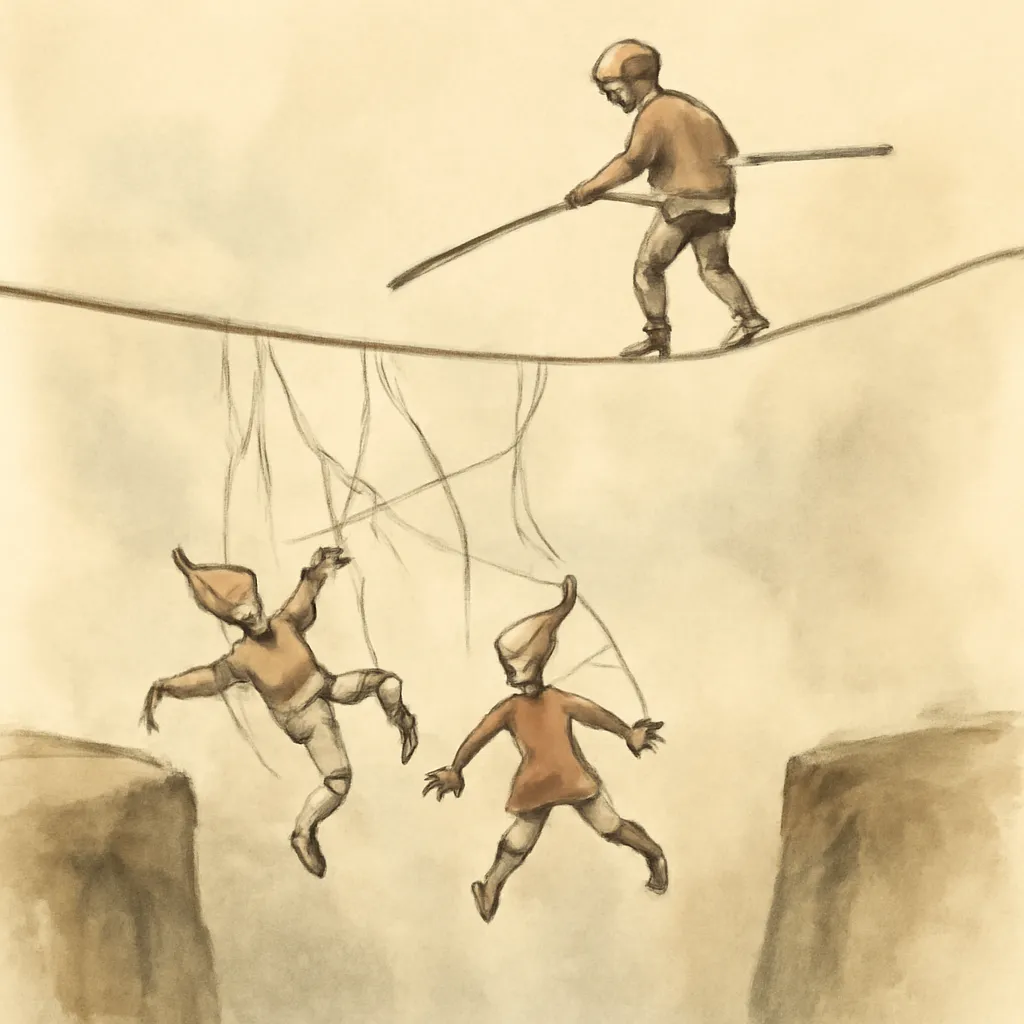
At sixty-four, Sabbath is haunted by the specter of his own decline. The novel is saturated with reflections on the indignities of aging, the loss of creative power, and the terror of becoming invisible. Roth presents Sabbath’s outrageous behavior as both a rebellion against and an evasion of mortality, inviting readers to question how we confront—or avoid—our own aging and eventual death.
3.Grief, Guilt, and Self-Destruction
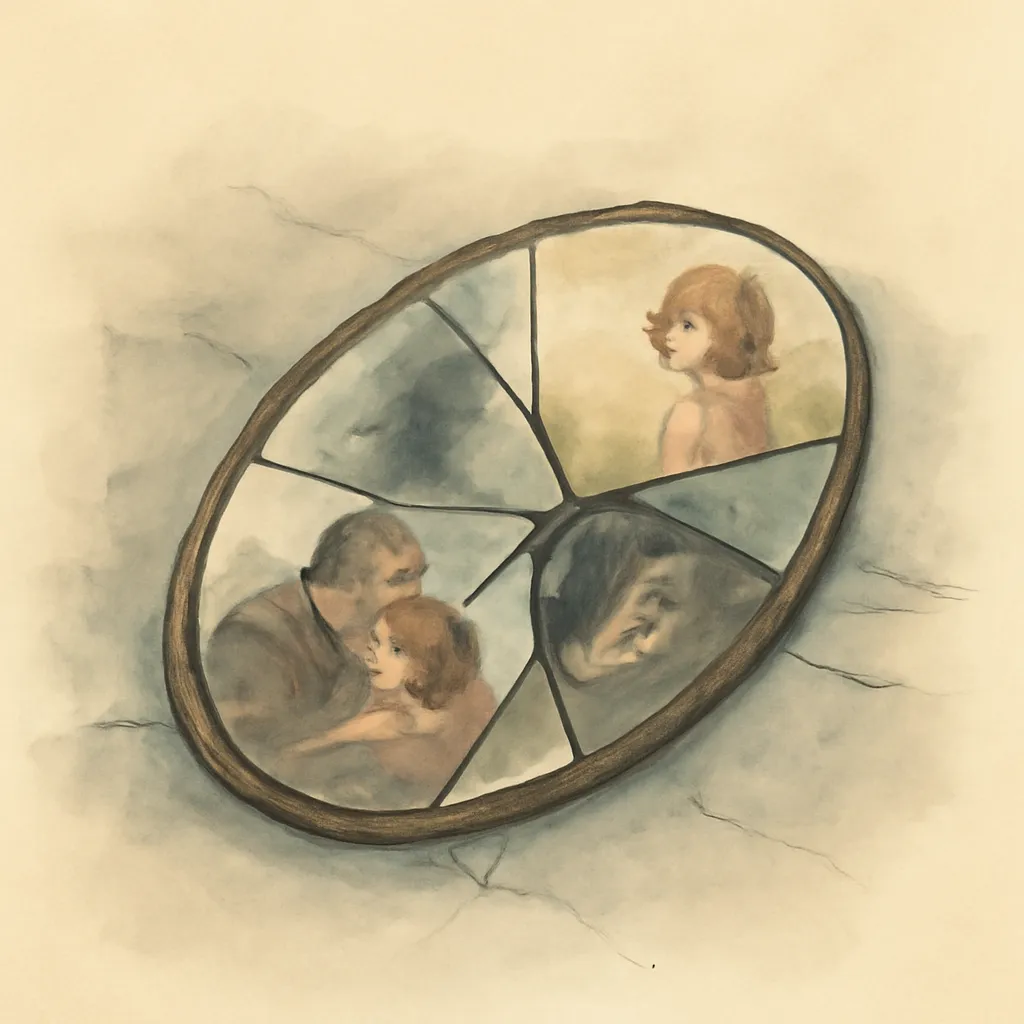
The death of Drenka, Sabbath’s lover, triggers a spiral of grief and self-sabotage. Sabbath is beset by memories of those he’s loved and harmed, and the narrative becomes a reckoning with guilt and the consequences of a life lived without restraint. Roth explores how grief can unmoor a person, leading to acts of self-destruction that are both farcical and tragic.
4.The Limits of Transgression
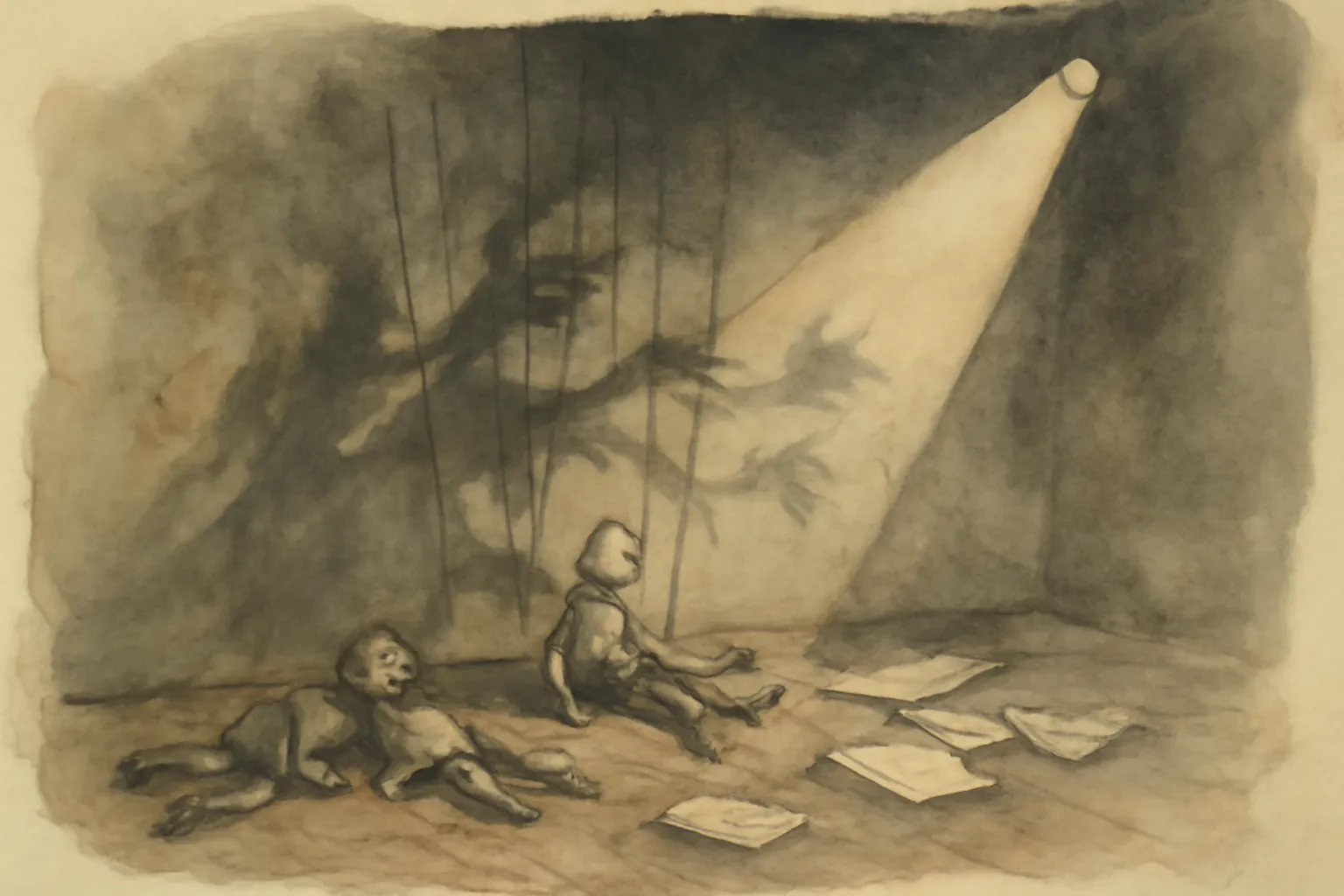
Roth pushes the boundaries of what literature can depict, using Sabbath’s exploits to test the reader’s tolerance for moral ambiguity and discomfort. The novel asks whether there is value in confronting the taboo, or whether such transgression is ultimately empty. Sabbath’s theater is both a stage for liberation and a pit of self-inflicted punishment.
5.Identity and Performance
As a former puppeteer, Sabbath is acutely aware of the roles people play. The novel is rife with theatrical metaphors, suggesting that identity itself is a performance—sometimes liberating, often exhausting. Sabbath’s refusal to conform is both his greatest strength and his undoing, as he stages his own life as a series of provocations and masks.
6.The Comedy of Despair
Despite its darkness, Sabbath’s Theater is often uproariously funny. Roth uses black comedy to undercut the novel’s bleakness, highlighting the absurdity of human desires and failures. This blend of humor and tragedy makes the novel’s emotional impact more complex and enduring.