1.A Heroine's Origin
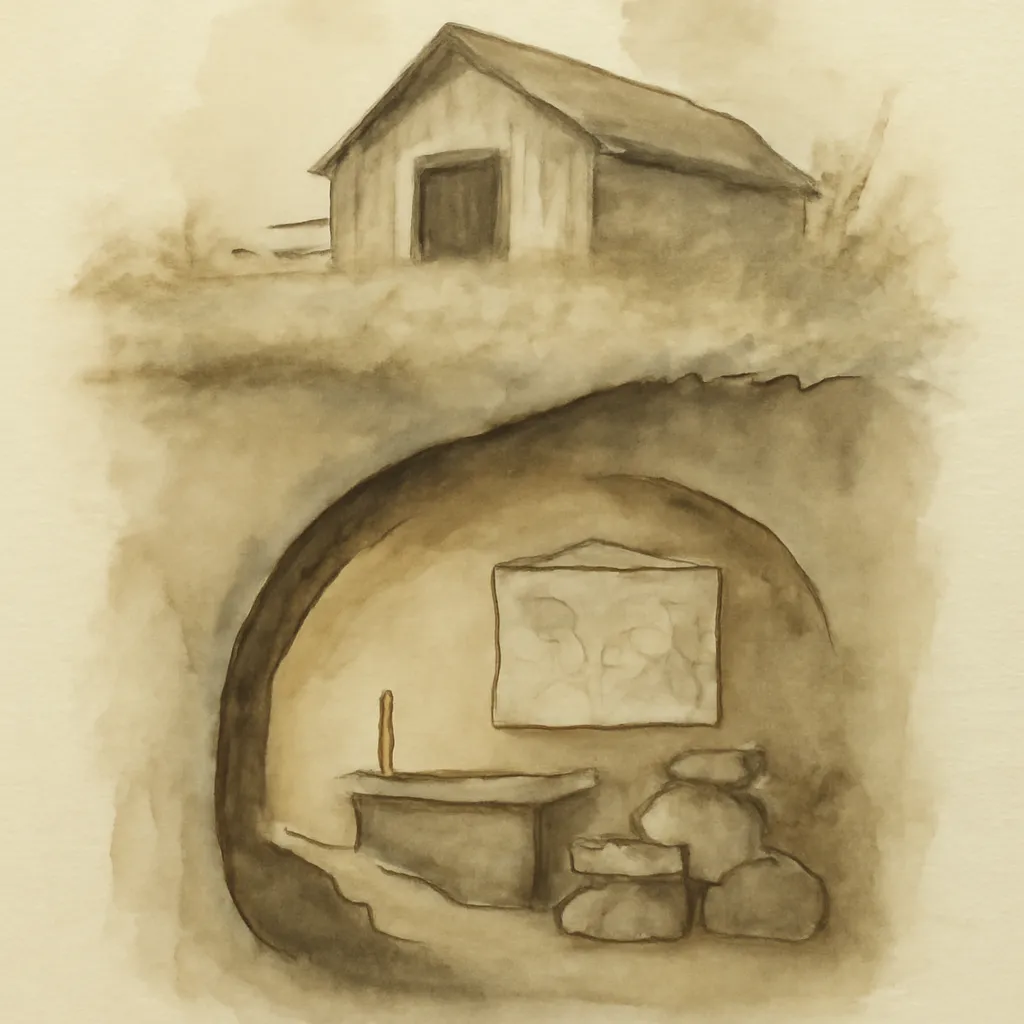
Harriet Tubman, born Araminta Ross, was raised in the brutal environment of slavery in Maryland. From a young age, she experienced the harsh realities of bondage, witnessing the inhumane treatment of her family and others. Her early life was marked by physical abuse, as she suffered a severe head injury that left her with lifelong health issues. Despite these challenges, Tubman's spirit remained unbroken. The determination to escape slavery and fight for freedom was ignited within her, setting the stage for her later exploits as a conductor on the Underground Railroad. Tubman's resilience was not merely a personal trait; it reflected the collective longing for freedom that permeated the enslaved community. Her upbringing in a system designed to dehumanize her forged a resolve that would ultimately define her character and actions in the years to come.
2.The Escape to Freedom
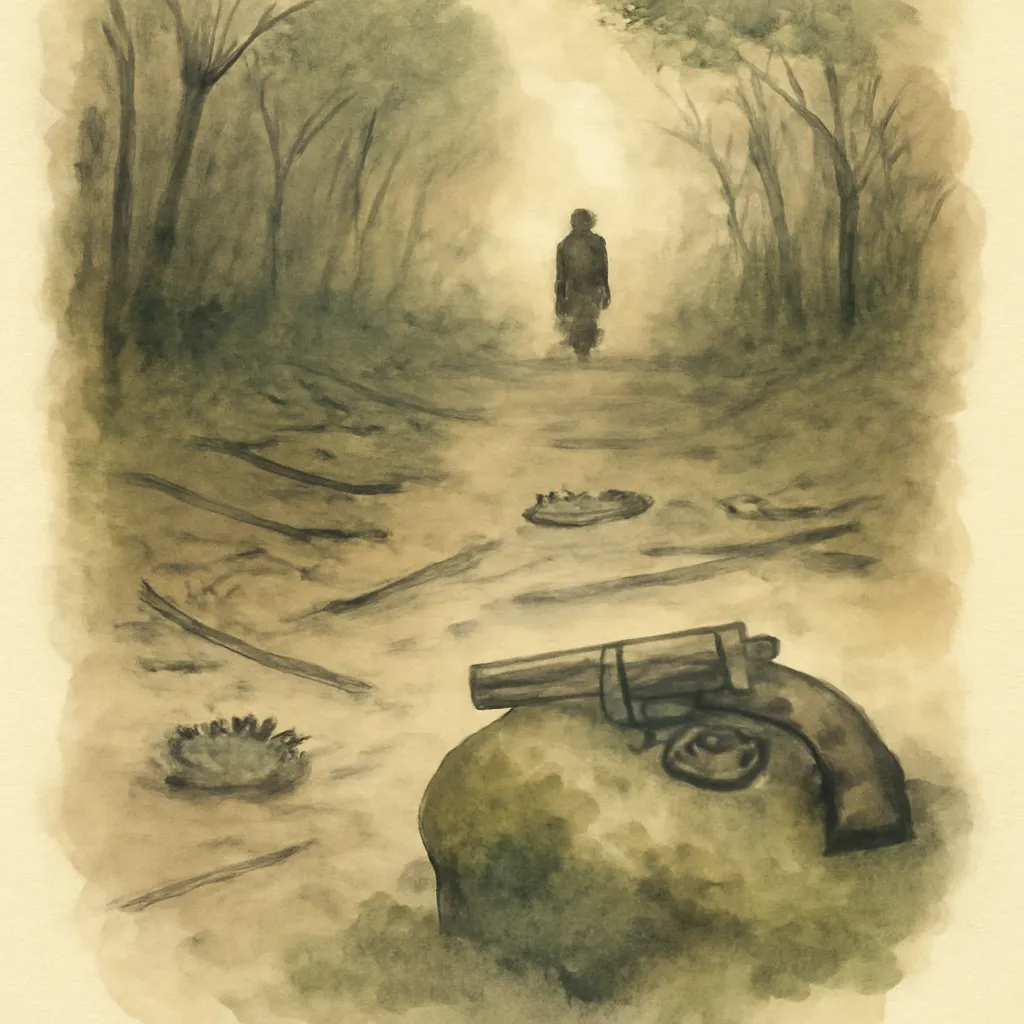
In 1849, Tubman made her daring escape from slavery, traveling by night and using the North Star for navigation. The journey was fraught with dangers, including the threat of capture and the treacherous terrain of the wilderness. Tubman's knowledge of the land, combined with her deep understanding of the dangers that lay ahead, allowed her to evade pursuers and reach Pennsylvania, a free state. This pivotal moment not only marked her personal liberation but also ignited her commitment to help others achieve the same freedom she had fought so hard to attain. Tubman's story illustrates the extraordinary courage required to undertake such a perilous journey, and it serves as a reminder of the countless others who risked their lives in pursuit of freedom. Her escape exemplifies the risks that many enslaved individuals took in their pursuit of liberty, underscoring the broader struggle against the institution of slavery.
3.A Leader in the Underground Railroad
After securing her own freedom, Tubman became a leading figure in the Underground Railroad, a network of safe houses and individuals dedicated to assisting enslaved people in their escape to the North. Over the course of a decade, she made an estimated 13 missions back into the South, leading around 70 enslaved individuals to freedom. Her courage was matched only by her strategic thinking; she often employed disguises and created elaborate plans to avoid capture. Tubman earned the nickname ‘Moses’ among her followers, reflecting her role as a guide and protector. Her leadership not only saved lives but also inspired others to join the fight against slavery, solidifying her status as a key figure in the abolitionist movement. This aspect of Tubman's life highlights the importance of individual agency in the broader context of social change, where one person's actions can ripple outward and inspire collective action.
4.Facing Dangers with Unyielding Resolve
Tubman's journeys were perilous, filled with the constant threat of capture and violence. She faced relentless challenges, including the risk of betrayal by those who might expose her missions. Yet, Tubman's resolve never wavered. She often carried a revolver, using it to ensure the safety of her charges and herself. Her ability to remain calm in the face of danger was legendary; she famously said, 'I never lost a passenger.' This unwavering determination not only reflects her courage but also highlights the broader struggle of those involved in the Underground Railroad. Tubman's experiences serve as a reminder of the sacrifices made by countless individuals in the pursuit of freedom. The memoir illustrates how her fortitude was crucial in navigating life-threatening situations, often relying on a network of allies who shared her commitment to the cause.
5.A Legacy of Service During the Civil War
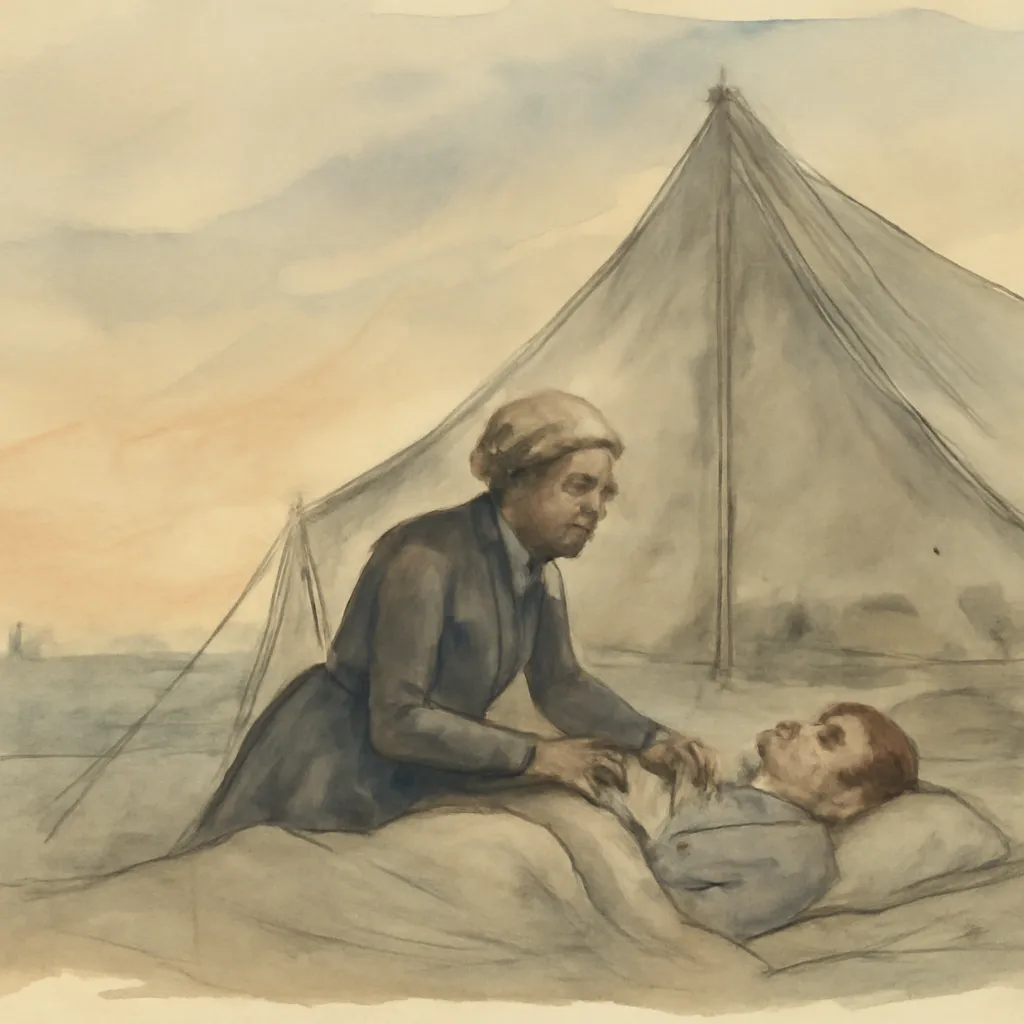
When the Civil War broke out, Tubman did not hesitate to contribute her efforts to the Union cause. She served as a nurse and cook, caring for wounded soldiers and providing them with food and medical attention. Tubman's skills as a scout were also invaluable; she used her knowledge of the terrain to aid Union forces in navigating the Southern landscape. Her most significant contribution came during the Combahee River Raid, where she was instrumental in leading a successful mission that liberated over 700 enslaved individuals. This multifaceted service during the war exemplifies her belief in the fight for freedom, not just for herself but for all who suffered under the yoke of slavery. Tubman's active participation in the war underscores the essential roles that women, particularly women of color, played in shaping the outcome of the Civil War and the future of the United States.
6.The Struggle for Recognition and Support
Despite her heroic contributions, Tubman faced significant challenges in securing recognition and support after the war. As an African American woman, she encountered systemic barriers that made it difficult to obtain a pension for her service. The memoir highlights the efforts of friends and supporters who rallied to advocate for her, emphasizing the importance of community in Tubman's life. The narrative reveals the broader societal struggles faced by veterans of color, who often found their sacrifices overlooked. Tubman’s fight for recognition underscores the ongoing battle for equality and justice that persists even after the abolition of slavery. This struggle for acknowledgment serves as a critical commentary on the historical marginalization of African American contributions to the nation’s history, shedding light on the need for a more inclusive understanding of American identity.
7.A Symbol of Resilience and Empowerment
Throughout her life, Tubman emerged as a powerful symbol of resilience and empowerment. Her story transcends the personal, representing the broader struggle for civil rights and human dignity. She became a beacon of hope for those seeking freedom and a champion for women's rights, advocating for suffrage alongside prominent leaders of her time. Tubman's tireless activism and unwavering spirit continue to inspire generations, reminding us of the importance of standing up against injustice. Her legacy as a leader and visionary serves as a testament to the impact of individual courage in the face of systemic oppression. The memoir positions Tubman not only as a historical figure but as a contemporary icon whose values resonate in today's fight for justice and equality.
8.The Role of Community and Collaboration
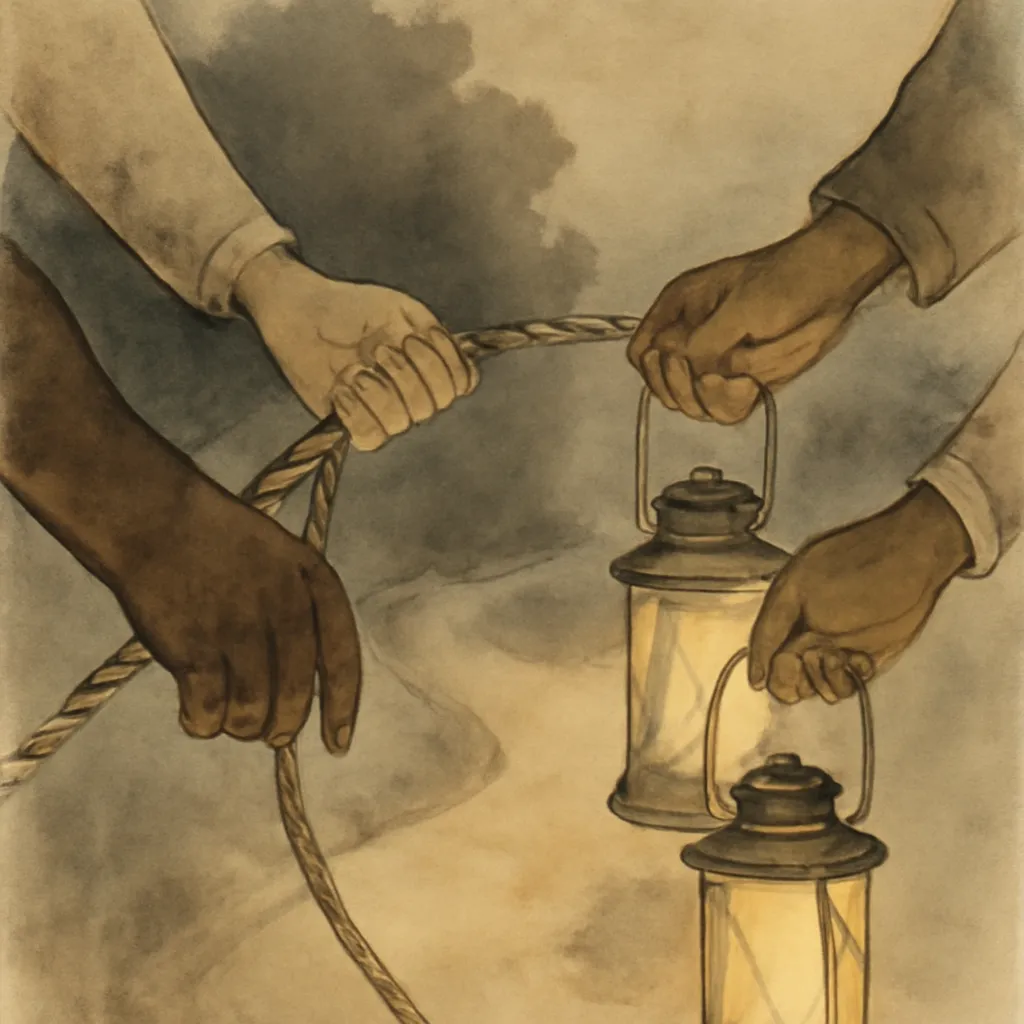
Tubman's journey was not undertaken in isolation; she relied heavily on the support of a community of abolitionists and allies. The memoir illustrates the collaborative nature of the Underground Railroad, where individuals from diverse backgrounds came together to fight against slavery. This network of support was crucial for the success of Tubman’s missions, as many people risked their own safety to assist her and those she was guiding to freedom. The emphasis on community highlights the interconnectedness of the abolitionist movement and the importance of collective action in enacting social change. Tubman's story is a reminder that enduring struggles require solidarity and mutual support. The memoir serves as a historical account of how grassroots movements can influence significant societal shifts, illustrating the power of unity in the face of oppression.
9.The Impact of Tubman's Story on American History
Harriet Tubman's life and legacy have left an indelible mark on American history. Her contributions to the abolitionist movement and the fight for civil rights have been recognized and celebrated across generations. Tubman’s story is often taught as a crucial part of American history, illustrating the complexities of the nation’s past and the ongoing struggle for equality. The memoir serves as a vital historical document, preserving her narrative for future generations and ensuring that her sacrifices are not forgotten. Tubman’s life encourages a deeper examination of the nation’s history and the ongoing fight for justice and freedom. By understanding her story within the context of American history, readers gain insights into the systemic injustices that have shaped the nation and the continuous efforts required to confront these challenges.
10.A Call to Action for Future Generations
In reflecting on Tubman's extraordinary life, readers are called to action. Her unwavering commitment to justice and freedom serves as a powerful reminder of the responsibilities each person holds in the fight against oppression. The memoir encourages individuals to examine their roles in their communities and the broader society, advocating for change and standing up against injustice. Tubman's legacy challenges us to consider how we can contribute to the ongoing struggle for equality and human rights. As we honor her memory, we are reminded that the fight for freedom is not just a historical narrative but an ongoing journey that requires active participation and engagement. Tubman's story is an invitation to carry forward her principles of resilience, determination, and solidarity as we navigate the complexities of modern society.