1.The Fragility and Ingenuity of Civilization
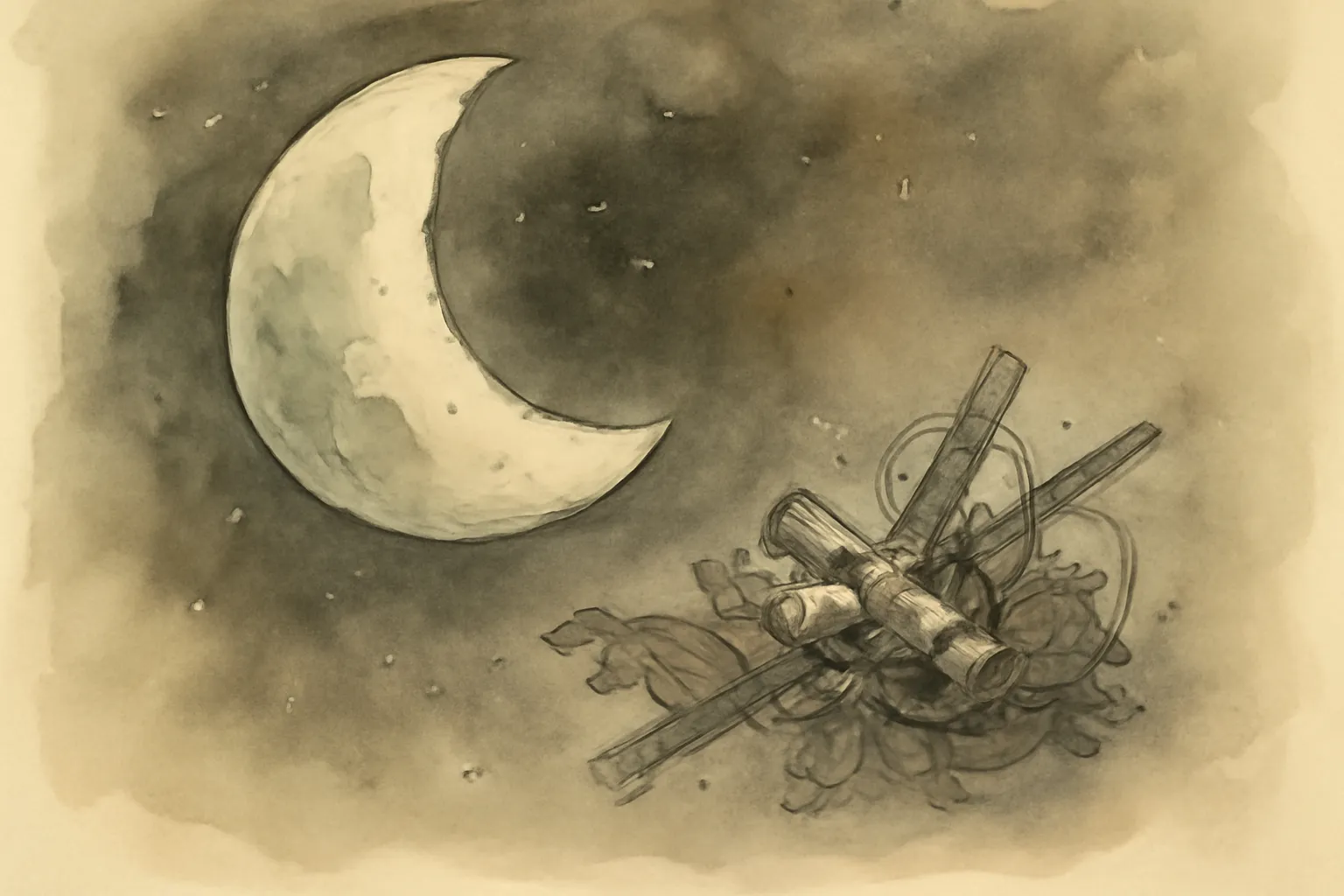
Seveneves begins with the sudden destruction of the Moon, setting off a chain reaction that will render Earth uninhabitable. This existential threat forces humanity to confront its own vulnerability, but also to mobilize its collective intelligence and resources. The novel meticulously details the technical, political, and ethical challenges of building a sustainable human presence in orbit, highlighting both the brilliance and the limitations of our problem-solving abilities. It asks: Can our ingenuity outpace our self-destructive tendencies when the stakes are ultimate?
2.The Politics of Survival
Stephenson doesn’t shy away from the messiness of human nature. As the survivors on the International Space Station struggle to establish a new society, old divisions—national, ideological, and personal—flare up. The story scrutinizes how power, trust, and leadership evolve under extreme pressure, suggesting that even in the face of annihilation, humanity’s social dynamics are as crucial as its technology. The novel explores how cooperation and conflict shape not just who survives, but what kind of civilization endures.
3.Genetic Legacy and the Meaning of 'Human'
A pivotal moment in Seveneves is the decision by a handful of women—the 'Seven Eves'—to use genetic engineering to ensure humanity’s survival. Their choices, driven by necessity and personality, result in seven distinct human races, each embodying different traits. The book probes the ethical and philosophical implications of self-directed evolution: What does it mean to be human when our very nature is deliberately altered? How do identity and diversity evolve when shaped by design rather than chance?
4.Long-Term Consequences and Deep Time
The narrative leaps five thousand years into the future, revealing a thriving, spacefaring civilization descended from the original survivors. This shift reframes the story, inviting readers to consider the unpredictable ripple effects of decisions made in crisis. Stephenson uses this vast timescale to explore how myths, memories, and social structures mutate over millennia, and how the past continues to shape the present—even when the world itself has been transformed beyond recognition.
5.Science as Both Salvation and Limitation
Seveneves is renowned for its hard science: orbital mechanics, genetics, engineering, and more are rendered in painstaking detail. Yet the novel also acknowledges the limits of technical solutions. Human error, unforeseen variables, and emotional complexity repeatedly disrupt even the best-laid plans. The book suggests that while science is our best tool for survival, it cannot eliminate uncertainty or human fallibility.
6.Resilience and Hope Amid Catastrophe
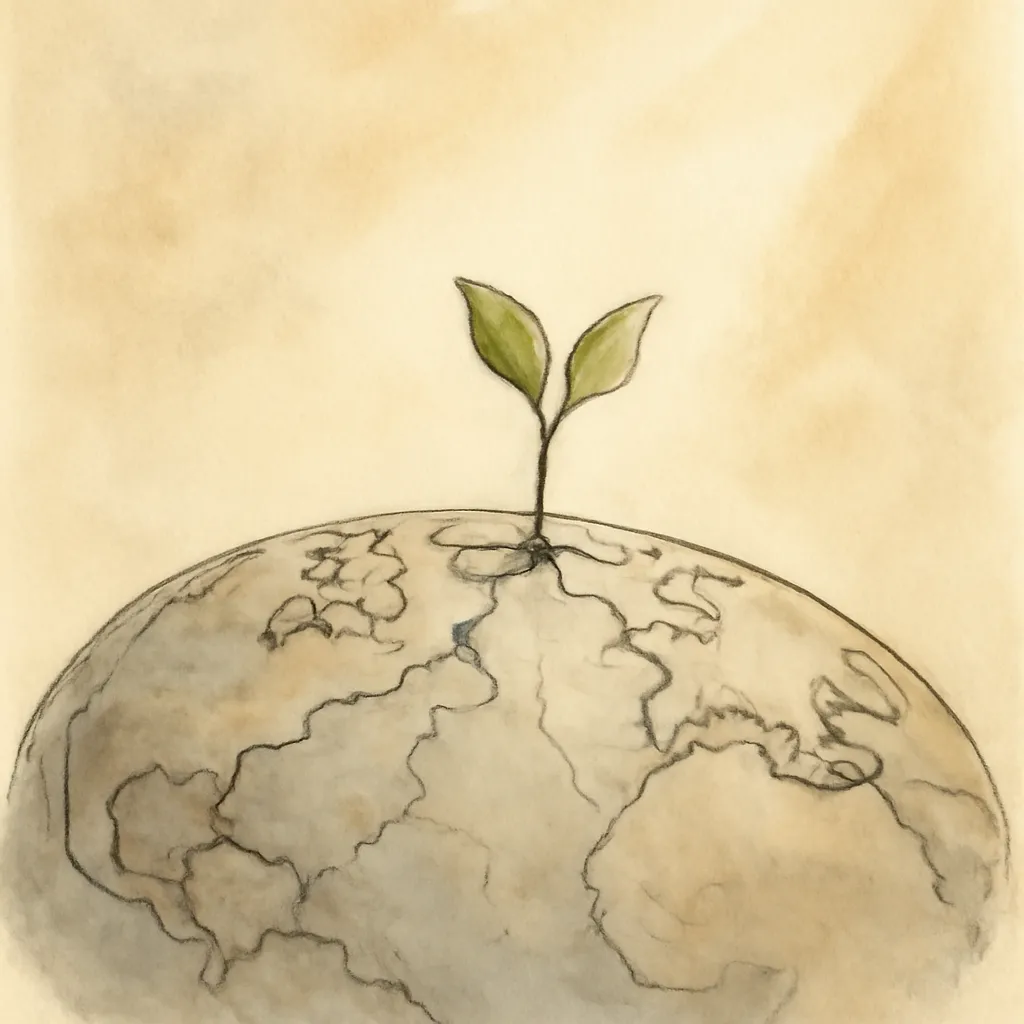
Despite its apocalyptic premise and often harrowing events, Seveneves is ultimately a story of resilience. The survivors endure unimaginable losses, yet persist in building a future. The novel’s final act, with humanity returning to a transformed Earth, underscores the enduring capacity for hope, adaptation, and renewal—even after near-total destruction.