1.Heredity Is More Than Genes
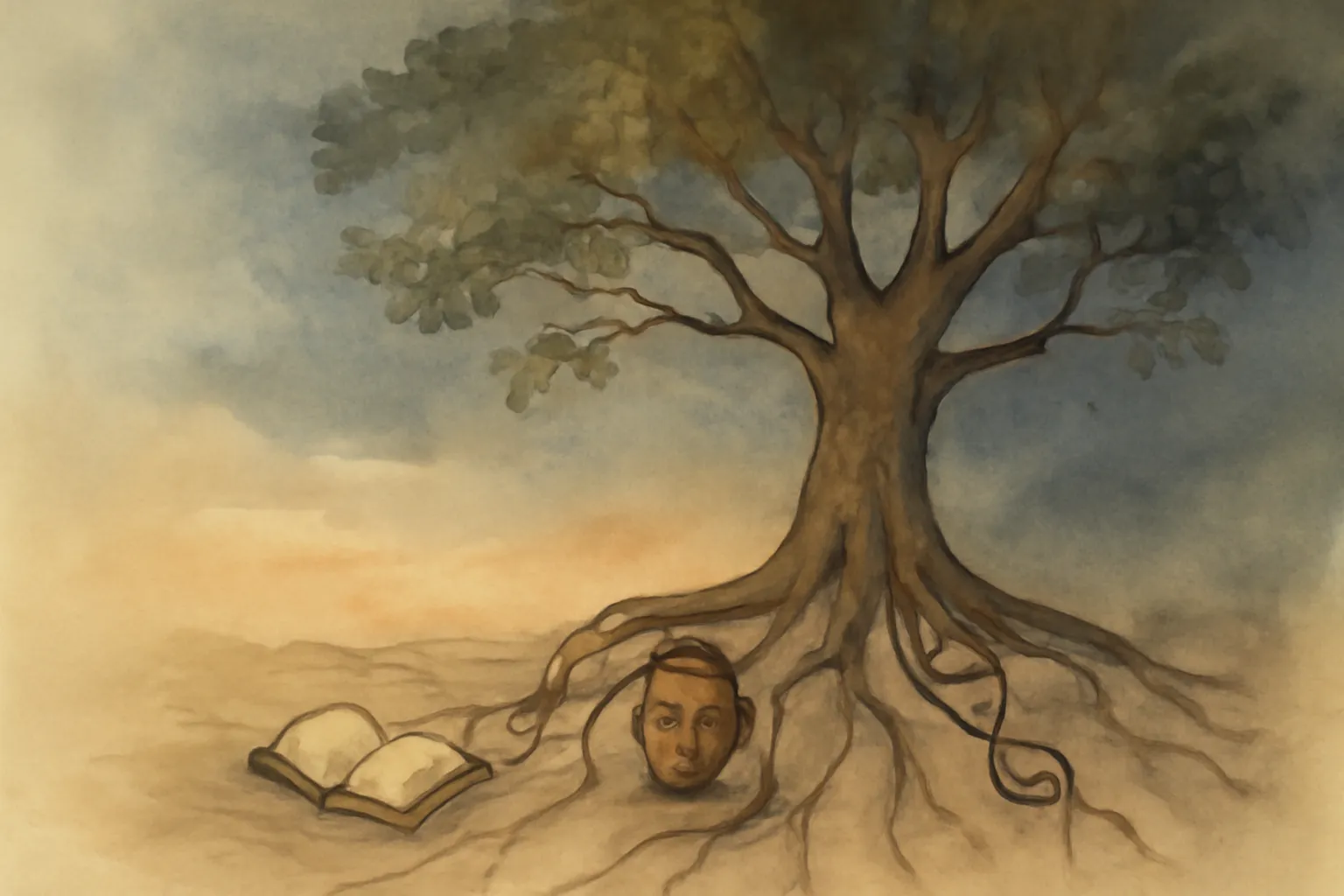
Zimmer argues that heredity is not simply the transfer of genes from parents to children. He expands the concept to include the inheritance of culture, epigenetic changes, and even the microbiome. By tracing the evolution of our understanding of heredity, Zimmer shows how simplistic gene-centric views fail to capture the richness of what is truly passed down. He emphasizes that what we inherit can be biological, social, and technological, challenging readers to see heredity as a dynamic process shaped by many forces.
2.The History of Heredity—and Its Misuse
The book delves into the historical roots of heredity, including how early scientists, philosophers, and even royalty understood and manipulated inheritance. Zimmer confronts the dark legacy of eugenics and the ways in which heredity has been misused to justify social hierarchies and discrimination. By examining these missteps, he urges readers to approach genetic information with humility and caution, recognizing the ethical pitfalls that have accompanied scientific advances.
3.The Unpredictability of Genetic Inheritance
Zimmer explains that genetic inheritance is far from straightforward. Mutations, recombination, and random chance all play a role in shaping who we are. He illustrates how traits can skip generations, how siblings can be genetically quite different, and how even identical twins can diverge due to environmental influences. This unpredictability undermines deterministic views of genetics and highlights the limits of what DNA can tell us about destiny.
4.Epigenetics and Non-Genetic Inheritance
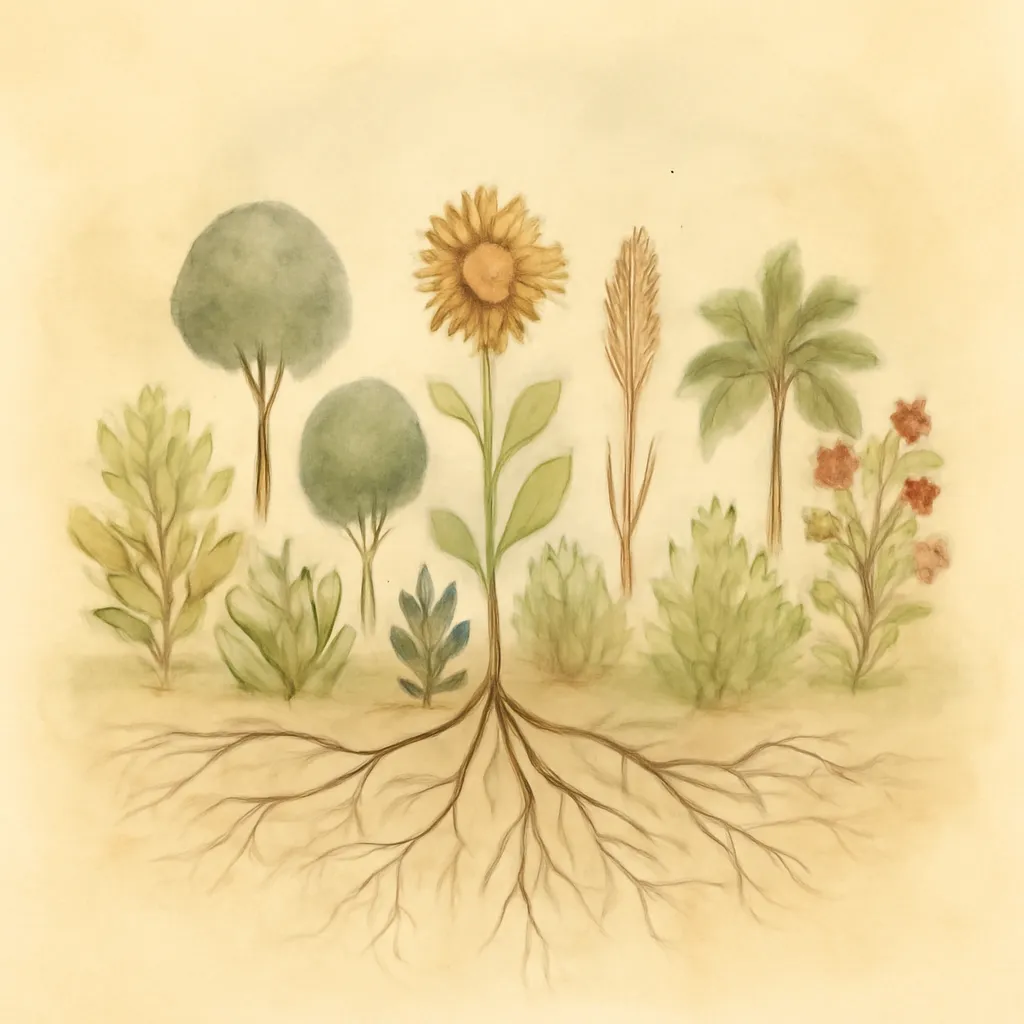
Beyond DNA, Zimmer explores the emerging science of epigenetics—how experiences and environments can leave marks on our genes that affect future generations. He also discusses the inheritance of microbes and the role of symbiotic relationships in shaping health and identity. These insights broaden the definition of heredity and suggest that our legacy is shaped by more than just genetic code.
5.The Ethics and Future of Genetic Technology
With the rise of gene editing and direct-to-consumer genetic testing, Zimmer addresses the urgent ethical questions these technologies raise. He discusses the promises and perils of CRISPR, the potential for designer babies, and the societal implications of widespread genetic knowledge. Zimmer cautions that while these tools offer hope for eradicating disease, they also risk reviving old prejudices and creating new forms of inequality.
6.Personal Narratives and the Human Side of Heredity
Interwoven with scientific exposition are Zimmer’s own stories, particularly as a father. These personal reflections ground the science in everyday experience, illustrating how questions of heredity touch all families and individuals. By sharing stories from his own life and those of others, Zimmer makes the science relatable and underscores the profound human stakes of understanding what we inherit.