Heredity · Evolutionary genetics · Long Now Manual for Civilization
She Has Her Mother's Laugh by Carl Zimmer — Summary, Key Ideas & Quotes
2018664 pages✦ 3-min Big ideas★ 2.0 (1)
Rate it
"In this thought-provoking book, award-winning New York Times columnist and science writer Carl Zimmer presents a history of our understanding of heredity, in a wide-ranging, ambitious and original investigation of a force that has crucially shaped human society--and is set to shape our future even more radically. Heredity isn't a simple matter of genes that pass from parent to child. It continues within our own bodies, as a single cell gives rise to the trillions that make up an adult. We say we inherit genes from our ancestors--using a verb that once specifically referred to kingdoms and aristocratic estates--but we also inherit other things that matter as much or more to our lives, from microbes to the technologies we use to make life more comfortable. We need a new--broader-ranging--definition of what heredity is. Weaving historical and current scientific research, original reporting and his own experience as a father of two daughters, Zimmer unpacks the urgent ethical quandries that arise from new biomedical technologies, but also long-standing presumptions about who we really are and what it is that we can pass on to future generations"--Back cover.
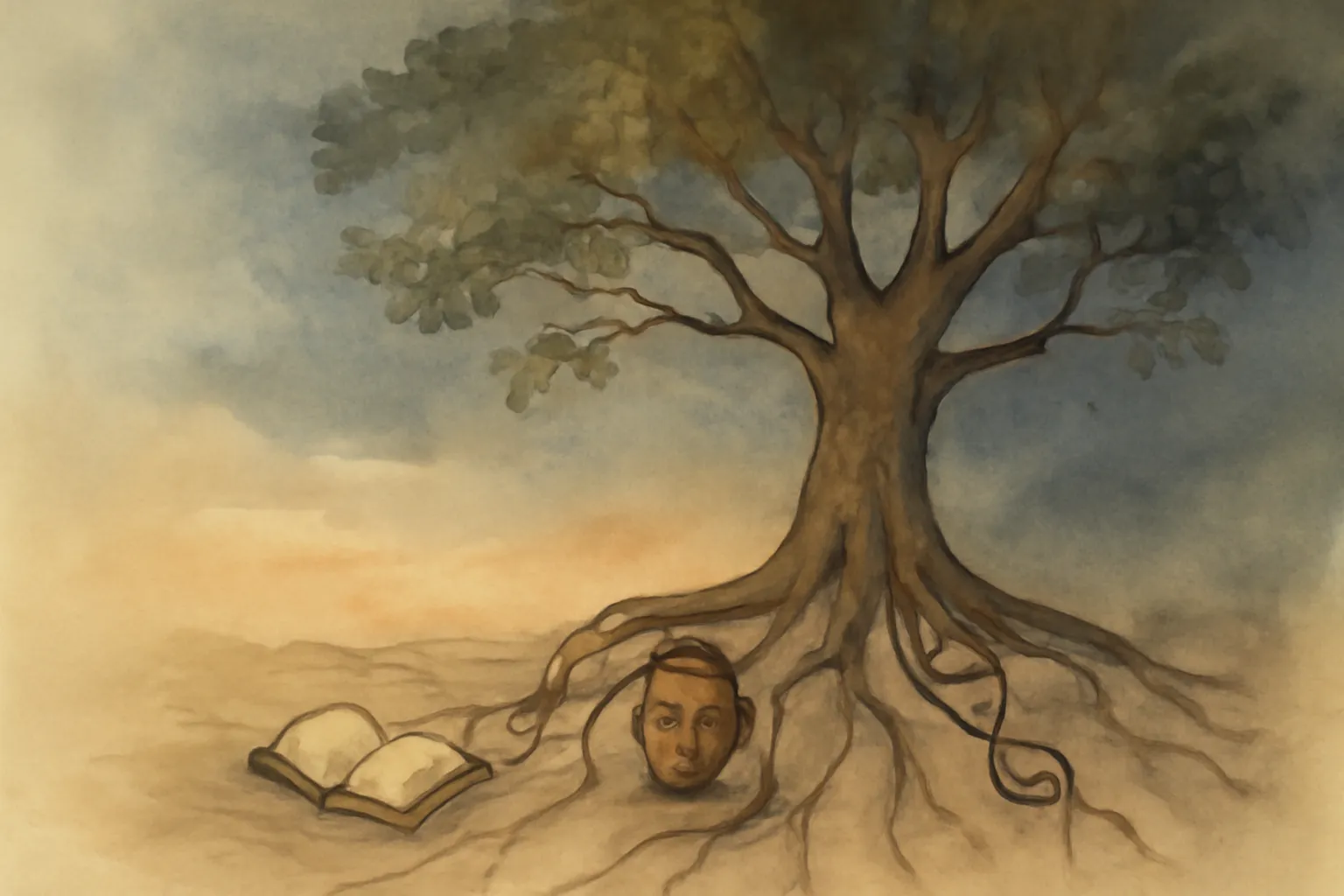
Zimmer argues that heredity is not simply the transfer of genes from parents to children. He expands the concept to include the inheritance of culture, epigenetic changes, and even the microbiome. By tracing the evolution of our understanding of heredity, Zimmer shows how simplistic gene-centric views fail to capture the richness of what is truly passed down. He emphasizes that what we inherit can be biological, social, and technological, challenging readers to see heredity as a dynamic process shaped by many forces.
The book delves into the historical roots of heredity, including how early scientists, philosophers, and even royalty understood and manipulated inheritance. Zimmer confronts the dark legacy of eugenics and the ways in which heredity has been misused to justify social hierarchies and discrimination. By examining these missteps, he urges readers to approach genetic information with humility and caution, recognizing the ethical pitfalls that have accompanied scientific advances.
“We are all experiments, and our lives are the data.”
“Heredity is not a cage, but a history.”