1.The Weight of Identity
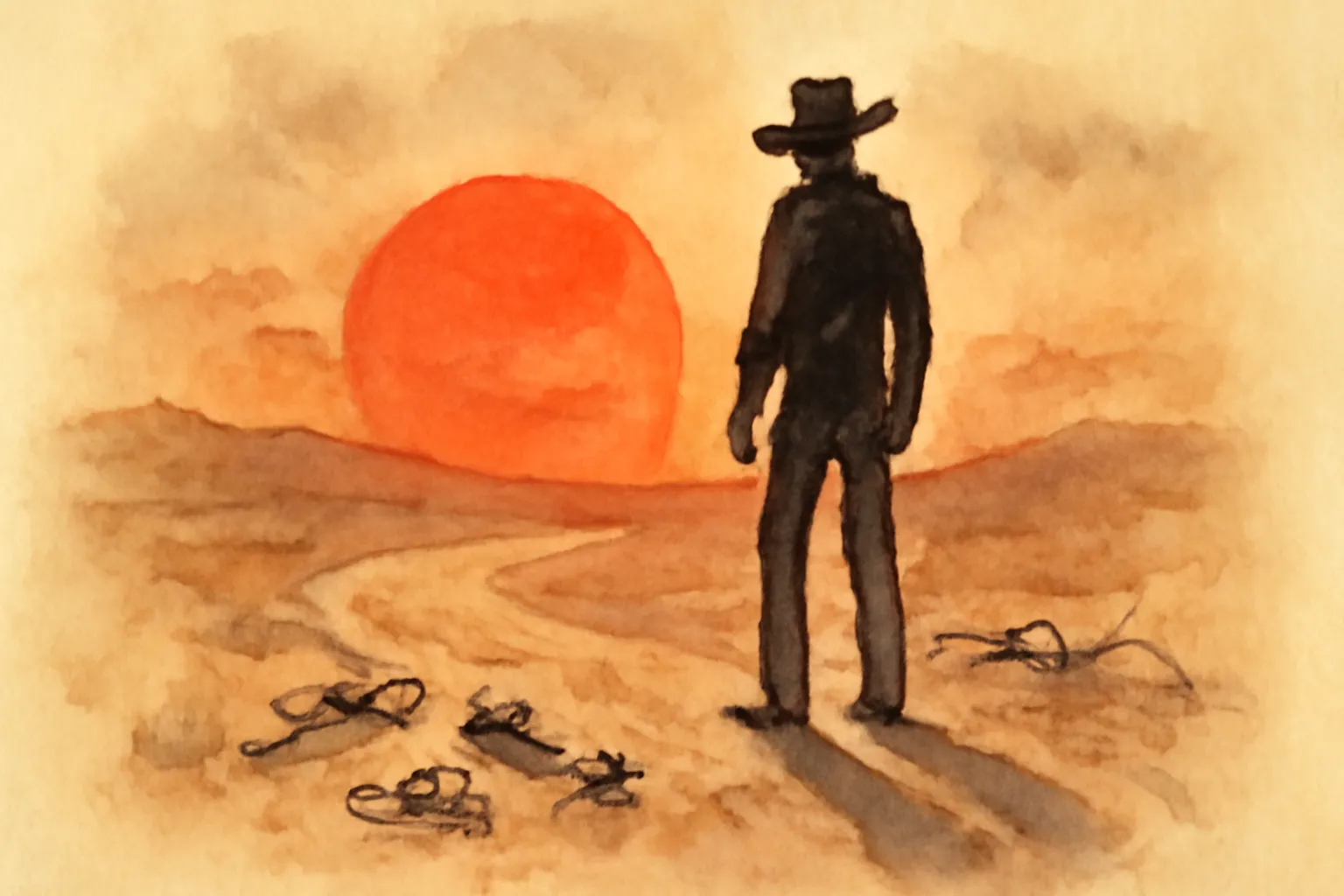
Buck Stratton's journey is not just about reclaiming his ranch; it's a quest for identity and belonging. After returning from the war, he finds himself in a world where he is no longer recognized as the man he used to be. The transformation from a presumed dead war hero to a stranger in his own land highlights the fragility of identity. Buck grapples with the implications of his past decisions and the way they shape his present circumstances. He must navigate the complexities of being both a ranch owner and a man seeking justice, all while reconciling the memories of who he once was with the harsh realities of his new life. This tension between past and present serves as a driving force in the narrative, illustrating how deeply intertwined identity is with one's sense of purpose and belonging.
2.The Ranch as a Microcosm of Deceit
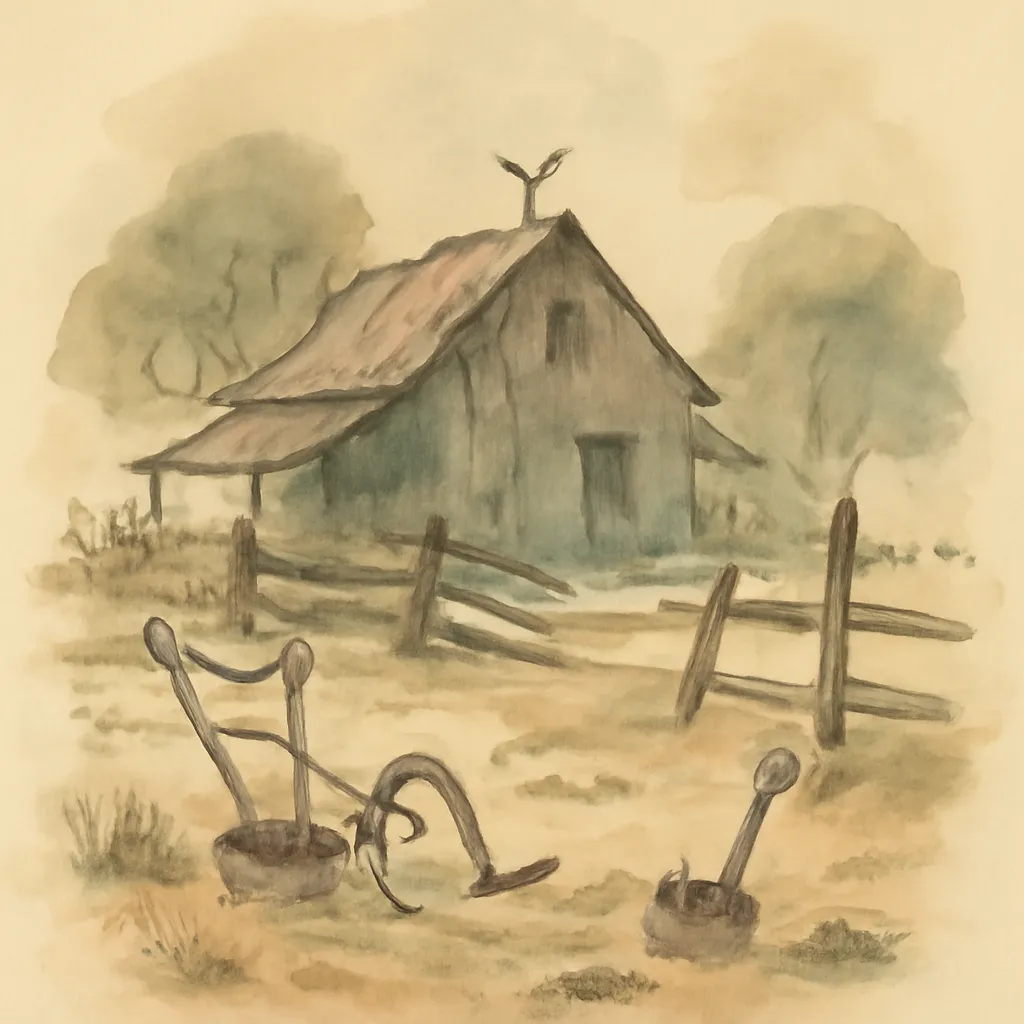
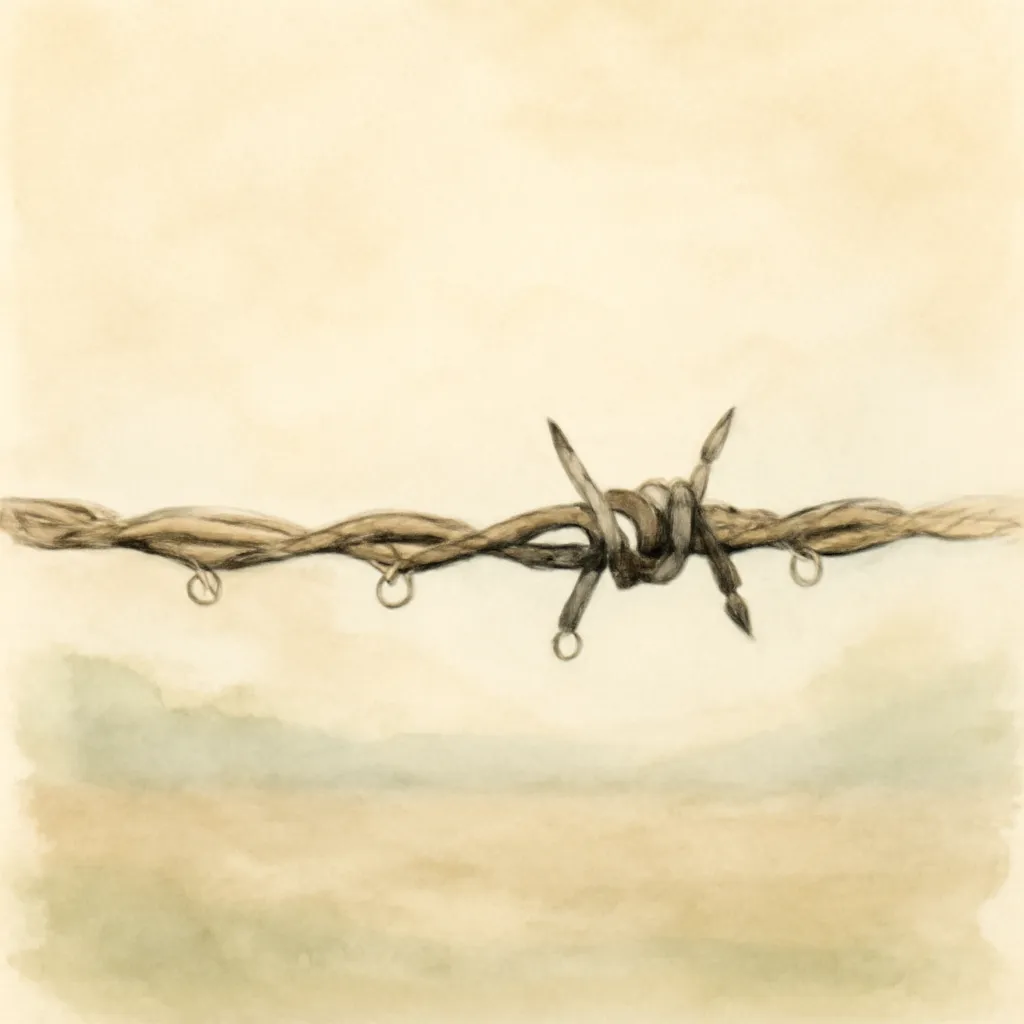
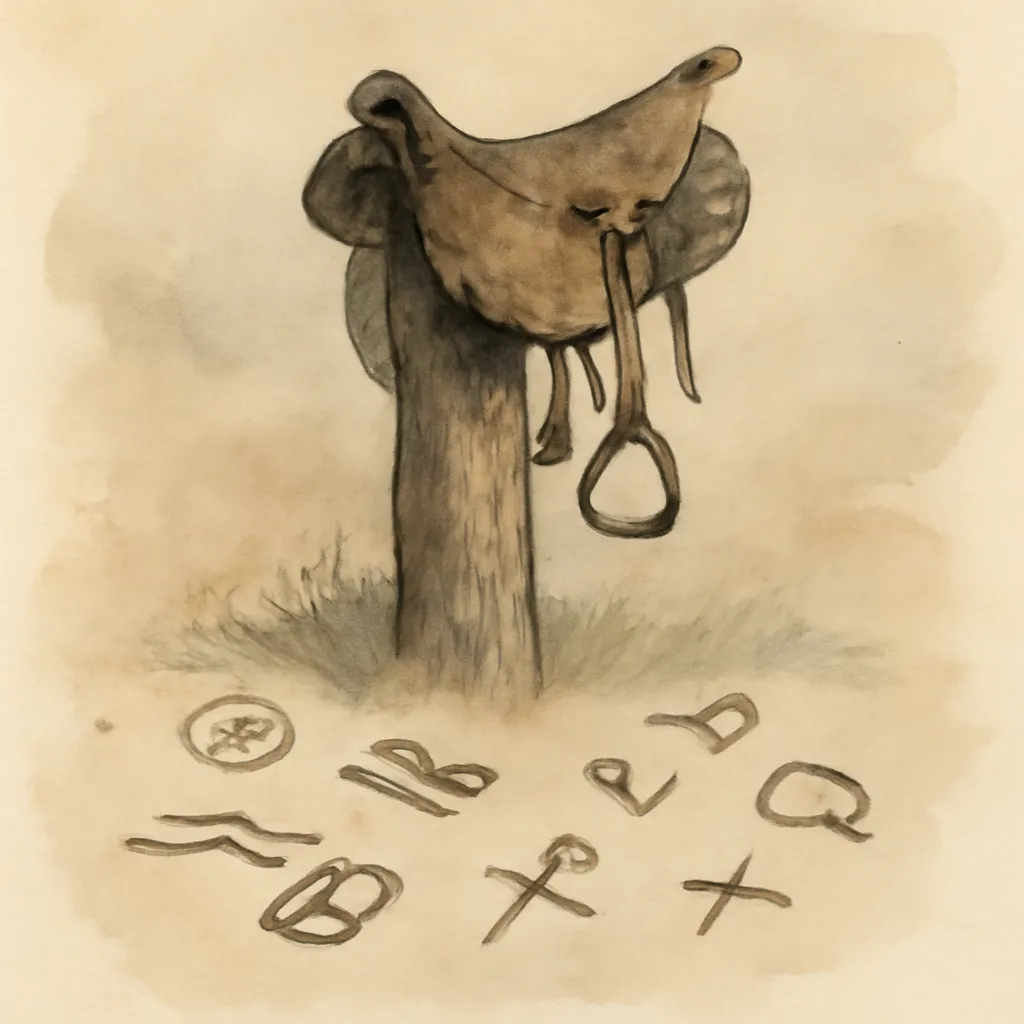
The Shoe-Bar ranch serves as a microcosm of betrayal and treachery, reflecting the broader themes of the novel. Upon his return, Buck discovers that the ranch is rife with corruption, led by the cunning foreman Tex Lynch, who has orchestrated a plan to swindle Buck's inheritance. This environment of deceit is not just limited to Lynch; it permeates through the ranks of the ranch hands and even reaches into the hearts of those Buck thought he could trust. The juxtaposition of the rugged, open landscape with the hidden machinations of the characters creates a rich narrative tension. Each character's motivations are steeped in their own desires, fears, and pasts, making the ranch a battleground where trust is a rare commodity. This theme invites readers to reflect on the nature of loyalty and the lengths individuals will go to protect their interests.
3.The Role of Women in a Man's World
Mary Thorne's character is a pivotal element in the story, challenging traditional gender roles in the rugged world of cattle ranching. As a woman running her father's ranch after his death, Mary embodies strength and resilience in a male-dominated environment. Her struggles to gain respect and authority among the ranch hands highlight the societal challenges women faced during this era. Despite the obstacles, Mary is portrayed as competent and capable, managing the ranch with a foreman who has his own agenda. Her interactions with Buck reveal the complexities of navigating personal relationships in a world where trust is paramount. As she grapples with her feelings for Buck and her loyalty to her ranch, Mary emerges as a nuanced character who defies expectations, demonstrating that women can hold power and agency in their own right.
4.The Complexity of Trust
Trust is a central theme in Shoe-Bar Stratton, intricately woven into the relationships between characters. Buck's return to the ranch is marked by a profound sense of mistrust—both of himself and those around him. The revelation that his former lawyer, Andrew Thorne, may have been complicit in the attempt to rob him of his legacy deepens Buck's sense of betrayal. The interactions between Buck and Tex Lynch are laced with suspicion, as Buck must constantly evaluate whether Lynch's actions are driven by personal vendetta or mere opportunism. This complexity is further illustrated through Buck's relationship with Mary, where the line between ally and adversary becomes blurred. The narrative prompts readers to consider how trust can be both a source of strength and a vulnerability, shaping the dynamics of each character's journey.
5.The Price of Loyalty
The characters in Shoe-Bar Stratton grapple with the concept of loyalty and the sacrifices it entails. Buck's loyalty to his ranch and its legacy drives him to confront the challenges posed by Lynch and his gang. This loyalty is put to the test as he navigates the treacherous waters of ranch politics, where alliances shift and loyalties can be easily bought or sold. The theme of loyalty is also reflected in the relationships among the ranch hands, who must decide where their allegiances lie in the face of corruption and greed. The tension between personal loyalty and the greater good is a recurring motif, forcing characters to make difficult choices that reveal their true natures. Through these conflicts, the narrative explores the idea that loyalty, while noble, can also lead to dire consequences when misplaced.
6.The Struggle for Justice
Buck's quest for justice is a driving force of the narrative, illustrating the lengths to which one must go to reclaim what is rightfully theirs. His journey is fraught with challenges, as he must not only confront the physical dangers of the open range but also the moral ambiguities of justice in a lawless land. The absence of formal authority in the ranching community means that Buck must take matters into his own hands, often leading to violent confrontations. This struggle is not just about reclaiming his ranch; it's also about restoring his sense of self and righting the wrongs that have been inflicted upon him. The narrative highlights the complexities of justice, suggesting that it is not always black and white, and that the pursuit of justice often requires sacrifices and difficult decisions.
7.Nature as a Character
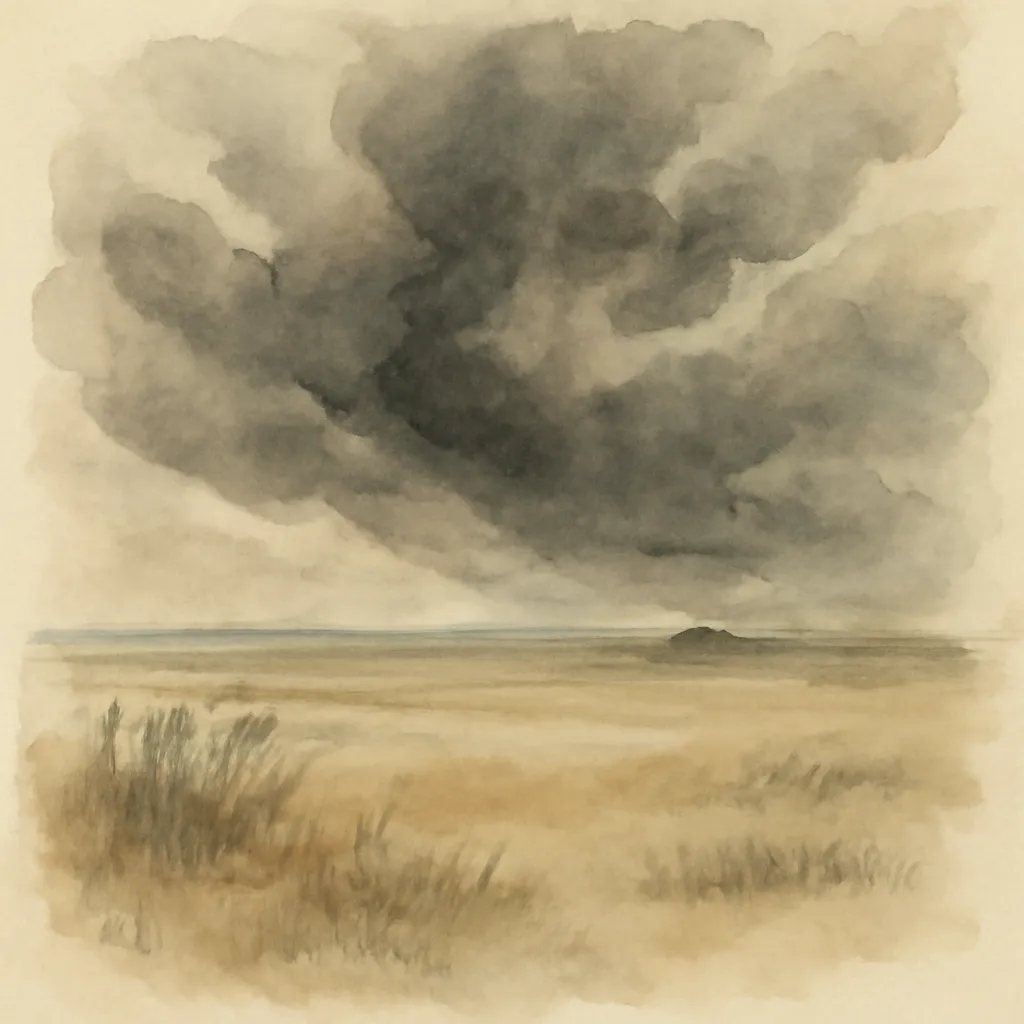
The vast and unforgiving landscape of the American West plays a significant role in shaping the story and its characters. The prairie, with its rolling hills and expansive skies, serves not only as a backdrop but also as a character in its own right. The harshness of the environment mirrors the struggles faced by Buck and the other characters, emphasizing themes of survival and resilience. The landscape's beauty is juxtaposed with its dangers—storms, rough terrain, and the ever-present threat of rustlers—creating an atmosphere of tension and uncertainty. The natural world reflects the internal conflicts of the characters, as they navigate their own tumultuous emotions amidst the serenity and brutality of the prairie. This interplay between nature and character deepens the reader's engagement with the story, highlighting the interconnectedness of environment and human experience.
8.The Impact of War
Buck's experiences in the war have left an indelible mark on his character, shaping his worldview and influencing his actions throughout the story. The psychological scars of combat are evident in his interactions with others, as he grapples with feelings of isolation and the struggle to reintegrate into civilian life. The war serves as a backdrop to his journey, affecting not only his personal identity but also his relationships with those around him. The narrative explores the theme of trauma and its long-lasting effects, illustrating how the horrors of war can linger long after the battles have ended. Buck's journey is not only one of physical reclamation but also of emotional healing, as he learns to confront his past and forge a new path forward. This exploration of war's impact adds depth to the narrative, inviting readers to consider the broader implications of conflict on individuals and communities.
9.Friendship and Betrayal
The relationships between characters in Shoe-Bar Stratton are complex, often oscillating between friendship and betrayal. Buck's bond with his fellow ranch hands is tested as suspicions arise and loyalties are questioned. The tension between Buck and Tex Lynch exemplifies this duality, as they navigate a landscape where trust is scarce and betrayal can come from unexpected places. The narrative delves into the intricacies of friendship, illustrating how it can be both a source of strength and a potential weakness. As Buck seeks allies in his quest for justice, he must discern who among his acquaintances can be trusted and who may pose a threat. This exploration of friendship and betrayal enriches the narrative, highlighting the emotional stakes involved in Buck's journey.
10.The Legacy of the Past
The past looms large over the characters in Shoe-Bar Stratton, shaping their motivations and influencing their actions. Buck's return to the ranch is not merely a physical journey; it is also an exploration of his father's legacy and the burdens it carries. The shadow of his father's decisions and the impact they have had on the present create a sense of urgency in Buck's quest. The narrative raises questions about how the past informs the present and how individuals grapple with the legacies they inherit. As Buck confronts the consequences of his father's actions, he must come to terms with his own identity and the choices he will make moving forward. This theme underscores the idea that the past is never truly behind us; it continually shapes our present and future.