1.Culture Clash and Adaptation
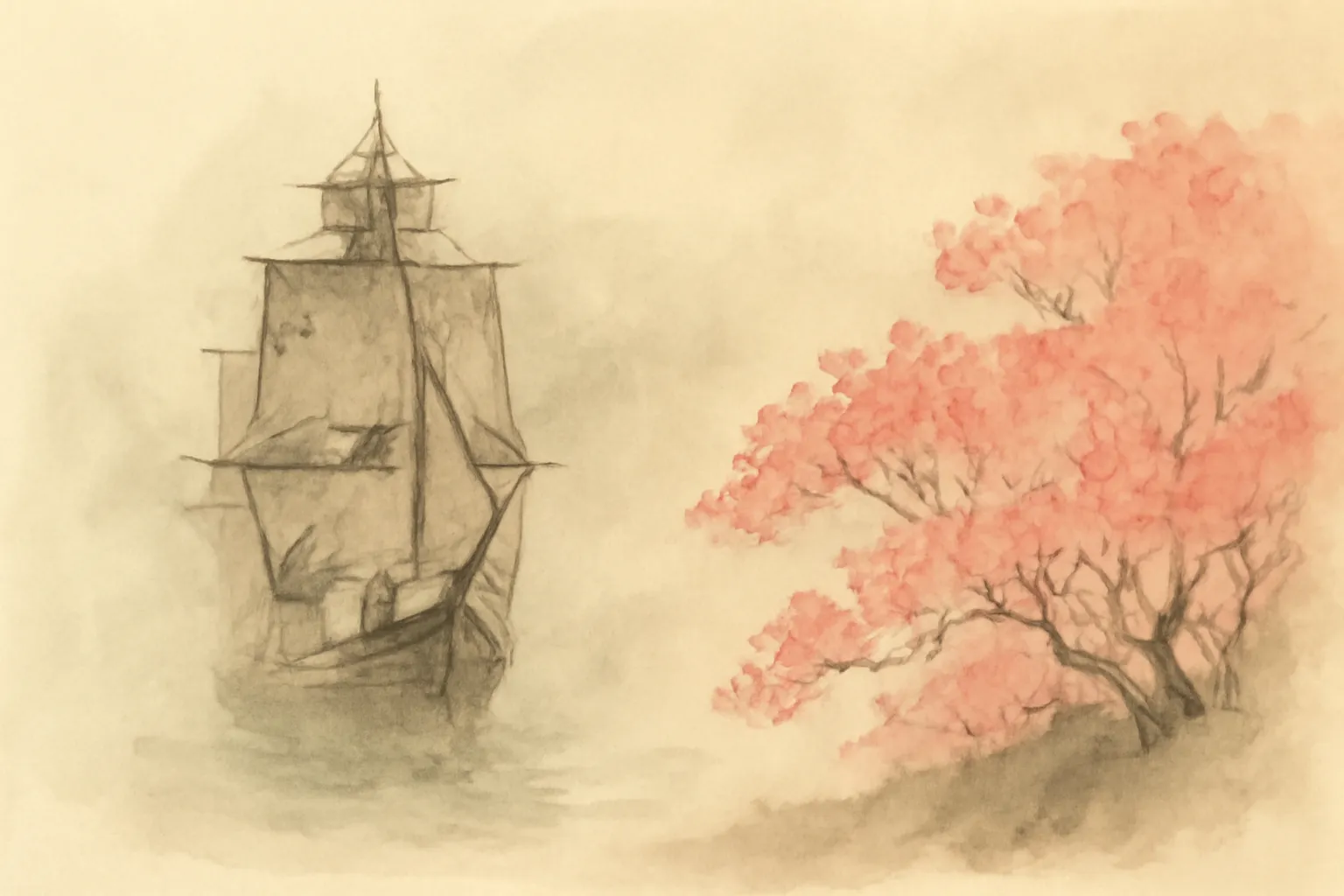
At its core, Shōgun examines the profound dissonance and fascination that arise when two vastly different cultures collide. Blackthorne, the English navigator, is thrust into a society governed by codes, rituals, and values alien to his own. Clavell uses Blackthorne’s bewilderment and gradual adaptation to illuminate both the strengths and blind spots of Western and Japanese worldviews. The novel shows that survival and influence depend on openness, curiosity, and the ability to adapt, rather than brute force or rigid adherence to one’s origins.
2.Power, Loyalty, and Ambition
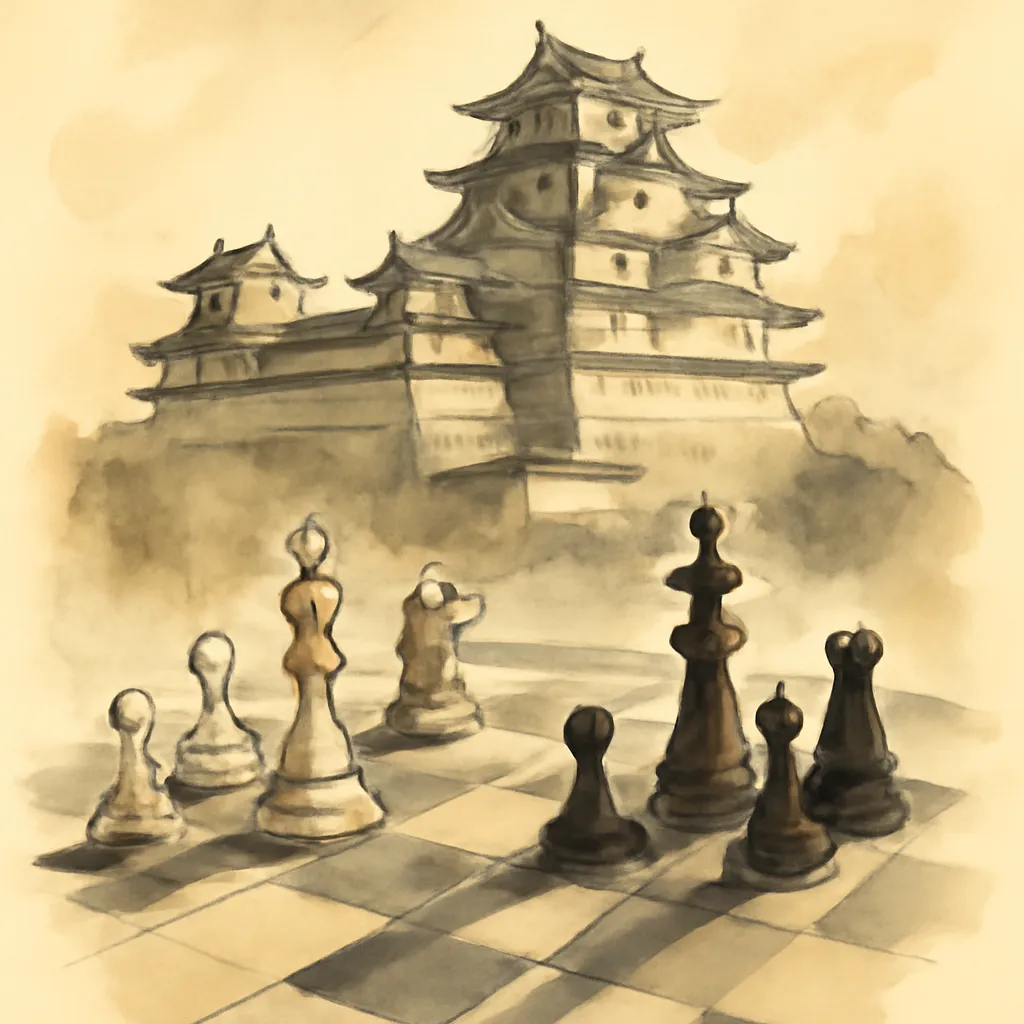
The political landscape of feudal Japan is a chessboard of shifting alliances, ruthless ambition, and strict hierarchies. Through the machinations of Lord Toranaga and his rivals, Clavell explores the nature of power—how it is gained, wielded, and lost. Loyalty is both a virtue and a weapon, and characters must navigate treacherous waters where personal ambition often clashes with duty. The novel’s intricate plotting offers insight into the universality of political gamesmanship, regardless of era or culture.
3.Identity and Transformation
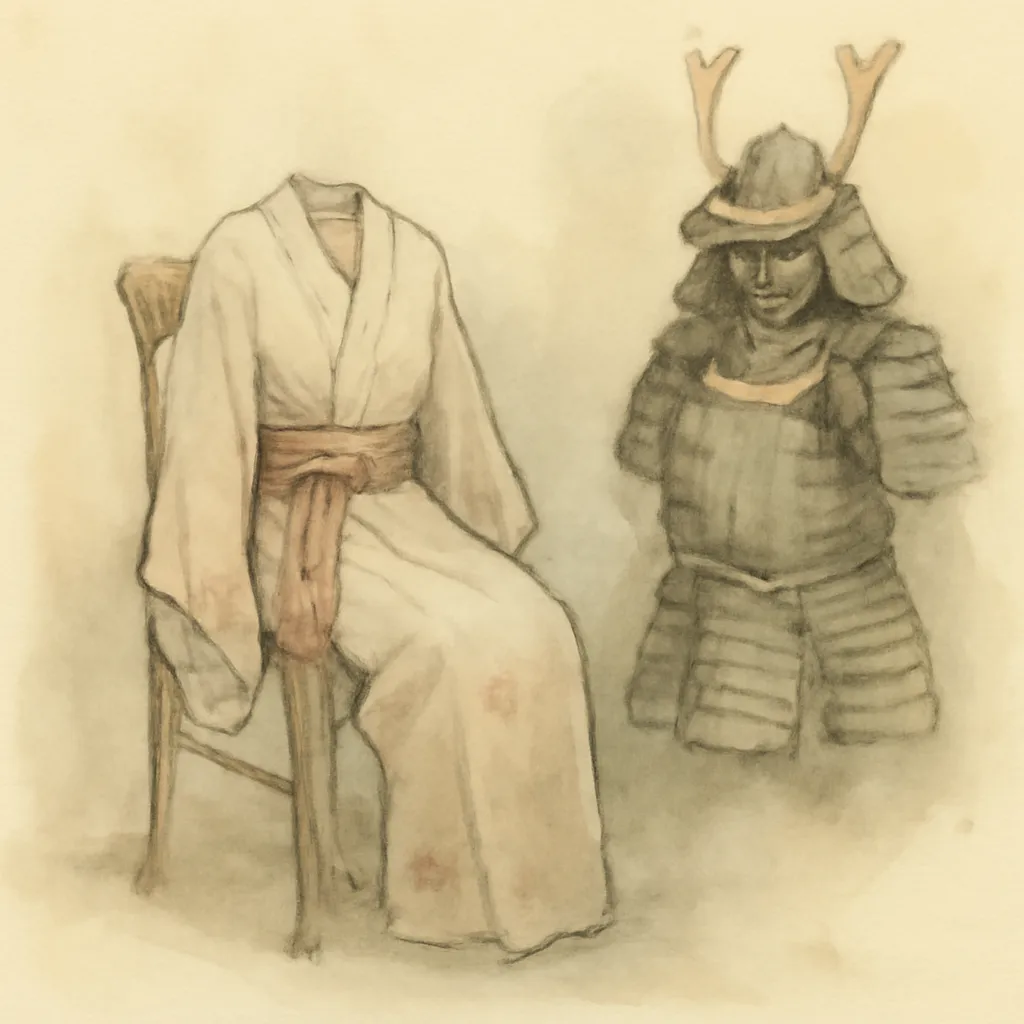
Blackthorne’s journey is as much internal as external. Forced to question his assumptions about honor, faith, and self, he is gradually transformed by his immersion in Japanese society. The novel raises questions about what defines identity: is it birthplace, belief, or the choices one makes when confronted with the unfamiliar? Clavell suggests that identity is fluid, shaped by experience and the willingness to learn from others.
4.The Role of Women and Gender Dynamics
Shōgun presents complex female characters navigating a patriarchal society, most notably Mariko, whose intelligence, loyalty, and inner conflict are central to the narrative. The novel explores how women exercise agency within restrictive systems, sometimes subverting expectations and influencing events from behind the scenes. This adds depth to the story’s exploration of power and societal roles.
5.Honor, Duty, and the Samurai Ethos
Clavell delves into the samurai code of bushidō, portraying both its nobility and its harshness. Characters are continually tested by the demands of honor and duty, sometimes at the cost of personal happiness or even life itself. The novel invites readers to reflect on the meaning of honor—whether it is universal, or culturally constructed—and the sacrifices it demands.
6.Religion and Worldview
The collision of Christian and Buddhist/Shinto beliefs is a recurring theme, with Blackthorne’s Protestantism clashing with the Catholic Portuguese and the Japanese spiritual landscape. The novel explores how faith shapes worldview, politics, and personal motivations, highlighting both the potential for conflict and for mutual understanding.