1.The Limits of Doctrine
Siddhartha’s journey highlights the inadequacy of secondhand wisdom and formal teachings. While he studies with Brahmins, ascetics, and even the Buddha himself, he ultimately finds that enlightenment cannot be taught—it must be experienced. The novel suggests that true understanding transcends dogma, and that spiritual truth is deeply personal, often found outside traditional paths.
2.Self-Discovery Through Experience
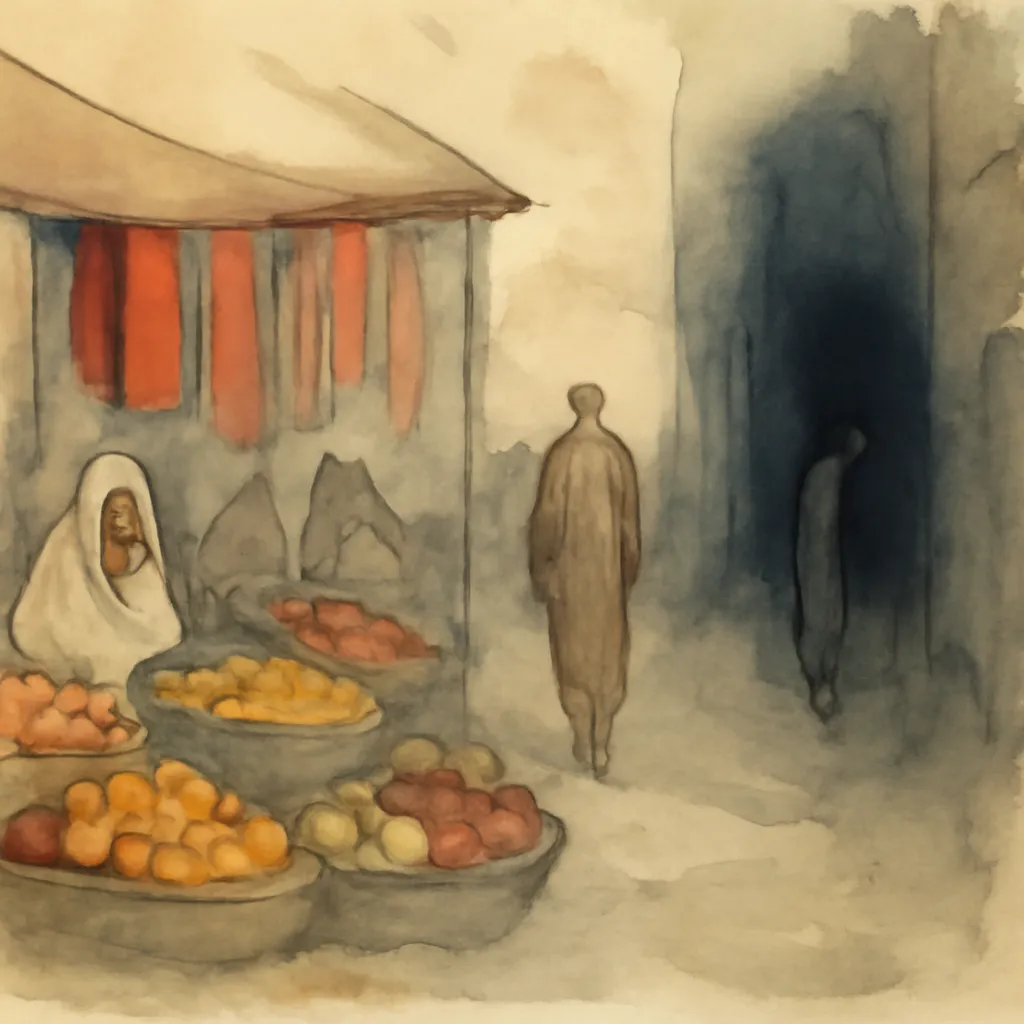
Rather than following a single spiritual path, Siddhartha immerses himself in life’s extremes—asceticism, sensual pleasure, material wealth, and despair. Each phase brings insight, showing that self-knowledge is forged through direct, lived experience. The narrative argues that mistakes and suffering are not detours but essential parts of the journey toward wisdom.
3.Unity and the Illusion of Separation
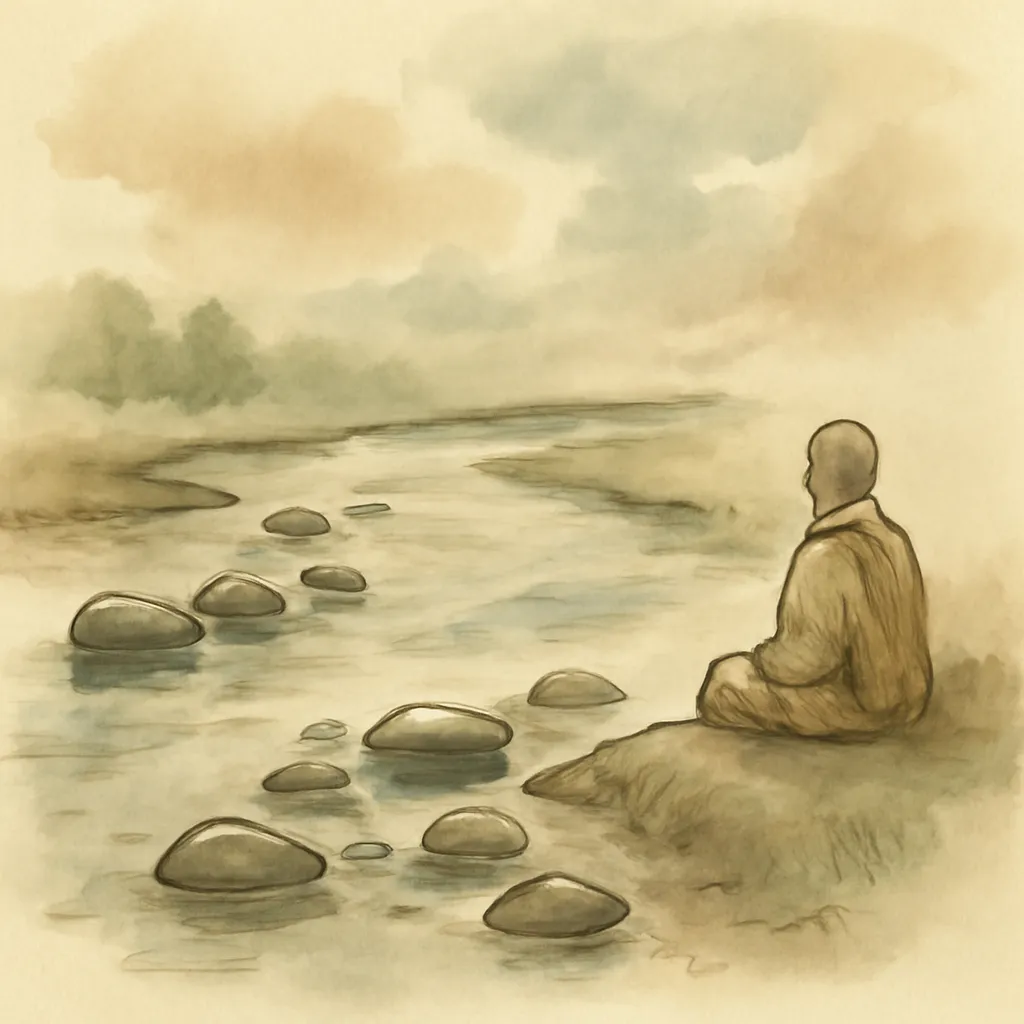
A recurring theme is the interconnectedness of all things. Siddhartha learns to see the unity behind life’s apparent dualities—joy and sorrow, self and world, sacred and profane. This insight culminates in his realization by the river, where he perceives time and existence as a seamless whole, dissolving the boundaries that once divided his understanding.
4.The Role of Teachers and Guides
Throughout his journey, Siddhartha encounters teachers—his father, the Samanas, the Buddha, Kamala, and Vasudeva the ferryman. Each imparts something valuable, but none can give him ultimate answers. The novel suggests that guides can point the way, but the final steps toward enlightenment are solitary and inward.
5.Love, Compassion, and Human Connection
While Siddhartha seeks transcendence, he also learns the necessity of love and compassion. His relationship with his son teaches him empathy and the pain of attachment, rounding out his spiritual quest with a recognition of the human heart’s role in wisdom. The novel ultimately values both detachment and deep connection.
6.The River as a Symbol
The river serves as a powerful metaphor for life’s flow, change, and unity. It becomes Siddhartha’s final teacher, embodying the lessons of impermanence, recurrence, and the simultaneity of all moments. Listening to the river, Siddhartha achieves the peace and understanding he sought, realizing that life’s essence is found in acceptance and presence.