
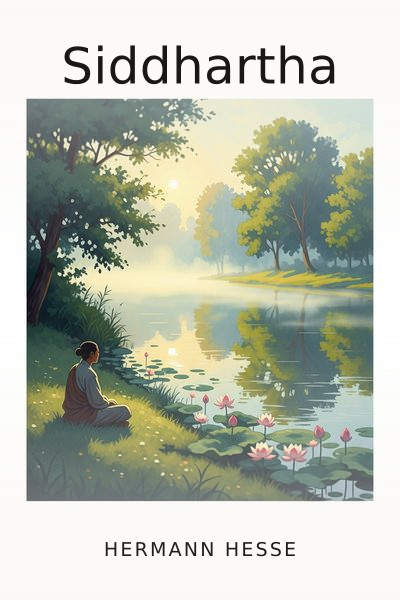
Siddhartha by Hermann Hesse — Summary, Key Ideas & Quotes
2009138 pages✦ 3-min Big ideas
Rate it
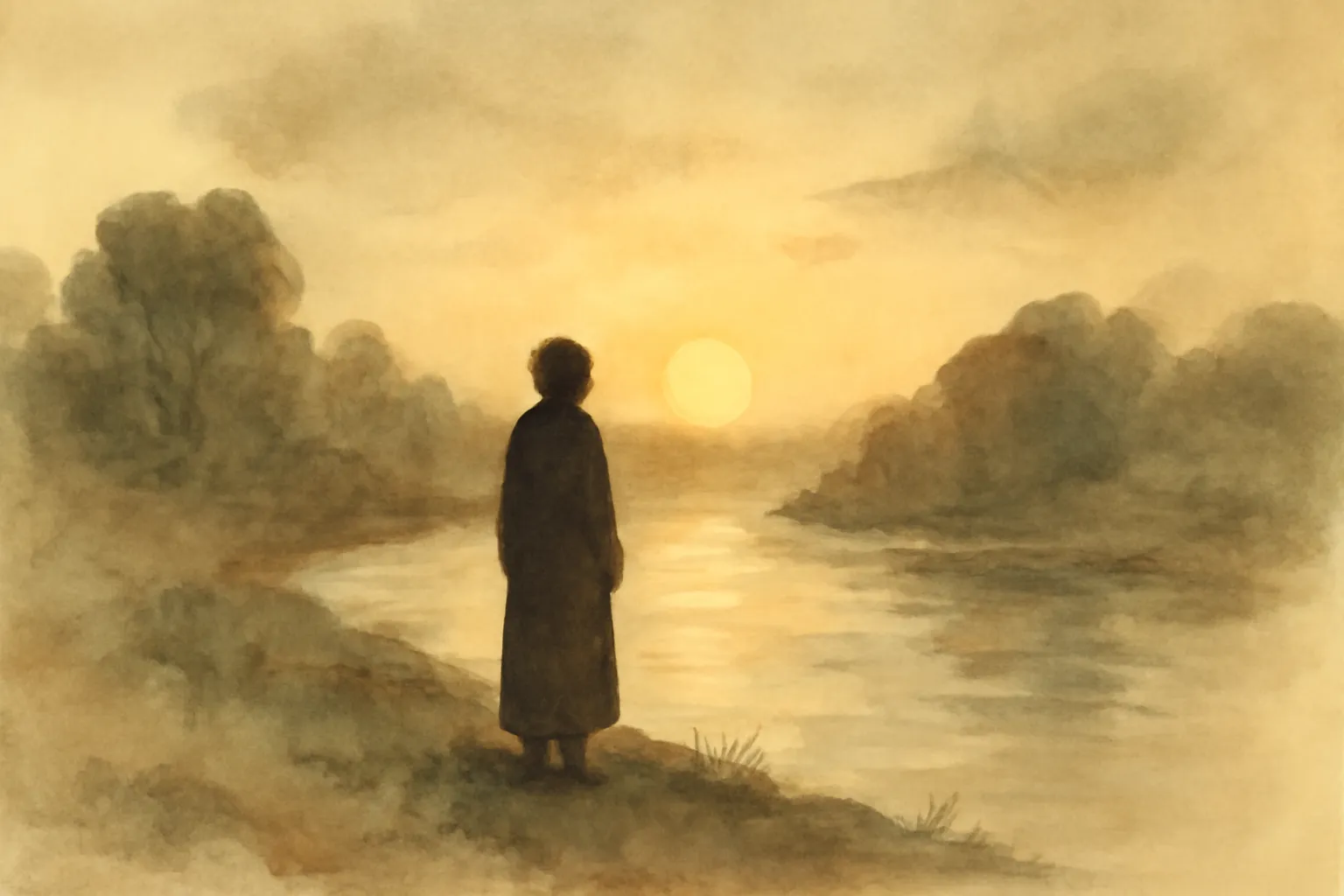
Siddhartha’s journey highlights the inadequacy of secondhand wisdom and formal teachings. While he studies with Brahmins, ascetics, and even the Buddha himself, he ultimately finds that enlightenment cannot be taught—it must be experienced. The novel suggests that true understanding transcends dogma, and that spiritual truth is deeply personal, often found outside traditional paths.
Rather than following a single spiritual path, Siddhartha immerses himself in life’s extremes—asceticism, sensual pleasure, material wealth, and despair. Each phase brings insight, showing that self-knowledge is forged through direct, lived experience. The narrative argues that mistakes and suffering are not detours but essential parts of the journey toward wisdom.
“Wisdom cannot be imparted. Wisdom that a wise man attempts to impart always sounds like foolishness to someone else.”
“When someone seeks, then it easily happens that his eyes see only the thing that he seeks.”
“I can think, I can wait, I can fast.”
“The river is everywhere.”

