Western Civilization · Fiction
Steppenwolf by Hermann Hesse — Summary, Key Ideas & Quotes
1929309 pages✦ 3-min Big ideas
Rate it
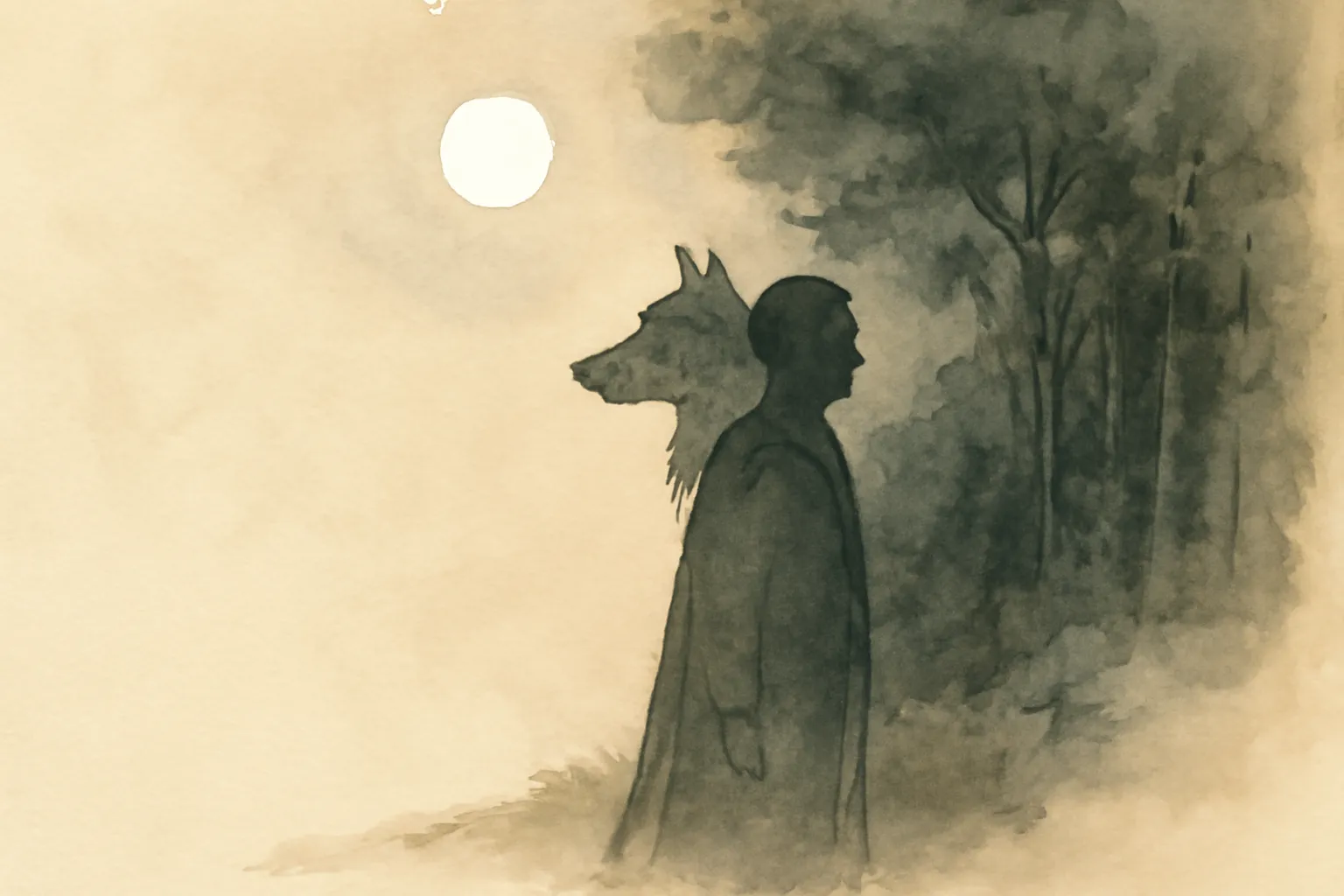
At its core, Steppenwolf is a meditation on the dual aspects of human nature. Harry Haller, the protagonist, sees himself as part man, part wolf—embodying the conflict between his cultivated, intellectual side and his untamed, instinctual urges. Hesse uses this split to probe the complexity of identity, suggesting that individuals are not monolithic but made up of many contradictory impulses. The novel invites readers to recognize and reconcile their own internal divisions rather than suppress or deny them.
Harry’s profound sense of isolation reflects the disconnection many feel in the face of modernity. He is repulsed by bourgeois values and unable to find belonging in conventional society. Hesse uses Harry’s alienation to critique the spiritual emptiness and conformity of the modern world, portraying the struggle to find authentic meaning amid societal pressures. The novel resonates with anyone who has felt out of place or struggled to fit into prevailing norms.
“I am not for the first time alone in this world.”
“Most men will not swim before they are able to.”
“Magic Theater. For Madmen Only. Price of Admission: Your Mind.”
“He who wants music instead of noise, joy instead of pleasure, soul instead of gold, creative work instead of business, passion instead of foolery, finds no home in this trivial world of ours.”