1.The Duality of Human Nature
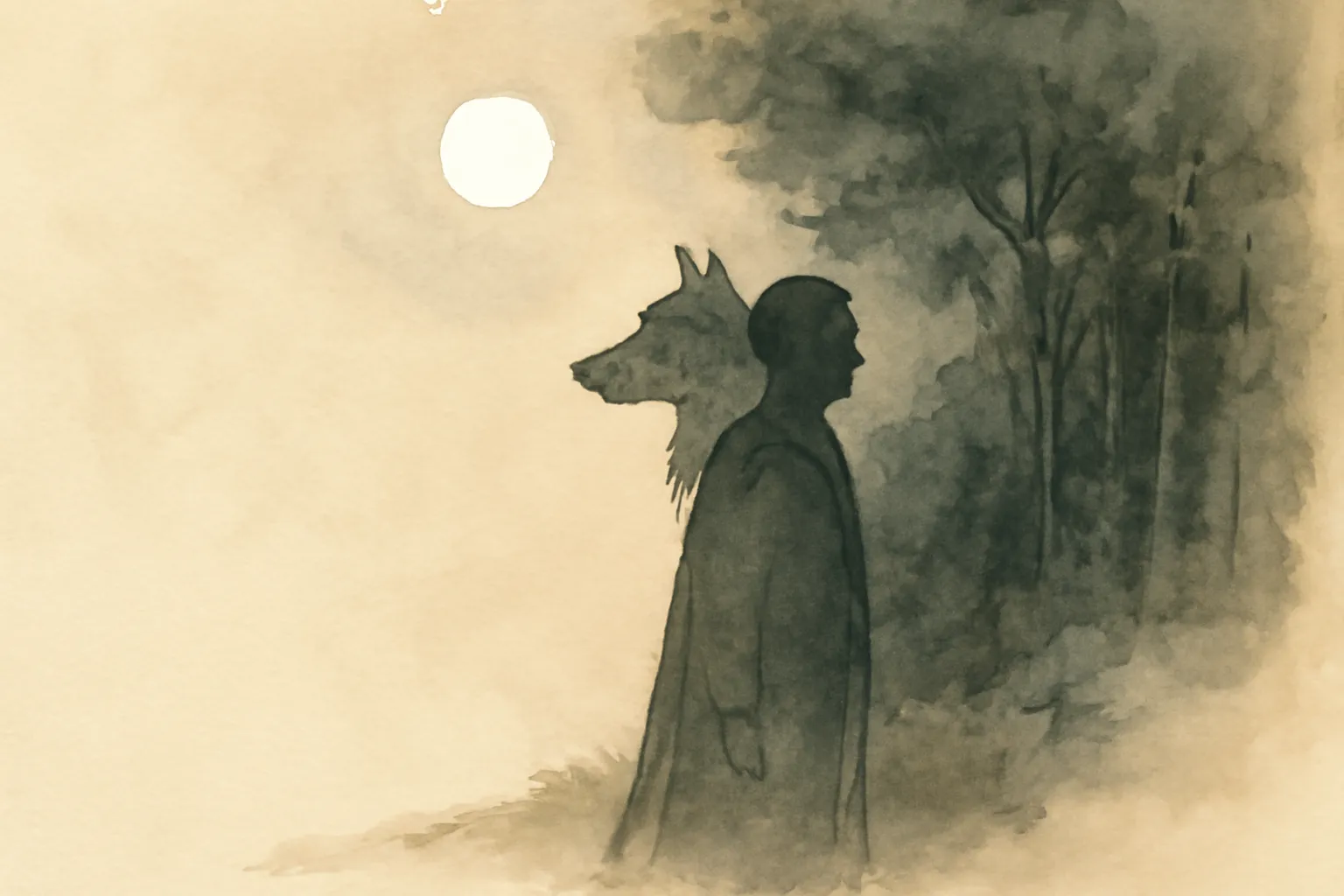
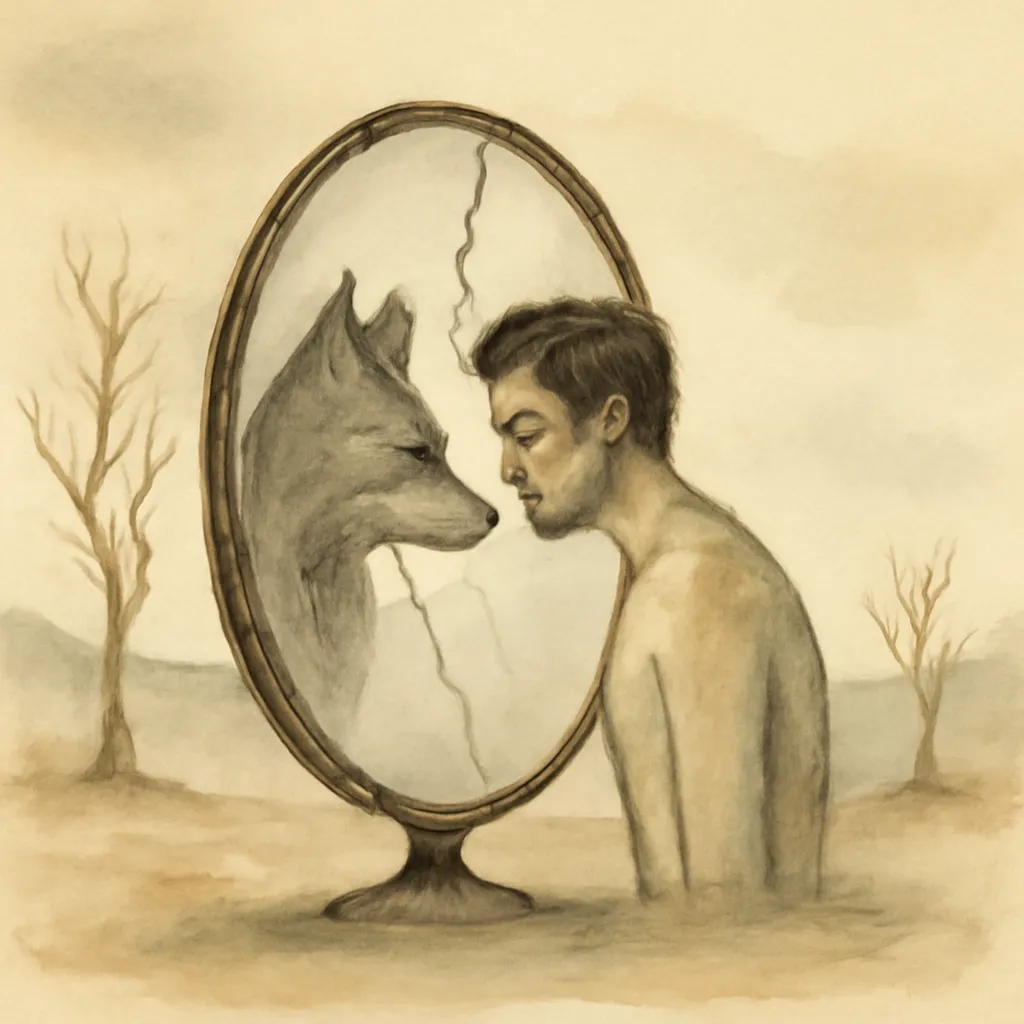
At its core, Steppenwolf is a meditation on the dual aspects of human nature. Harry Haller, the protagonist, sees himself as part man, part wolf—embodying the conflict between his cultivated, intellectual side and his untamed, instinctual urges. Hesse uses this split to probe the complexity of identity, suggesting that individuals are not monolithic but made up of many contradictory impulses. The novel invites readers to recognize and reconcile their own internal divisions rather than suppress or deny them.
2.Alienation in Modern Society
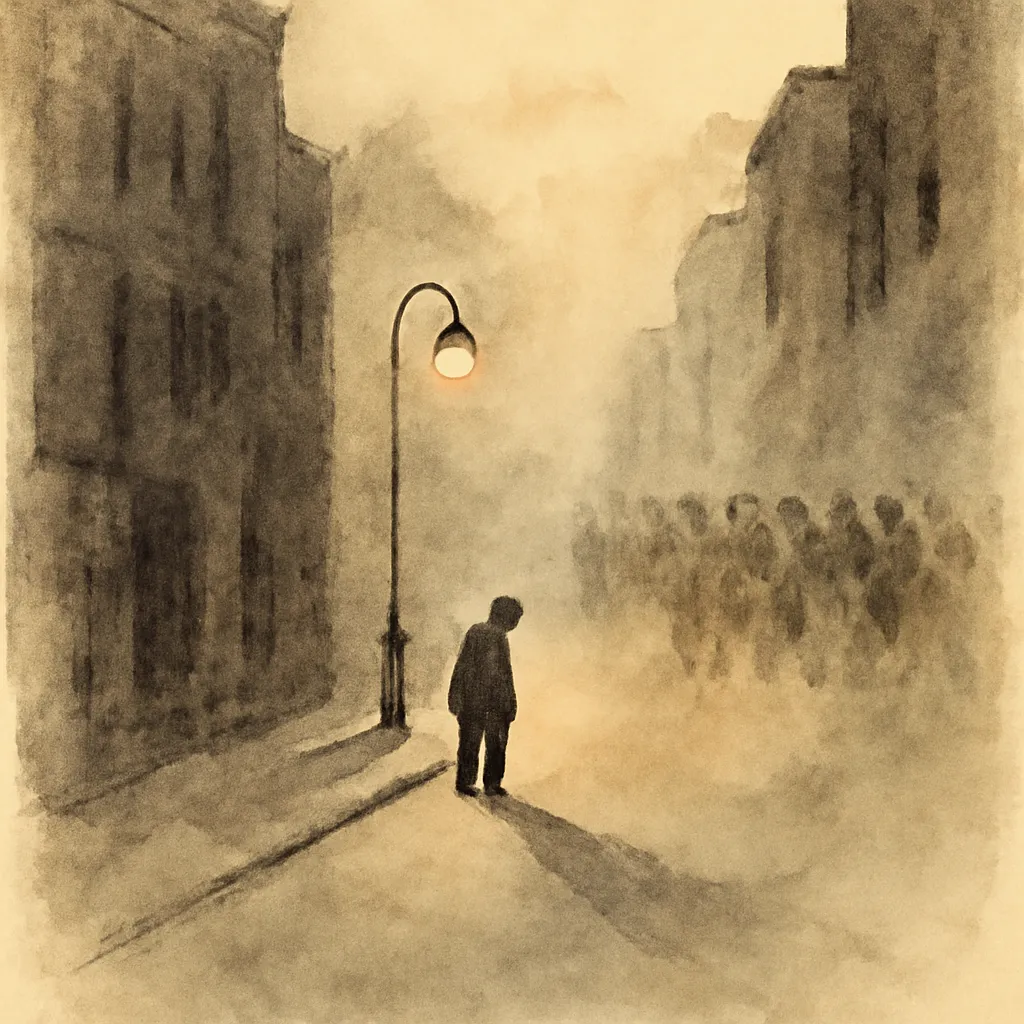
Harry’s profound sense of isolation reflects the disconnection many feel in the face of modernity. He is repulsed by bourgeois values and unable to find belonging in conventional society. Hesse uses Harry’s alienation to critique the spiritual emptiness and conformity of the modern world, portraying the struggle to find authentic meaning amid societal pressures. The novel resonates with anyone who has felt out of place or struggled to fit into prevailing norms.
3.The Search for Meaning and Transcendence
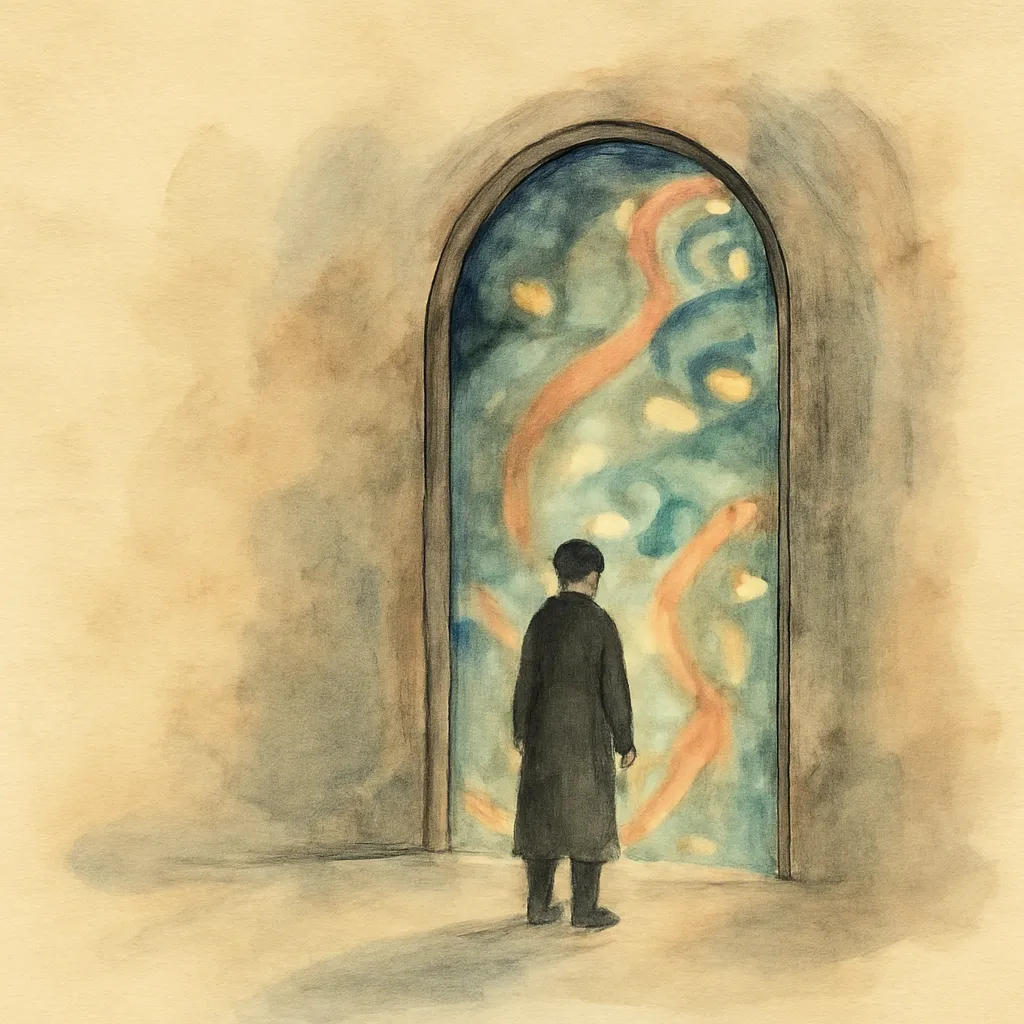
Steppenwolf is ultimately a quest for meaning beyond the mundane. Through encounters with enigmatic characters and the surreal 'Magic Theater,' Harry is forced to confront the limitations of his worldview and the possibility of joy, play, and transformation. The novel suggests that true self-understanding comes from embracing the multiplicity within and opening oneself to new experiences, even those that seem irrational or uncomfortable.
4.Art, Music, and the Role of the Artist
Art and music, especially the works of Mozart, play a pivotal role in Harry’s journey. Hesse uses these as symbols of higher spiritual possibilities and as a means of transcending the everyday. The novel explores the artist’s alienation from society but also the redemptive power of creativity, suggesting that art can serve as a bridge between the disparate parts of the self and between individuals and the world.
5.The Multiplicity of the Self
A key revelation in Steppenwolf is the idea that the self is not merely dual but made up of countless facets. The 'Magic Theater' sequence dramatizes this insight, showing Harry that he contains multitudes—each with its own desires, fears, and potentials. This challenges simplistic notions of identity and encourages readers to accept the complexity and fluidity of their own personalities.
6.The Dangers of Self-Absorption
While introspection is central to Harry’s journey, Hesse warns against excessive self-absorption and self-pity. The novel critiques the romanticization of suffering and the tendency to wallow in existential despair. Through characters like Hermine and Pablo, Harry is urged to engage with life, embrace pleasure, and find balance between reflection and action.