The Glass Bead Game by Hermann Hesse — Summary, Key Ideas & Quotes
1972520 pages✦ 3-min Big ideas
Rate it
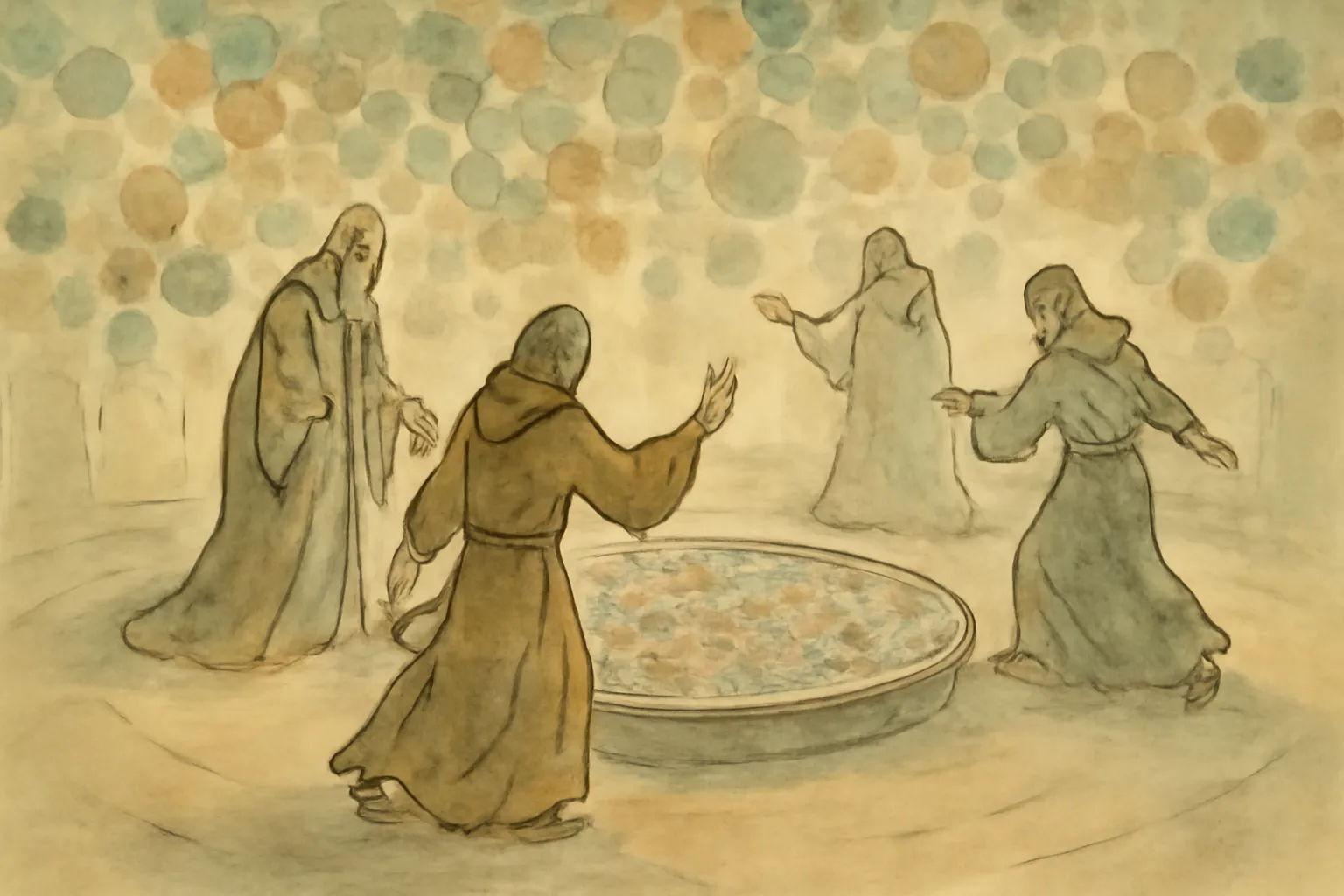
At the heart of the novel is the mysterious Glass Bead Game, a synthesis of all human knowledge—music, mathematics, philosophy—played by intellectual elites in the utopian province of Castalia. The Game represents the highest form of intellectual achievement, but also raises questions about abstraction, detachment, and the ultimate purpose of knowledge. Hesse uses the Game as both a literal and symbolic device to explore the limits and possibilities of human understanding.
Through the life of protagonist Josef Knecht, the novel explores the tension between a life devoted to pure thought and the messy, vital realities of the world outside. Castalia’s cloistered scholars are insulated from politics, emotion, and suffering, prompting Knecht—and the reader—to ask whether true wisdom requires engagement with life, not just contemplation.
“Every age, every culture, every custom and tradition has its own character, its own weakness and its own strength, its beauties and cruelties.”
“The mind is international and supra-national; the mind is humanity.”